



Immunohistochemical analysis of GATA2 expression in endometrium and its relationship with hormone receptor expression in benign and premalignant endometrial disorders
Supporting Files

-
10 23 2024 ; 12-2024
-
Available in CDC Stacks on December 03, 2024, 12:00 AM

File Language:
English
Details
-
Alternative Title:Reprod Sci
-
Personal Author:
-
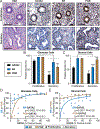
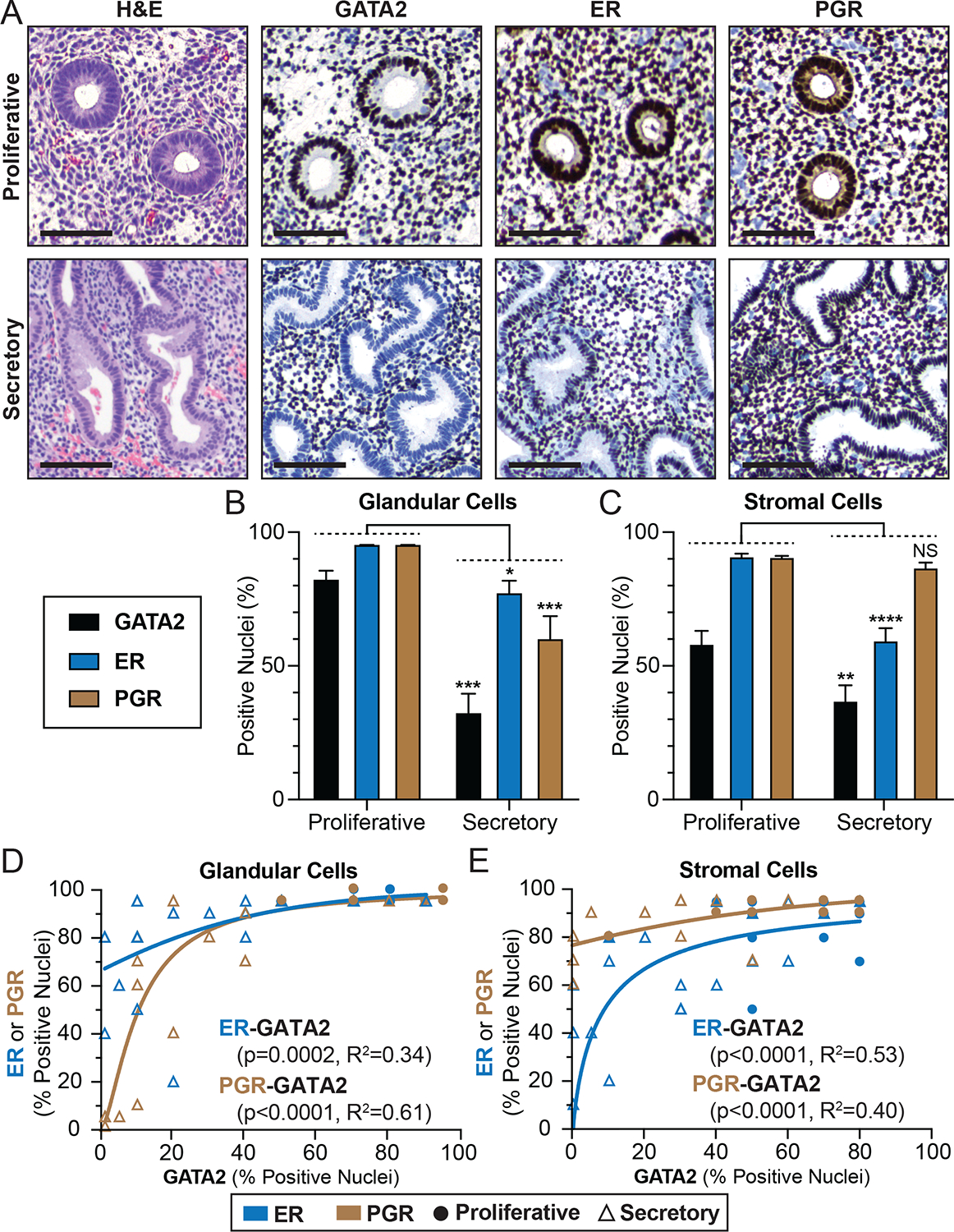
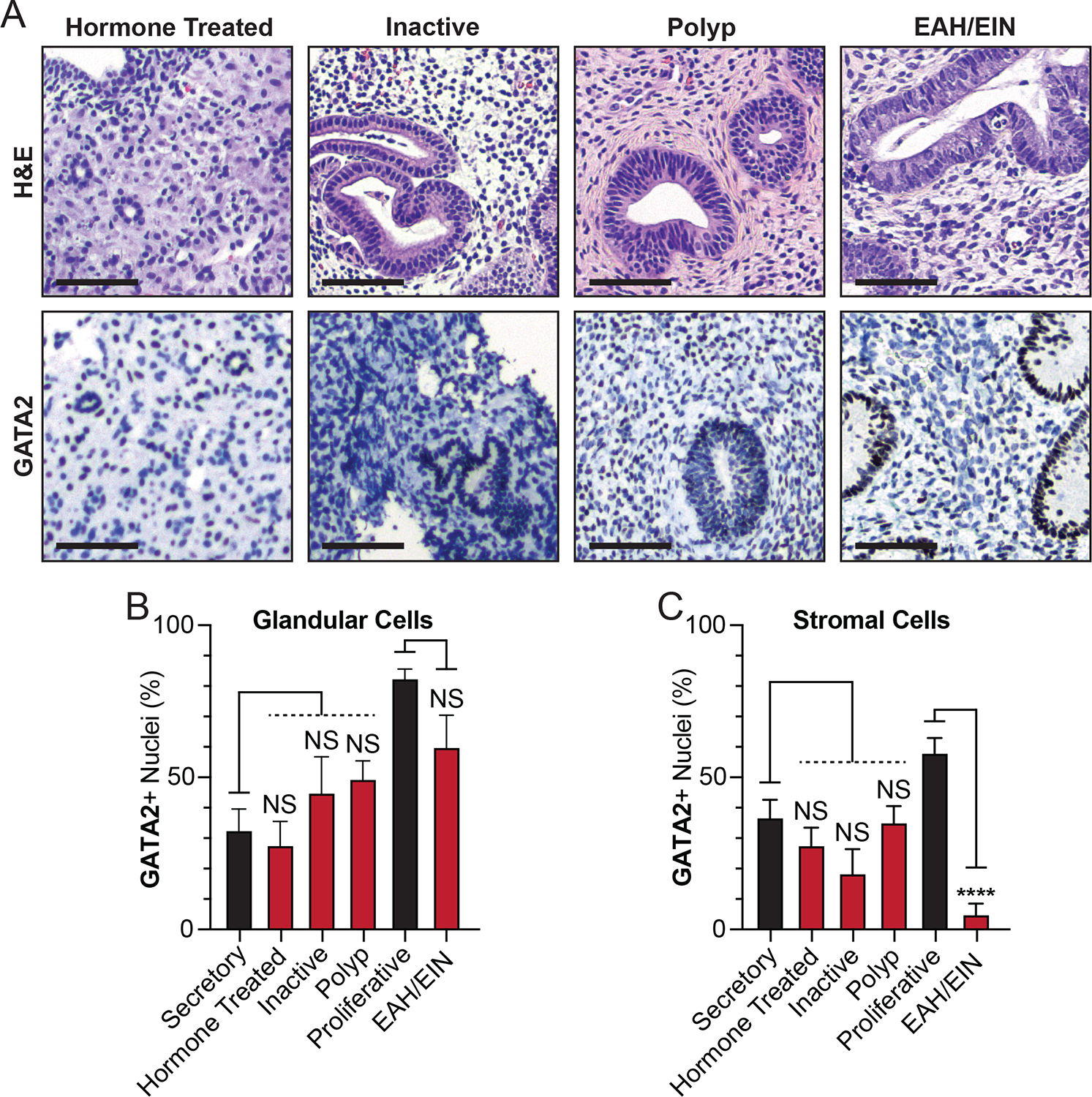
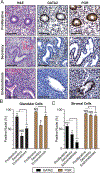
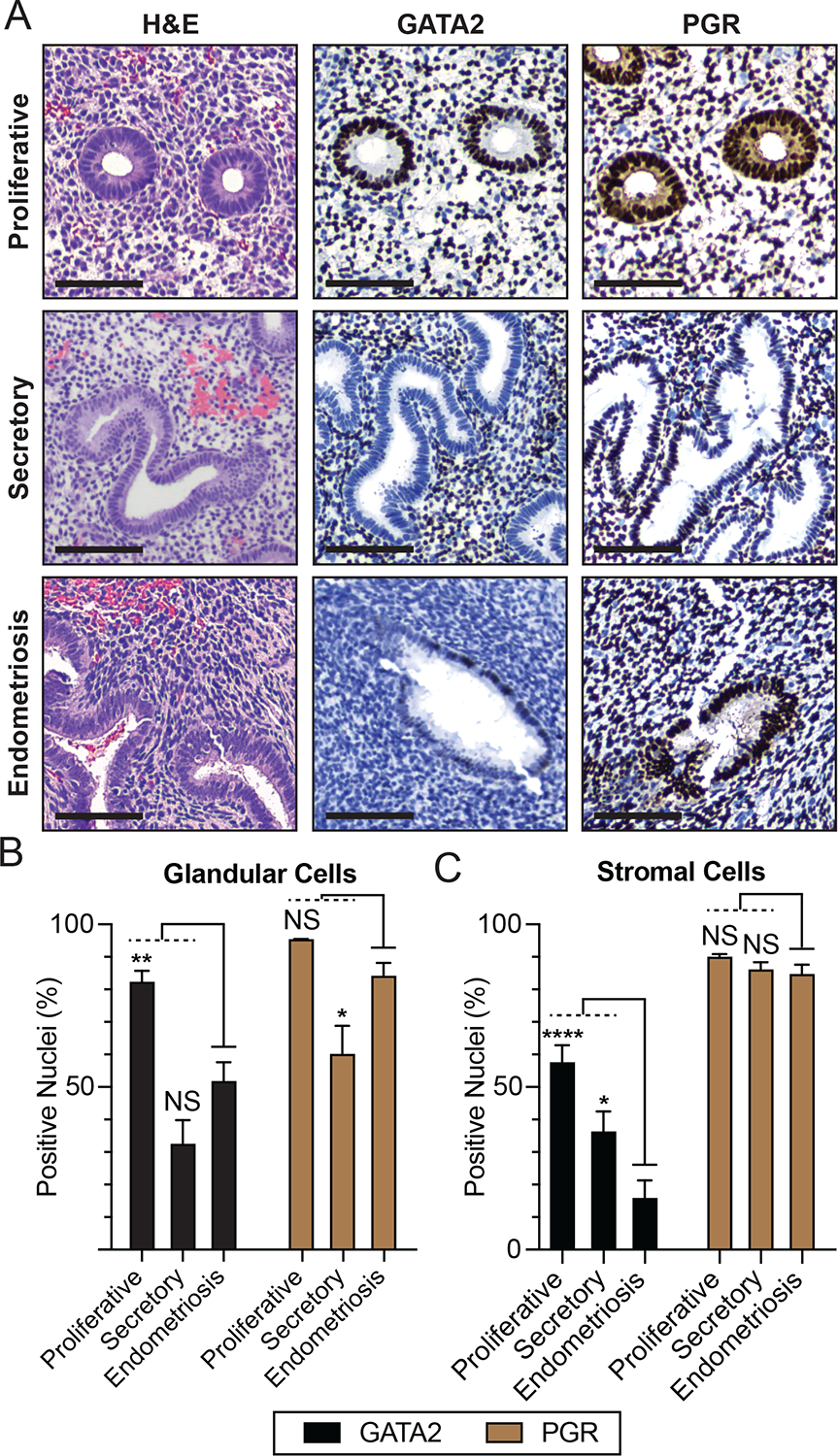
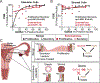
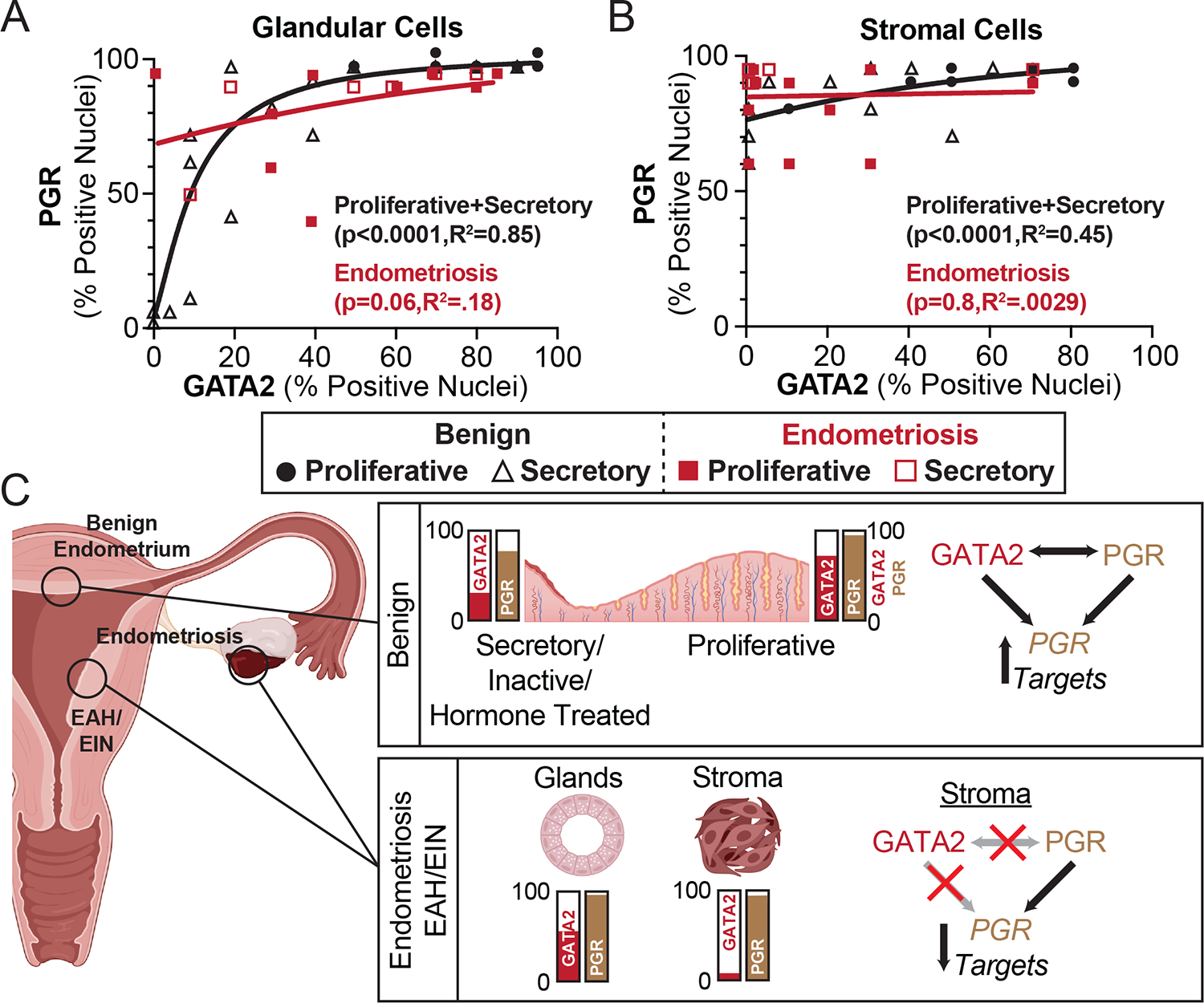
Description:The GATA gene family encodes highly conserved zinc-finger transcription factors that facilitate the development and function of multiple organ systems including the uterus. In the endometrium, GATA2 functions in a positive autoregulatory loop with the progesterone receptor (PGR) and colocalizes with PGR on chromatin to promote PGR transcriptional programs. GATA2 also has PGR-independent functions that maintain endometrial cell identity, and GATA2 transcripts reportedly are down-regulated in endometrial disorders including endometriosis. This event is accompanied by a reciprocal increase in GATA6. Here, we applied custom anti-GATA2 monoclonal antibodies and performed GATA2 immunohistochemistry (IHC) on patient endometrial tissues corresponding to proliferative, secretory, inactive, and hormone-treated endometrium, as well as endometriosis and endometrial atypical hyperplasia/endometrioid intraepithelial neoplasia (EAH/EIN). We also performed IHC for the estrogen receptor, PGR, and GATA6 in relevant groups. The results reveal a tight correlation between GATA2 and PGR expression in the glandular and stromal cells of benign endometrium. GATA2 expression is markedly reduced in stromal but not glandular cells in endometriosis and EAH/EIN. This reduction in GATA2 expression does not lead to a detectable increase in GATA6 expression in endometriosis. Although average glandular GATA2 expression was preserved in endometriosis and EAH/EIN cases, its expression was decoupled from PGR, implying that alternative pathways regulate GATA2 levels in these disorders. Our findings indicate that GATA2 dysregulation is a feature of endometriosis and EAH/EIN, and support a model whereby loss of stromal GATA2 in these disorders contributes to their progesterone insensitivity.
-
Subjects:
-
Keywords:
-
Source:Reprod Sci. 31(12):3880-3891
-
Pubmed ID:39443360
-
Pubmed Central ID:PMC11611599
-
Document Type:
-
Funding:T32HL007899/HL/NHLBI NIH HHSUnited States/ ; P30 CA014520/CA/NCI NIH HHSUnited States/ ; K08 DK127244/DK/NIDDK NIH HHSUnited States/ ; S10 OD023526/CD/ODCDC CDC HHSUnited States/ ; T32 HL007899/HL/NHLBI NIH HHSUnited States/ ; K08DK127244/DK/NIDDK NIH HHSUnited States/ ; S10 OD023526/OD/NIH HHSUnited States/ ; K08DK127244/DK/NIDDK NIH HHSUnited States/ ; T32HL007899/HL/NHLBI NIH HHSUnited States/ ; P30 CA014520/CA/NCI NIH HHSUnited States/ ; S10 OD023526/CD/ODCDC CDC HHSUnited States/
-
Volume:31
-
Issue:12
-
Download URL:
-
File Type:
 [PDF - 1.86 MB]
 -
Collection(s):
-
Main Document Checksum:urn:sha-512:3c69547d8774394593faaa90651aed2cb6057638af04bf7ee7e47b2adb5a294ffe50bd1235bba229dc6fc3afa08c567c8c1875f01df1874a4f3caf4c3112e917
Supporting Files


File Language:
English
 Was this page helpful?
 Found an issue?

CDC STACKS serves as an archival repository of CDC-published products including
scientific findings, journal articles, guidelines, recommendations, or other public health information authored or
co-authored by CDC or funded partners.
As a repository, CDC STACKS retains documents in their original published format to ensure public access to scientific information.
As a repository, CDC STACKS retains documents in their original published format to ensure public access to scientific information.
You May Also Like
COLLECTION
CDC Public Access