



Biological effects of inhaled hydraulic fracturing sand dust. II. Particle characterization and pulmonary effects 30 d following intratracheal instillation
Supporting Files

-
October 15 2020 ; 12-15-
-
Available in CDC Stacks on 2021-01-21T00:00:00Z
File Language:
English
Details
-
Alternative Title:Toxicol Appl Pharmacol
-
Personal Author:Fedan, Jeffrey S. ; Hubbs, Ann F. ; Barger, Mark ; Schwegler-Berry, Diane ; Friend, Sherri A. ; Leonard, Stephen S. ; Thompson, Janet A. ; Jackson, Mark C. ; Snawder, John E. ; Dozier, Alan K. ; Coyle, Jayme ; Kashon, Michael L. ; Park, Ju-Hyeong ; McKinney, Walter ; Roberts, Jenny R.
-
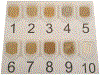
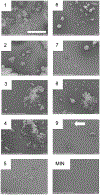
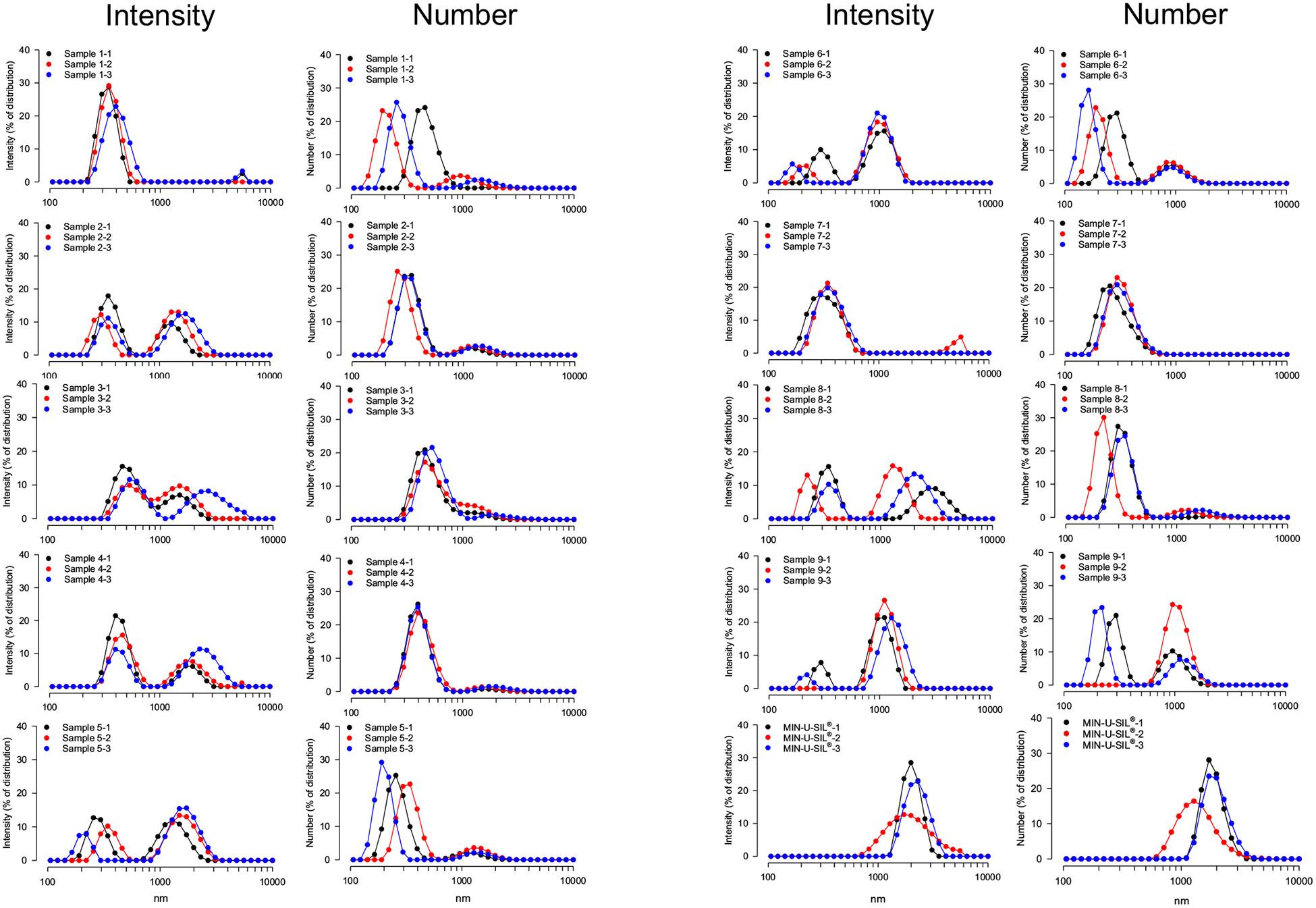
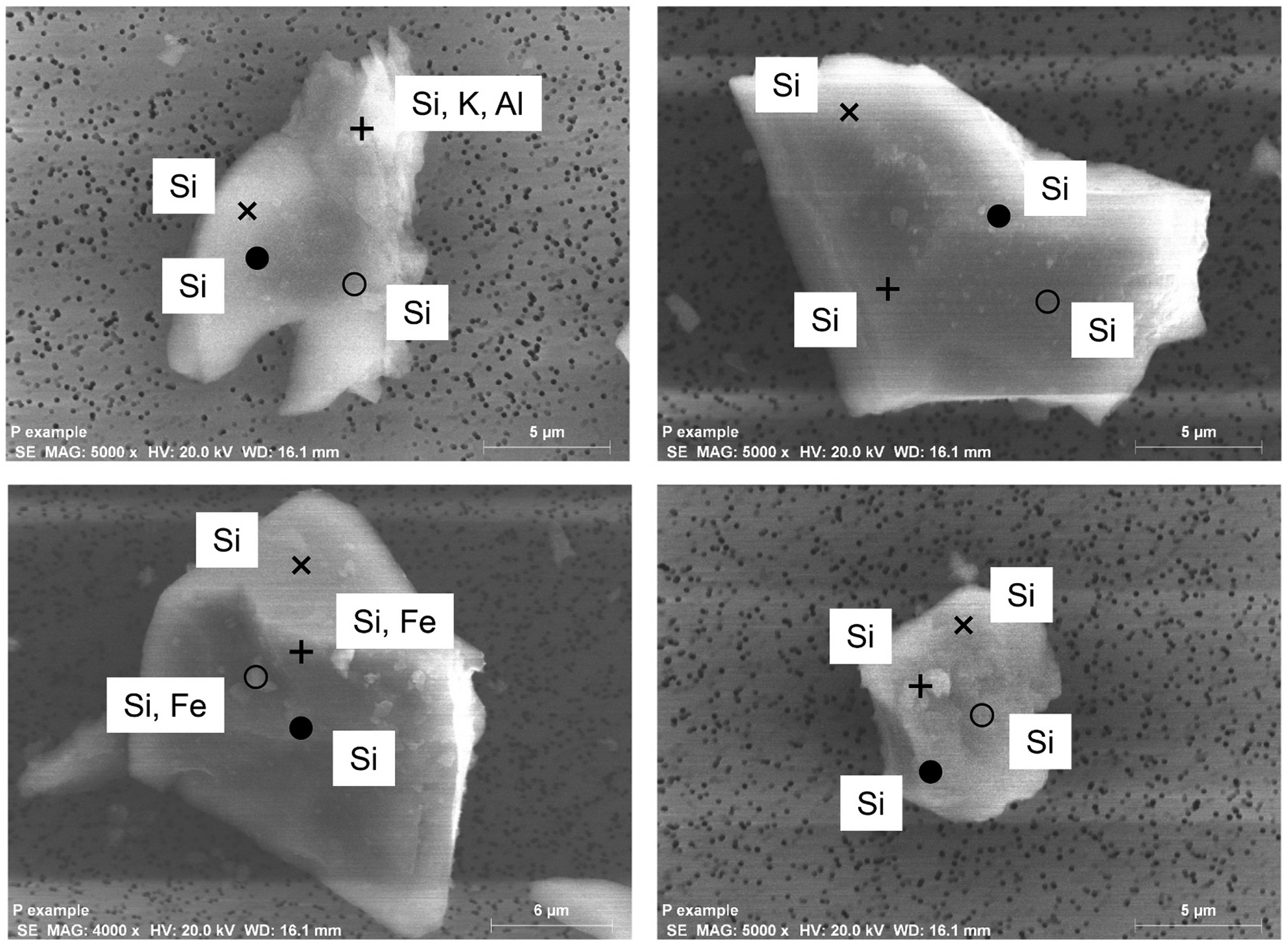
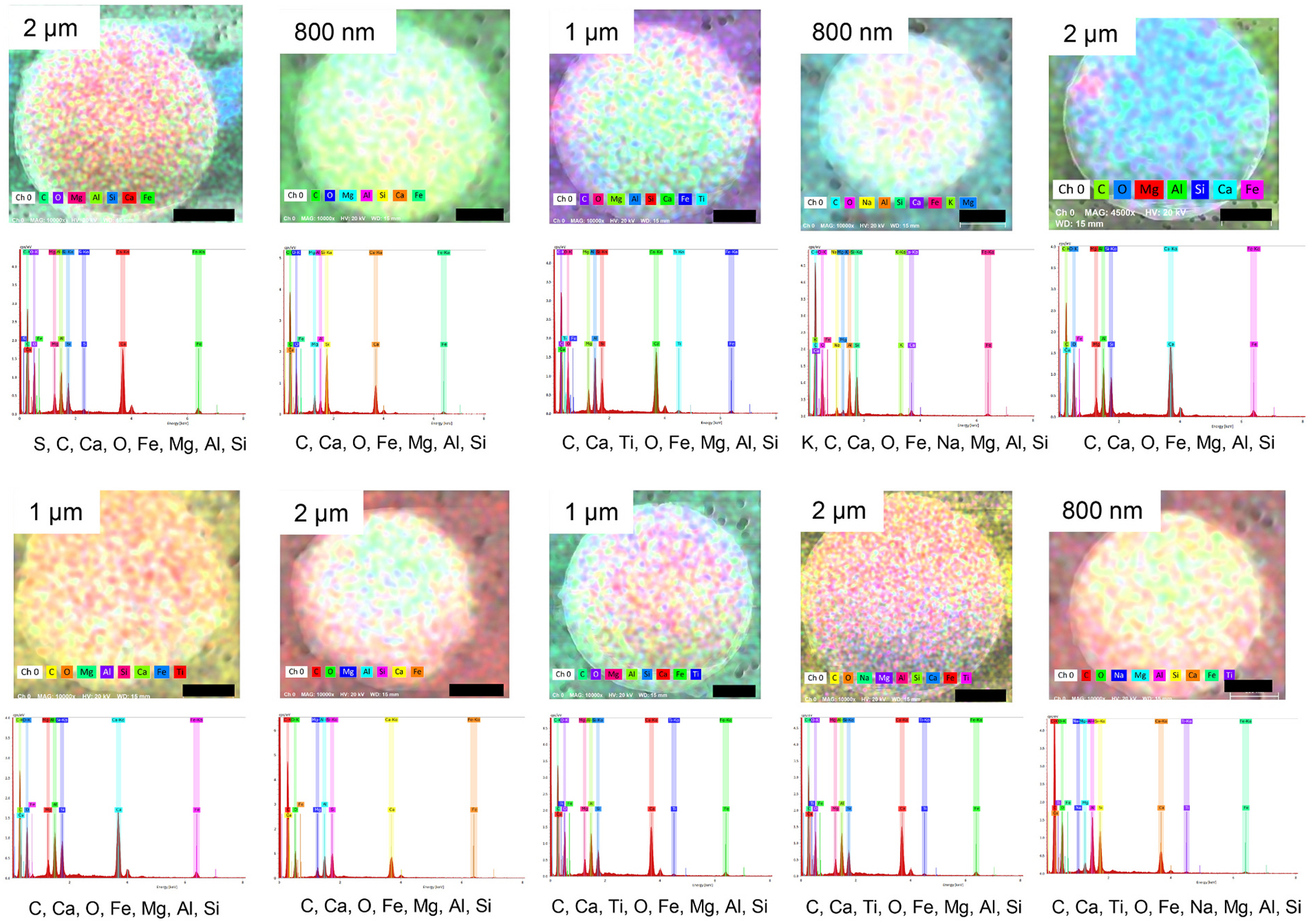
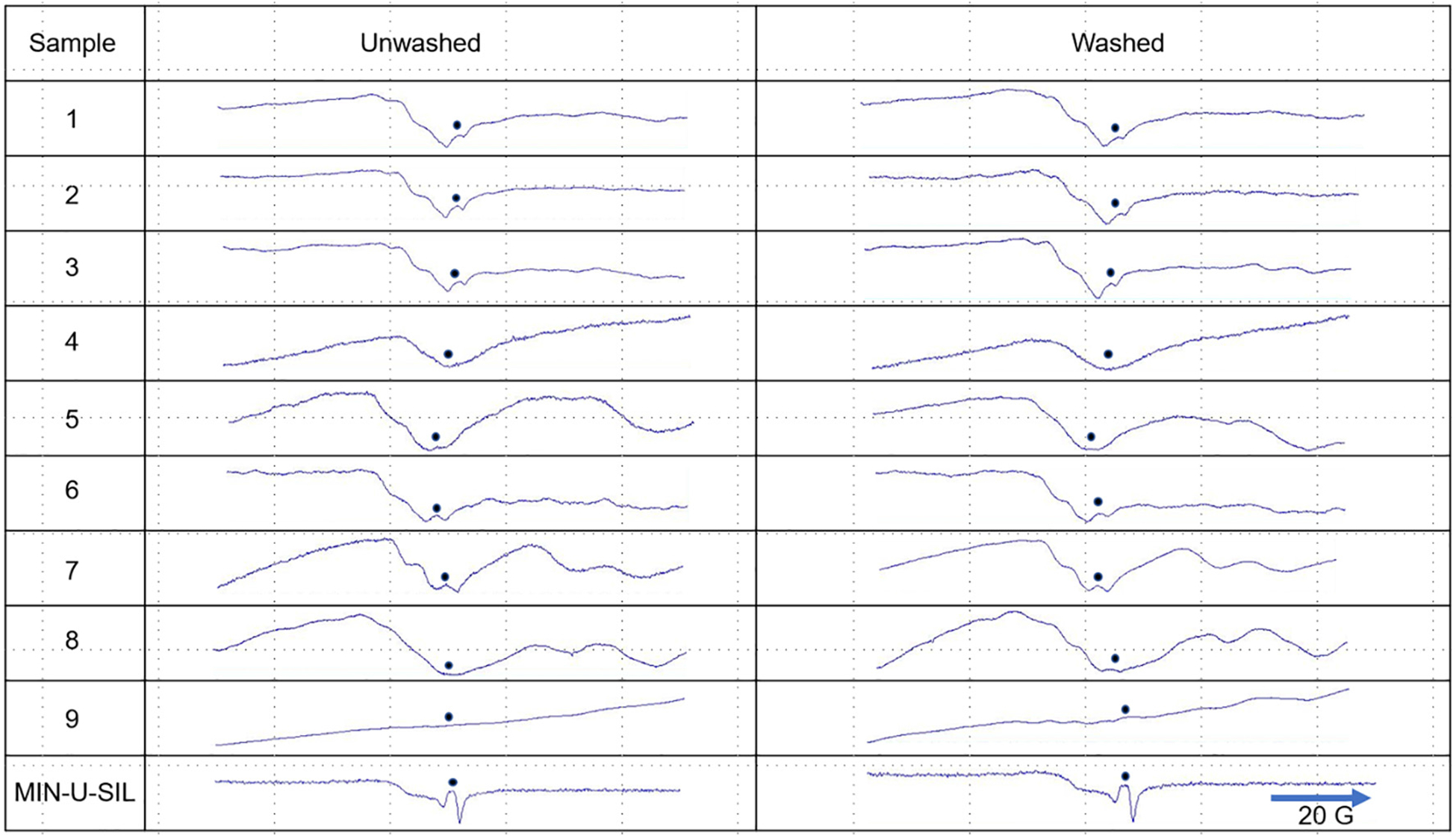
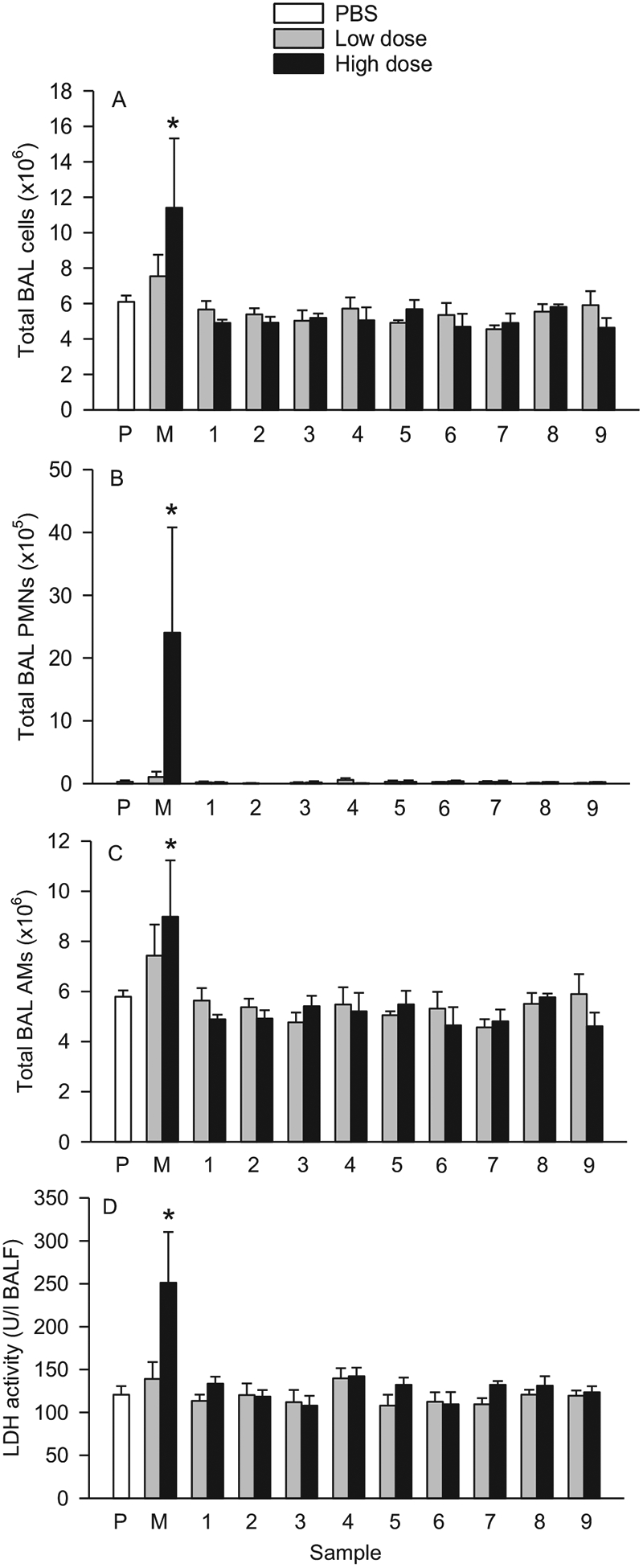
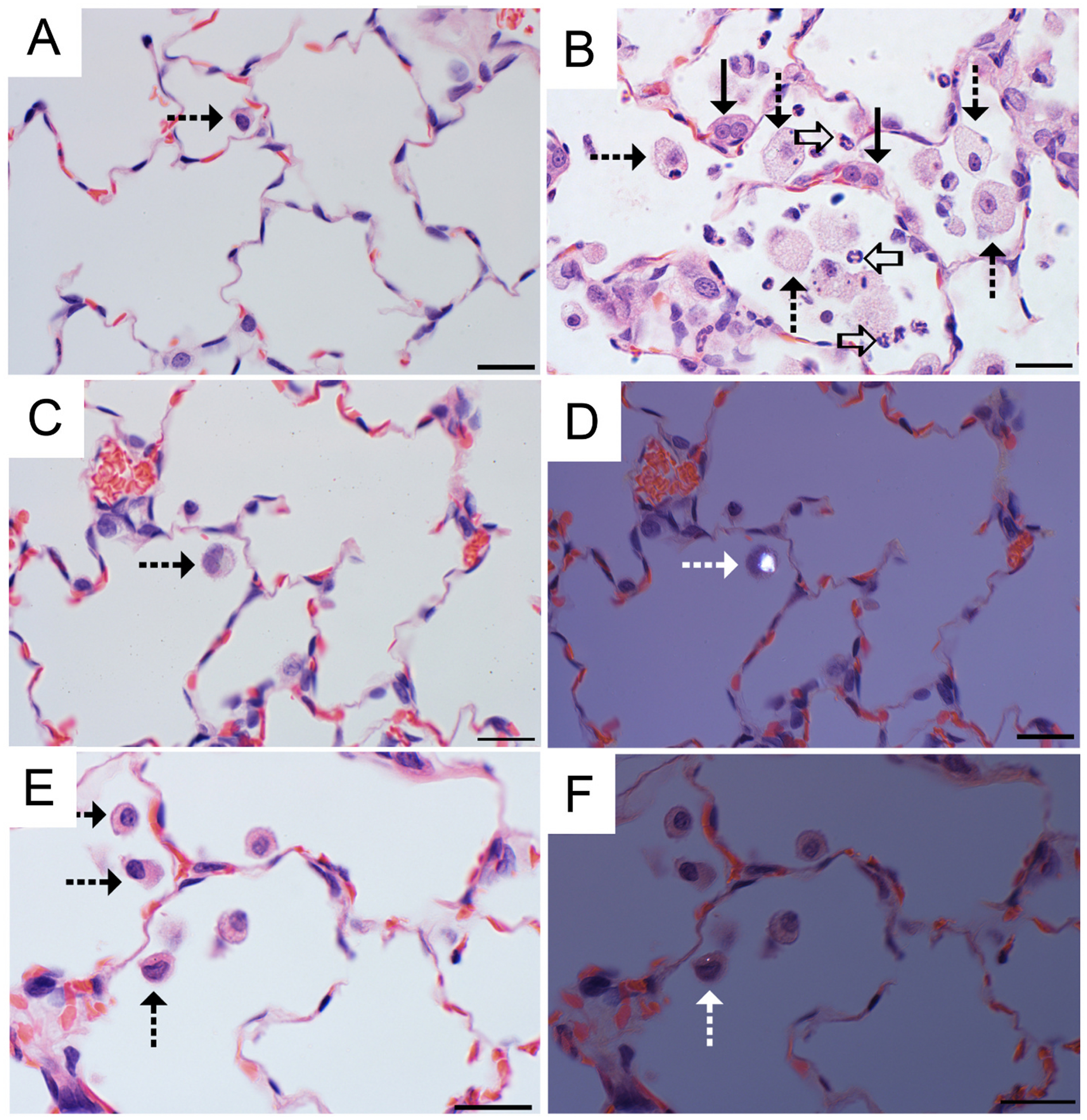
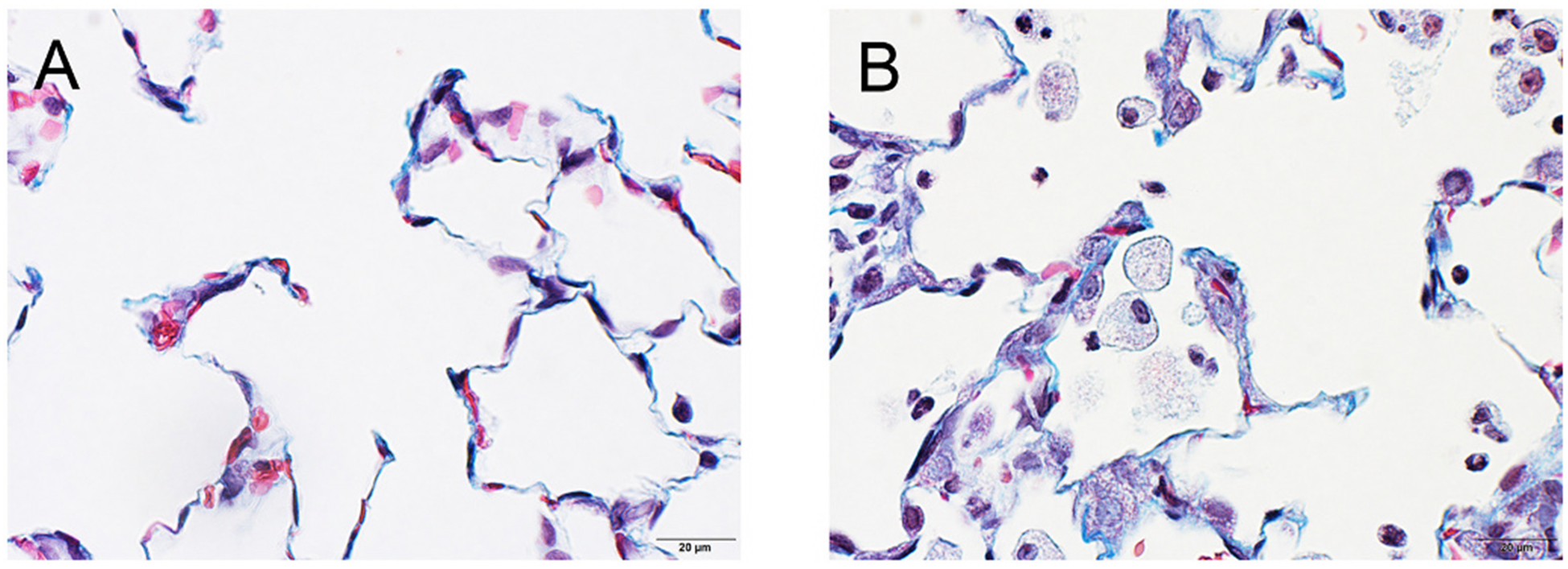
Description:Hydraulic fracturing ("fracking") is used in unconventional gas drilling to allow for the free flow of natural gas from rock. Sand in fracking fluid is pumped into the well bore under high pressure to enter and stabilize fissures in the rock. In the process of manipulating the sand on site, respirable dust (fracking sand dust, FSD) is generated. Inhalation of FSD is a potential hazard to workers inasmuch as respirable crystalline silica causes silicosis, and levels of FSD at drilling work sites have exceeded occupational exposure limits set by OSHA. In the absence of any information about its potential toxicity, a comprehensive rat animal model was designed to investigate the bioactivities of several FSDs in comparison to MIN-U-SIL® 5, a respirable α-quartz reference dust used in previous animal models of silicosis, in several organ systems (Fedan, J.S., Toxicol Appl Pharmacol. 00, 000-000, 2020). The present report, part of the larger investigation, describes: 1) a comparison of the physico-chemical properties of nine FSDs, collected at drilling sites, and MIN-U-SIL® 5, a reference silica dust, and 2) a comparison of the pulmonary inflammatory responses to intratracheal instillation of the nine FSDs and MIN-U-SIL® 5. Our findings indicate that, in many respects, the physico-chemical characteristics, and the biological effects of the FSDs and MIN-U-SIL® 5 after intratracheal instillation, have distinct differences.
-
Subjects:
-
Source:Toxicol Appl Pharmacol. 409:115282
-
Pubmed ID:33068622
-
Pubmed Central ID:PMC7818045
-
Document Type:
-
Funding:
-
Volume:409
-
Download URL:
-
File Type:
 [PDF - 4.33 MB]
 -
Collection(s):
-
Main Document Checksum:urn:sha256:13178ad2ec27b7e6bb360ed2d461e956441777017385e9b6bf8ce713e78dec90
Supporting Files


File Language:
English
 Was this page helpful?
 Found an issue?











CDC STACKS serves as an archival repository of CDC-published products including
scientific findings, journal articles, guidelines, recommendations, or other public health information authored or
co-authored by CDC or funded partners.
As a repository, CDC STACKS retains documents in their original published format to ensure public access to scientific information.
As a repository, CDC STACKS retains documents in their original published format to ensure public access to scientific information.
You May Also Like
COLLECTION
CDC Public Access