


Comparison of 2016–17 and Previous Epizootics of Highly Pathogenic Avian Influenza H5 Guangdong Lineage in Europe
Supporting Files

-
December 2018
-
File Language:
English
Details
-
Alternative Title:Emerg Infect Dis
-
Personal Author:Alarcon, Pablo ; Brouwer, Adam ; Venkatesh, Divya ; Duncan, Daisy ; Dovas, Chrysostomos I. ; Georgiades, George ; Monne, Isabella ; Fusaro, Alice ; Dan, Adam ; Śmietanka, Krzysztof ; Ragias, Vassilios ; Breed, Andrew C. ; Chassalevris, Taxiarchis ; Goujgoulova, Gabriela ; Hjulsager, Charlotte Kristiane ; Ryan, Eoin ; Sánchez, Azucena ; Niqueux, Eric ; Tammiranta, Niina ; Zohari, Siamak ; Stroud, David A. ; Savić, Vladimir ; Lewis, Nicola S. ; Brown, Ian H.
-
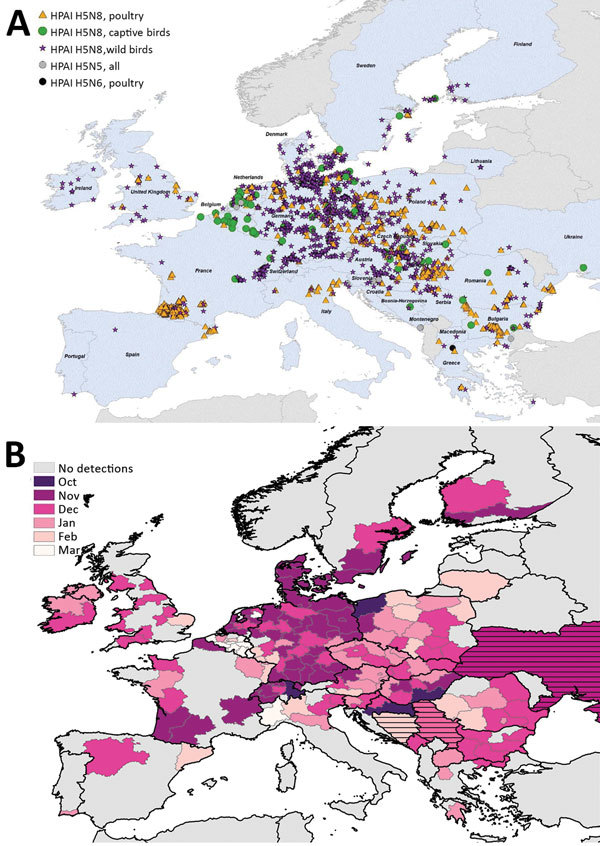
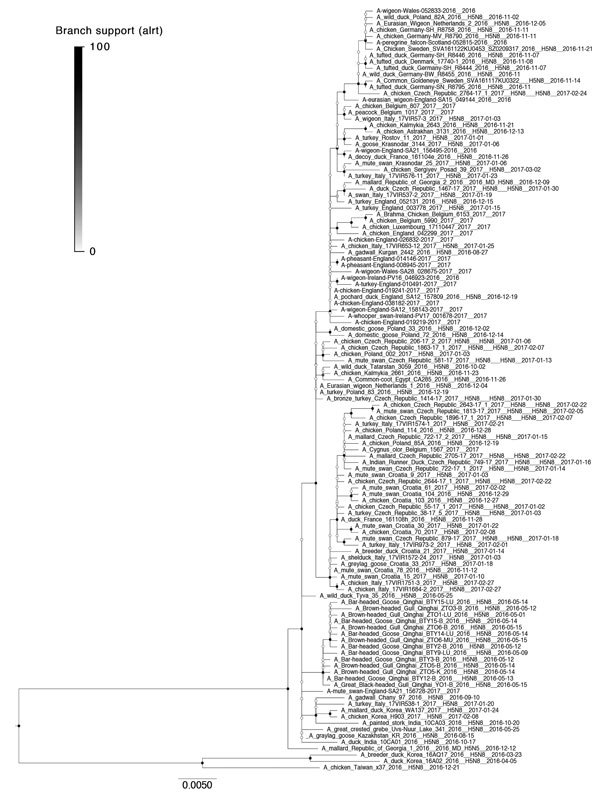
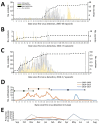
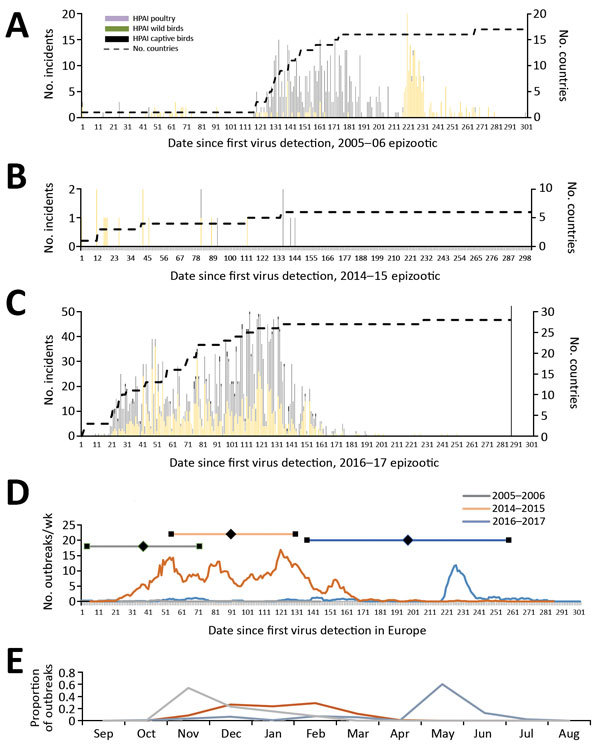
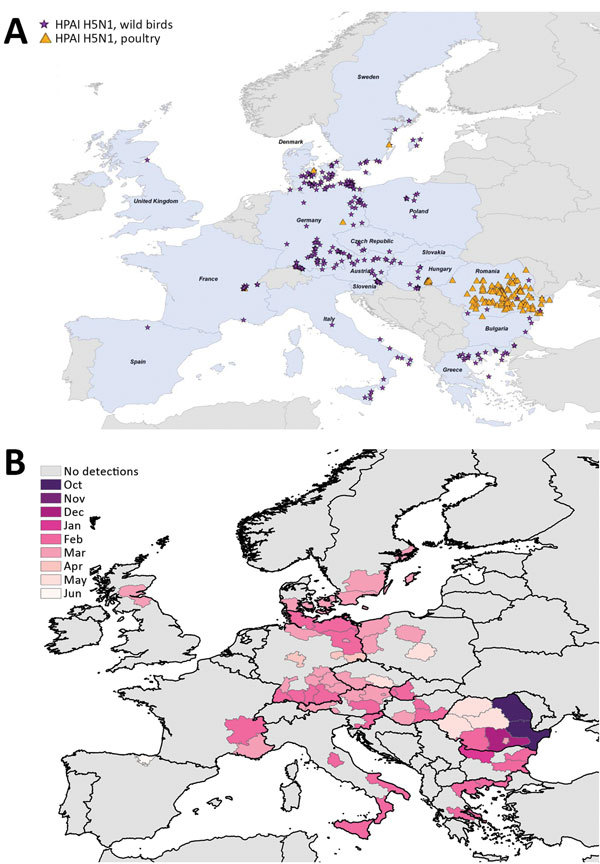
Description:We analyzed the highly pathogenic avian influenza (HPAI) H5 epizootic of 2016-17 in Europe by epidemiologic and genetic characteristics and compared it with 2 previous epizootics caused by the same H5 Guangdong lineage. The 2016-17 epizootic was the largest in Europe by number of countries and farms affected and greatest diversity of wild birds infected. We observed significant differences among the 3 epizootics regarding region affected, epidemic curve, seasonality, and outbreak duration, making it difficult to predict future HPAI epizootics. However, we know that in 2005-06 and 2016-17 the initial peak of wild bird detections preceded the peak of poultry outbreaks within Europe. Phylogenetic analysis of 2016-17 viruses indicates 2 main pathways into Europe. Our findings highlight the need for global surveillance of viral changes to inform disease preparedness, detection, and control.
-
Subjects:
-
Source:Emerg Infect Dis. 24(12):2270-2283
-
Pubmed ID:30457528
-
Pubmed Central ID:PMC6256410
-
Document Type:
-
Funding:
-
Genre:
-
Place as Subject:
-
Volume:24
-
Issue:12
-
Collection(s):
-
Main Document Checksum:urn:sha256:4b7b4519da5ee2f487f6cad18777eb3a051bfa4bf94ce53dc5691040411e6350
-
Download URL:
-
File Type:
 [PDF
- 6.06 MB
]
[PDF
- 6.06 MB
]
Supporting Files


File Language:
English
ON THIS PAGE




CDC STACKS serves as an archival repository of CDC-published products including
scientific findings,
journal articles, guidelines, recommendations, or other public health information authored or
co-authored by CDC or funded partners.
As a repository, CDC STACKS retains documents in their original published format to ensure public access to scientific information.
As a repository, CDC STACKS retains documents in their original published format to ensure public access to scientific information.
You May Also Like
COLLECTION
Emerging Infectious Diseases