


Genetic Indicators of Drug Resistance in the Highly Repetitive Genome of Trichomonas vaginalis
Supporting Files

-
Jun 19 2017
-
File Language:
English
Details
-
Alternative Title:Genome Biol Evol
-
Personal Author:
-
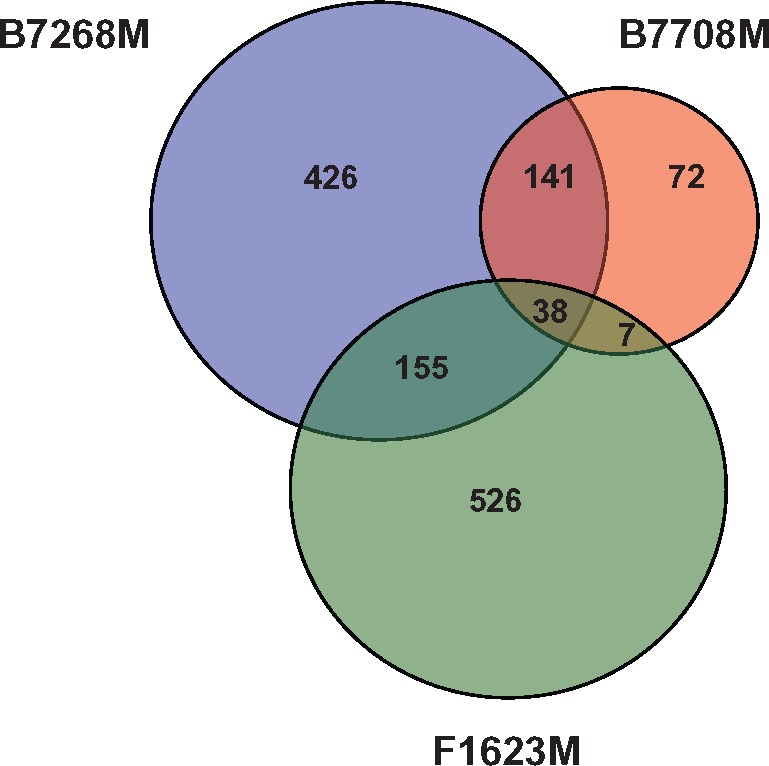
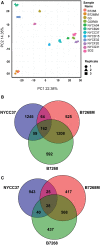
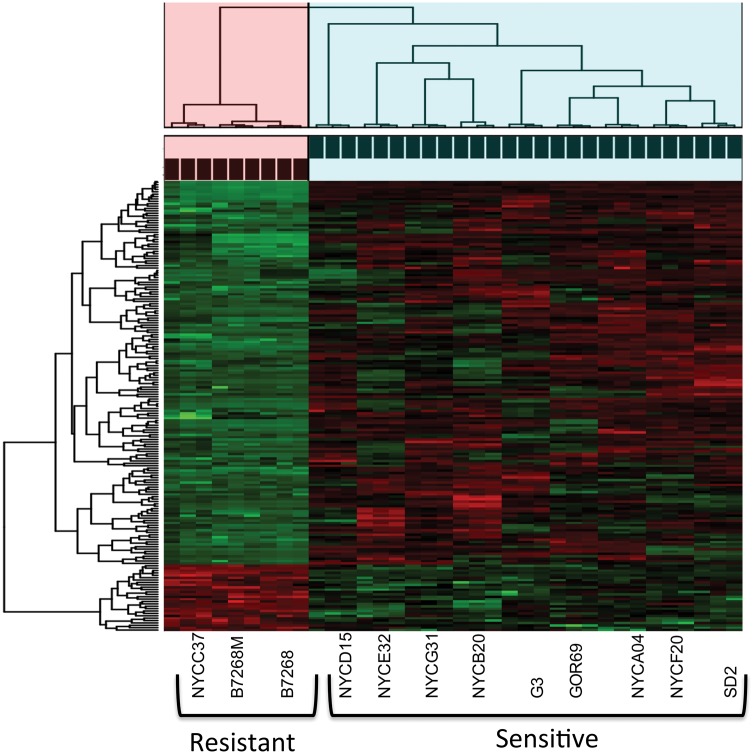
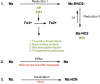
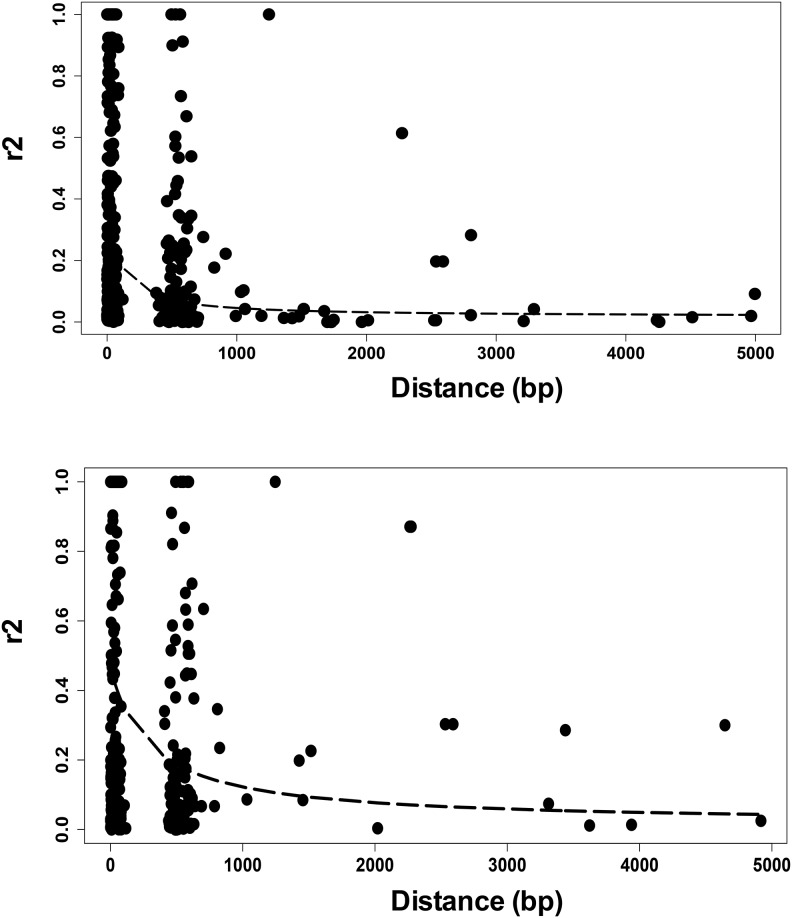
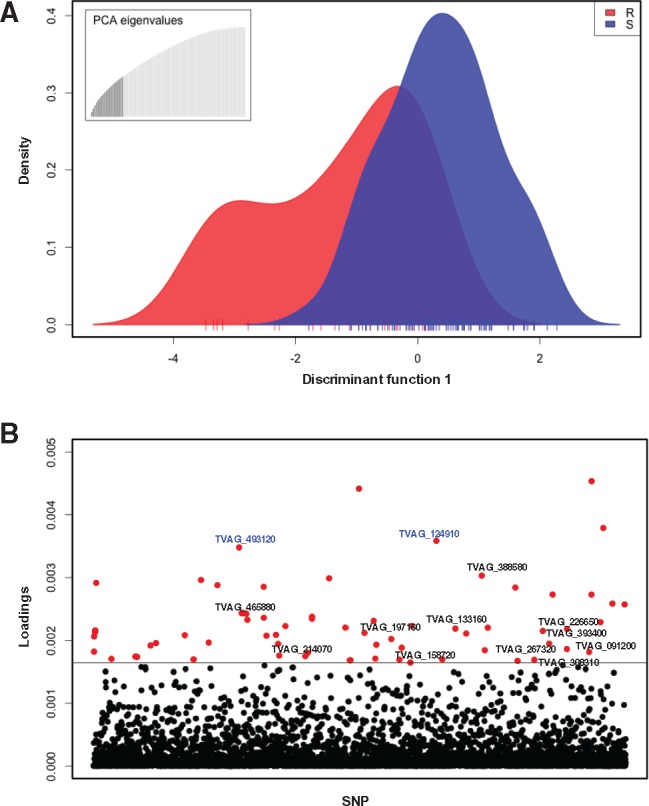
Description:Trichomonas vaginalis, the most common non-viral sexually transmitted parasite, causes ∼283 million trichomoniasis infections annually and is associated with pregnancy complications and increased risk of HIV-1 acquisition. The antimicrobial drug metronidazole is used for treatment, but in a fraction of clinical cases, the parasites can become resistant to this drug. We undertook sequencing of multiple clinical isolates and lab derived lines to identify genetic markers and mechanisms of metronidazole resistance. Reduced representation genome sequencing of ∼100 T. vaginalis clinical isolates identified 3,923 SNP markers and presence of a bipartite population structure. Linkage disequilibrium was found to decay rapidly, suggesting genome-wide recombination and the feasibility of genetic association studies in the parasite. We identified 72 SNPs associated with metronidazole resistance, and a comparison of SNPs within several lab-derived resistant lines revealed an overlap with the clinically resistant isolates. We identified SNPs in genes for which no function has yet been assigned, as well as in functionally-characterized genes relevant to drug resistance (e.g., pyruvate:ferredoxin oxidoreductase). Transcription profiles of resistant strains showed common changes in genes involved in drug activation (e.g., flavin reductase), accumulation (e.g., multidrug resistance pump), and detoxification (e.g., nitroreductase). Finally, we identified convergent genetic changes in lab-derived resistant lines of Tritrichomonas foetus, a distantly-related species that causes venereal disease in cattle. Shared genetic changes within and between T. vaginalis and Tr. foetus parasites suggest conservation of the pathways through which adaptation has occurred. These findings extend our knowledge of drug resistance in the parasite, providing a panel of markers that can be used as a diagnostic tool.
-
Subjects:
-
Source:Genome Biol Evol. 2017; 9(6):1658-1672.
-
Pubmed ID:28633446
-
Pubmed Central ID:PMC5522705
-
Document Type:
-
Funding:
-
Volume:9
-
Issue:6
-
Collection(s):
-
Main Document Checksum:urn:sha256:2447ab5061d2bc69e6ef7334f72f1d0affcde3cd905fe7d02794547119db0c2b
-
Download URL:
-
File Type:
 [PDF
- 975.85 KB
]
[PDF
- 975.85 KB
]
Supporting Files


File Language:
English
ON THIS PAGE





CDC STACKS serves as an archival repository of CDC-published products including
scientific findings,
journal articles, guidelines, recommendations, or other public health information authored or
co-authored by CDC or funded partners.
As a repository, CDC STACKS retains documents in their original published format to ensure public access to scientific information.
As a repository, CDC STACKS retains documents in their original published format to ensure public access to scientific information.
You May Also Like
COLLECTION
CDC Public Access