



Clinical, Epidemiologic, Histopathologic and Molecular Features of an Unexplained Dermopathy
Supporting Files
Public Domain

-
2012/01/25
File Language:
English
Details
-
Alternative Title:PLoS One
-
Personal Author:Pearson, Michele L. ; Selby, Joseph V. ; Katz, Kenneth A. ; Cantrell, Virginia ; Braden, Christopher R. ; Parise, Monica E. ; Paddock, Christopher D. ; Lewin-Smith, Michael R. ; Kalasinsky, Victor F. ; Goldstein, Felicia C. ; Hightower, Allen W. ; Papier, Arthur ; Lewis, Brian ; Motipara, Sarita ; Eberhard, Mark L.
-
Corporate Authors:
-
Description:Background
Morgellons is a poorly characterized constellation of symptoms, with the primary manifestations involving the skin. We conducted an investigation of this unexplained dermopathy to characterize the clinical and epidemiologic features and explore potential etiologies.
Methods
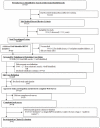
A descriptive study was conducted among persons at least 13 years of age and enrolled in Kaiser Permanente Northern California (KPNC) during 2006-2008. A case was defined as the self-reported emergence of fibers or materials from the skin accompanied by skin lesions and/or disturbing skin sensations. We collected detailed epidemiologic data, performed clinical evaluations and geospatial analyses and analyzed materials collected from participants' skin.
Results
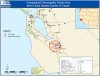
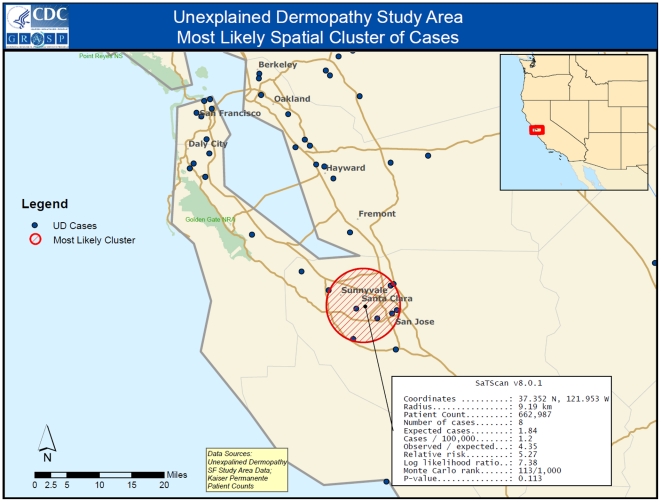
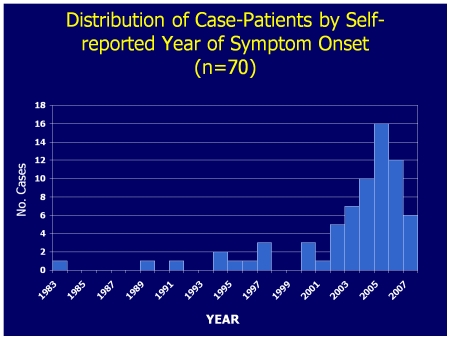
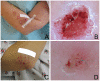
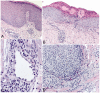
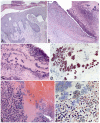
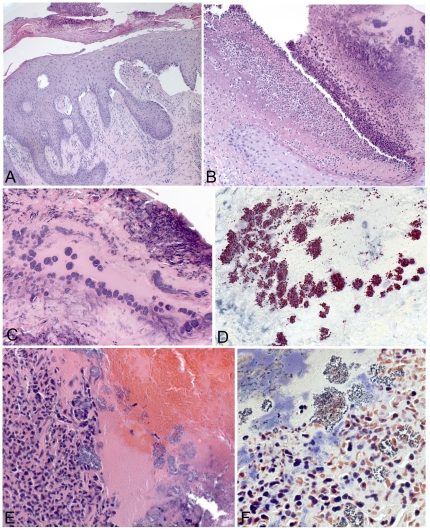
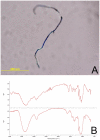
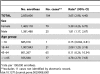
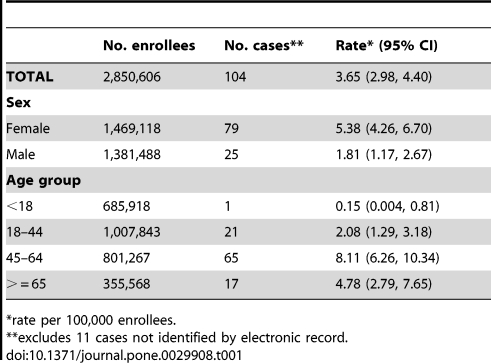
We identified 115 case-patients. The prevalence was 3.65 (95% CI = 2.98, 4.40) cases per 100,000 enrollees. There was no clustering of cases within the 13-county KPNC catchment area (p = .113). Case-patients had a median age of 52 years (range: 17-93) and were primarily female (77%) and Caucasian (77%). Multi-system complaints were common; 70% reported chronic fatigue and 54% rated their overall health as fair or poor with mean Physical Component Scores and Mental Component Scores of 36.63 (SD = 12.9) and 35.45 (SD = 12.89), respectively. Cognitive deficits were detected in 59% of case-patients and 63% had evidence of clinically significant somatic complaints; 50% had drugs detected in hair samples and 78% reported exposure to solvents. Solar elastosis was the most common histopathologic abnormality (51% of biopsies); skin lesions were most consistent with arthropod bites or chronic excoriations. No parasites or mycobacteria were detected. Most materials collected from participants' skin were composed of cellulose, likely of cotton origin.
Conclusions
This unexplained dermopathy was rare among this population of Northern California residents, but associated with significantly reduced health-related quality of life. No common underlying medical condition or infectious source was identified, similar to more commonly recognized conditions such as delusional infestation. -
Subjects:
-
Source:PLoS One. 2012; 7(1)
-
Pubmed ID:22295070
-
Pubmed Central ID:PMC3266263
-
Document Type:
-
Genre:
-
Place as Subject:
-
Volume:7
-
Issue:1
-
Download URL:
-
File Type:
 [PDF - 1.44 MB]
 -
Collection(s):
-
Main Document Checksum:urn:sha-512:9ed72e1c79cfbb1c62fcc81a6b64c1c197b42c3188bc05e322cd8a61ba46d0c5283bc008605fb1ab97a4c6dc585e43a9ed5b20bf7b55f8dd6ce4782fdc764920
Supporting Files


File Language:
English
 Was this page helpful?
 Found an issue?






CDC STACKS serves as an archival repository of CDC-published products including
scientific findings, journal articles, guidelines, recommendations, or other public health information authored or
co-authored by CDC or funded partners.
As a repository, CDC STACKS retains documents in their original published format to ensure public access to scientific information.
As a repository, CDC STACKS retains documents in their original published format to ensure public access to scientific information.
You May Also Like
COLLECTION
CDC Public Access