



Characterizing the Etiology of Recurrent Tuberculosis Using Whole Genome Sequencing: Alaska, 2008–2020
Supporting Files

-
5 24 2024
-
Available in CDC Stacks on November 24, 2025, 12:00 AM

File Language:
English
Details
-
Alternative Title:J Infect Dis
-
Personal Author:
-
Description:Background.
Understanding the etiology of recurrent tuberculosis (rTB) is important for effective tuberculosis control. Prior to the advent of whole genome sequencing (WGS), attributing rTB to relapse or reinfection using genetic information was complicated by the limited resolution of conventional genotyping methods.
Methods.
We applied a systematic method of evaluating whole genome single-nucleotide polymorphism (wgSNP) distances and results of phylogenetic analyses to characterize the etiology of rTB in American Indian and Alaska Native (AIAN) persons in Alaska during 2008 to 2020. We contextualized our findings through descriptive analyses of surveillance data and results of a literature search for investigations that characterized rTB etiology using WGS.
Results.
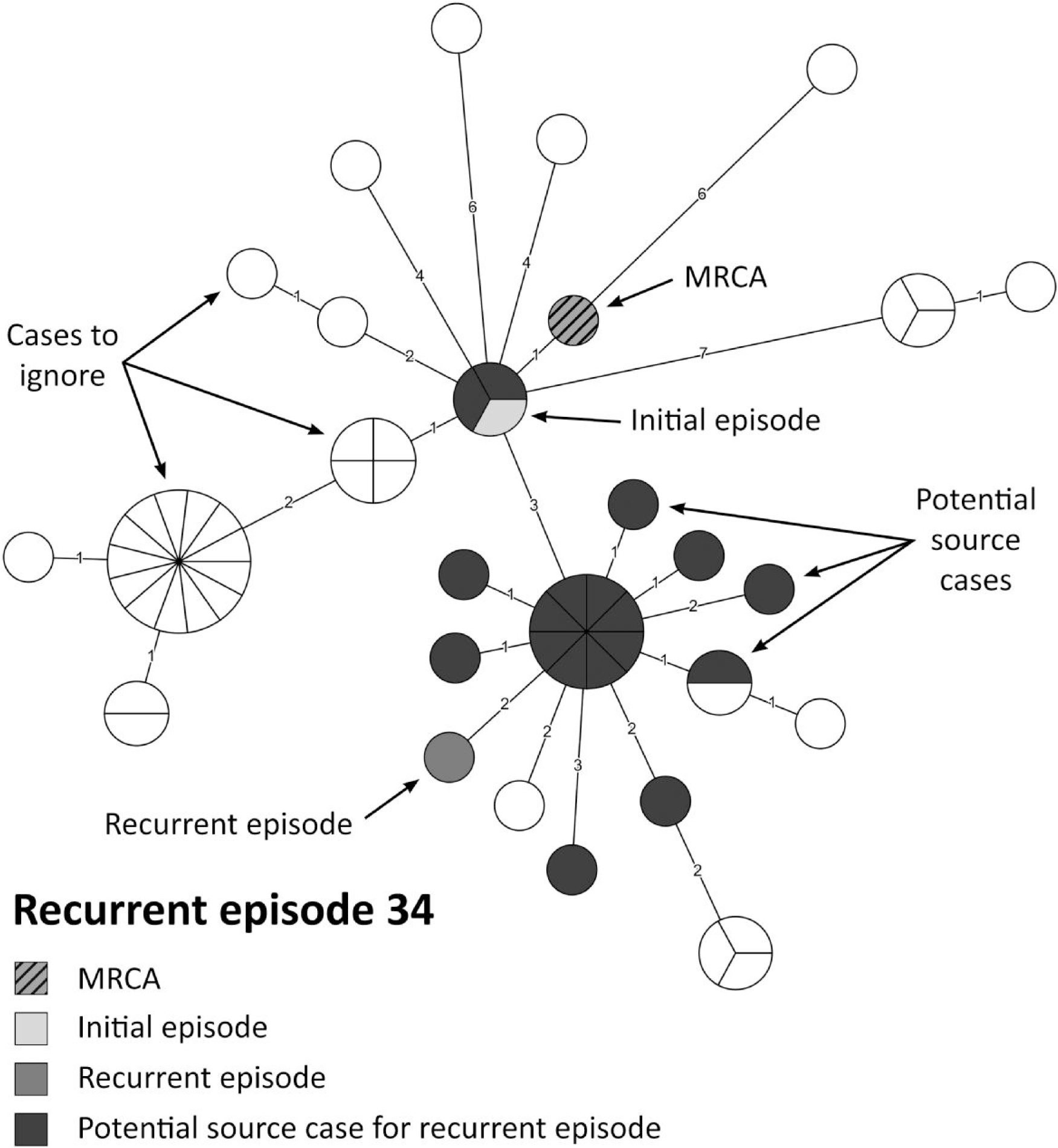
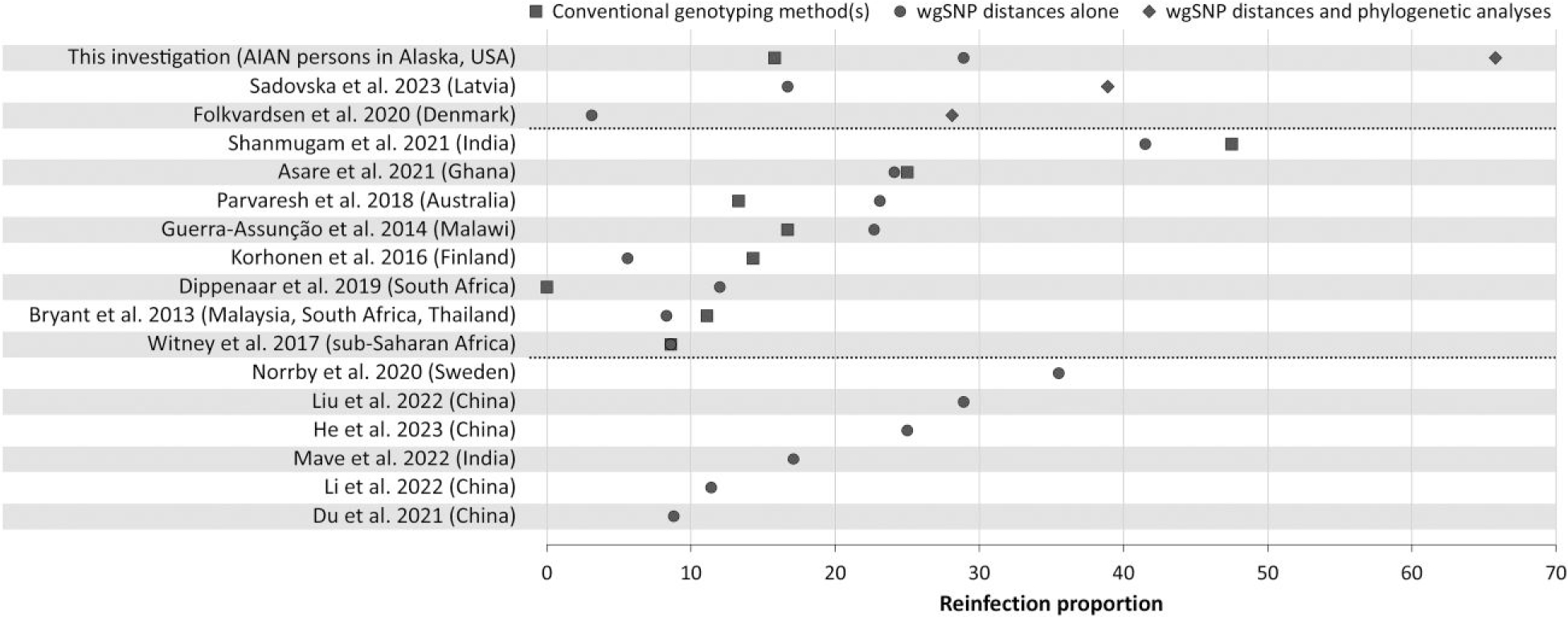
The percentage of tuberculosis cases in AIAN persons in Alaska classified as recurrent episodes (11.8%) was 3 times the national percentage (3.9%). Of 38 recurrent episodes included in genetic analyses, we attributed 25 (65.8%) to reinfection based on wgSNP distances and phylogenetic analyses; this proportion was the highest among 16 published point estimates identified through the literature search. By comparison, we attributed 11 (28.9%) and 6 (15.8%) recurrent episodes to reinfection based on wgSNP distances alone and on conventional genotyping methods, respectively.
Conclusions.
WGS and attribution criteria involving genetic distances and patterns of relatedness can provide an effective means of elucidating rTB etiology. Our findings indicate that rTB occurs at high proportions among AIAN persons in Alaska and is frequently attributable to reinfection, reinforcing the importance of active surveillance and control measures to limit the spread of tuberculosis disease in Alaskan AIAN communities. -
Keywords:
-
Source:J Infect Dis.
-
Pubmed ID:38794931
-
Pubmed Central ID:PMC11585661
-
Document Type:
-
Funding:
-
Download URL:
-
File Type:
 [PDF - 427.88 KB]
 -
Collection(s):
-
Main Document Checksum:urn:sha-512:6cb37930604015b00d33f368a4106a2c4cc4e2cb6d5645d7d1ab4c7b44f50b466e75114e7efc9053dcc9be7467213d4782b815f80f8400a2a6372225f8eb2b66
Supporting Files


File Language:
English
 Was this page helpful?
 Found an issue?

CDC STACKS serves as an archival repository of CDC-published products including
scientific findings, journal articles, guidelines, recommendations, or other public health information authored or
co-authored by CDC or funded partners.
As a repository, CDC STACKS retains documents in their original published format to ensure public access to scientific information.
As a repository, CDC STACKS retains documents in their original published format to ensure public access to scientific information.
You May Also Like
COLLECTION
CDC Public Access