



Genome-wide association study of multiethnic non-syndromic orofacial cleft families identifies novel loci specific to family and phenotypic subtypes
Supporting Files

-
4 2022 ; 4-2022
-
Available in CDC Stacks on April 01, 2023, 12:00 AM
File Language:
English
Details
-
Alternative Title:Genet Epidemiol
-
Personal Author:Mukhopadhyay, Nandita ; Feingold, Eleanor ; Moreno-Uribe, Lina ; Wehby, George ; Valencia-Ramirez, Luz Consuelo ; Muñeton, Claudia P. Restrepo ; Padilla, Carmencita ; Deleyiannis, Frederic ; Christensen, Kaare ; Poletta, Fernando A. ; Orioli, Ieda M ; Hecht, Jacqueline T. ; Buxó, Carmen J. ; Butali, Azeez ; Adeyemo, Wasiu L. ; Vieira, Alexandre R. ; Shaffer, John R. ; Murray, Jeffrey C. ; Weinberg, Seth M. ; Leslie, Elizabeth J. ; Marazita, Mary L.
-
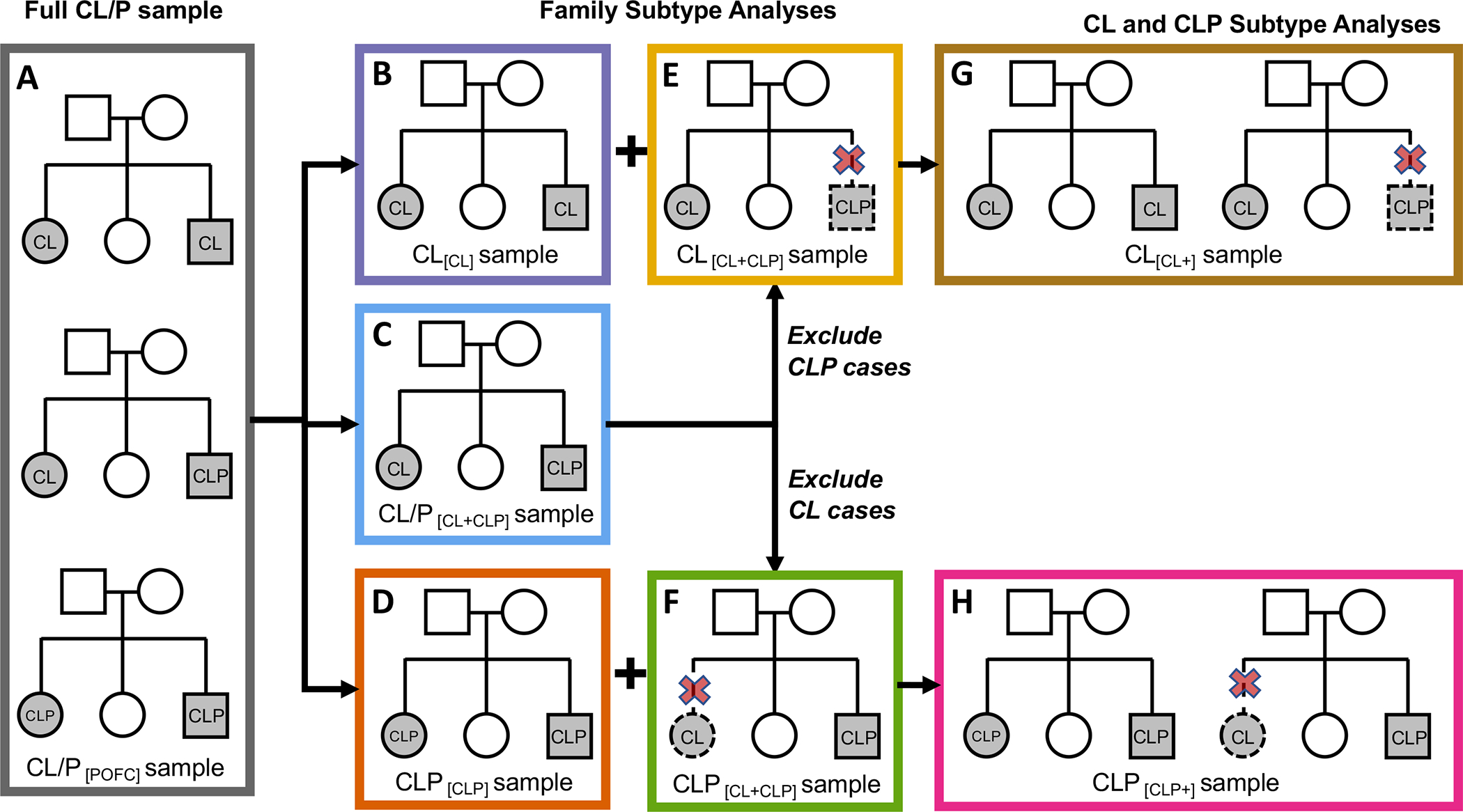
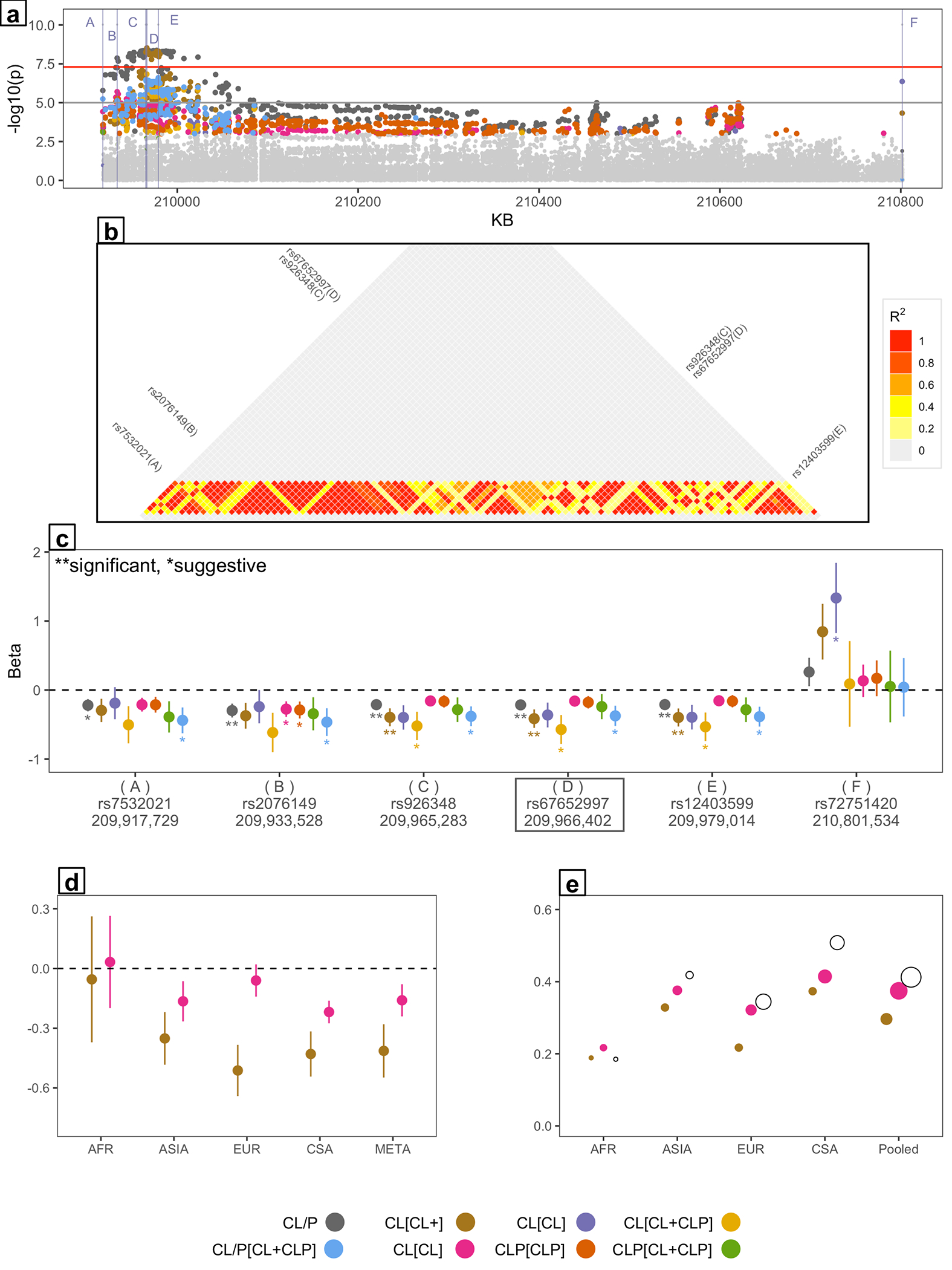
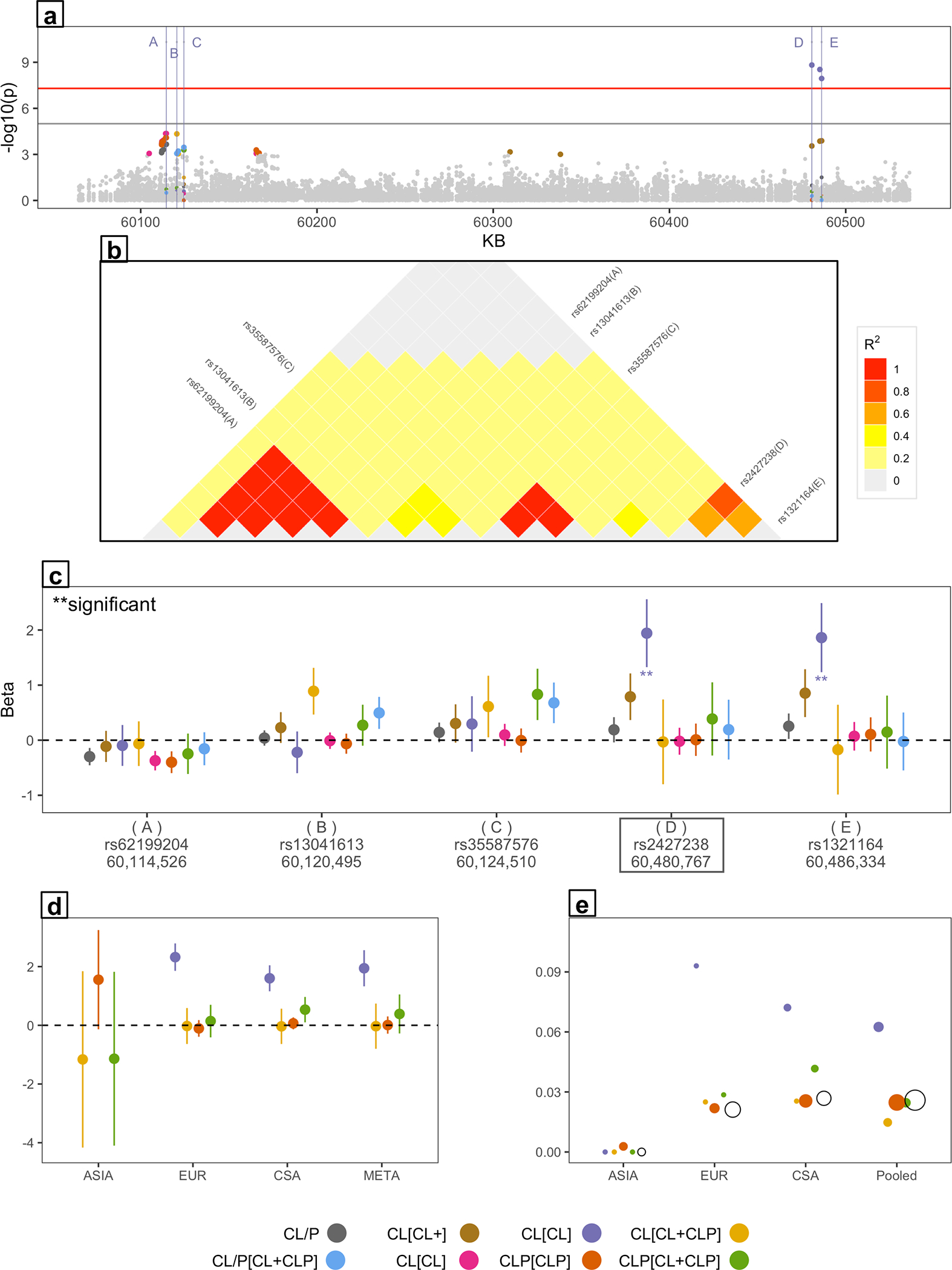
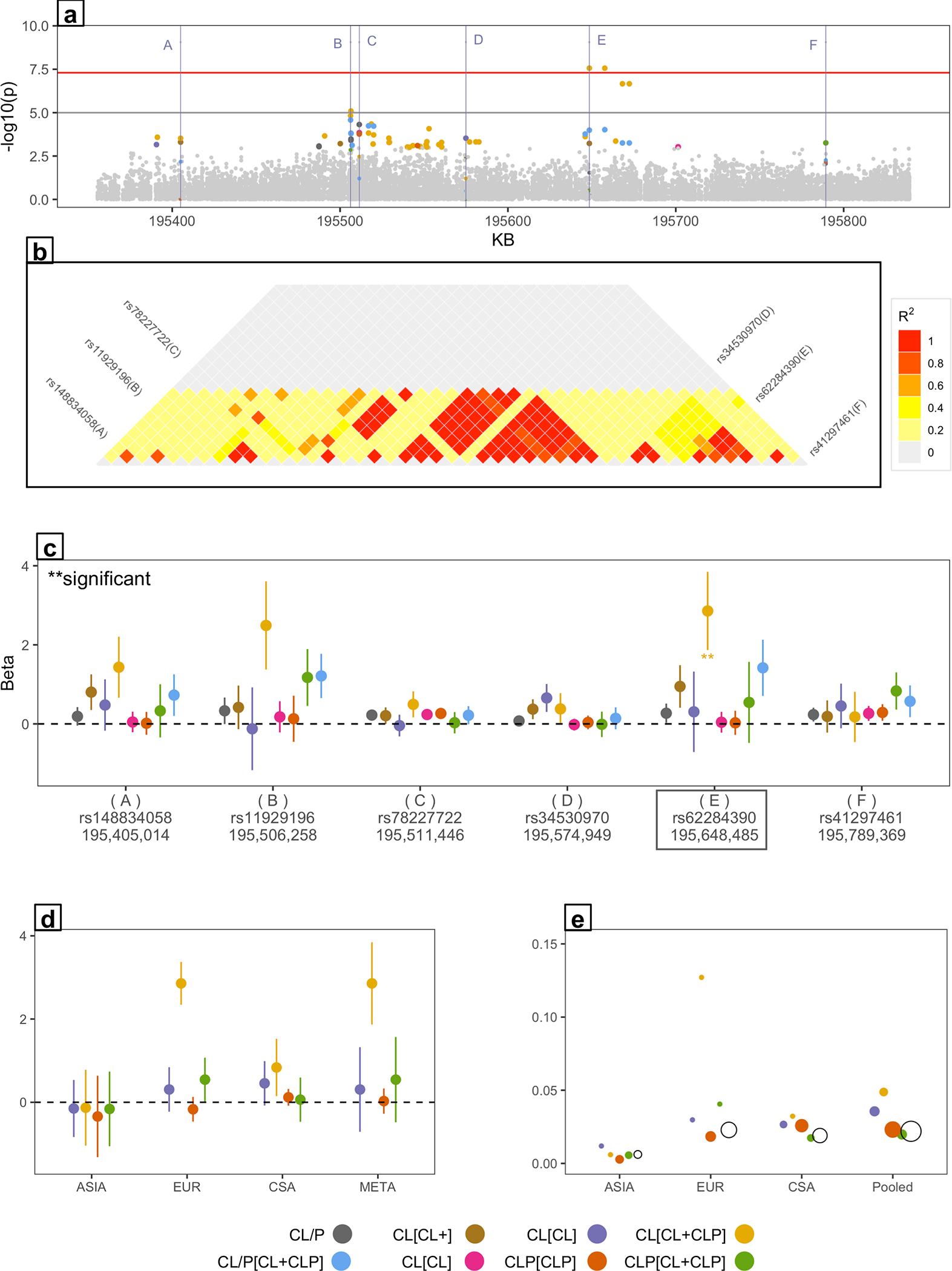
Description:Nonsyndromic orofacial clefts (OFCs) are among the most common craniofacial birth defects worldwide, and known to exhibit phenotypic and genetic heterogeneity. Cleft lip plus cleft palate (CLP) and cleft lip only (CL) are commonly combined together as one phenotype (CL/P), separately from cleft palate alone. In comparison, our study analyzes CL and CLP separately. A sample of 2218 CL and CLP cases, 4537 unaffected relatives of cases, and 2673 pure controls with no family history of OFC were selected from the Pittsburgh Orofacial Cleft (Pitt-OFC) multiethnic study.genome-wide association studies were run for seven specific phenotypes created based on the cleft type(s) observed within these families, as well as the combined CL/P phenotype. Five novel genome-wide significant associations, 3q29 (rs62284390), 5p13.2 (rs609659), 7q22.1 (rs6465810), 19p13.3 (rs628271), and 20q13.33 (rs2427238), and nine associations (p ≤ 1.0E-05) within previously confirmed OFC loci-PAX7, IRF6, FAM49A, DCAF4L2, 8q24.21, ARID3B, NTN1, TANC2 and the WNT9B:WNT3 gene cluster-were observed. We also found that single nucleotide polymorphisms within a subset of the associated loci, both previously known and novel, differ substantially in terms of their effects across cleft- or family-specific phenotypes, indicating not only etiologic differences between CL and CLP, but also genetic heterogeneity within each of the two OFC subtypes.
-
Subjects:
-
Keywords:
-
Source:Genet Epidemiol. 46(3-4):182-198
-
Pubmed ID:35191549
-
Pubmed Central ID:PMC9086172
-
Document Type:
-
Funding:R01 DE014667/DE/NIDCR NIH HHSUnited States/ ; U54 GM133807/GM/NIGMS NIH HHSUnited States/ ; R00 DE025060/DE/NIDCR NIH HHSUnited States/ ; R21 DE016930/DE/NIDCR NIH HHSUnited States/ ; R01 DD000295/DD/NCBDD CDC HHSUnited States/ ; R37 DE008559/DE/NIDCR NIH HHSUnited States/ ; R01 DE011931/DE/NIDCR NIH HHSUnited States/ ; R00 DE024571/DE/NIDCR NIH HHSUnited States/ ; R01 DE016148/DE/NIDCR NIH HHSUnited States/ ; U01 DE024425/DE/NIDCR NIH HHSUnited States/ ; R01 DE028300/DE/NIDCR NIH HHSUnited States/ ; R01 DE009886/DE/NIDCR NIH HHSUnited States/ ; R01 DE028342/DE/NIDCR NIH HHSUnited States/
-
Volume:46
-
Download URL:
-
File Type:
 [PDF - 1.33 MB]
 -
Collection(s):
-
Main Document Checksum:urn:sha-512:2fc839b1ad453f81e9dd658becd814b5cbf962a0cbc7033a55b5eeecc6cdc8d03a274709987dc59ceeb1e515e3d205e7615c371919276dce082b7d5a3cdf6023
Supporting Files


File Language:
English
 Was this page helpful?
 Found an issue?


CDC STACKS serves as an archival repository of CDC-published products including
scientific findings, journal articles, guidelines, recommendations, or other public health information authored or
co-authored by CDC or funded partners.
As a repository, CDC STACKS retains documents in their original published format to ensure public access to scientific information.
As a repository, CDC STACKS retains documents in their original published format to ensure public access to scientific information.
You May Also Like
COLLECTION
CDC Public Access