



The impact of airborne endotoxin exposure on rheumatoid arthritis-related joint damage, autoantigen expression, autoimmunity, and lung disease
Supporting Files

-
11 2021 ; 11-2021
-
Available in CDC Stacks on 2022-11-01T00:00:00Z
File Language:
English
Details
-
Alternative Title:Int Immunopharmacol
-
Personal Author:Mikuls, Ted R. ; Gaurav, Rohit ; Thiele, Geoffrey M. ; England, Bryant R. ; Wolfe, Madison G. ; Shaw, Brianna P. ; Bailey, Kristina L. ; Wyatt, Todd A. ; Nelson, Amy J. ; Duryee, Michael J. ; Hunter, Carlos D. ; Wang, Dong ; Romberger, Debra J. ; Ascherman, Dana P. ; Poole, Jill A.
-
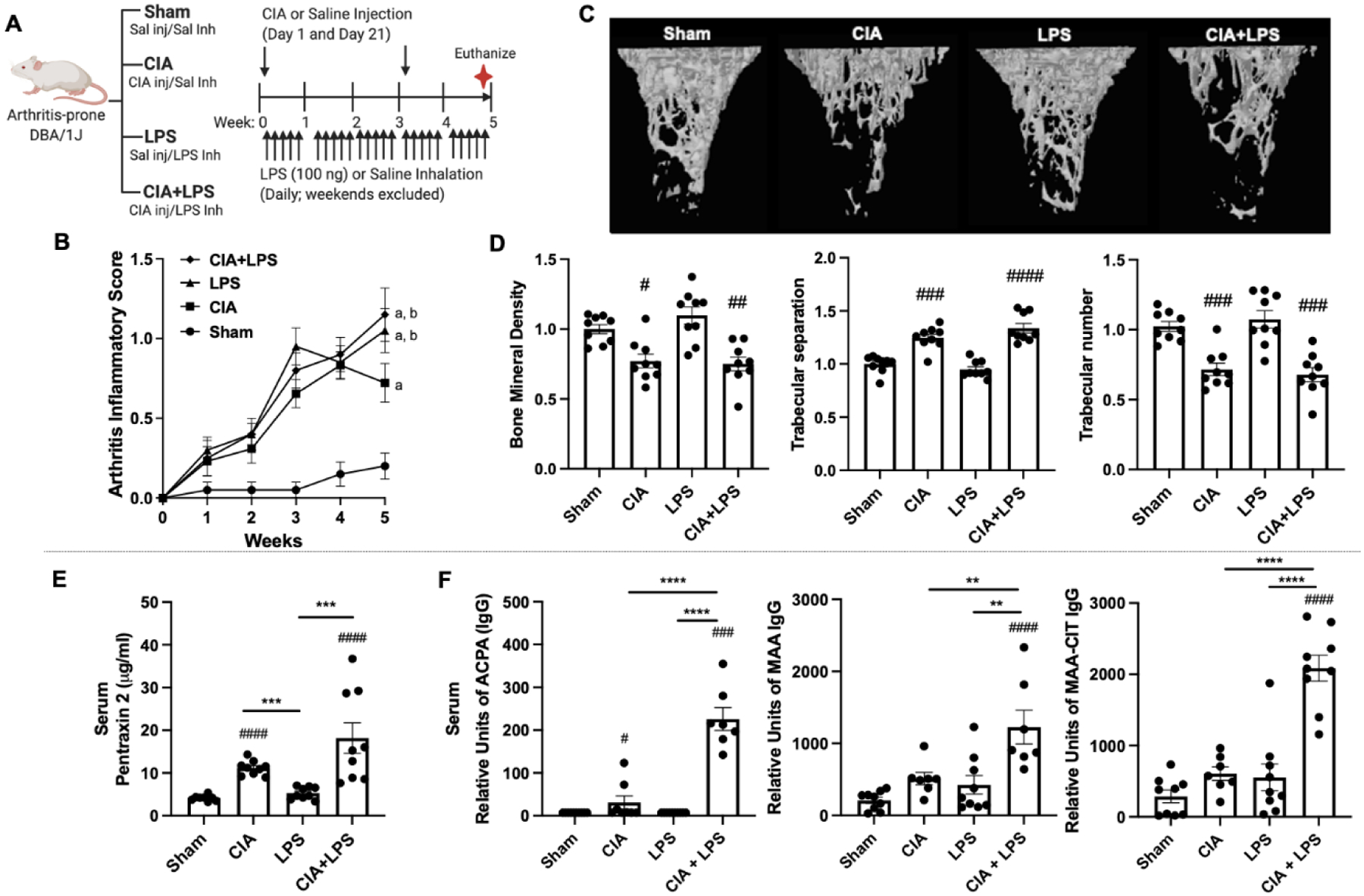
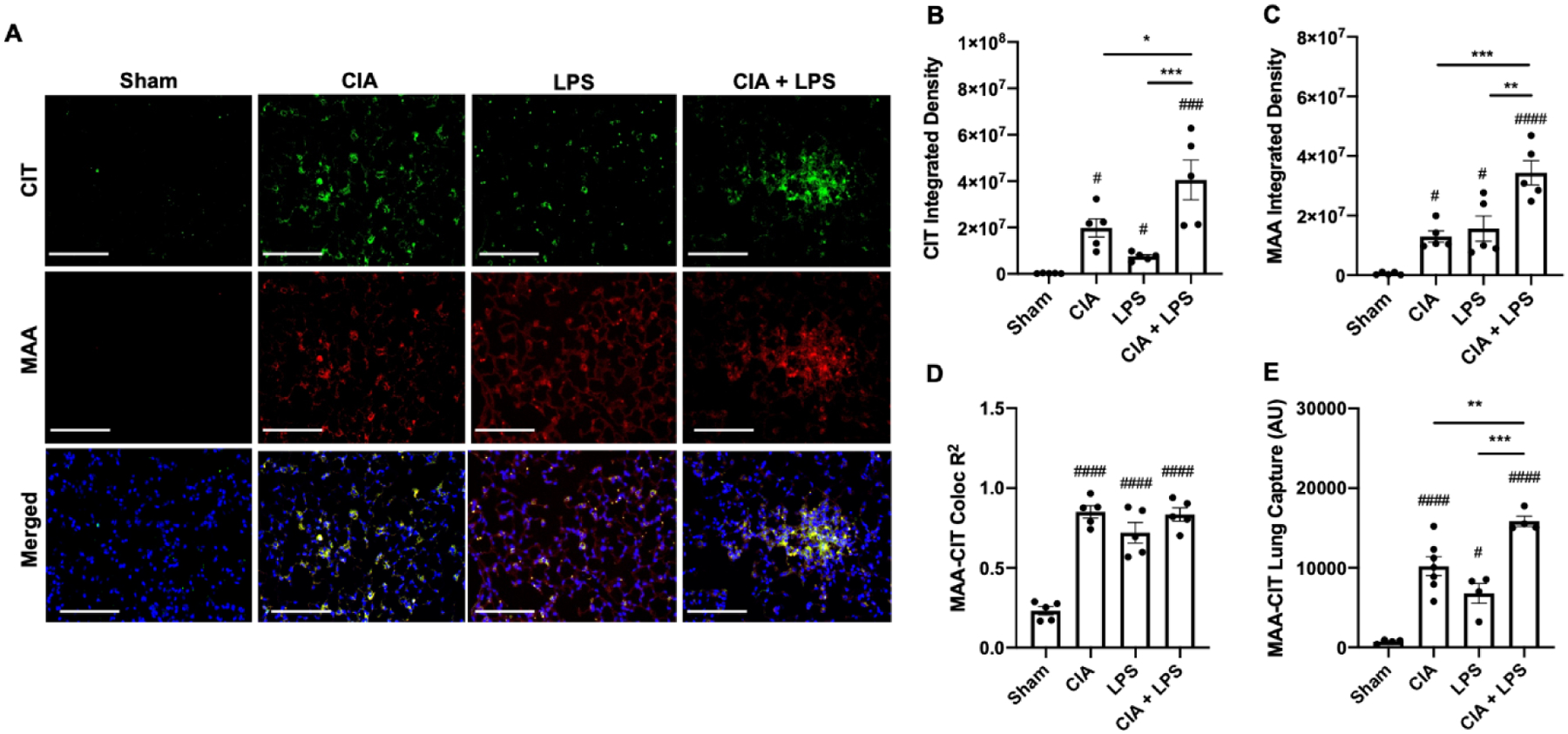
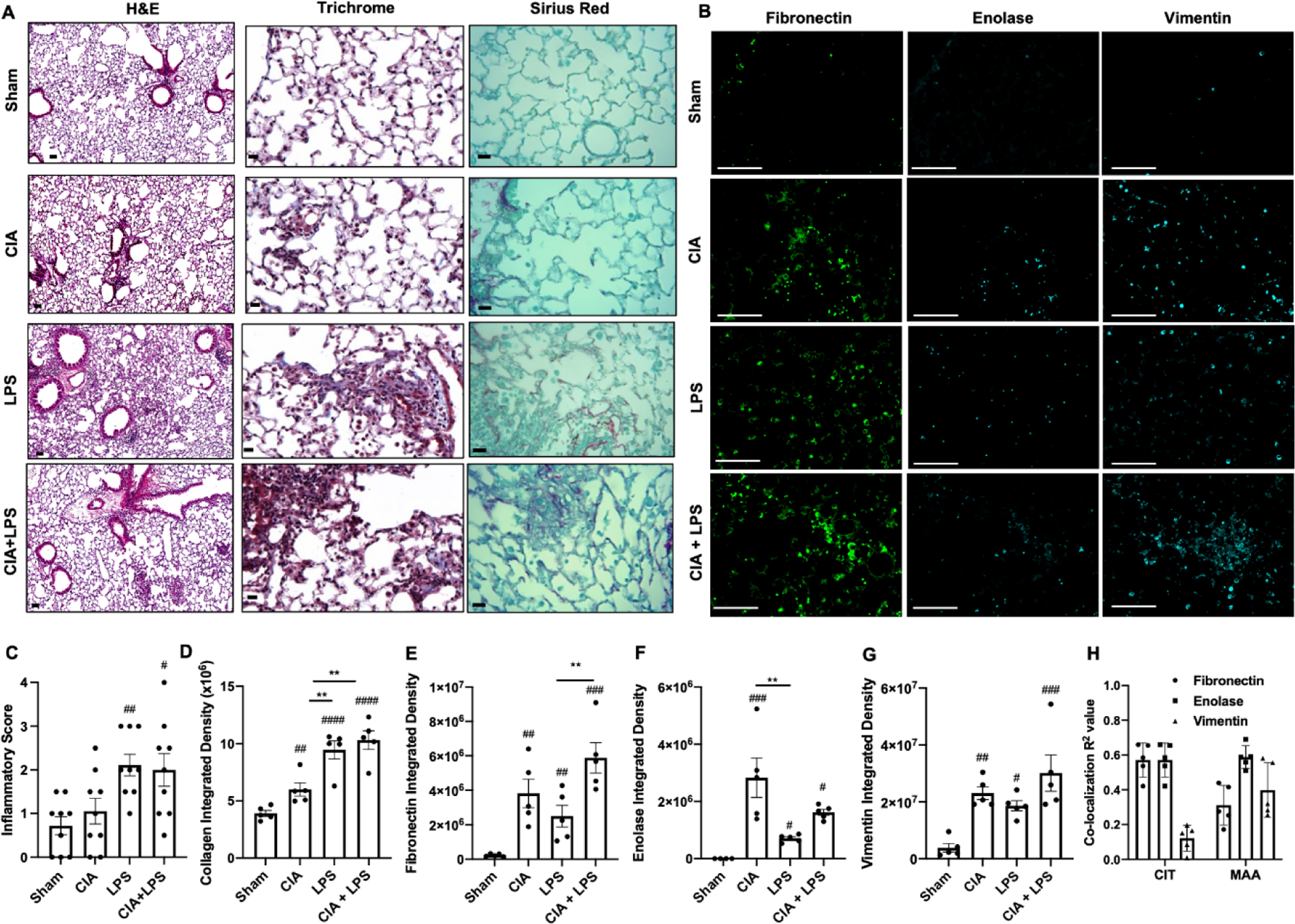
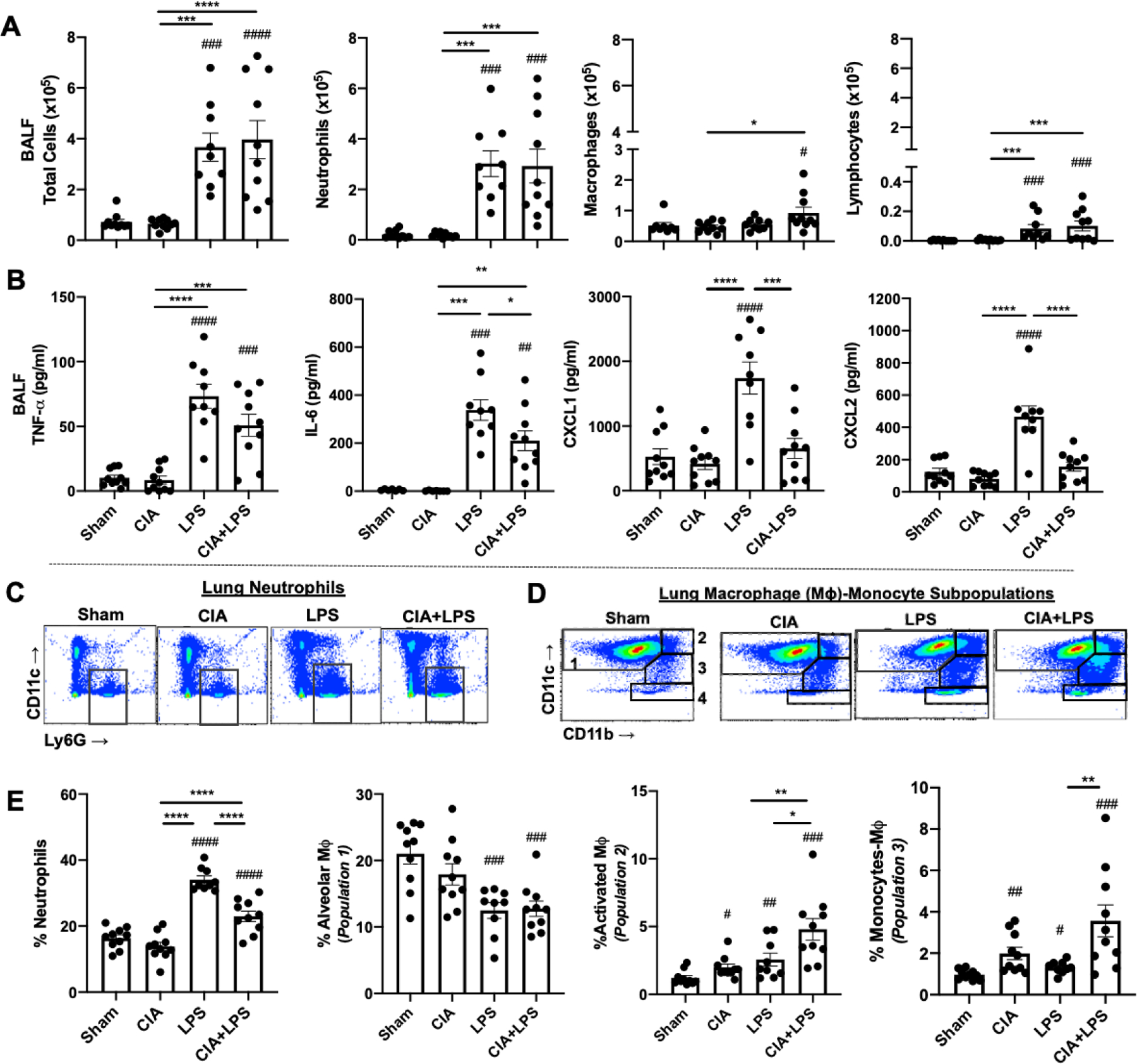
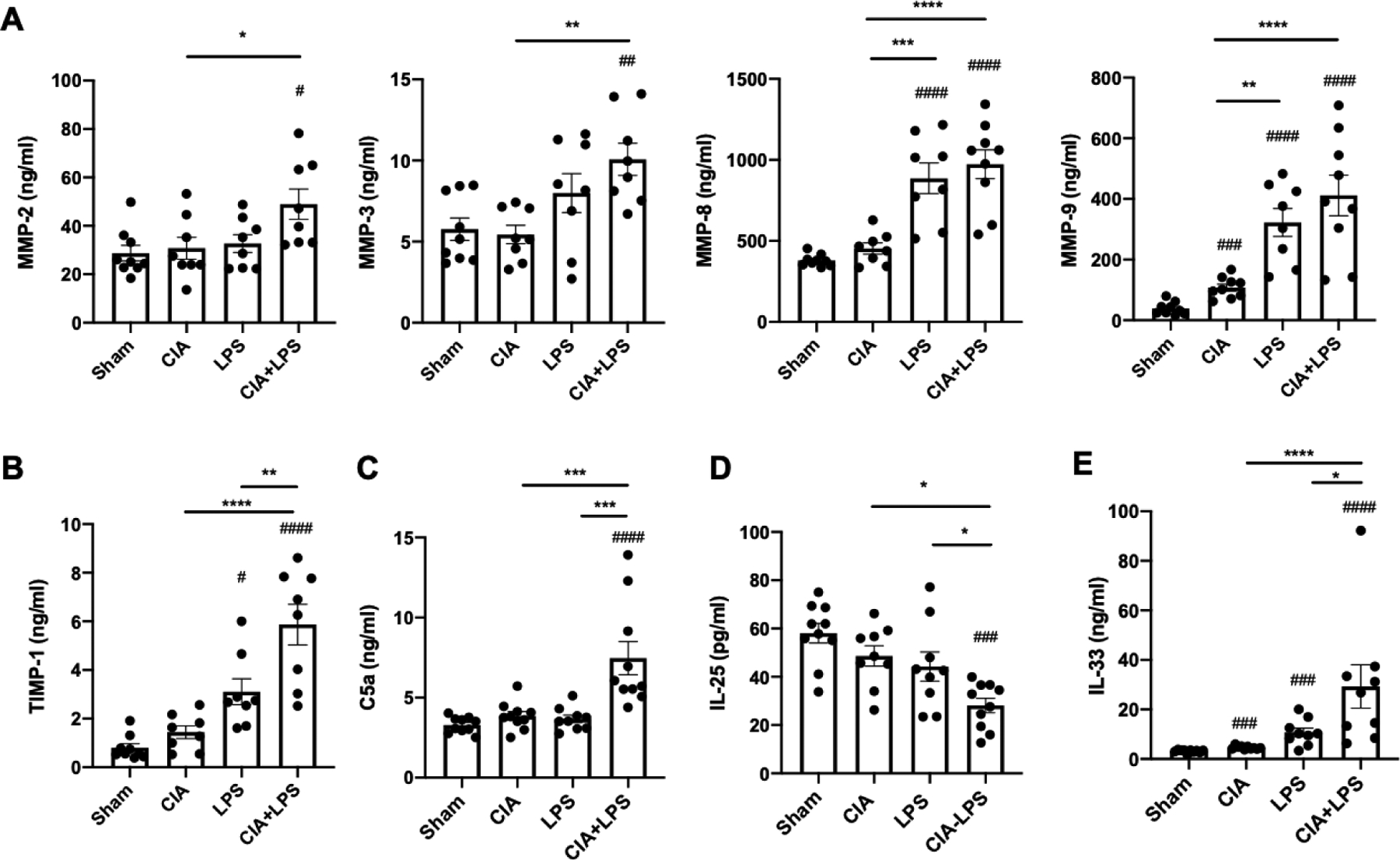
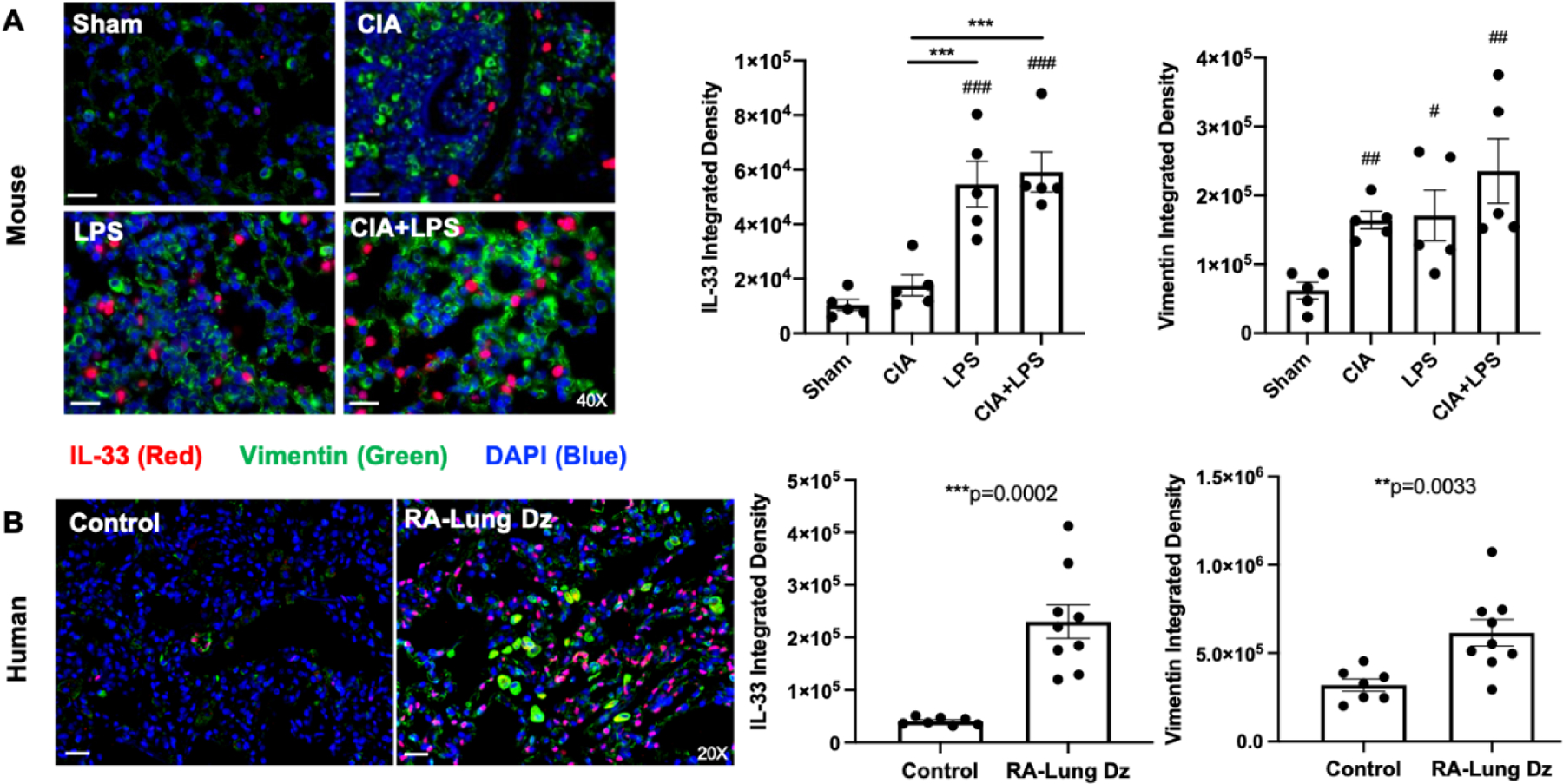
Description:Airborne biohazards are risk factors in the development and severity of rheumatoid arthritis (RA) and RA-associated lung disease, yet the mechanisms explaining this relationship remain unclear. Lipopolysaccharide (LPS, endotoxin) is a ubiquitous inflammatory agent in numerous environmental and occupational air pollutant settings recognized to induce airway inflammation. Combining repetitive LPS inhalation exposures with the collagen induced arthritis (CIA) model, DBA1/J mice were assigned to either: sham (saline injection/saline inhalation), CIA (CIA/saline), LPS (saline/LPS 100 ng inhalation), or CIA + LPS for 5 weeks. Serum anti-citrullinated (CIT) protein antibody (ACPA) and anti-malondialdehyde-acetaldehyde (MAA) antibodies were strikingly potentiated with co-exposure (CIA + LPS). CIT- and MAA-modified lung proteins were increased with co-exposure and co-localized across treatment groups. Inhaled LPS exacerbated arthritis with CIA + LPS > LPS > CIA versus sham. Periarticular bone loss was demonstrated in CIA and CIA + LPS but not in LPS alone. LPS induced airway inflammation and neutrophil infiltrates were reduced with co-exposure (CIA + LPS). Potentially signaling transition to pro-fibrotic processes, there were increased infiltrates of activated CD11c|CD11b| macrophages and transitioning CD11c|CD11b| monocyte-macrophage populations with CIA + LPS. Moreover, several lung remodeling proteins including fibronectin and matrix metalloproteinases as well as complement C5a were potentiated with CIA + LPS compared to other treatment groups. IL-33 concentrations in lung homogenates were enhanced with CIA + LPS with IL-33 lung staining driven by LPS. IL-33 expression was also significantly increased in lung tissues from patients with RA-associated lung disease (N = 8) versus controls (N = 7). These findings suggest that patients with RA may be more susceptible to developing interstitial lung disease following airborne biohazard exposures enriched in LPS.
-
Subjects:
-
Keywords:
-
Source:Int Immunopharmacol. 100:108069
-
Pubmed ID:34461491
-
Pubmed Central ID:PMC8551041
-
Document Type:
-
Funding:IK6 BX003781/BX/BLRD VAUnited States/ ; U54 GM115458/GM/NIGMS NIH HHSUnited States/ ; IK2 CX002203/CX/CSRD VAUnited States/ ; I01 CX001714/CX/CSRD VAUnited States/ ; R01 AG053553/AG/NIA NIH HHSUnited States/ ; R01 ES019325/ES/NIEHS NIH HHSUnited States/ ; IK6 BX004600/BX/BLRD VAUnited States/ ; P30 CA036727/CA/NCI NIH HHSUnited States/ ; U54 OH010162/OH/NIOSH CDC HHSUnited States/ ; R25 AA020818/AA/NIAAA NIH HHSUnited States/
-
Volume:100
-
Download URL:
-
File Type:
 [PDF - 2.06 MB]
 -
Collection(s):
-
Main Document Checksum:urn:sha-512:2587373f7912bc58aee4991ad4fbf56b8d9527c90ccd931382be6101886ac6a6cbcc73ec93e735571c4cf7f94c99ab89cc262e586f6146d71d065d3302445249
Supporting Files


File Language:
English
 Was this page helpful?
 Found an issue?


CDC STACKS serves as an archival repository of CDC-published products including
scientific findings, journal articles, guidelines, recommendations, or other public health information authored or
co-authored by CDC or funded partners.
As a repository, CDC STACKS retains documents in their original published format to ensure public access to scientific information.
As a repository, CDC STACKS retains documents in their original published format to ensure public access to scientific information.
You May Also Like
COLLECTION
CDC Public Access