



Classically activated mouse macrophages produce methylglyoxal that induces a TLR4- and RAGE-independent proinflammatory response
Supporting Files

-
July 17 2020 ; 3-2021
-
Available in CDC Stacks on March 01, 2022, 12:00 AM
File Language:
English
Details
-
Alternative Title:J Leukoc Biol
-
Personal Author:
-
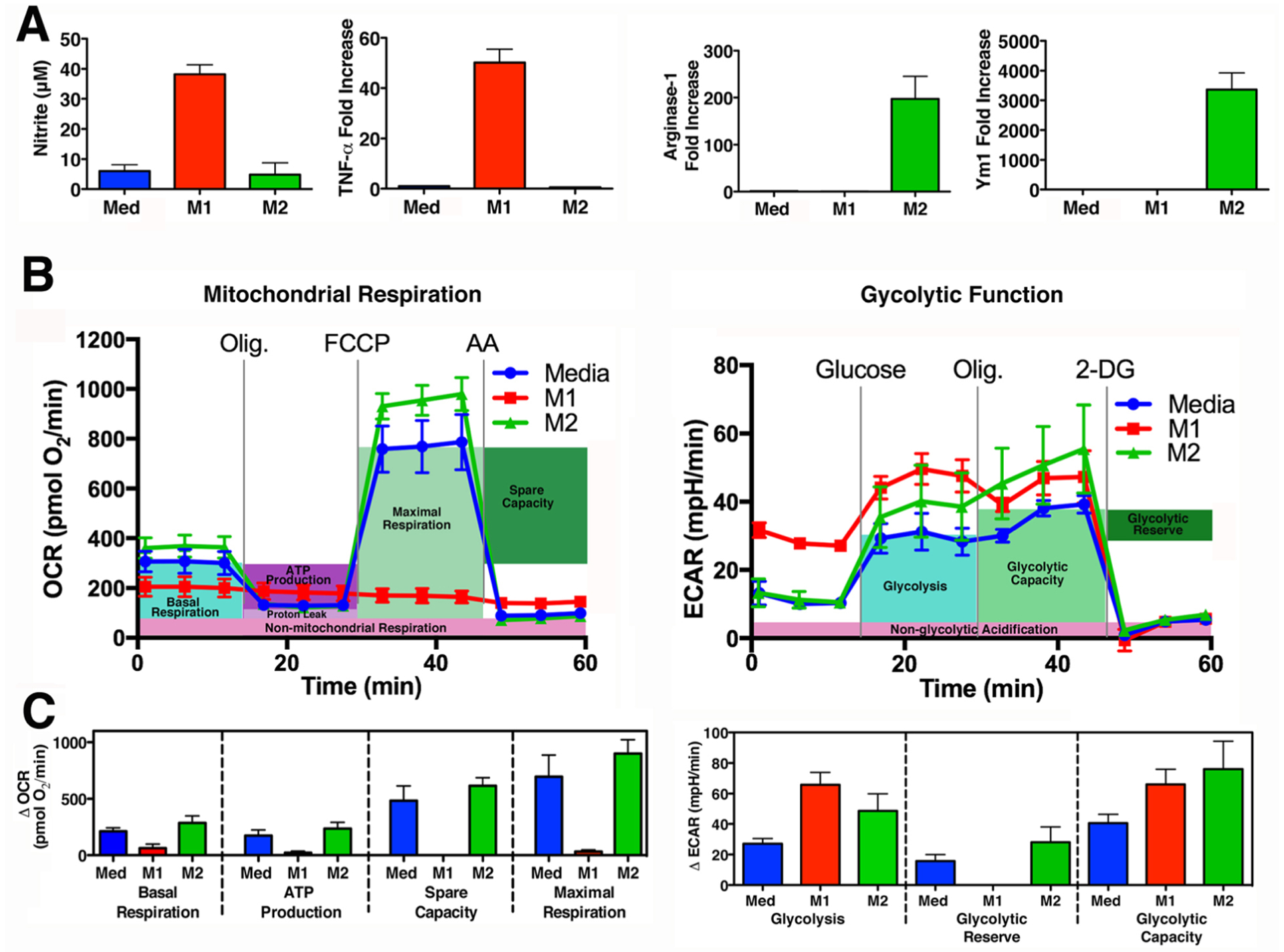
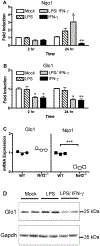
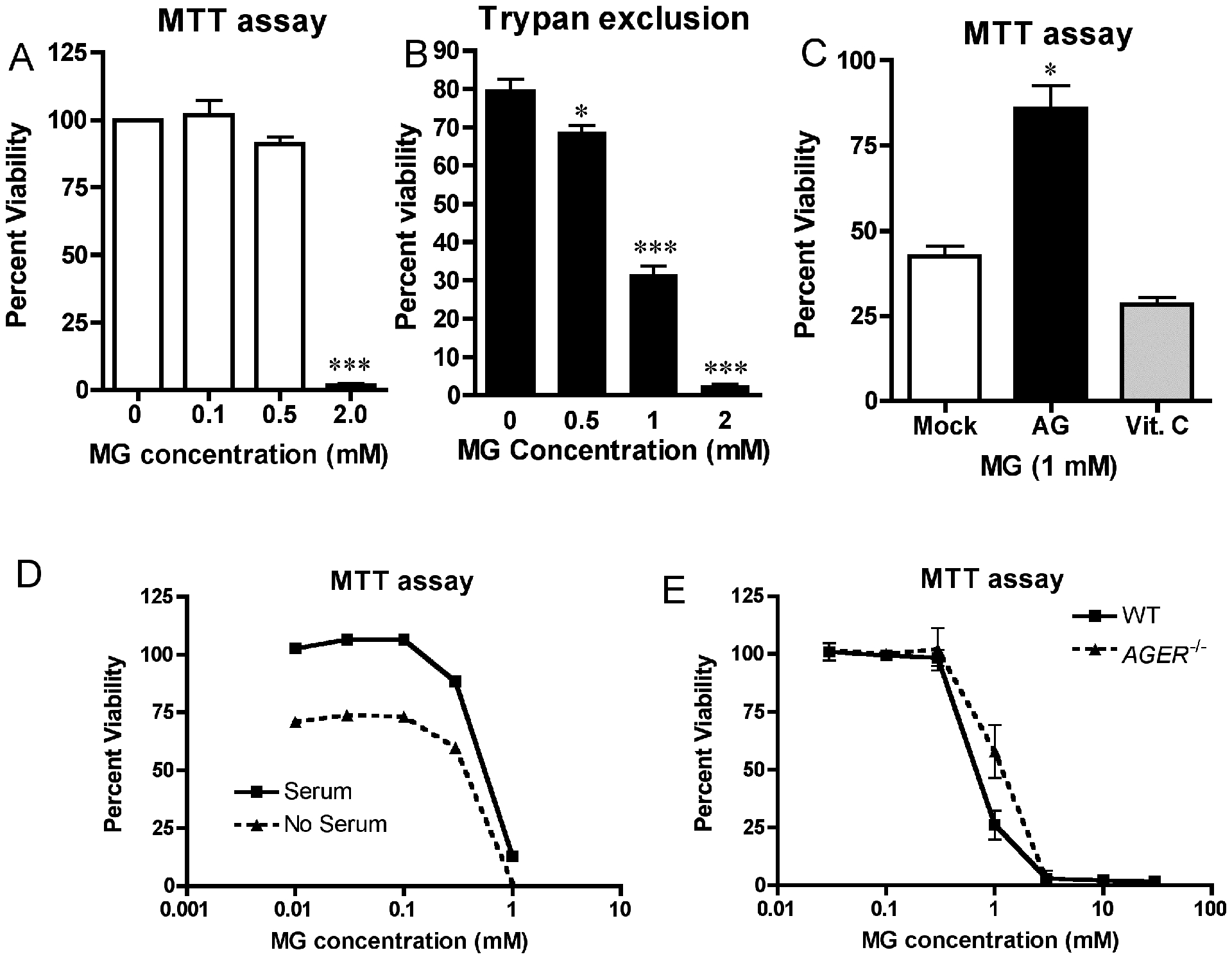
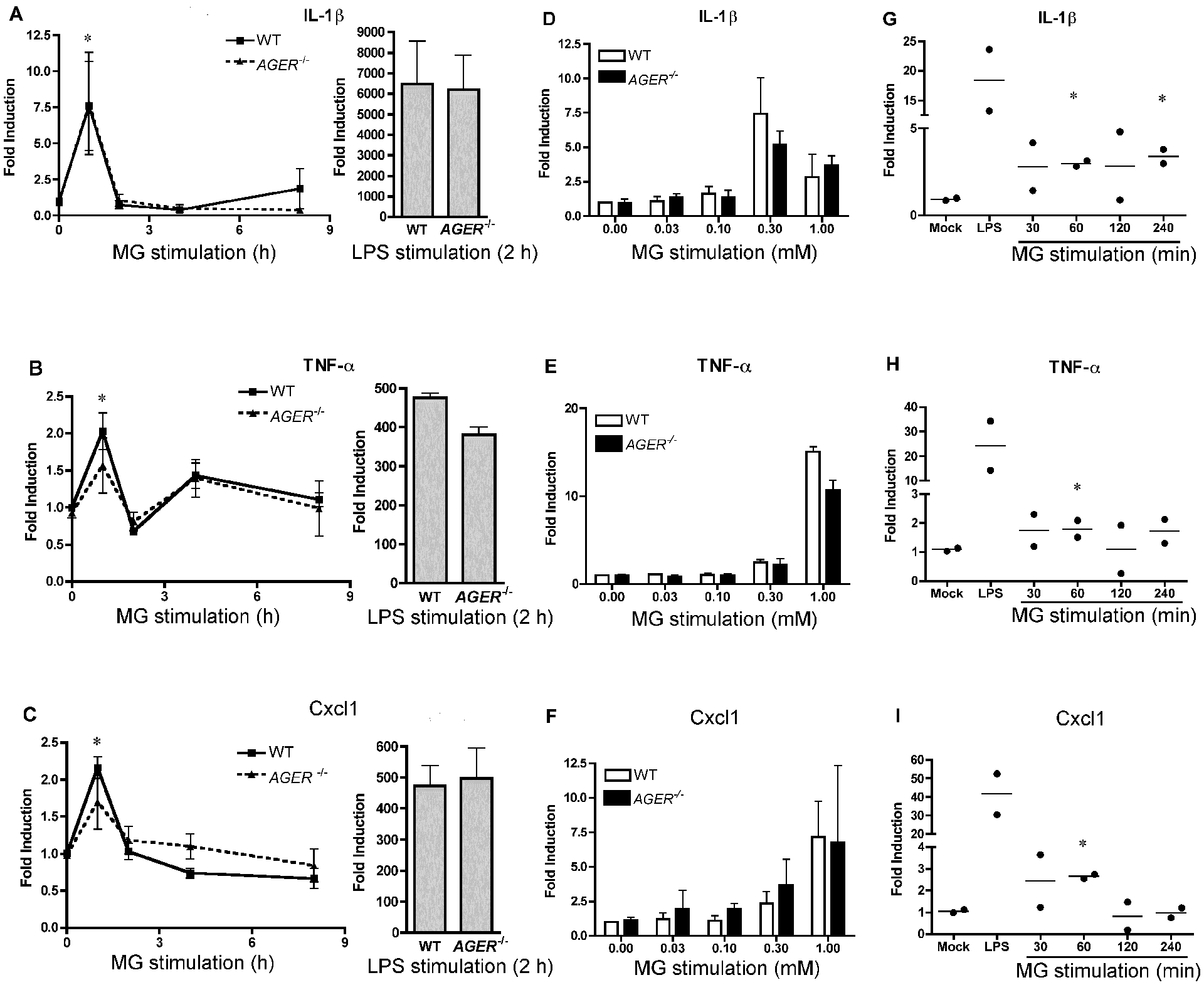
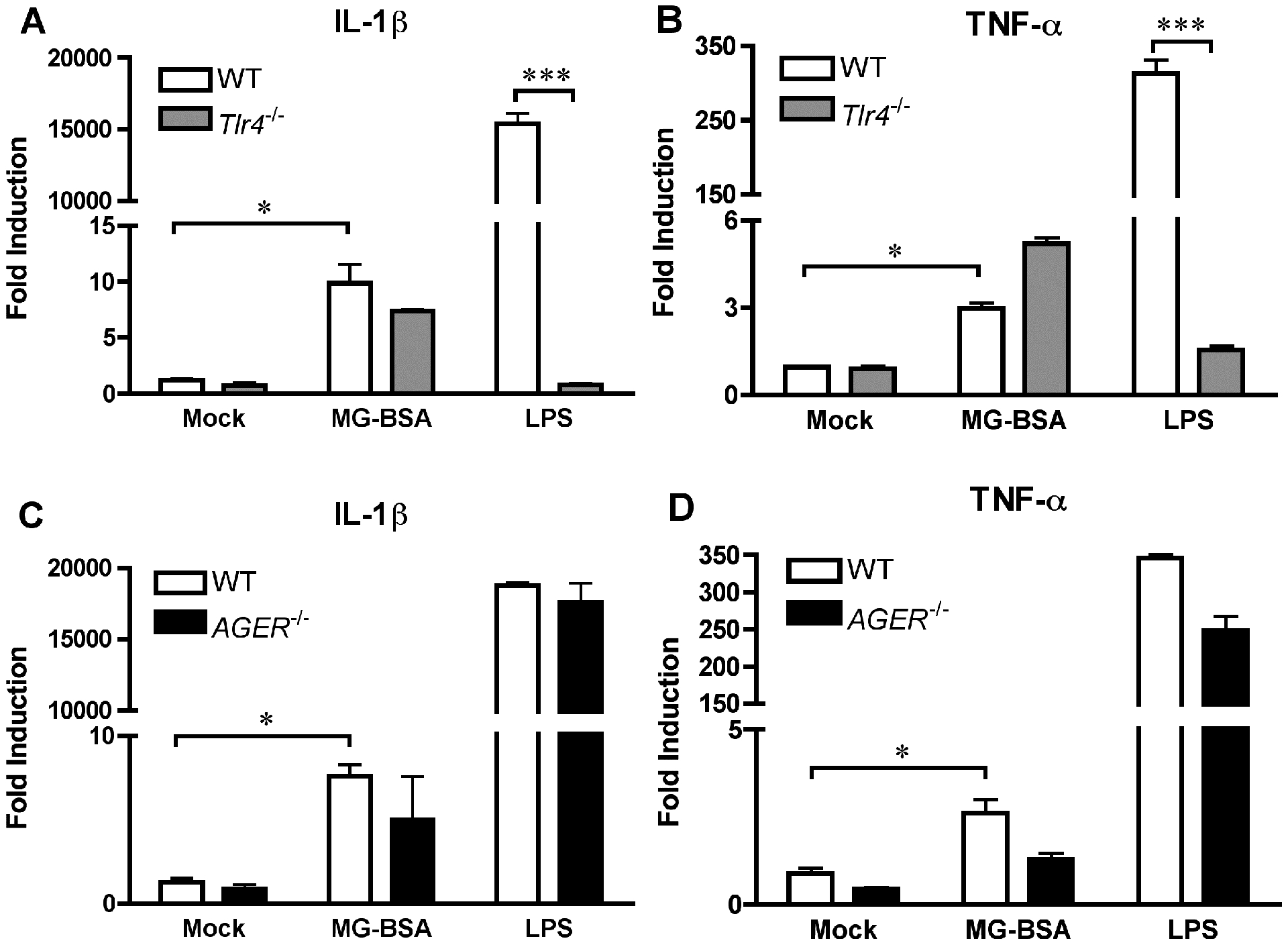
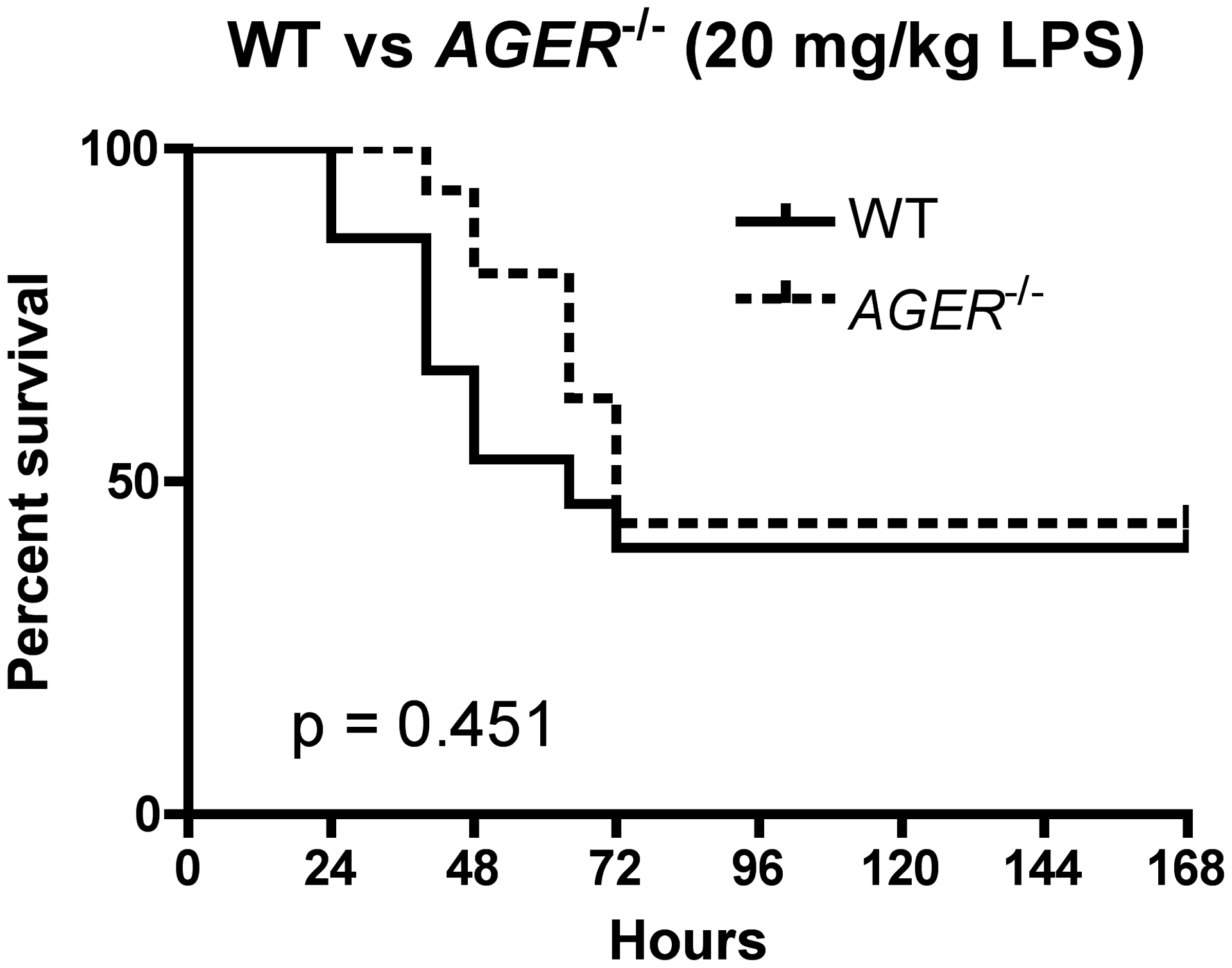
Description:The highly reactive compound methylglyoxal (MG) can cause direct damage to cells and tissues by reacting with cellular macromolecules. MG has been identified as a biomarker associated with increased sepsis-induced mortality. Patients undergoing septic shock have significantly elevated circulating MG levels compared to postoperative patients and healthy controls. Furthermore, MG has been implicated in the development of type II diabetes mellitus and Alzheimer's disease. Because MG is generated during glycolysis, we hypothesized that MG may be produced by classically activated (M1) macrophages, possibly contributing to the inflammatory response. LPS and IFN-γ-treated macrophages acquired an M1 phenotype (as evidenced by M1 markers and enhanced glycolysis) and formed MG adducts, MG-H1, MG-H2, and MG-H3, which were detected using antibodies specific for MG-modified proteins (methylglyoxal 5-hydro-5-methylimidazolones). MG adducts were also increased in the lungs of LPS-treated mice. Macrophages treated with LPS and IFN-γ also exhibited decreased expression of glyoxalase 1 (Glo1), an enzyme that metabolizes MG. Concentrations of exogenous, purified MG > 0.5 mM were toxic to macrophages; however, a nontoxic dose of 0.3 mM induced TNF-α and IL-1β, albeit to a lesser extent than LPS stimulation. Despite prior evidence that MG adducts may signal through "receptor for advanced glycation endproducts" (RAGE), MG-mediated cell death and cytokine induction by exogenous MG was RAGE-independent in primary macrophages. Finally, RAGE-deficient mice did not exhibit a significant survival advantage following lethal LPS injection. Overall, our evidence suggests that MG may be produced by M1 macrophages during sepsis, following IFN-γ-dependent down-regulation of Glo1, contributing to over-exuberant inflammation.
-
Subjects:
-
Source:J Leukoc Biol. 109(3):605-619
-
Pubmed ID:32678947
-
Pubmed Central ID:PMC7855181
-
Document Type:
-
Funding:
-
Volume:109
-
Issue:3
-
Download URL:
-
File Type:
 [PDF - 1.49 MB]
 -
Collection(s):
-
Main Document Checksum:urn:sha256:a5972e81ddd6af538313a6d71efc17753e93e291640ed728fc8468470134ed47
Supporting Files


File Language:
English
 Was this page helpful?
 Found an issue?







CDC STACKS serves as an archival repository of CDC-published products including
scientific findings, journal articles, guidelines, recommendations, or other public health information authored or
co-authored by CDC or funded partners.
As a repository, CDC STACKS retains documents in their original published format to ensure public access to scientific information.
As a repository, CDC STACKS retains documents in their original published format to ensure public access to scientific information.
You May Also Like
COLLECTION
CDC Public Access