



Surface area- and mass-based comparison of fine and ultrafine nickel oxide lung toxicity and augmentation of allergic response in an ovalbumin asthma model
Supporting Files

-
November 11 2019
-
Available in CDC Stacks on December 18, 2020, 12:00 AM
File Language:
English
Details
-
Alternative Title:Inhal Toxicol
-
Personal Author:
-
Description:Background:
The correlation of physico-chemical properties with mechanisms of toxicity has been proposed as an approach to predict the toxic potential of the vast number of emerging nanomaterials. Although relationships have been established between properties and the acute pulmonary inflammation induced by nanomaterials, properties’ effects on other responses, such as exacerbation of respiratory allergy, have been less frequently explored.
Methods:
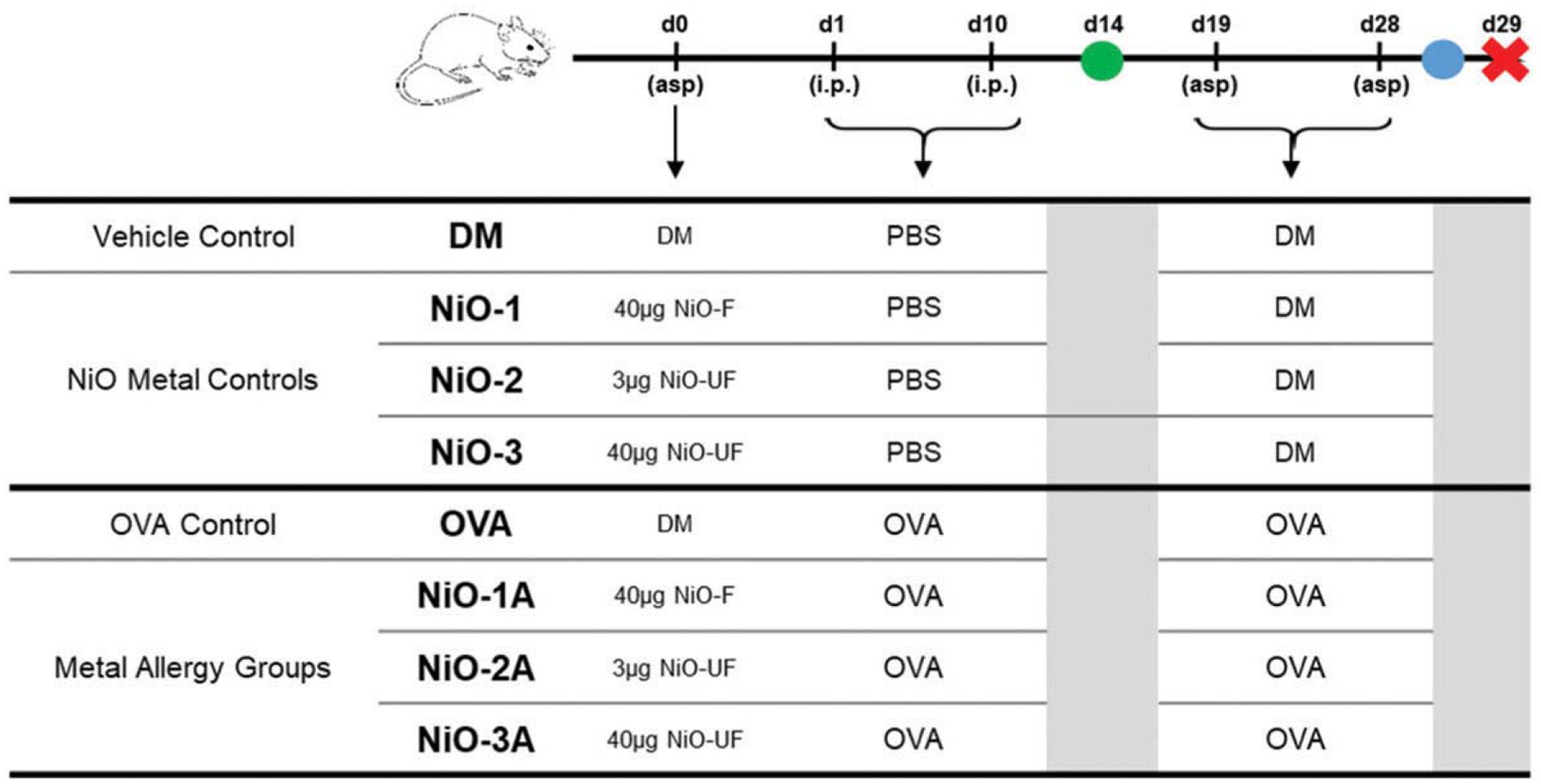
In this study, the role of nickel oxide (NiO) physico-chemical properties in the modulation of ovalbumin (OVA) allergy was examined in a murine model.
Results:
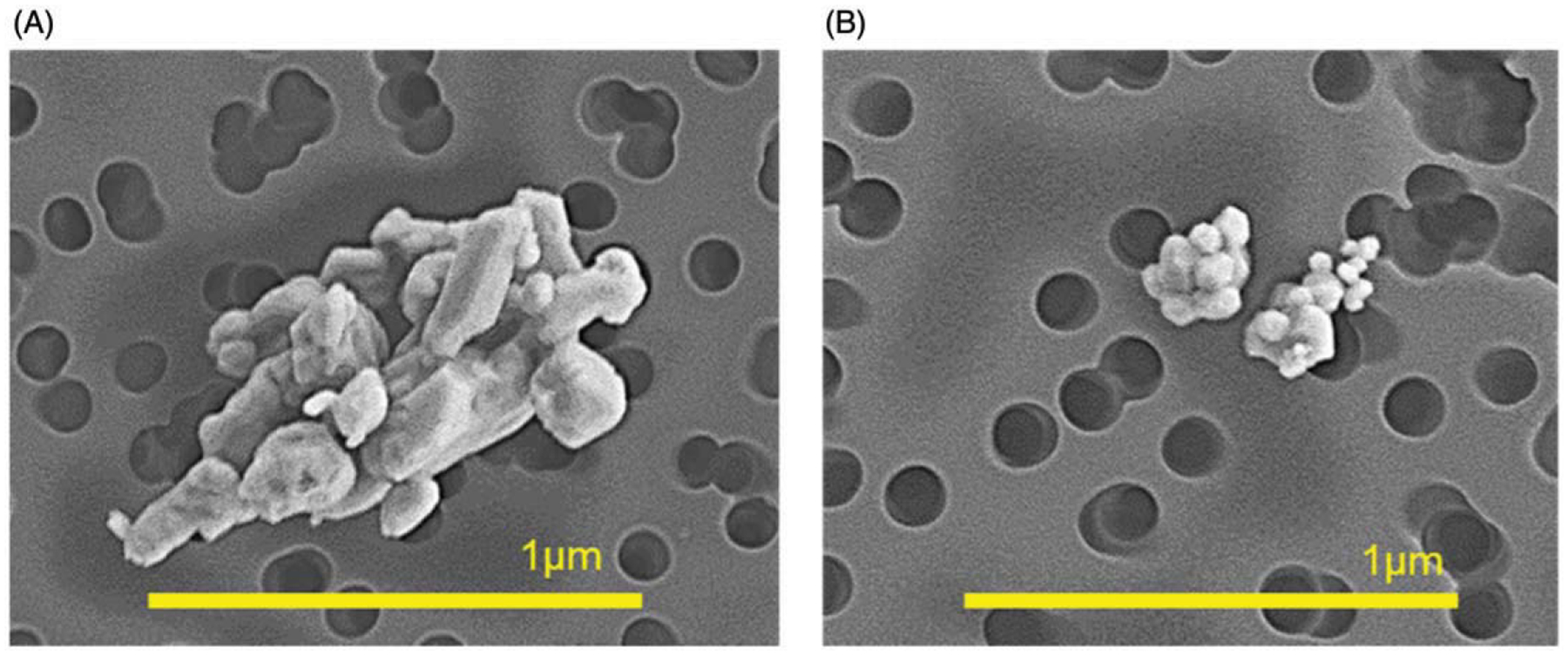
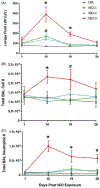
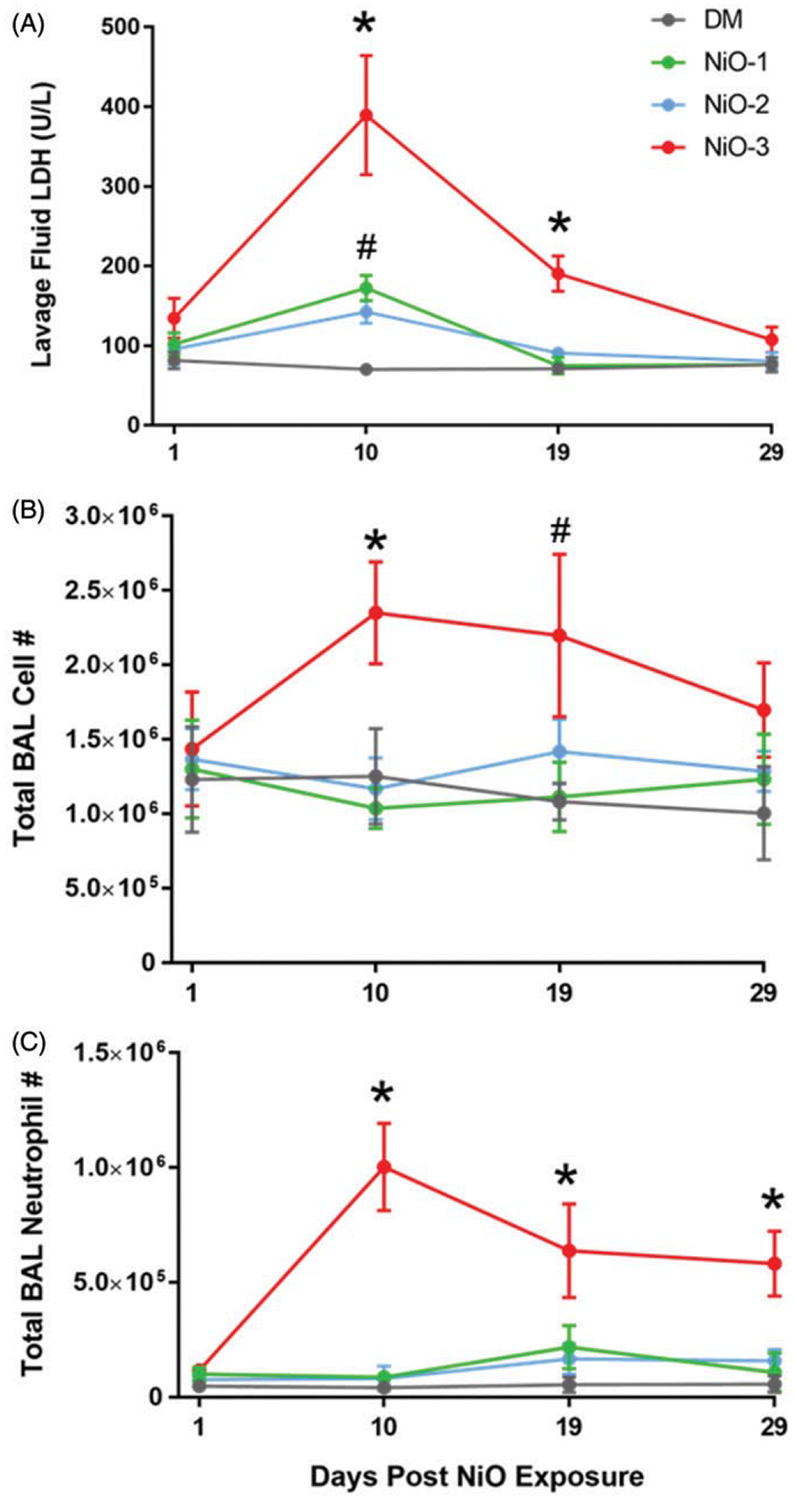
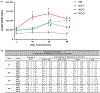
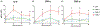
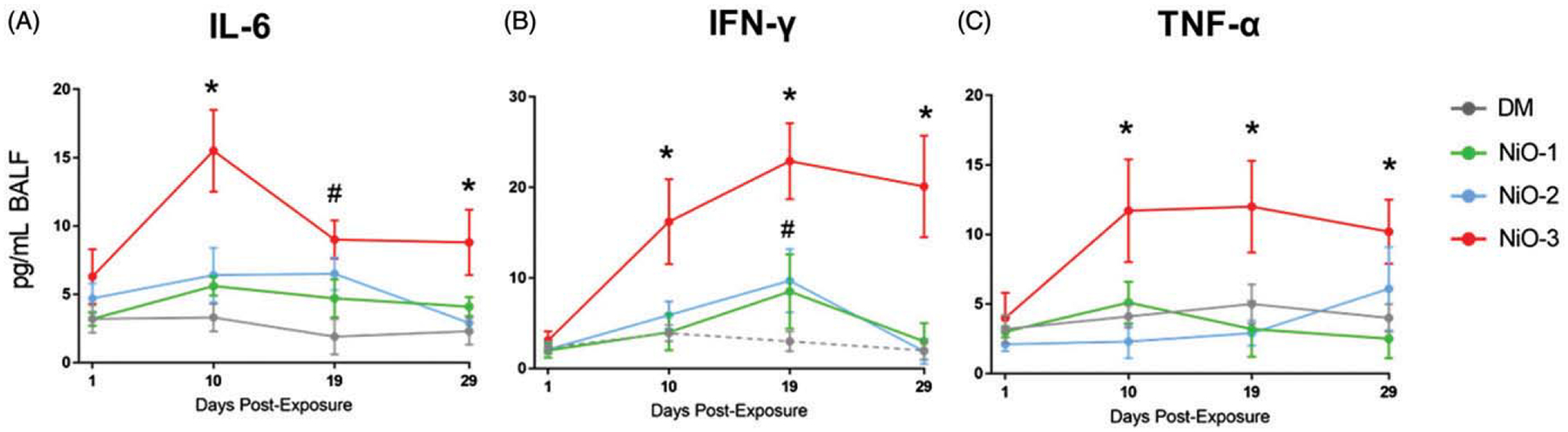
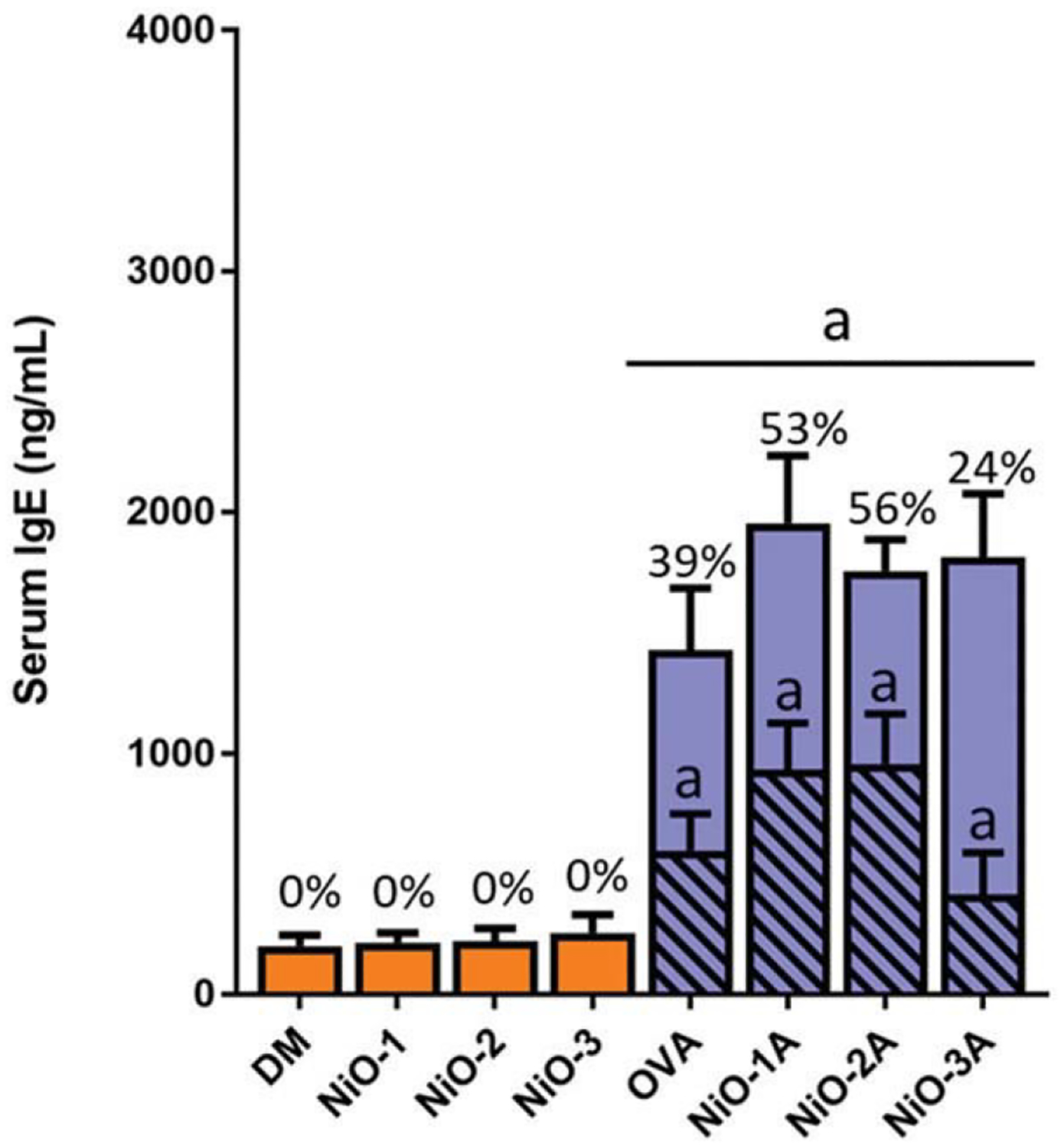
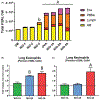
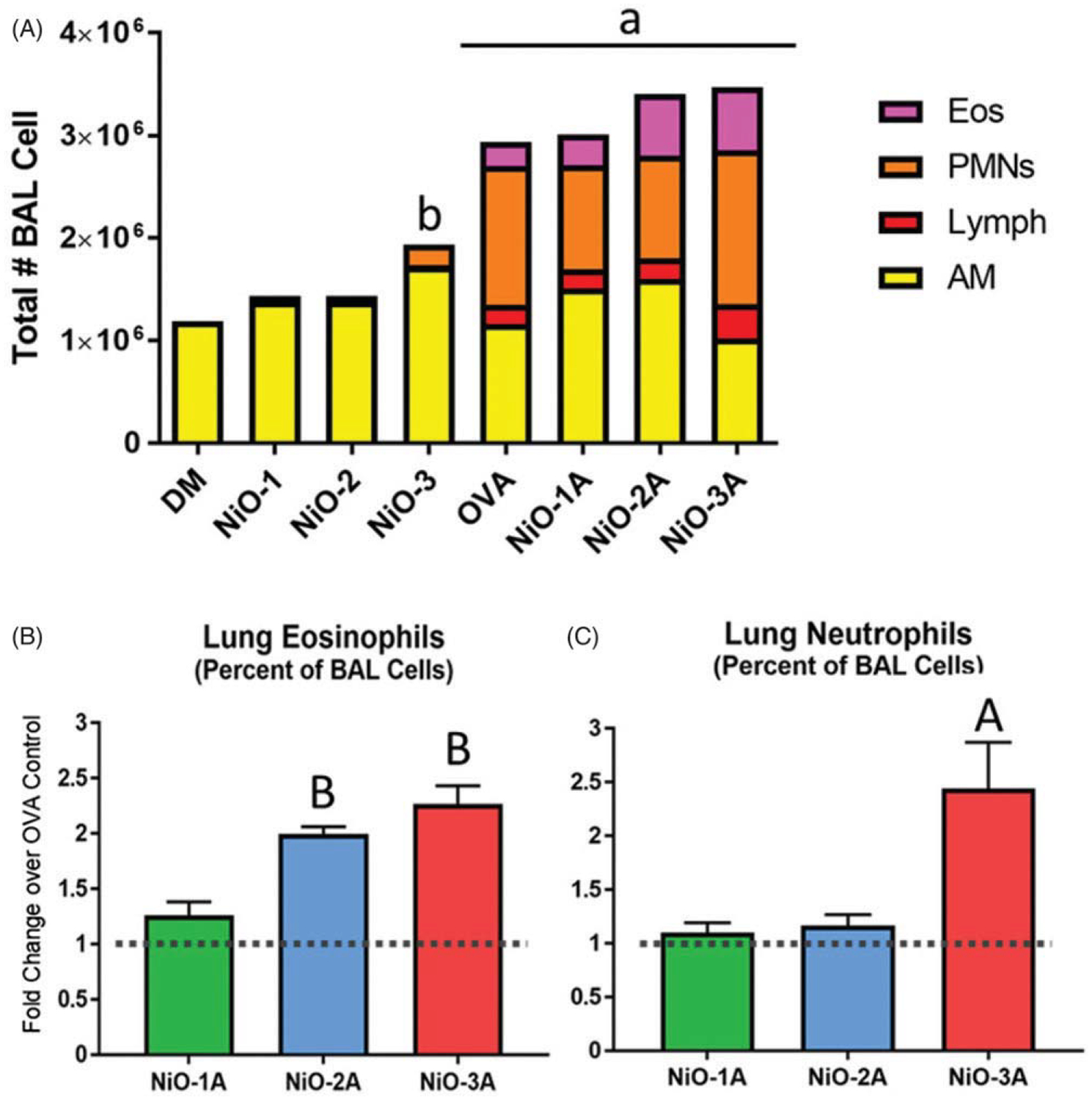
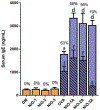
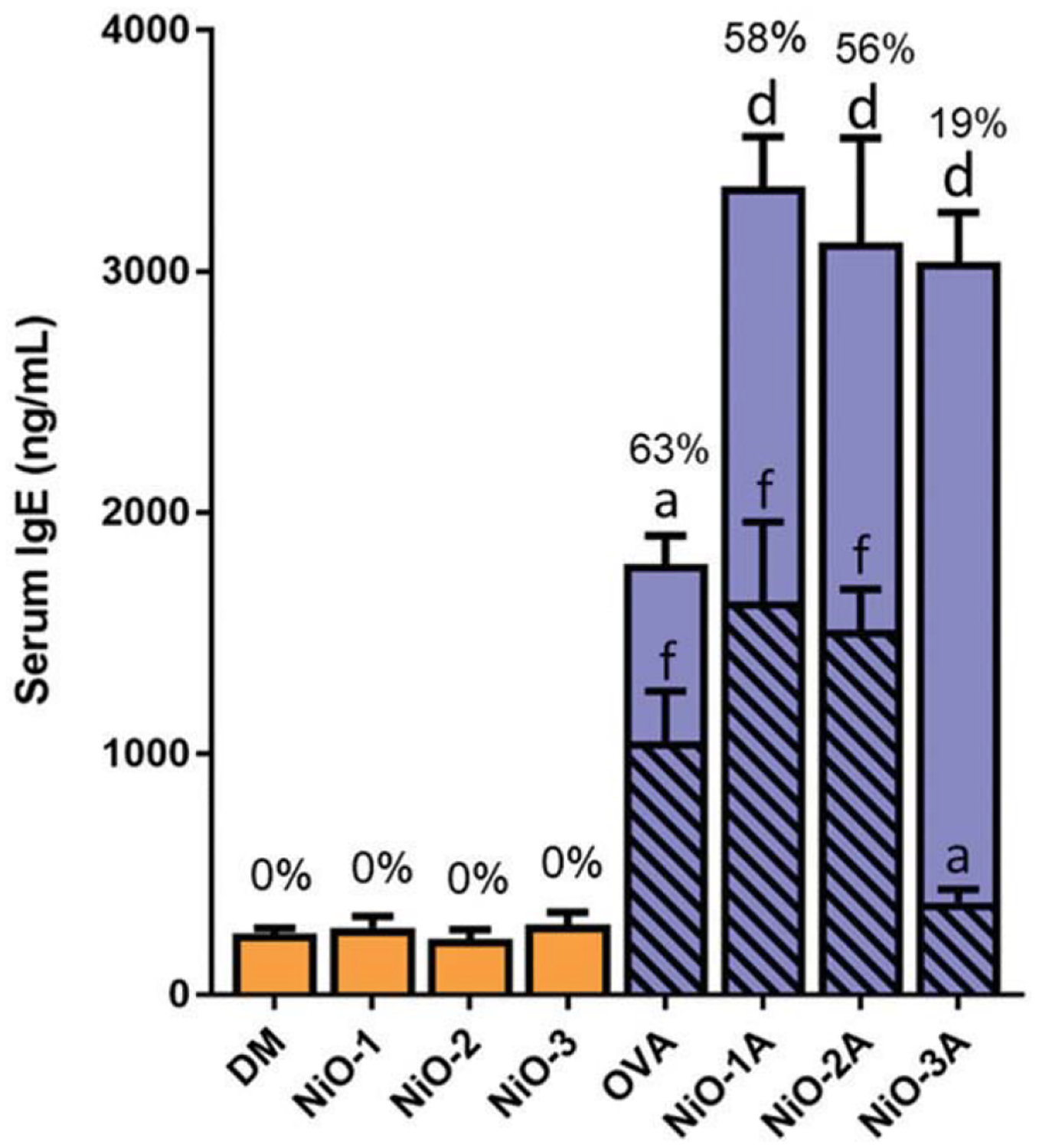
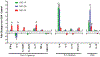
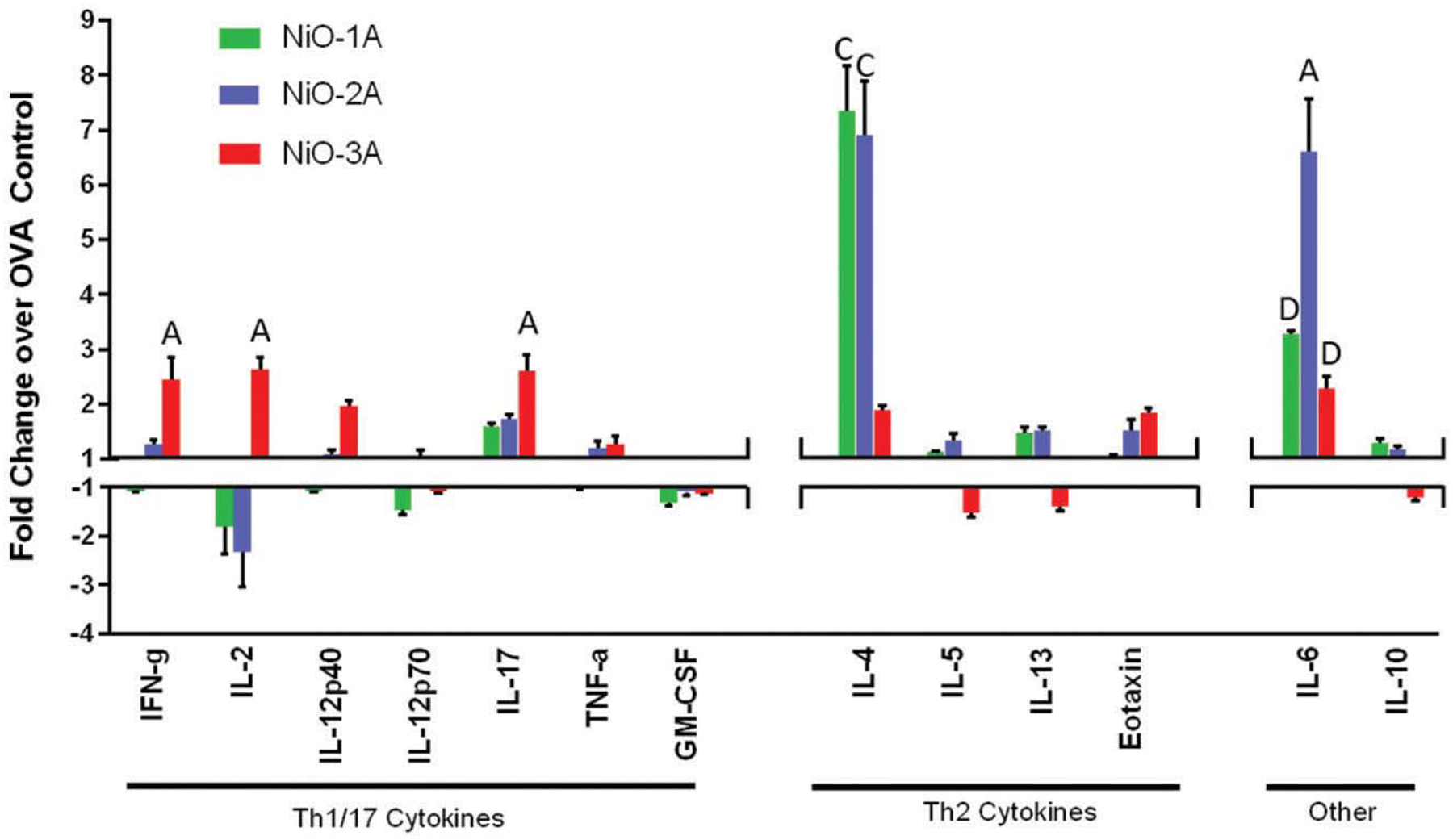
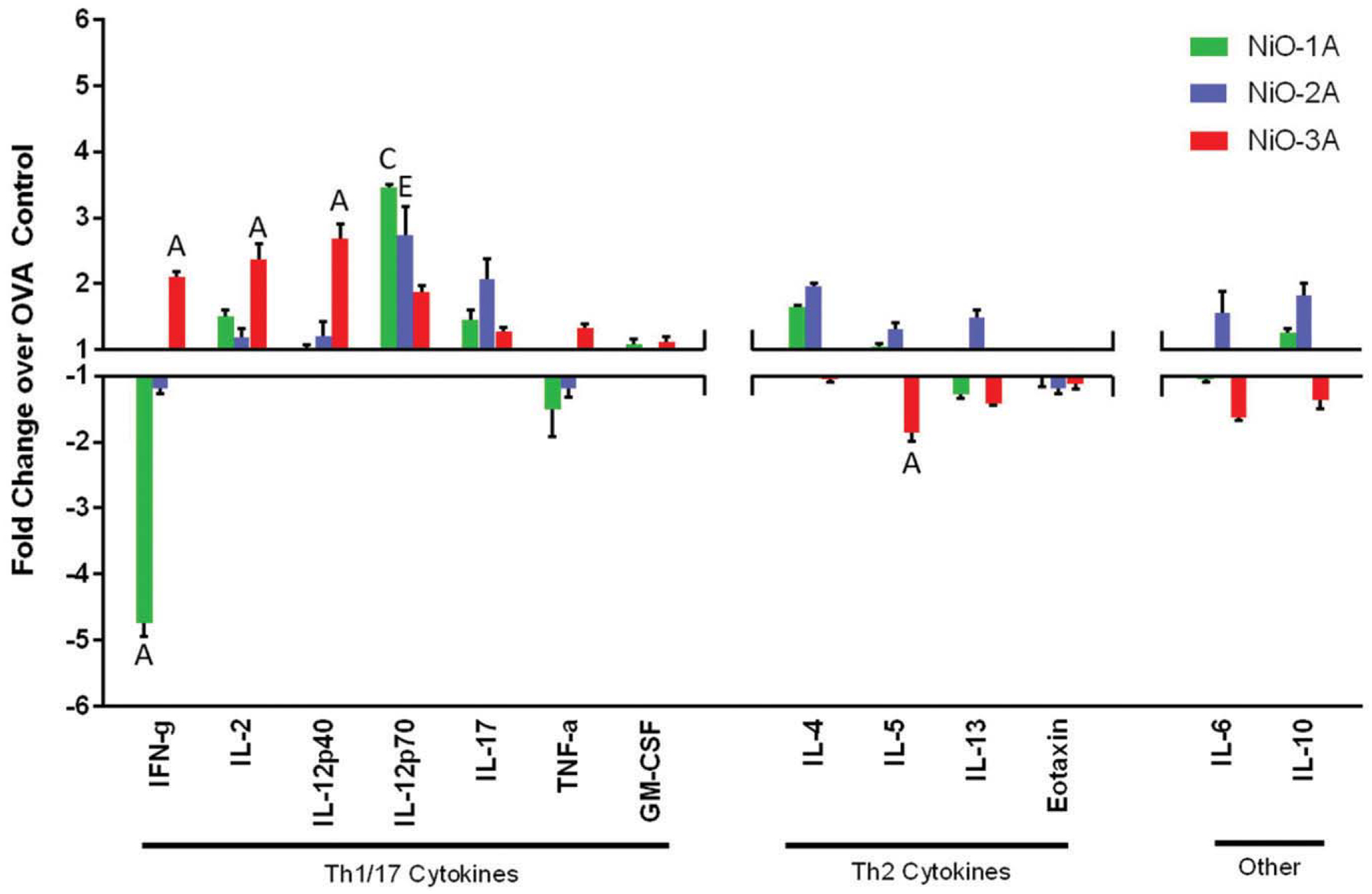
181 nm fine (NiO-F) and 42 nm ultrafine (NiO-UF) particles were characterized and incorporated into a time course study where measured markers of pulmonary injury and inflammation were associated with NiO particle surface area. In the OVA model, exposure to NiO, irrespective of any metric was associated with elevated circulating total IgE levels. Serum and lung cytokine levels were similar with respect to NiO surface area. The lower surface area was associated with an enhanced Th2 profile, whereas the higher surface area was associated with a Th1-dominant profile. Surface area-normalized groups also exhibited similar alterations in OVA-specific IgE levels and lung neutrophil number. However, lung eosinophil number and allergen challenge-induced alterations in lung function related more to particle size, wherein NiO-F was associated with an increased enhanced pause response and NiO-UF was associated with increased lung eosinophil burden.
Conclusions:
Collectively, these findings suggest that although NiO surface area correlates best with acute pulmonary injury and inflammation following respiratory exposure, other physico-chemical properties may contribute to the modulation of immune responses in the lung. -
Subjects:
-
Source:Inhal Toxicol. 31(8):299-324
-
Pubmed ID:31707870
-
Pubmed Central ID:PMC7748386
-
Document Type:
-
Funding:
-
Volume:31
-
Issue:8
-
Download URL:
-
File Type:
 [PDF - 3.00 MB]
 -
Collection(s):
-
Main Document Checksum:urn:sha256:9fa6898b339a675dc921e94a3c8a62a1c04e95b4dddb256585013cd8fae10598
Supporting Files


File Language:
English
 Was this page helpful?
 Found an issue?











CDC STACKS serves as an archival repository of CDC-published products including
scientific findings, journal articles, guidelines, recommendations, or other public health information authored or
co-authored by CDC or funded partners.
As a repository, CDC STACKS retains documents in their original published format to ensure public access to scientific information.
As a repository, CDC STACKS retains documents in their original published format to ensure public access to scientific information.
You May Also Like
COLLECTION
CDC Public Access