


The burden and epidemiology of hepatitis B and hepatitis D in Georgia: findings from the national seroprevalence survey
Supporting Files

-
8 2020
-
File Language:
English
Details
-
Alternative Title:Public Health
-
Personal Author:
-
Description:Objectives
The burden of hepatitis B virus (HBV) and hepatitis D virus (HDV) infections is unknown in Georgia. This analysis describes the prevalence of hepatitis B and coinfection with HDV and the demographic characteristics and risk factors for persons with HBV infection in Georgia.
Study Design
A cross-sectional seroprevalence study.
Methods
A cross-sectional, nationwide survey to assess hepatitis B prevalence among the general adult Georgian population (age ≥18 years) was conducted in 2015. Demographic and risk behavior data were collected. Blood specimens were screened for antiehepatitis B core total antibody (anti-HBc). Anti-HBc-positive specimens were tested for hepatitis B surface antigen (HBsAg). HBsAg-positive specimens were tested for HBV and HDV nucleic acid. Nationally weighted prevalence estimates and adjusted odds ratios (aORs) for potential risk factors were determined for anti-HBc and HBsAg positivity.
Results
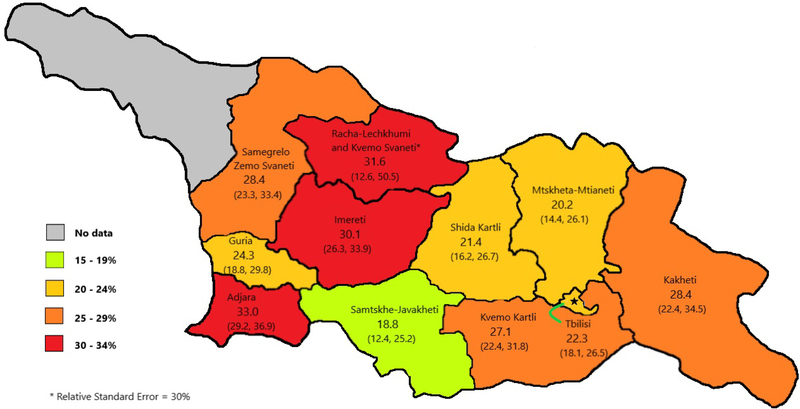
The national prevalence of anti-HBc and HBsAg positivity among adults were 25.9% and 2.9%, respectively. Persons aged ≥70 years had the highest anti-HBc positivity (32.7%), but the lowest HBsAg positivity prevalence (1.3%). Anti-HBc positivity was associated with injection drug use (aOR = 2.34; 95% confidence interval [CI] = 1.46–3.74), receipt of a blood transfusion (aOR = 1.68; 95% CI = 1.32–2.15), and sex with a commercial sex worker (aOR = 1.46; 95% CI = 1.06–2.01). HBsAg positivity was associated with receipt of a blood transfusion (aOR = 2.72; 95% CI = 1.54–4.80) and past incarceration (aOR = 2.72; 95% CI = 1.25–5.93). Among HBsAg-positive persons, 0.9% (95% CI = 0.0–2.0) were HDV coinfected.
Conclusions
Georgia has an intermediate to high burden of hepatitis B, and the prevalence of HDV coinfection among HBV-infected persons is low. Existing infrastructure for hepatitis C elimination could be leveraged to promote hepatitis B elimination.
-
Subjects:
-
Source:Public Health. 185:341-347
-
Pubmed ID:32738575
-
Pubmed Central ID:PMC7467099
-
Document Type:
-
Funding:
-
Volume:185
-
Collection(s):
-
Main Document Checksum:urn:sha256:e1d1ece31590dad6dc92322ad55422e661879303a2c4413771219fc079b17d63
-
Download URL:
-
File Type:
 [PDF
- 292.77 KB
]
[PDF
- 292.77 KB
]
Supporting Files


File Language:
English
ON THIS PAGE

CDC STACKS serves as an archival repository of CDC-published products including
scientific findings,
journal articles, guidelines, recommendations, or other public health information authored or
co-authored by CDC or funded partners.
As a repository, CDC STACKS retains documents in their original published format to ensure public access to scientific information.
As a repository, CDC STACKS retains documents in their original published format to ensure public access to scientific information.
You May Also Like
COLLECTION
CDC Public Access