



Massively multiplexed nucleic acid detection with Cas13
Supporting Files

-
April 29 2020
-
File Language:
English
 [PDF
- 25.14 MB
]
[PDF
- 25.14 MB
]
Details
-
Alternative Title:Nature
-
Personal Author:Ackerman, Cheri M. ; Myhrvold, Cameron ; Thakku, Sri Gowtham ; Freije, Catherine A. ; Metsky, Hayden C. ; Yang, David K. ; Ye, Simon H. ; Boehm, Chloe K. ; Kosoko-Thoroddsen, Tinna-Sólveig F. ; Kehe, Jared ; Nguyen, Tien G. ; Carter, Amber ; Kulesa, Anthony ; Barnes, John R. ; Dugan, Vivien G. ; Hung, Deborah T. ; Blainey, Paul C. ; Sabeti, Pardis C.
-
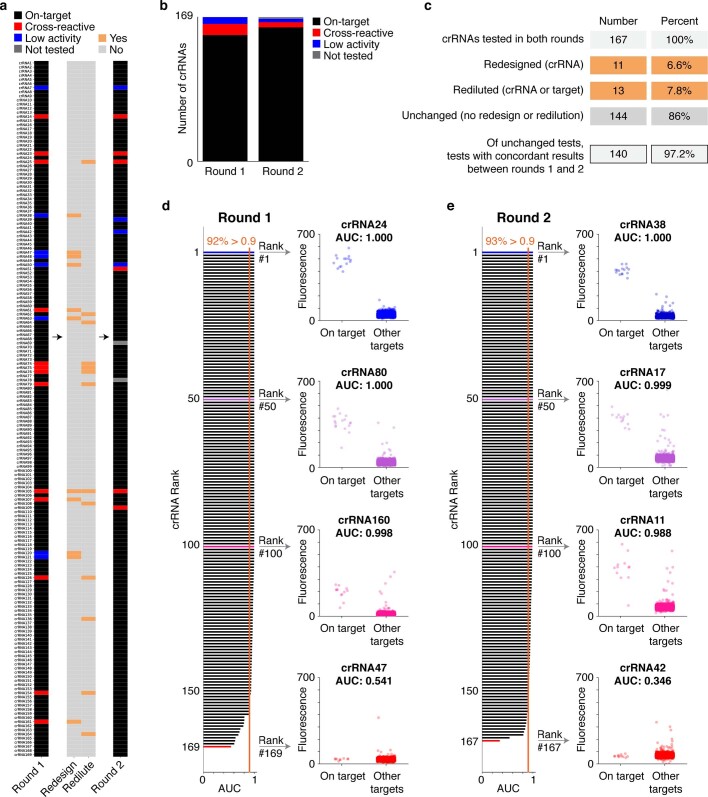
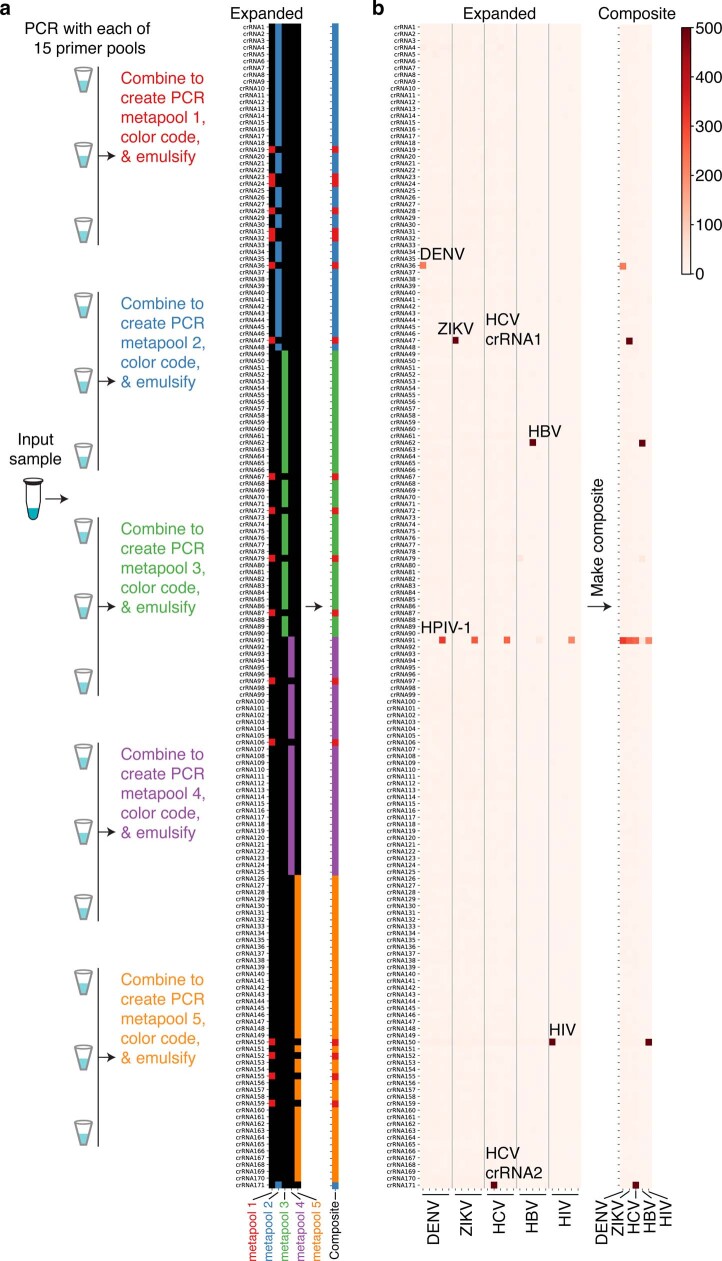
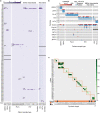
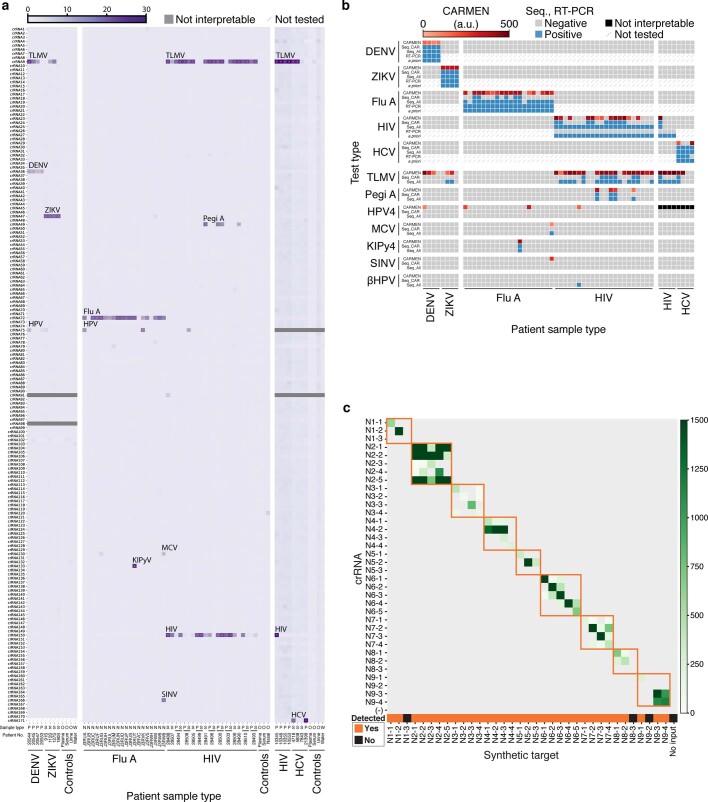
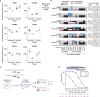
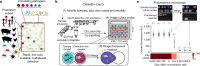
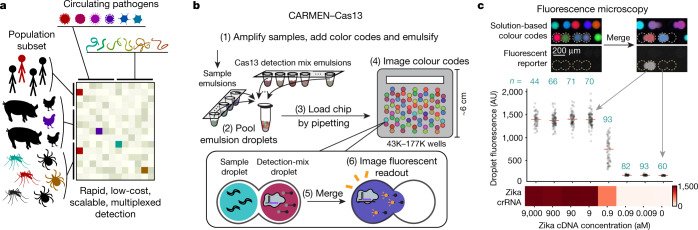
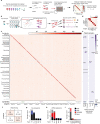
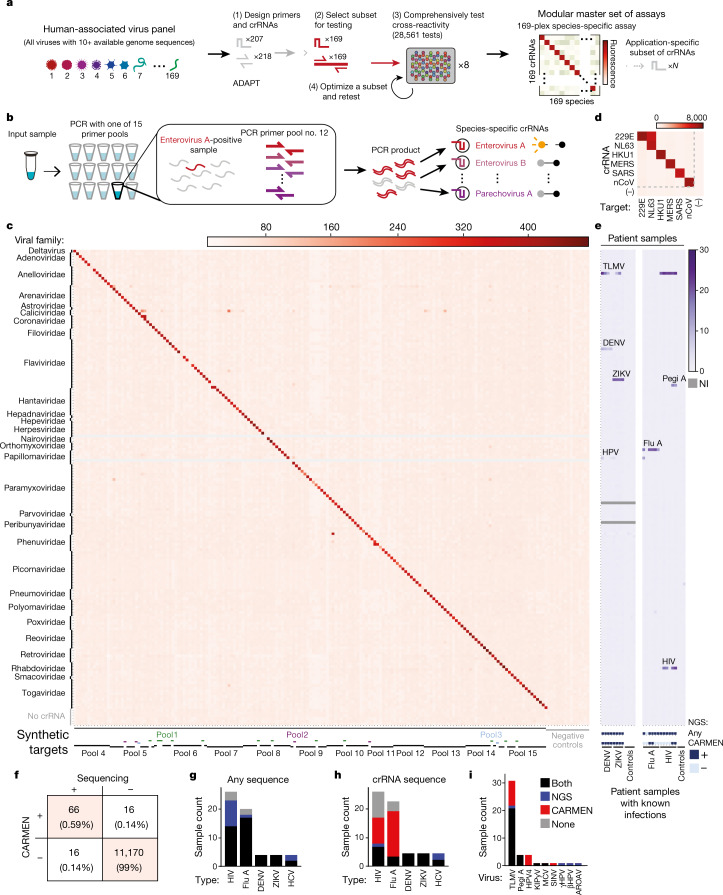
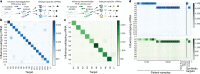
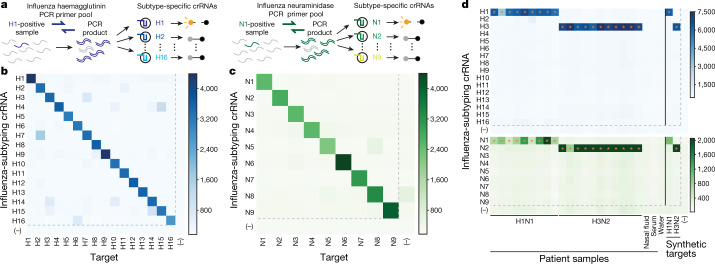
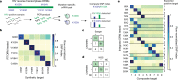
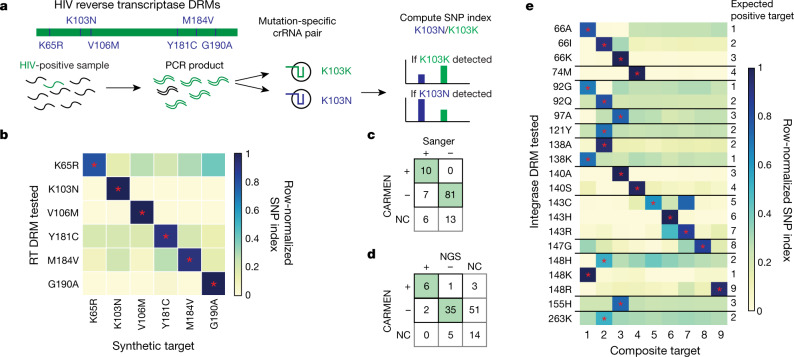
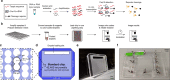
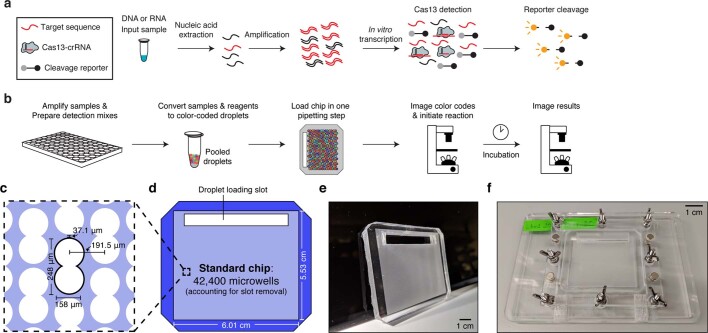
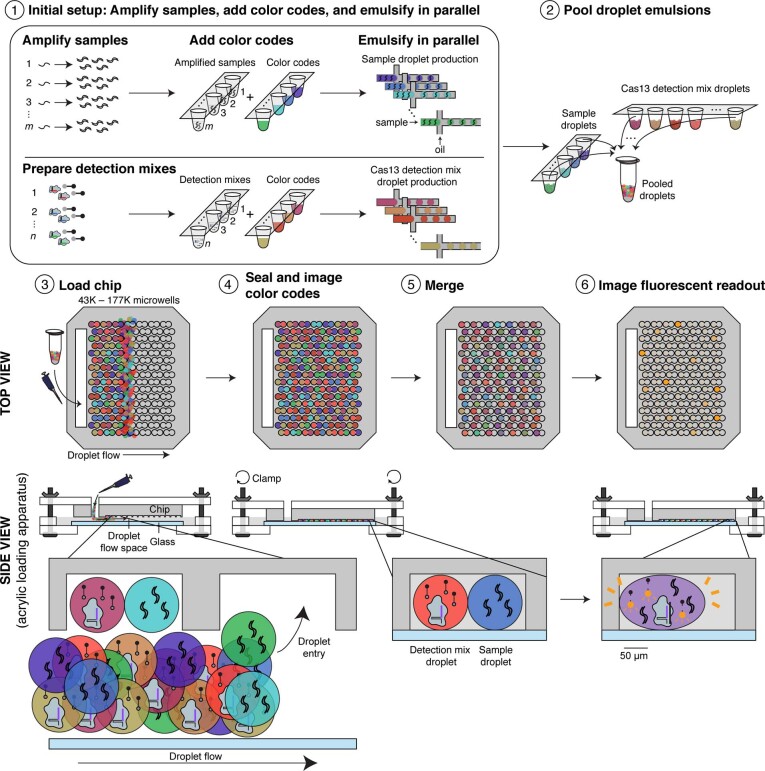
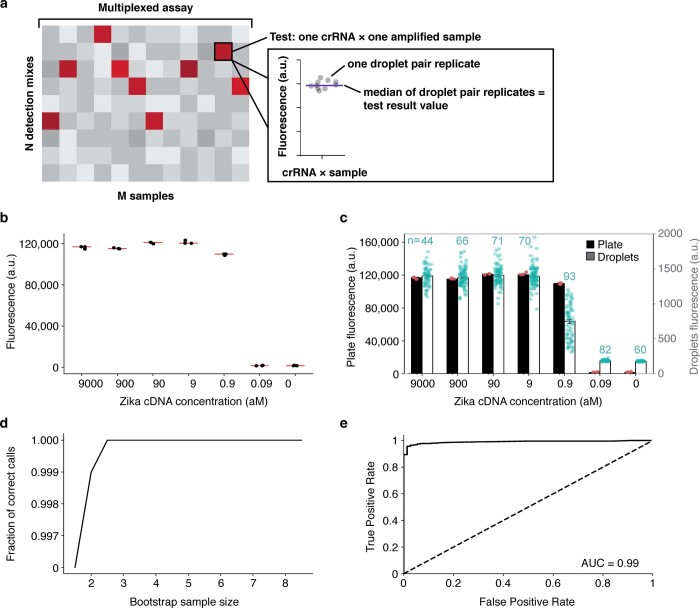
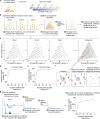
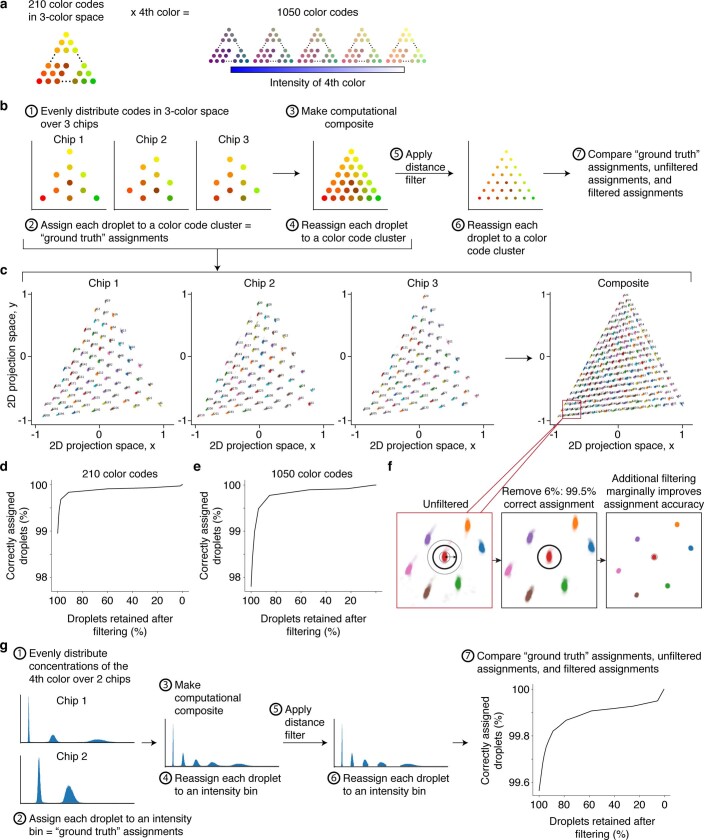
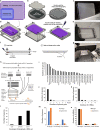
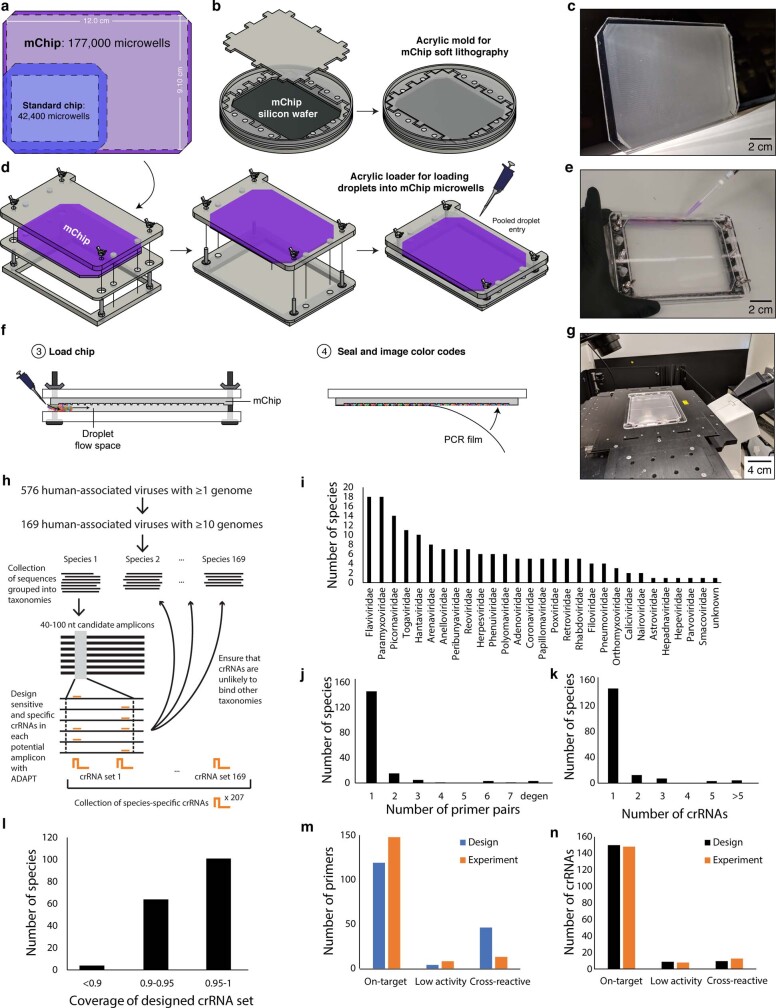
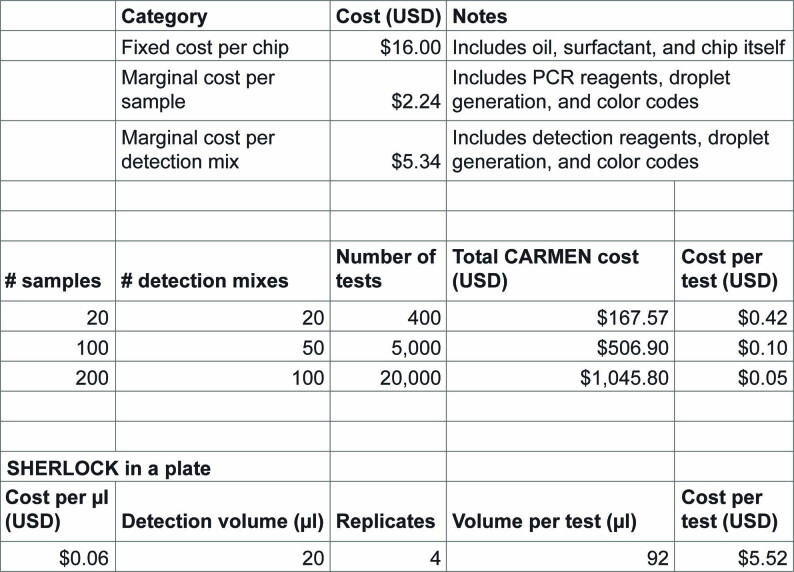
Description:The great majority of globally circulating pathogens go undetected, undermining patient care and hindering outbreak preparedness and response. To enable routine surveillance and comprehensive diagnostic applications, there is a need for detection technologies that can scale to test many samples| while simultaneously testing for many pathogens|. Here, we develop Combinatorial Arrayed Reactions for Multiplexed Evaluation of Nucleic acids (CARMEN), a platform for scalable, multiplexed pathogen detection. In the CARMEN platform, nanolitre droplets containing CRISPR-based nucleic acid detection reagents| self-organize in a microwell array| to pair with droplets of amplified samples, testing each sample against each CRISPR RNA (crRNA) in replicate. The combination of CARMEN and Cas13 detection (CARMEN-Cas13) enables robust testing of more than 4,500 crRNA-target pairs on a single array. Using CARMEN-Cas13, we developed a multiplexed assay that simultaneously differentiates all 169 human-associated viruses with at least 10 published genome sequences and rapidly incorporated an additional crRNA to detect the causative agent of the 2020 COVID-19 pandemic. CARMEN-Cas13 further enables comprehensive subtyping of influenza A strains and multiplexed identification of dozens of HIV drug-resistance mutations. The intrinsic multiplexing and throughput capabilities of CARMEN make it practical to scale, as miniaturization decreases reagent cost per test by more than 300-fold. Scalable, highly multiplexed CRISPR-based nucleic acid detection shifts diagnostic and surveillance efforts from targeted testing of high-priority samples to comprehensive testing of large sample sets, greatly benefiting patients and public health|.
-
Subjects:
-
Source:Nature. 582(7811):277-282
-
Pubmed ID:32349121
-
Pubmed Central ID:PMC7332423
-
Document Type:
-
Funding:
-
Volume:582
-
Issue:7811
-
Collection(s):
-
Main Document Checksum:urn:sha256:34935607b74cbf9ecbab22f076063dbf6e3827583c4904834b16abf2901fd3b1
-
Download URL:
-
File Type:[PDF
- 25.14 MB
]
Supporting Files


File Language:
English
 Was this page helpful?
 Found an issue?

CDC STACKS serves as an archival repository of CDC-published products including
scientific findings,
journal articles, guidelines, recommendations, or other public health information authored or
co-authored by CDC or funded partners.
As a repository, CDC STACKS retains documents in their original published format to ensure public access to scientific information.
As a repository, CDC STACKS retains documents in their original published format to ensure public access to scientific information.
You May Also Like
COLLECTION
CDC Public Access