



Longitudinal Trends in Per- and Polyfluoroalkyl Substances among Multiethnic Midlife Women from 1999 to 2011: the Study of Women’s Health Across the Nation
Supporting Files

-
2 2020 ; 2-2020
-
Available in CDC Stacks on 2020-07-22T00:00:00Z
File Language:
English
Details
-
Alternative Title:Environ Int
-
Personal Author:
-
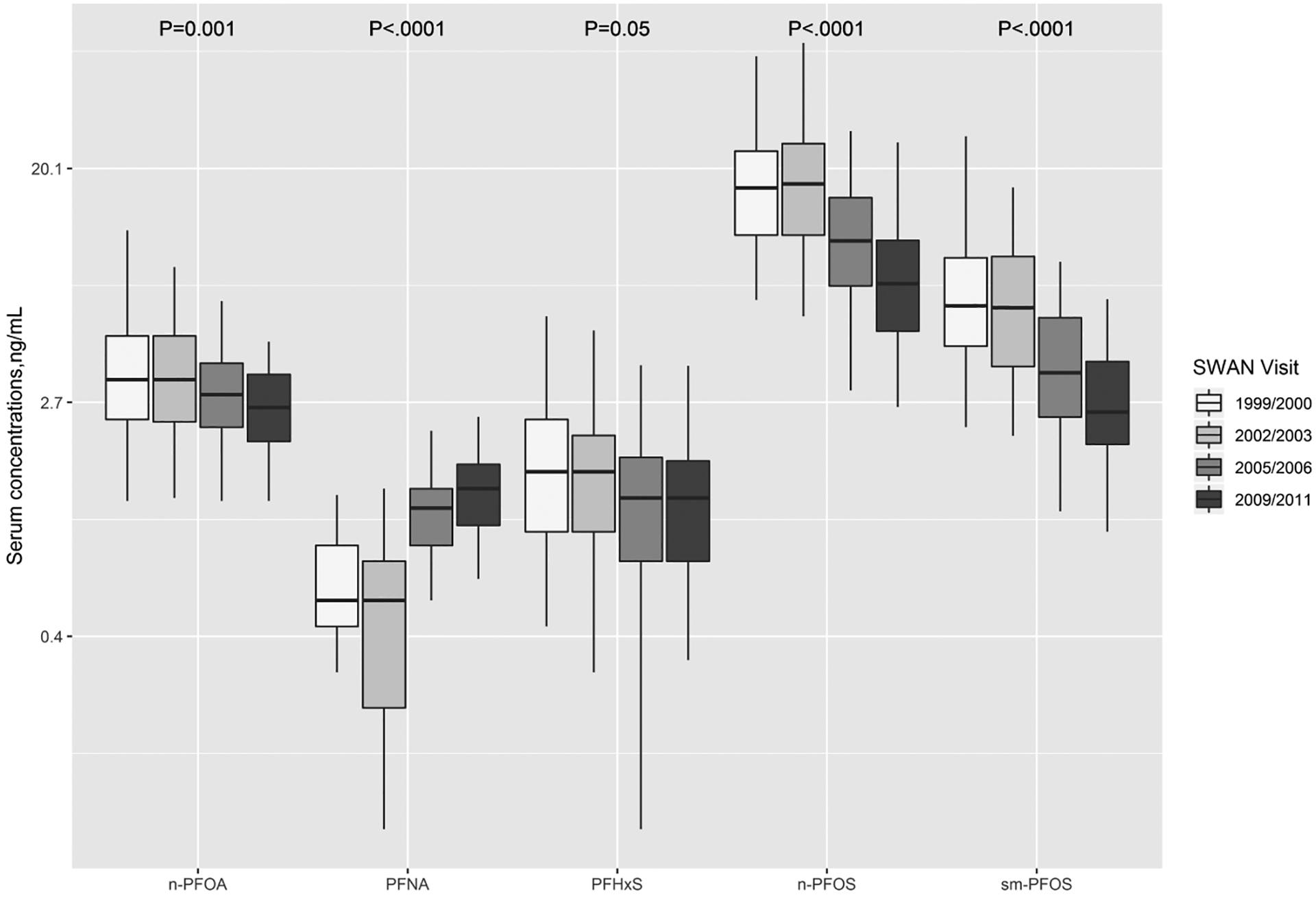
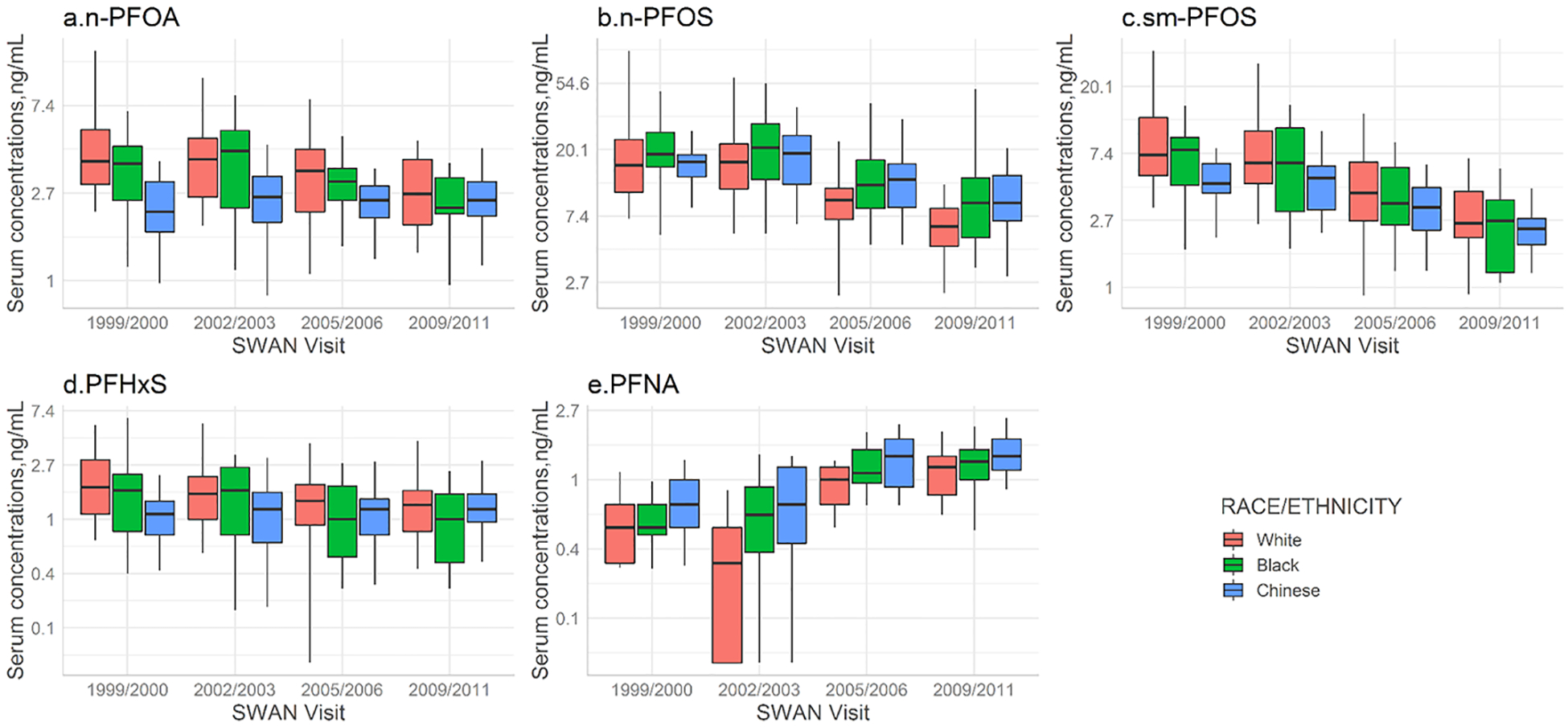
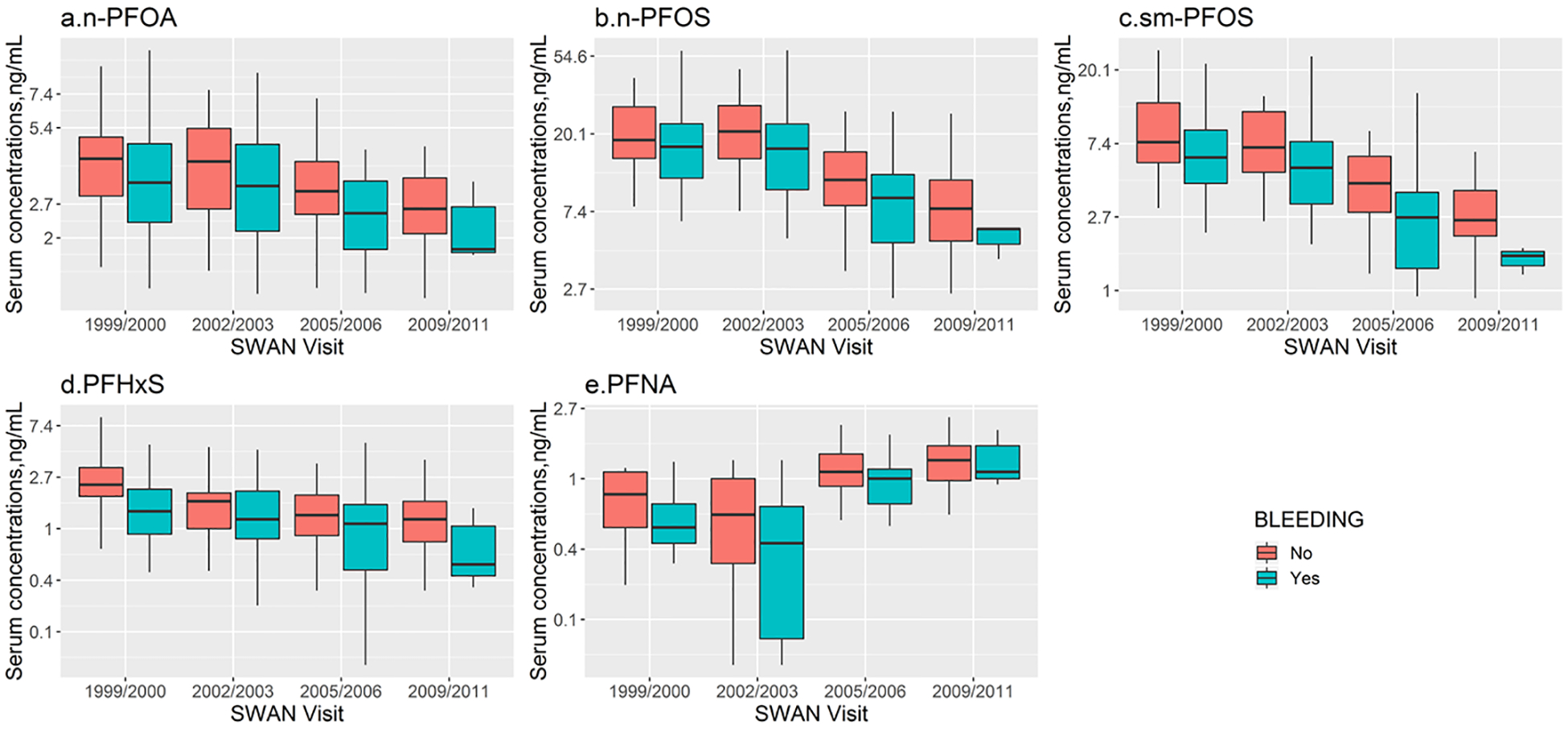
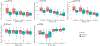
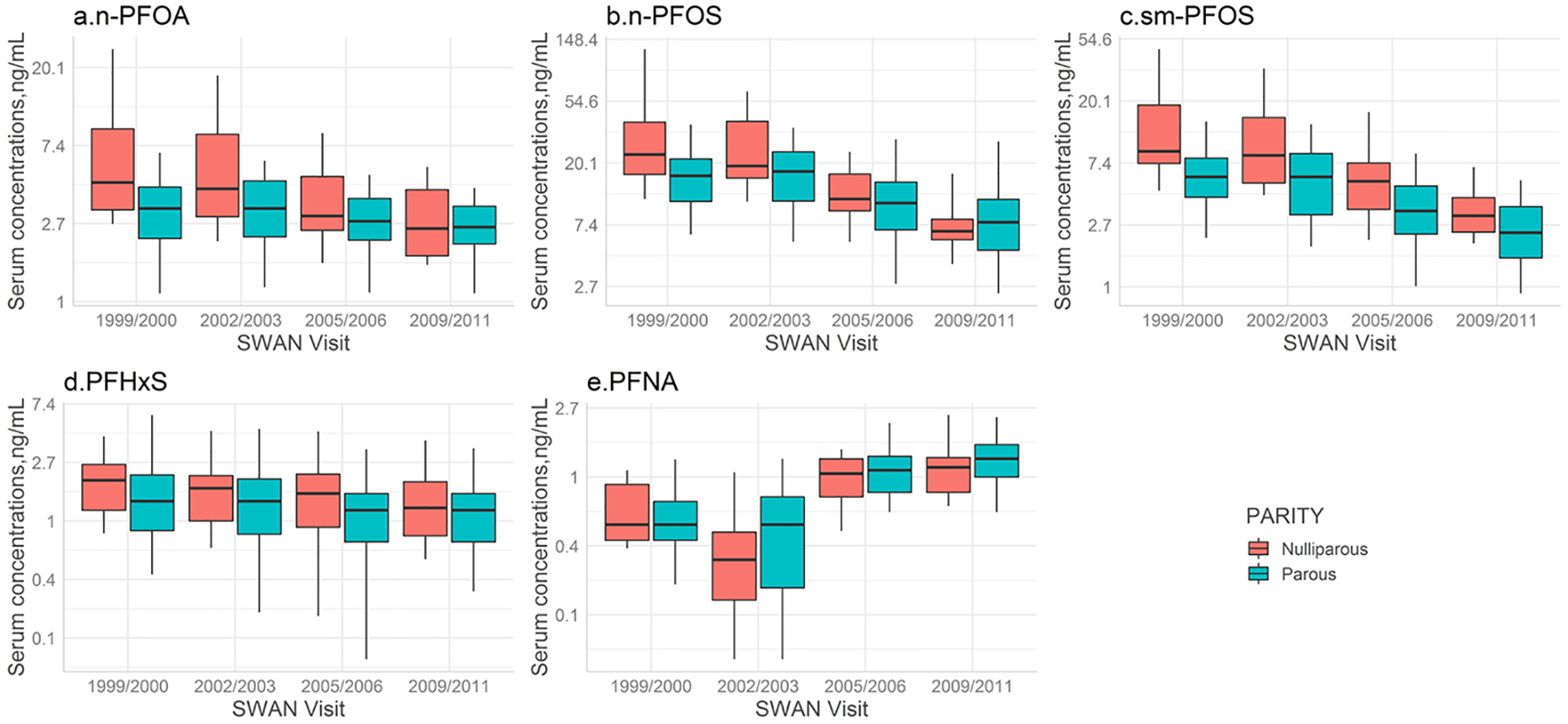
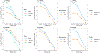
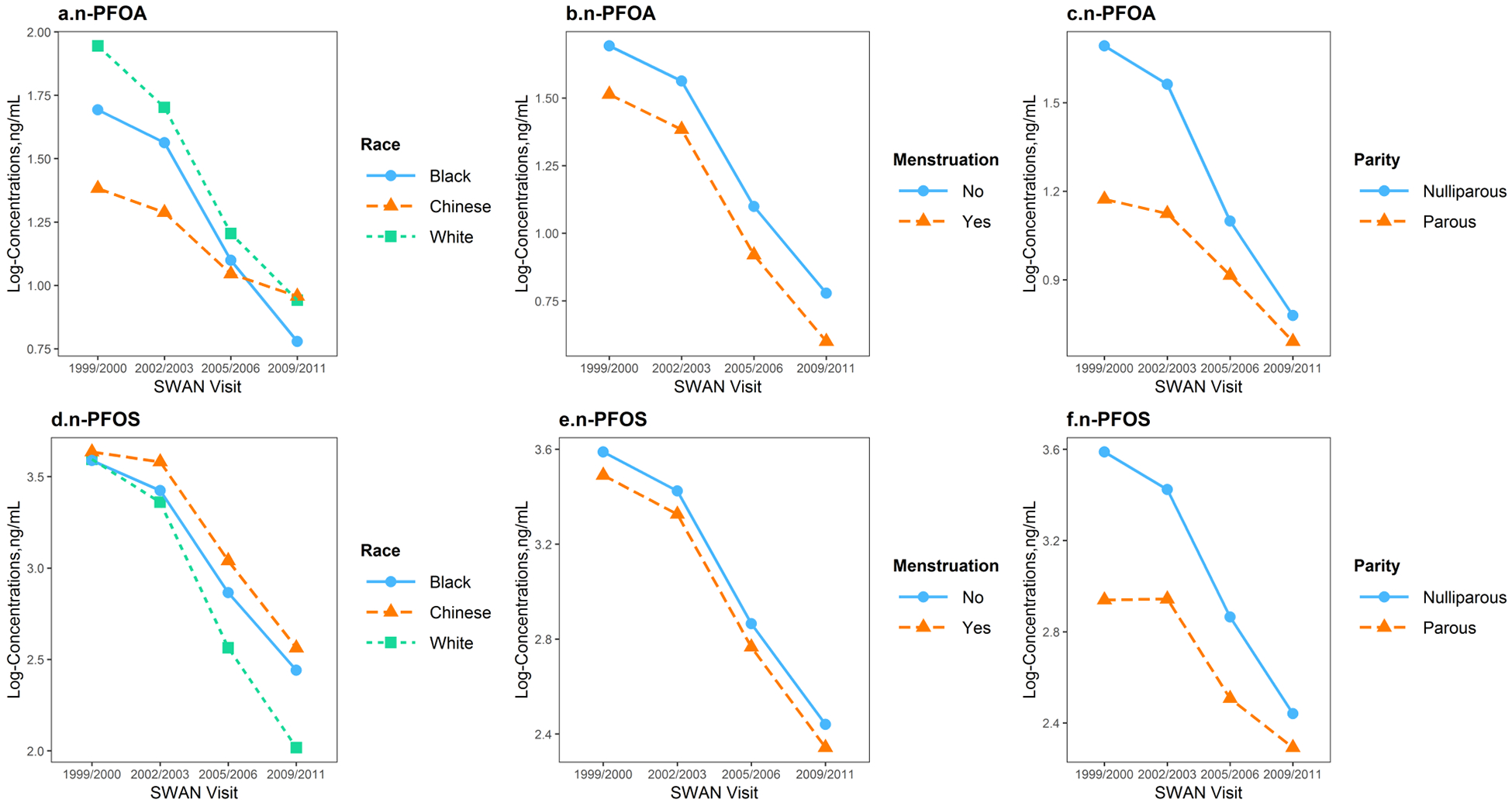
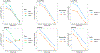
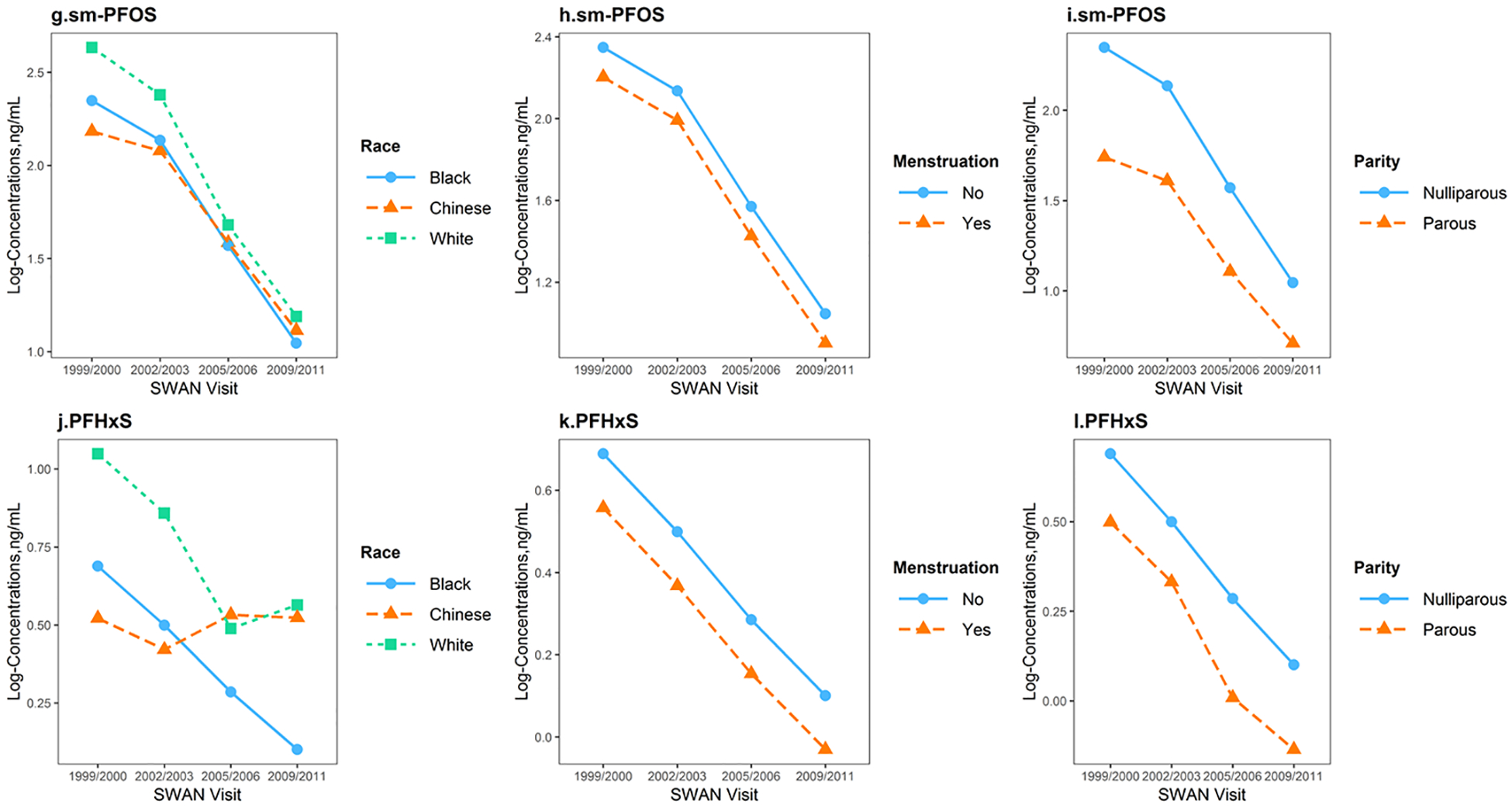
Description:Background: ; Limited information exists regarding longitudinal trends in midlife women’s exposure to per- and polyfluoroalkyl substances (PFAS). Further, little is known about how patterns of exposure differ by race/ethnicity and reproductive characteristics including parity and menopause. ; Objective: ; We aimed to examine temporal variations in serum PFAS concentrations among midlife women from the Study of Women’s Health Across the Nation. ; Methods: ; Serum concentrations of 11 PFAS homologues were measured in 75 White, Black and Chinese women with blood samples collected in 1999–2000, 2002–2003, 2005–2006, and 2009–2011. Rates of changes in PFAS concentrations were calculated assuming a first-order elimination model. Associations between PFAS concentrations and race/ethnicity, menstruation and parity were evaluated with linear mixed models, adjusting for age, body mass index and study site. ; Results: ; Serum concentrations of linear-chain perfluorooctanoic acid (n-PFOA), linear- and branched-chain perfluorooctane sulfonic acid (n-PFOS and sm-PFOS) decreased significantly (−6.0%, 95% CI: −8.3%, −3.6% per year for n-PFOA; −14.8%, 95% CI: −17.3%, −12.3% per year for n-PFOS; −16.9%, 95% CI: −19.1%, −14.6% per year for sm-PFOS); whereas perfluorononanoic acid (PFNA) increased (16.0%, 95% CI: 10.6%, 21.6% per year). Detection rates of perfluorodecanoic acid (PFDeA) and perfluoroundecanoic acid (PFUA) doubled. Temporal trends varied significantly by race/ethnicity. Chinese women tended to have consistently higher PFNA concentrations at each follow-up visit, compared with White and Black women. Serum PFHxS concentrations significantly decreased in White and Black women, but not in Chinese. Menstruating women consistently had lower concentrations. Parity was associated with lower concentrations at baseline but the differences between nulliparous and parous women became smaller over time. ; Conclusions: ; Our results suggest longitudinal declines in serum concentrations of legacy PFAS and increases in serum concentrations of emerging compounds from 1999 to 2011 in midlife women. Temporal trends in PFAS concentrations are not uniform across race/ethnicity and parity groups.
-
Subjects:
-
Keywords:
-
Source:Environ Int. 135:105381
-
Pubmed ID:31841808
-
Pubmed Central ID:PMC7374929
-
Document Type:
-
Funding:T42 OH008455/OH/NIOSH CDC HHSUnited States/ ; U01 AG012554/AG/NIA NIH HHSUnited States/ ; UL1 RR024131/RR/NCRR NIH HHSUnited States/ ; P30 ES017885/ES/NIEHS NIH HHSUnited States/ ; U01 AG012495/AG/NIA NIH HHSUnited States/ ; U01 AG012505/AG/NIA NIH HHSUnited States/ ; U01 AG012535/AG/NIA NIH HHSUnited States/ ; U01 AG012553/AG/NIA NIH HHSUnited States/ ; U01 NR004061/NR/NINR NIH HHSUnited States/ ; U01 AG012539/AG/NIA NIH HHSUnited States/ ; R01 ES026578/ES/NIEHS NIH HHSUnited States/ ; U01 AG012546/AG/NIA NIH HHSUnited States/ ; U01 AG012531/AG/NIA NIH HHSUnited States/ ; R01 ES026964/ES/NIEHS NIH HHSUnited States/ ; U01 AG017719/AG/NIA NIH HHSUnited States/
-
Volume:135
-
Download URL:
-
File Type:
 [PDF - 1.41 MB]
 -
Collection(s):
-
Main Document Checksum:urn:sha-512:4e97787af6d6059dc59d7956b271ebb1cea276bdf5d5b5b87004e00b40130818b9cfa76cb7ea3fd63c4238c84efe47349f7559fda06b40ce1cbeb3000602ac56
Supporting Files


File Language:
English
 Was this page helpful?
 Found an issue?



CDC STACKS serves as an archival repository of CDC-published products including
scientific findings, journal articles, guidelines, recommendations, or other public health information authored or
co-authored by CDC or funded partners.
As a repository, CDC STACKS retains documents in their original published format to ensure public access to scientific information.
As a repository, CDC STACKS retains documents in their original published format to ensure public access to scientific information.
You May Also Like
COLLECTION
CDC Public Access