



Immunogenicity of HPV prophylactic vaccines: Serology assays and their use in HPV vaccine evaluation and development
Supporting Files

-
Feb 01 2018
-
Available in CDC Stacks on 2018-08-06T00:00:00Z
File Language:
English
Details
-
Journal Article:Vaccine
-
Personal Author:
-
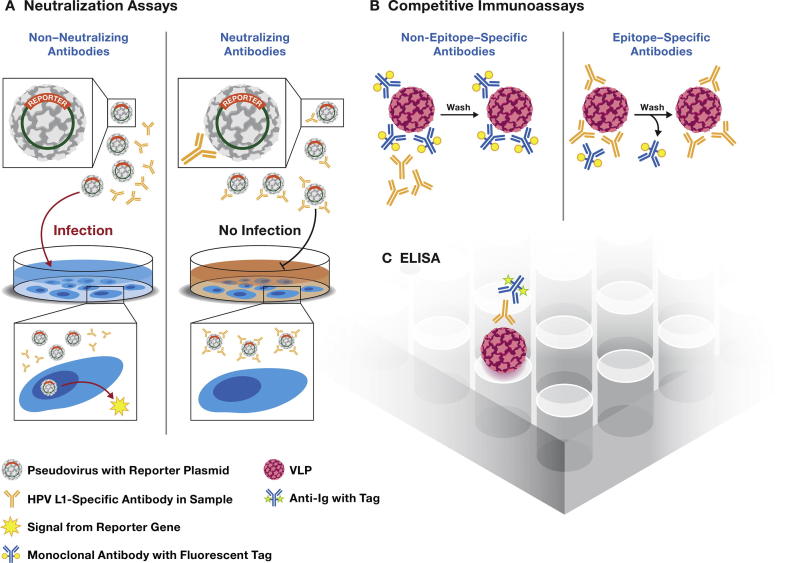
Description:When administered as standard three-dose schedules, the licensed HPV prophylactic vaccines have demonstrated extraordinary immunogenicity and efficacy. We summarize the immunogenicity of these licensed vaccines and the most commonly used serology assays, with a focus on key considerations for one-dose vaccine schedules. Although immune correlates of protection against infection are not entirely clear, both preclinical and clinical evidence point to neutralizing antibodies as the principal mechanism of protection. Thus, immunogenicity assessments in vaccine trials have focused on measurements of antibody responses to the vaccine. Non-inferiority of antibody responses after two doses of HPV vaccines separated by 6 months has been demonstrated and this evidence supported the recent WHO recommendations for two-dose vaccination schedules in both boys and girls 9-14 years of age. There is also some evidence suggesting that one dose of HPV vaccines may provide protection similar to the currently recommended two-dose regimens but robust data on efficacy and immunogenicity of one-dose vaccine schedules are lacking. In addition, immunogenicity has been assessed and reported using different methods, precluding direct comparison of results between different studies and vaccines. New head-to-head vaccine trials evaluating one-dose immunogenicity and efficacy have been initiated and an increase in the number of trials relying on immunobridging is anticipated. Therefore, standardized measurement and reporting of immunogenicity for the up to nine HPV types targeted by the current vaccines is now critical. Building on previous HPV serology assay standardization and harmonization efforts initiated by the WHO HPV LabNet in 2006, new secondary standards, critical reference reagents and testing guidelines will be generated as part of a new partnership to facilitate harmonization of the immunogenicity testing in new HPV vaccine trials.
-
Subjects:
- Adolescent
- Antibodies, Neutralizing
- Antibodies, Viral
- Child
- Clinical Trials as Topic
- Female
- Human Papillomavirus Recombinant Vaccine Quadrivalent, Types 6, 11, 16, 18
- Humans
- Immunization Schedule
- Immunogenicity, Vaccine
- Male
- Mass Vaccination
- Neutralization Tests
- Papillomavirus Infections
- Papillomavirus Vaccines
- Treatment Outcome
- Uterine Cervical Neoplasms
-
Source:Vaccine. 2018; 36(32Part A):4792-4799
-
DOI:
-
Pubmed ID:29361344
-
Pubmed Central ID:PMC6050153
-
Document Type:
-
Funding:
-
Genre:
-
Volume:36
-
Download URL:
-
File Type:
 [PDF - 738.07 KB]
 -
Collection(s):
-
Main Document Checksum:urn:sha-512:727e871d0f7bfb9147730e6e011ca75921358b0b62d3b6a02dee0d8e8d1bf0a42952bcb15570e07ad68317156eda37196a0ad91215424b71780deb1e0a03254f


File Language:
English
 Was this page helpful?
 Found an issue?

CDC STACKS serves as an archival repository of CDC-published products including
scientific findings, journal articles, guidelines, recommendations, or other public health information authored or
co-authored by CDC or funded partners.
As a repository, CDC STACKS retains documents in their original published format to ensure public access to scientific information.
As a repository, CDC STACKS retains documents in their original published format to ensure public access to scientific information.
You May Also Like
COLLECTION
CDC Public Access