



Decline of FoxP3+ Regulatory CD4 T Cells in Peripheral Blood of Children Heavily Exposed to Malaria
Supporting Files

-
Jul 16 2015
File Language:
English
Details
-
Alternative Title:PLoS Pathog
-
Personal Author:Boyle, Michelle J. ; Jagannathan, Prasanna ; Farrington, Lila A. ; Eccles-James, Ijeoma ; Wamala, Samuel ; McIntyre, Tara I ; Vance, Hilary M. ; Bowen, Katherine ; Nankya, Felistas ; Auma, Ann ; Nalubega, Mayimuna ; Sikyomu, Esther ; Naluwu, Kate ; Rek, John ; Katureebe, Agaba ; Bigira, Victor ; Kapisi, James ; Tappero, Jordan ; Muhindo, Mary K ; Greenhouse, Bryan ; Arinaitwe, Emmanuel ; Dorsey, Grant ; Kamya, Moses R. ; Feeney, Margaret E.
-
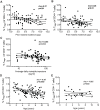
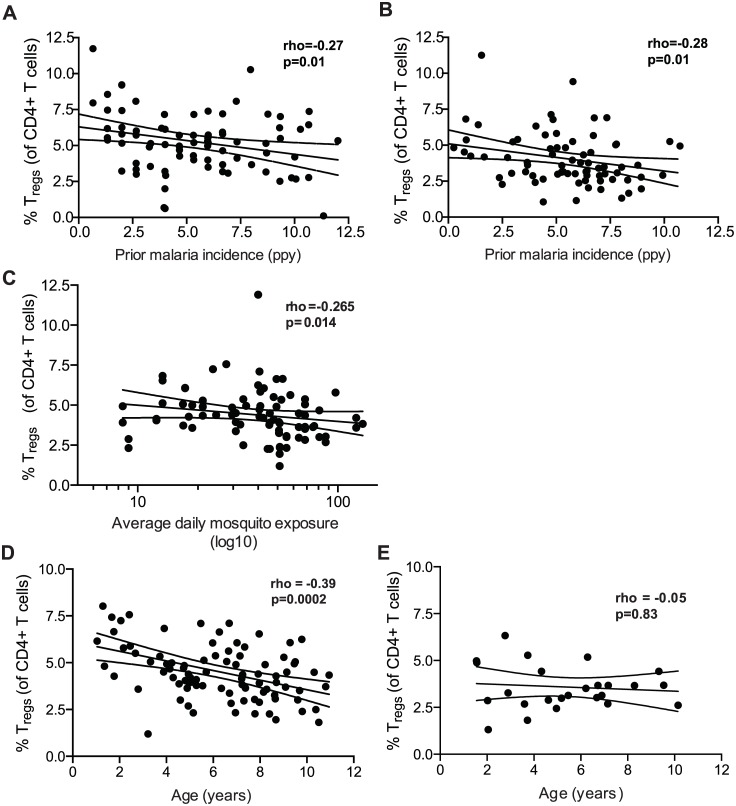
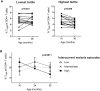
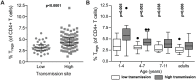
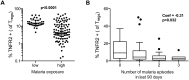
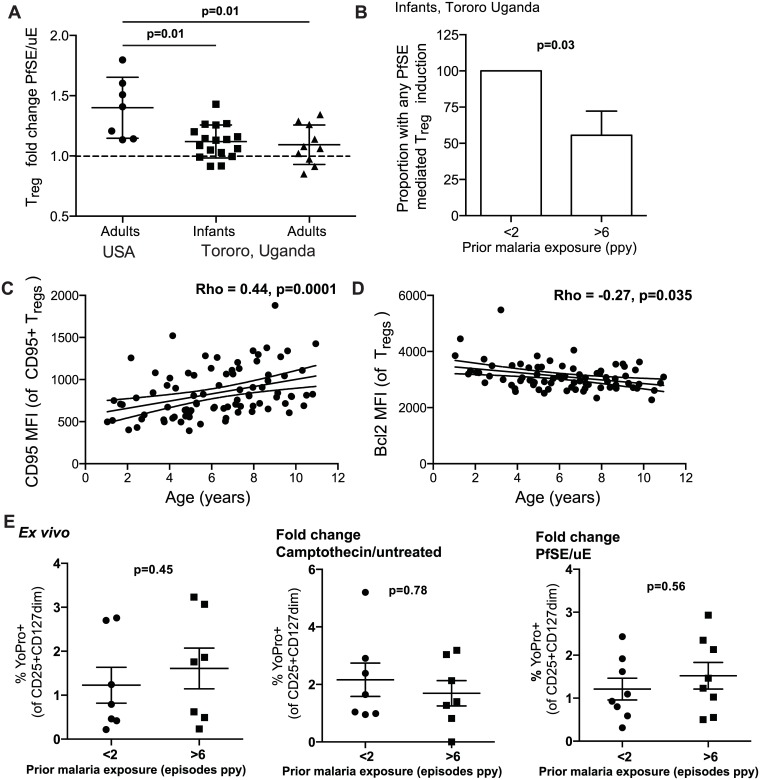
Description:FoxP3+ regulatory CD4 T cells (Tregs) help to maintain the delicate balance between pathogen-specific immunity and immune-mediated pathology. Prior studies suggest that Tregs are induced by P. falciparum both in vivo and in vitro; however, the factors influencing Treg homeostasis during acute and chronic infections, and their role in malaria immunopathogenesis, remain unclear. We assessed the frequency and phenotype of Tregs in well-characterized cohorts of children residing in a region of high malaria endemicity in Uganda. We found that both the frequency and absolute numbers of FoxP3+ Tregs in peripheral blood declined markedly with increasing prior malaria incidence. Longitudinal measurements confirmed that this decline occurred only among highly malaria-exposed children. The decline of Tregs from peripheral blood was accompanied by reduced in vitro induction of Tregs by parasite antigen and decreased expression of TNFR2 on Tregs among children who had intense prior exposure to malaria. While Treg frequencies were not associated with protection from malaria, there was a trend toward reduced risk of symptomatic malaria once infected with P. falciparum among children with lower Treg frequencies. These data demonstrate that chronic malaria exposure results in altered Treg homeostasis, which may impact the development of antimalarial immunity in naturally exposed populations.
-
Subjects:
-
Source:PLoS Pathog. 11(7).
-
Pubmed ID:26182204
-
Pubmed Central ID:PMC4504515
-
Document Type:
-
Funding:K23 AI100949/AI/NIAID NIH HHS/United States ; P01 HD059454/HD/NICHD NIH HHS/United States ; P30AI027763/AI/NIAID NIH HHS/United States ; K24AI113002/AI/NIAID NIH HHS/United States ; K24 AI113002/AI/NIAID NIH HHS/United States ; U19 AI089674/AI/NIAID NIH HHS/United States ; P30 AI027763/AI/NIAID NIH HHS/United States ; U62P024421/PHS HHS/United States ; R01AI093615/AI/NIAID NIH HHS/United States ; U19AI089674/AI/NIAID NIH HHS/United States ; R01 AI093615/AI/NIAID NIH HHS/United States
-
Place as Subject:
-
Volume:11
-
Issue:7
-
Download URL:
-
File Type:
 [PDF - 802.64 KB]
 -
Collection(s):
-
Main Document Checksum:urn:sha256:476dbfdb6f73cb672bc31cae287c962848e27169e48da855dff7c928e70e25e4
Supporting Files


File Language:
English
 Was this page helpful?
 Found an issue?






CDC STACKS serves as an archival repository of CDC-published products including
scientific findings, journal articles, guidelines, recommendations, or other public health information authored or
co-authored by CDC or funded partners.
As a repository, CDC STACKS retains documents in their original published format to ensure public access to scientific information.
As a repository, CDC STACKS retains documents in their original published format to ensure public access to scientific information.
You May Also Like
COLLECTION
CDC Public Access