



Factors Associated With Human IgG Antibody Response to Anopheles albimanus Salivary Gland Extract, Artibonite Department, Haiti, 2017
Supporting Files

-
10 17 2022 ; 10-17-
-
Available in CDC Stacks on April 01, 2024, 12:00 AM
File Language:
English
Details
-
Alternative Title:J Infect Dis
-
Personal Author:Jaramillo-Underwood, Alicia ; Impoinvil, Daniel ; Sutcliff, Alice ; Hamre, Karen E. S. ; Joseph, Vena ; van den Hoogen, Lotus ; Lemoine, Jean Frantz ; Ashton, Ruth A. ; Chang, Michelle A. ; Existe, Alexandre ; Boncy, Jacques ; Drakeley, Chris ; Stresman, Gillian ; Druetz, Thomas
 ;
Eisele, Thomas
;
Rogier, Eric
;
Eisele, Thomas
;
Rogier, Eric
-
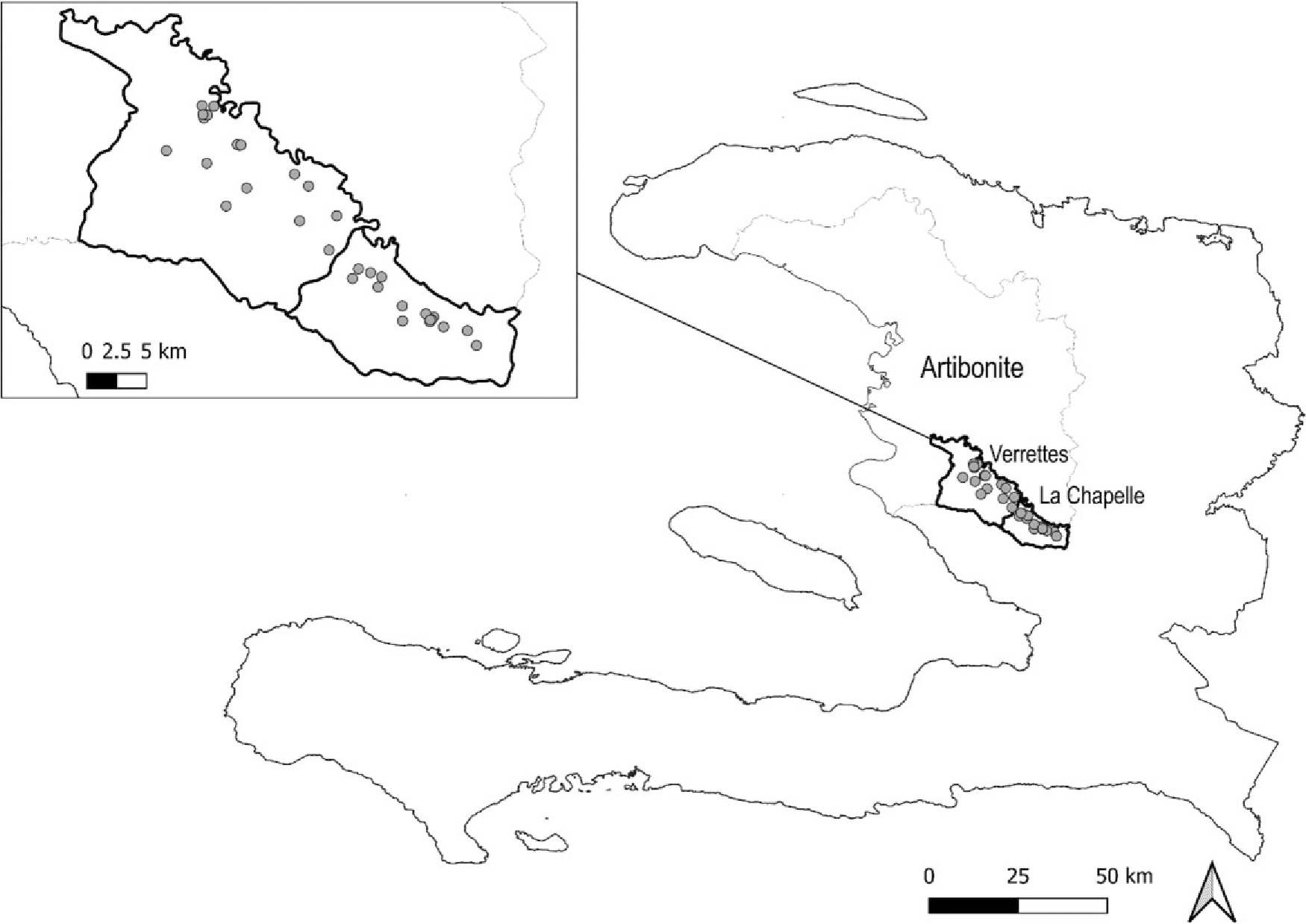
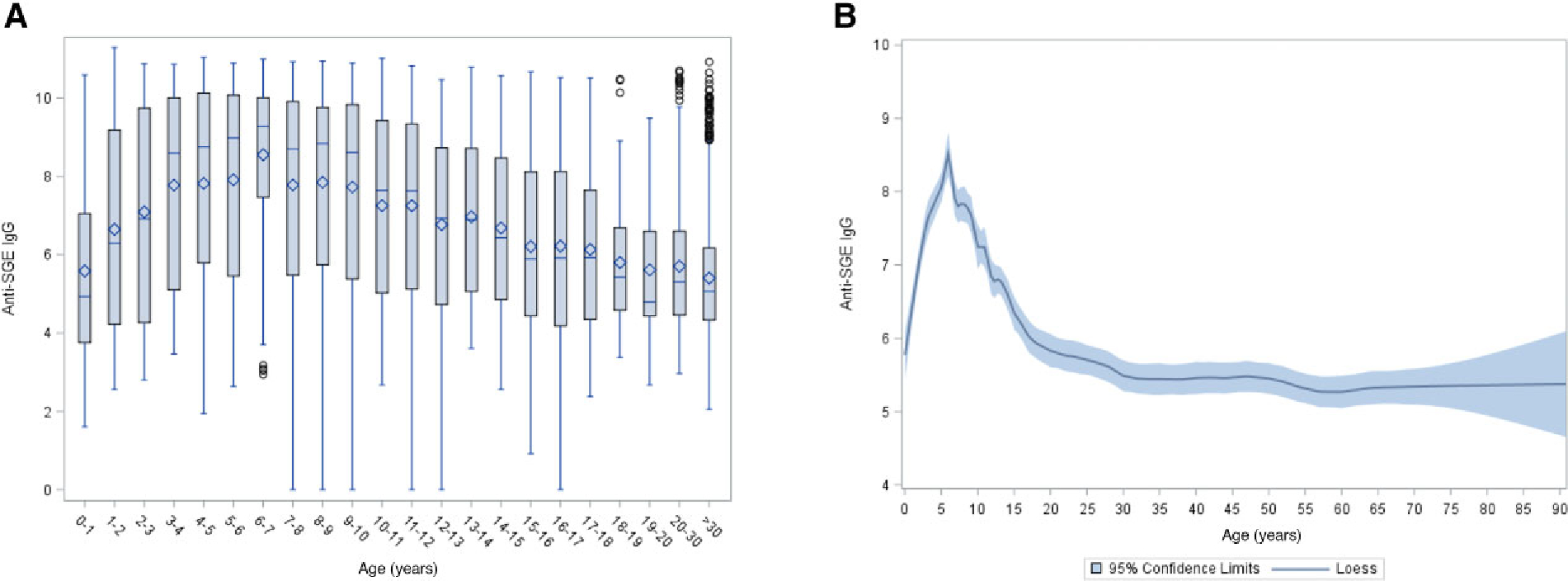
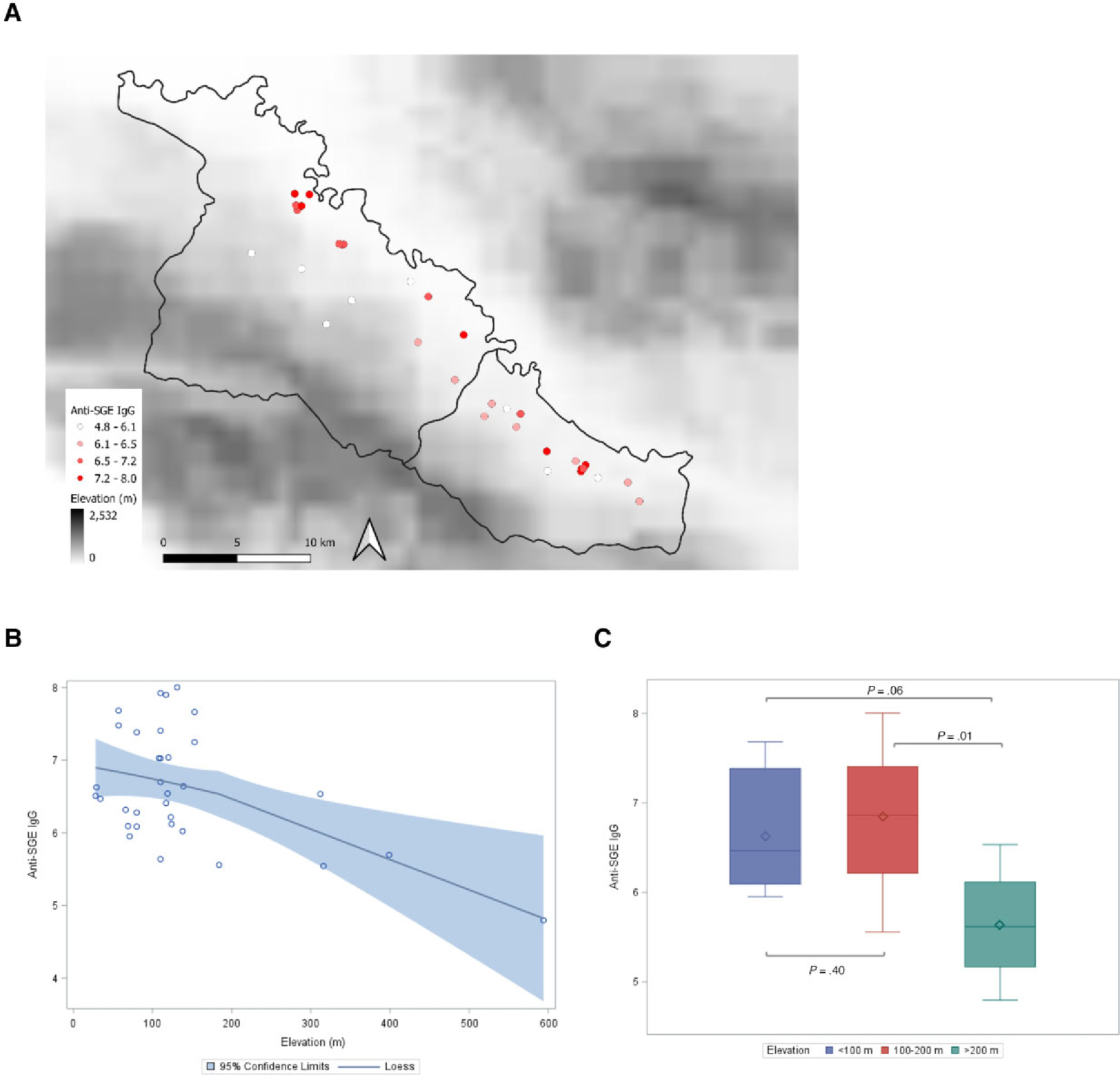
Description:Serological data can provide estimates of human exposure to both malaria vector and parasite based on antibody responses. A multiplex bead-based assay was developed to simultaneously detect IgG to Anopheles albimanus salivary gland extract (SGE) and 23 Plasmodium falciparum antigens among 4185 participants enrolled in Artibonite department, Haiti in 2017. Logistic regression adjusted for participant- and site-level covariates and found children under 5 years and 6-15 years old had 3.7- and 5.4-fold increase in odds, respectively, of high anti-SGE IgG compared to participants >15 years. Seropositivity to P. falciparum CSP, Rh2_2030, and SEA-1 antigens was significantly associated with high IgG response against SGE, and participant enrolment at elevations under 200 m was associated with higher anti-SGE IgG levels. The ability to approximate population exposure to malaria vectors through SGE serology data is very dependent by age categories, and SGE antigens can be easily integrated into a multiplex serological assay.
-
Subjects:
-
Keywords:
-
Source:J Infect Dis. 226(8):1461-1469
-
Pubmed ID:35711005
-
Pubmed Central ID:PMC10982684
-
Document Type:
-
Funding:
-
Volume:226
-
Issue:8
-
Download URL:
-
File Type:
 [PDF - 804.52 KB]
 -
Collection(s):
-
Main Document Checksum:urn:sha256:0ab6ca0f34aec7b4be9bd442d5d5f6aa88d175b29ac19b9f32494f020470470a
Supporting Files


File Language:
English
 Was this page helpful?
 Found an issue?


CDC STACKS serves as an archival repository of CDC-published products including
scientific findings, journal articles, guidelines, recommendations, or other public health information authored or
co-authored by CDC or funded partners.
As a repository, CDC STACKS retains documents in their original published format to ensure public access to scientific information.
As a repository, CDC STACKS retains documents in their original published format to ensure public access to scientific information.
You May Also Like
COLLECTION
CDC Public Access