



Dynamic changes in ORC localization and replication fork progression during tissue differentiation
Supporting Files

-
Aug 22 2018
-
Available in CDC Stacks on August 22, 2018, 12:00 AM
File Language:
English
Details
-
Alternative Title:BMC Genomics
-
Personal Author:
-
Description:Background
Genomic regions repressed for DNA replication, resulting in either delayed replication in S phase or underreplication in polyploid cells, are thought to be controlled by inhibition of replication origin activation. Studies in Drosophila polytene cells, however, raised the possibility that impeding replication fork progression also plays a major role.
Results
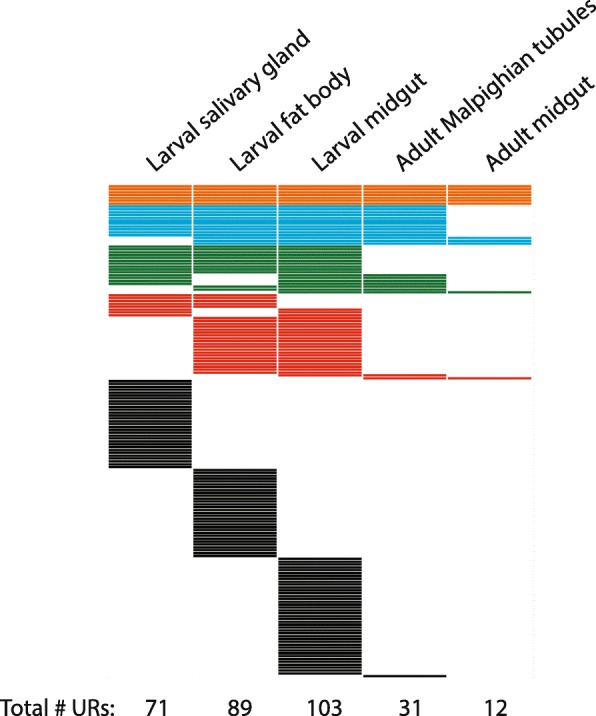
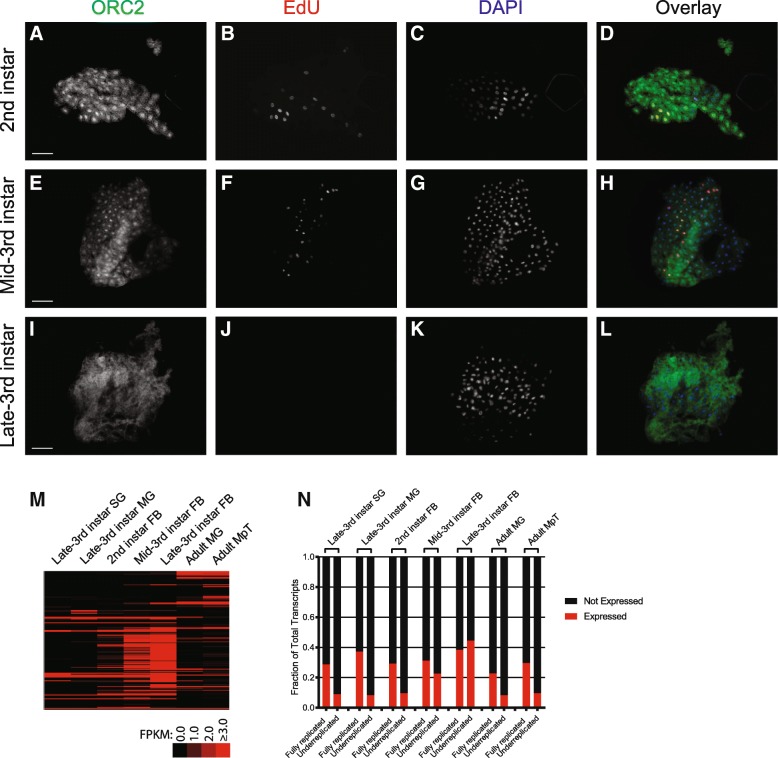
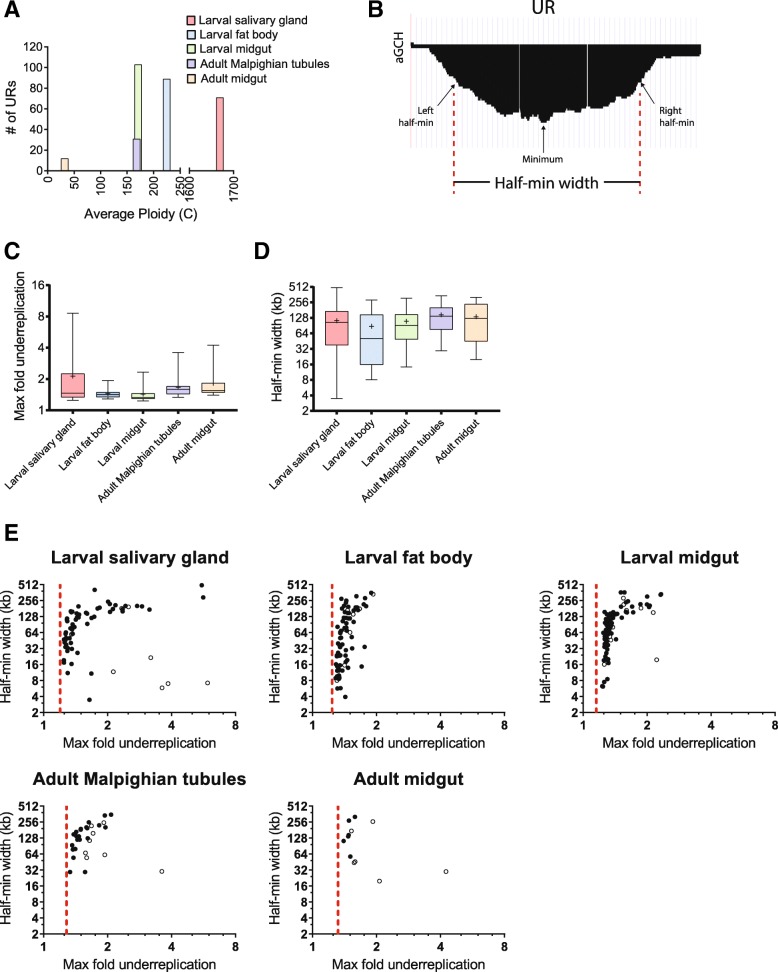
We exploited genomic regions underreplicated (URs) with tissue specificity in Drosophila polytene cells to analyze mechanisms of replication repression. By localizing the Origin Recognition Complex (ORC) in the genome of the larval fat body and comparing this to ORC binding in the salivary gland, we found that sites of ORC binding show extensive tissue specificity. In contrast, there are common domains nearly devoid of ORC in the salivary gland and fat body that also have reduced density of ORC binding sites in diploid cells. Strikingly, domains lacking ORC can still be replicated in some polytene tissues, showing absence of ORC and origins is insufficient to repress replication. Analysis of the width and location of the URs with respect to ORC position indicates that whether or not a genomic region lacking ORC is replicated is controlled by whether replication forks formed outside the region are inhibited.
Conclusions
These studies demonstrate that inhibition of replication fork progression can block replication across genomic regions that constitutively lack ORC. Replication fork progression can be inhibited in both tissue-specific and genome region-specific ways. Consequently, when evaluating sources of genome instability it is important to consider altered control of replication forks in response to differentiation.
Electronic supplementary material
The online version of this article (10.1186/s12864-018-4992-3) contains supplementary material, which is available to authorized users. -
Subjects:
-
Source:BMC Genomics. 19.
-
Pubmed ID:30134926
-
Pubmed Central ID:PMC6103881
-
Document Type:
-
Funding:
-
Volume:19
-
Download URL:
-
File Type:
 [PDF - 2.03 MB]
 -
Collection(s):
-
Main Document Checksum:urn:sha256:86d2c732cbe47f3fd5e6b92ae5408f08f2b881d09be02ca6ddd1310a8d97f311
Supporting Files


File Language:
English
 Was this page helpful?
 Found an issue?





CDC STACKS serves as an archival repository of CDC-published products including
scientific findings, journal articles, guidelines, recommendations, or other public health information authored or
co-authored by CDC or funded partners.
As a repository, CDC STACKS retains documents in their original published format to ensure public access to scientific information.
As a repository, CDC STACKS retains documents in their original published format to ensure public access to scientific information.
You May Also Like
COLLECTION
CDC Public Access