



The tick endosymbiont Candidatus Midichloria mitochondrii and selenoproteins are essential for the growth of Rickettsia parkeri in the Gulf Coast tick vector
Supporting Files

-
Aug 13 2018
-
Available in CDC Stacks on August 13, 2018, 12:00 AM
File Language:
English
Details
-
Alternative Title:Microbiome
-
Personal Author:
-
Description:Background
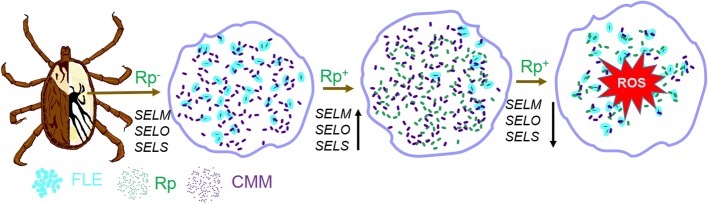
Pathogen colonization inside tick tissues is a significant aspect of the overall competence of a vector. Amblyomma maculatum is a competent vector of the spotted fever group rickettsiae, Rickettsia parkeri. When R. parkeri colonizes its tick host, it has the opportunity to dynamically interact with not just its host but with the endosymbionts living within it, and this enables it to modulate the tick’s defenses by regulating tick gene expression. The microbiome in A. maculatum is dominated by two endosymbiont microbes: a Francisella-like endosymbiont (FLE) and Candidatus Midichloria mitochondrii (CMM). A range of selenium-containing proteins (selenoproteins) in A. maculatum ticks protects them from oxidative stress during blood feeding and pathogen infections. Here, we investigated rickettsial multiplication in the presence of tick endosymbionts and characterized the functional significance of selenoproteins during R. parkeri replication in the tick.
Results
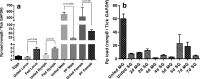
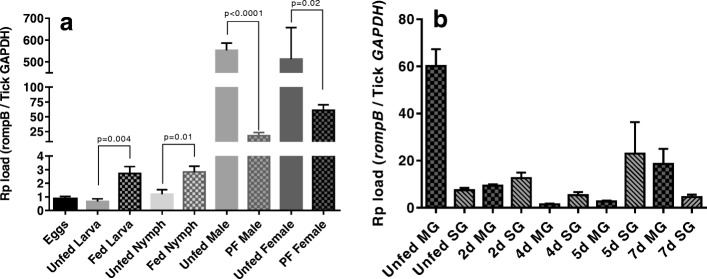
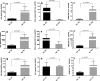
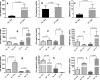
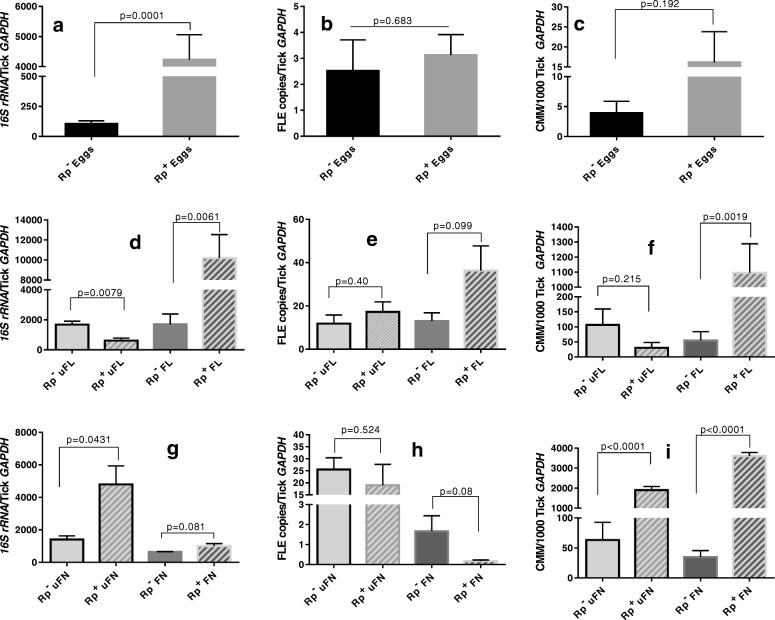
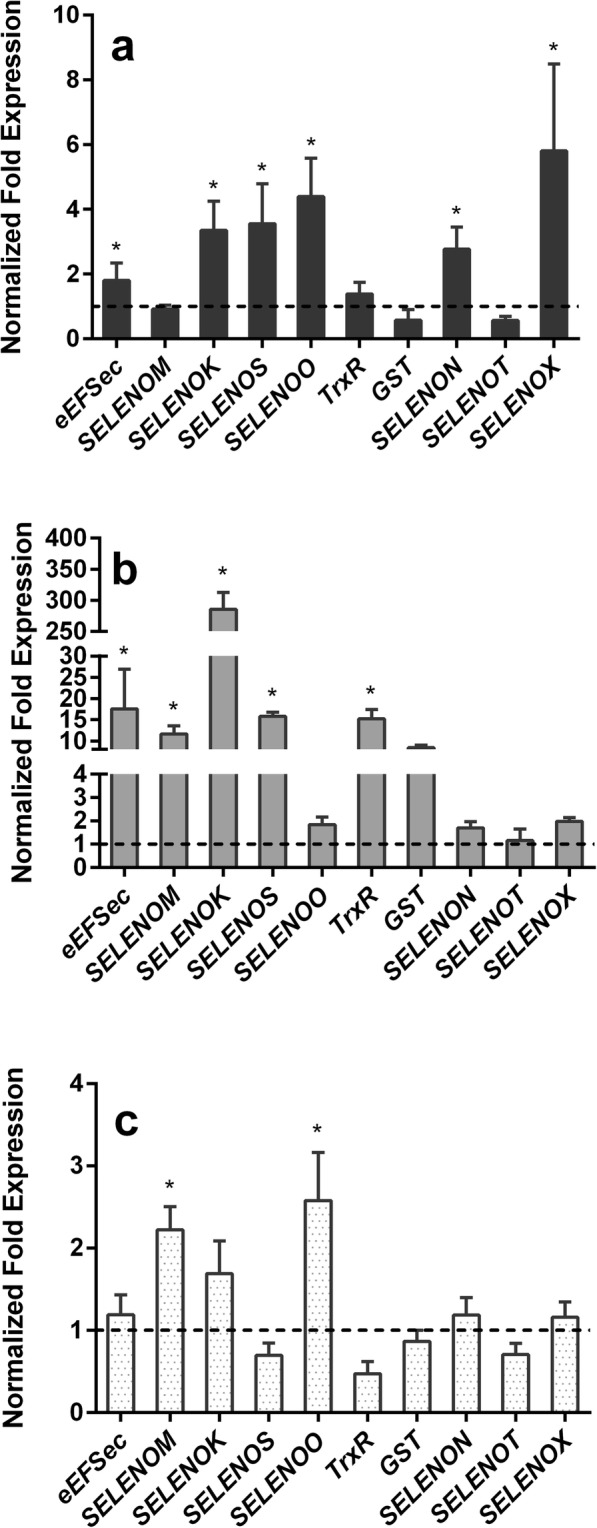
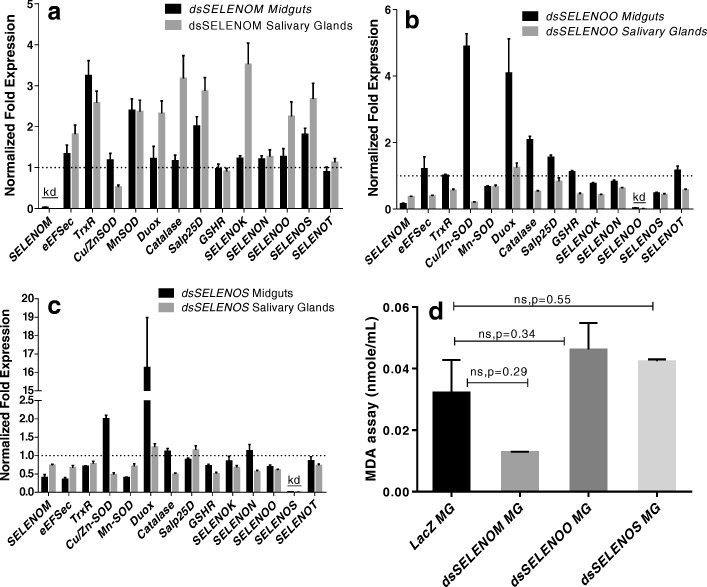
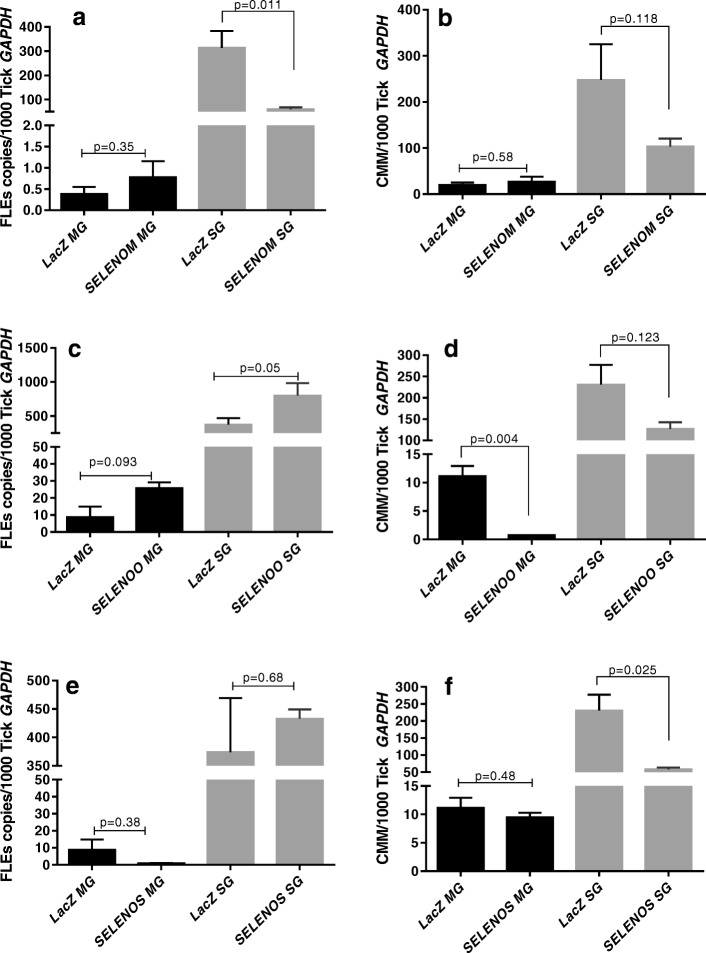
FLE and CMM were quantified throughout the tick life stages by quantitative PCR in R. parkeri-infected and uninfected ticks. R. parkeri infection was found to decrease the FLE numbers but CMM thrived across the tick life cycle. Our qRT-PCR analysis indicated that the transcripts of genes with functions related to redox (selenogenes) were upregulated in ticks infected with R. parkeri. Three differentially expressed proteins, selenoprotein M, selenoprotein O, and selenoprotein S were silenced to examine their functional significance during rickettsial replication within the tick tissues. Gene silencing of the target genes was found to impair R. parkeri colonization in the tick vector. Knockdown of the selenogenes triggered a compensatory response from other selenogenes, as observed by changes in gene expression, but oxidative stress levels and endoplasmic reticulum stress inside the ticks were also found to have heightened.
Conclusions
This study illustrates the potential of this new research model for augmenting our understanding of the pathogen interactions occurring within tick hosts and the important roles that symbionts and various tick factors play in regulating pathogen growth.
Electronic supplementary material
The online version of this article (10.1186/s40168-018-0524-2) contains supplementary material, which is available to authorized users. -
Subjects:
-
Source:Microbiome. 6.
-
Pubmed ID:30103809
-
Pubmed Central ID:PMC6090677
-
Document Type:
-
Funding:
-
Volume:6
-
Download URL:
-
File Type:
 [PDF - 1.01 MB]
 -
Collection(s):
-
Main Document Checksum:urn:sha256:b2b720ee4967464a4c8e0ad6a8570e7f65b5dc9c6c99a26e569a19c6adc526d8
Supporting Files


File Language:
English
 Was this page helpful?
 Found an issue?




CDC STACKS serves as an archival repository of CDC-published products including
scientific findings, journal articles, guidelines, recommendations, or other public health information authored or
co-authored by CDC or funded partners.
As a repository, CDC STACKS retains documents in their original published format to ensure public access to scientific information.
As a repository, CDC STACKS retains documents in their original published format to ensure public access to scientific information.
You May Also Like
COLLECTION
CDC Public Access