


Multistate Outbreak of Salmonella Paratyphi B variant L(+) tartrate(+) and Salmonella Weltevreden Infections Linked to Imported Frozen Raw Tuna – United States, March – July 2015
Supporting Files

-
8 2018
-
File Language:
English
Details
-
Alternative Title:Epidemiol Infect
-
Personal Author:
-
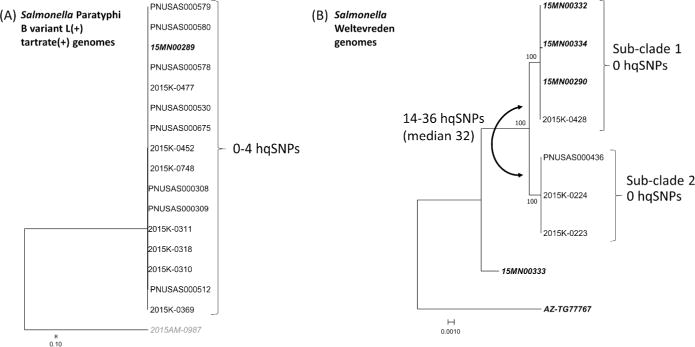
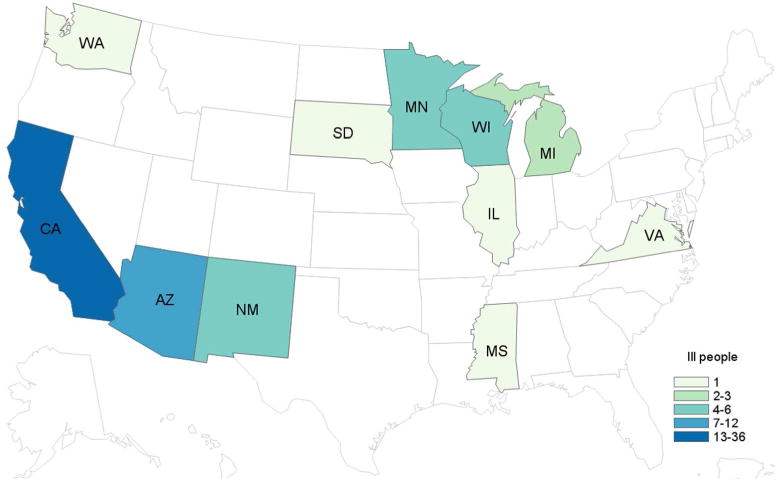
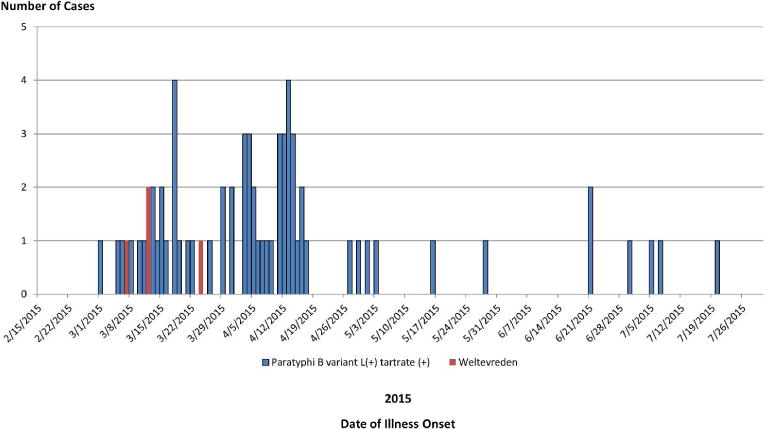
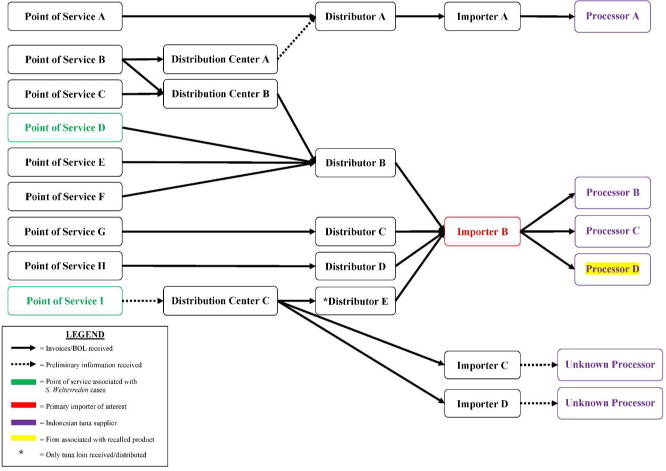
Description:Foodborne non-typhoidal salmonellosis causes approximately 1 million illnesses annually in the USA. In April 2015, we investigated a multistate outbreak of 65 Salmonella Paratyphi B variant L(+) tartrate(+) infections associated with frozen raw tuna imported from Indonesia, which was consumed raw in sushi. Forty-six (92%) of 50 case-patients interviewed ate sushi during the week before illness onset, and 44 (98%) of 45 who specified ate sushi containing raw tuna. Two outbreak strains were isolated from the samples of frozen raw tuna. Traceback identified a single importer as a common source of tuna consumed by case-patients; this importer issued three voluntary recalls of tuna sourced from one Indonesian processor. Four Salmonella Weltevreden infections were also linked to this outbreak. Whole-genome sequencing was useful in establishing a link between Salmonella isolated from ill people and tuna. This outbreak highlights the continuing foodborne illness risk associated with raw seafood consumption, the importance of processing seafood in a manner that minimises contamination with pathogenic microorganisms and the continuing need to ensure imported foods are safe to eat. People at higher risk for foodborne illness should not consume undercooked animal products, such as raw seafood.
-
Subjects:
-
Source:Epidemiol Infect. 146(11):1461-1467
-
Pubmed ID:29880080
-
Pubmed Central ID:PMC6063755
-
Document Type:
-
Funding:
-
Volume:146
-
Issue:11
-
Collection(s):
-
Main Document Checksum:urn:sha256:6359551eca0a549468f39489b4d3a42e17ce8ba7e1991a18079d599d34e5da86
-
Download URL:
-
File Type:
 [PDF
- 234.41 KB
]
[PDF
- 234.41 KB
]
Supporting Files


File Language:
English
ON THIS PAGE

CDC STACKS serves as an archival repository of CDC-published products including
scientific findings,
journal articles, guidelines, recommendations, or other public health information authored or
co-authored by CDC or funded partners.
As a repository, CDC STACKS retains documents in their original published format to ensure public access to scientific information.
As a repository, CDC STACKS retains documents in their original published format to ensure public access to scientific information.
You May Also Like
COLLECTION
CDC Public Access