



Preterm Birth Associated With Group B Streptococcus Maternal Colonization Worldwide: Systematic Review and Meta-analyses
Supporting Files

-
Nov 06 2017
File Language:
English
Details
-
Alternative Title:The Burden of Group B Streptococcus Worldwide for Pregnant Women, Stillbirths, and Children
-
Personal Author:Bianchi-Jassir, Fiorella ; Seale, Anna C ; Kohli-Lynch, Maya ; Lawn, Joy E ; Baker, Carol J ; Bartlett, Linda ; Cutland, Clare ; Gravett, Michael G ; Heath, Paul T ; Ip, Margaret ; Le Doare, Kirsty ; Madhi, Shabir A ; Saha, Samir K ; Schrag, Stephanie ; Sobanjo-ter Meulen, Ajoke ; Vekemans, Johan ; Rubens, Craig E
-
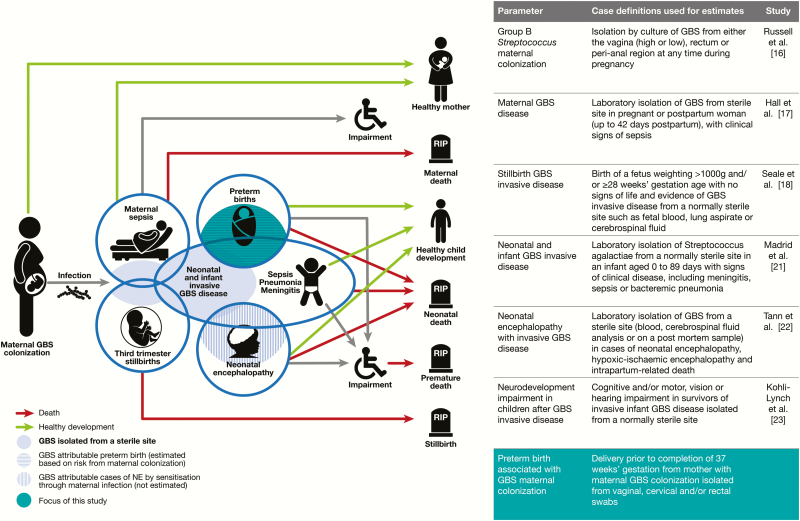
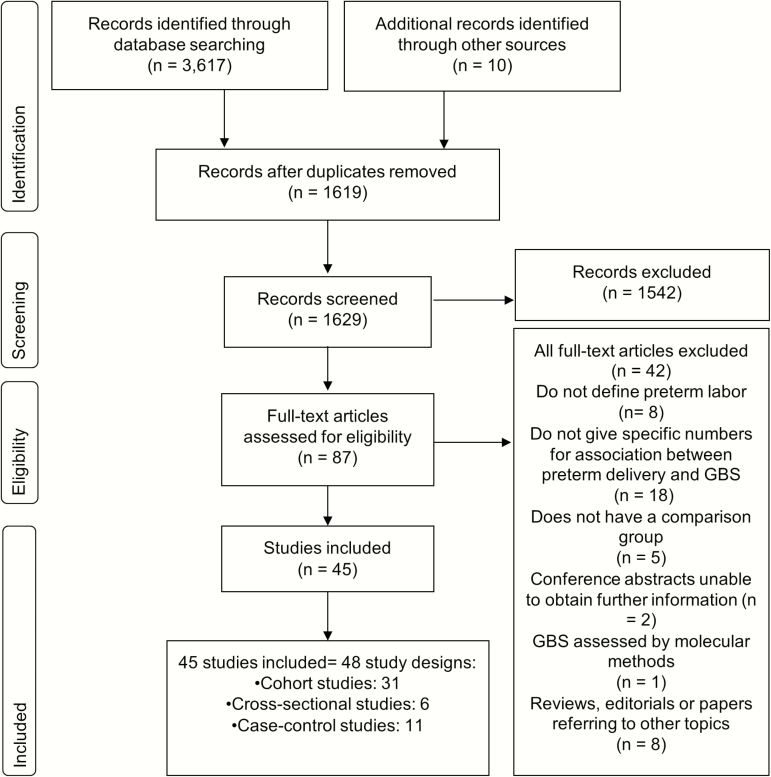
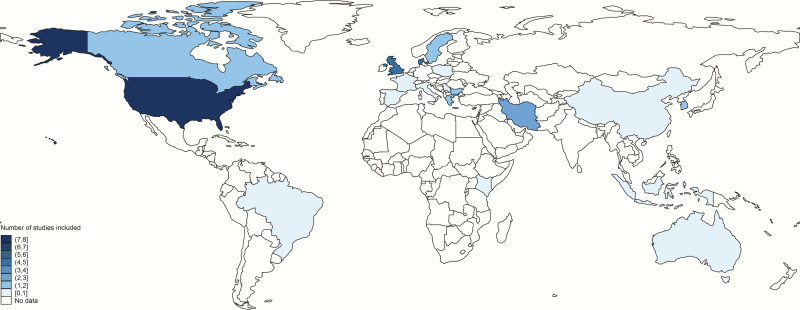
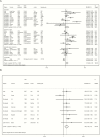
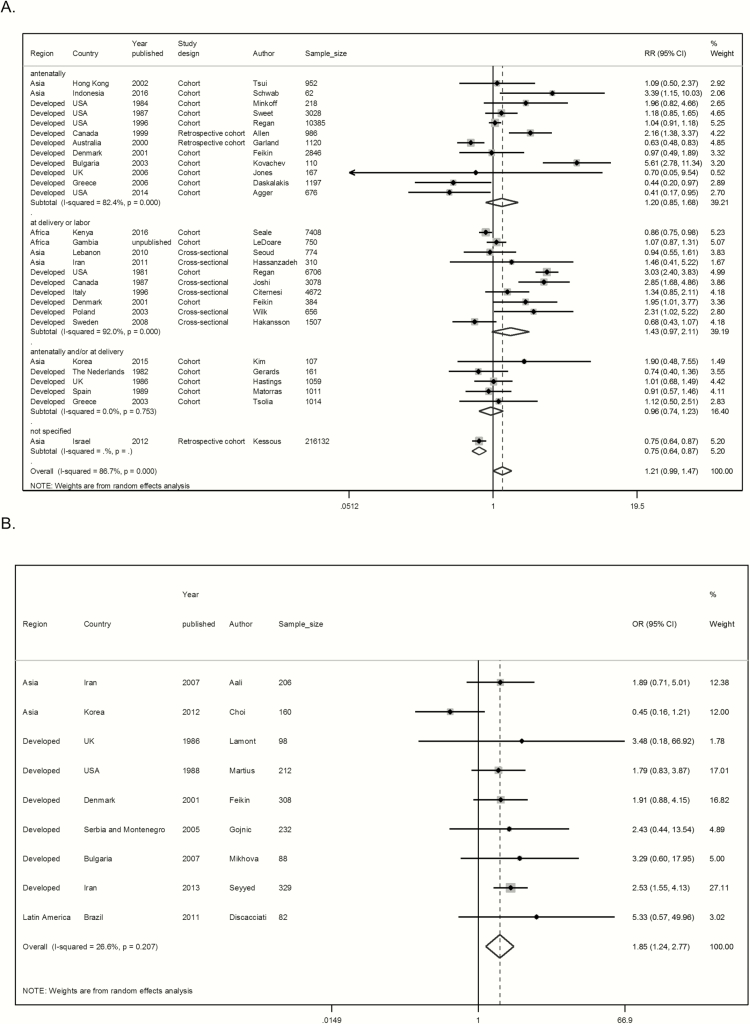
Description:Background ; Preterm birth complications are the leading cause of deaths among children <5 years of age. Studies have suggested that group B Streptococcus (GBS) maternal rectovaginal colonization during pregnancy may be a risk factor for preterm delivery. This article is the fifth of 11 in a series. We aimed to assess the association between GBS maternal colonization and preterm birth in order to inform estimates of the burden of GBS. ; Methods ; We conducted systematic literature reviews (PubMed/Medline, Embase, Latin American and Caribbean Health Sciences Literature LILACS, World Health Organization Library Information System WHOLIS, and Scopus) and sought unpublished data from investigator groups on the association of preterm birth (<37 weeks’ gestation) and maternal GBS colonization (GBS isolation from vaginal, cervical, and/or rectal swabs; with separate subanalysis on GBS bacteriuria). We did meta-analyses to derive pooled estimates of the risk and odds ratios (according to study design), with sensitivity analyses to investigate potential biases. ; Results ; We identified 45 studies for inclusion. We estimated the risk ratio (RR) for preterm birth with maternal GBS colonization to be 1.21 (95% confidence interval CI, .99–1.48; P = .061) in cohort and cross-sectional studies, and the odds ratio to be 1.85 (95% CI, 1.24–2.77; P = .003) in case-control studies. Preterm birth was associated with GBS bacteriuria in cohort studies (RR, 1.98 95% CI, 1.45–2.69; P < .001). ; Conclusions ; From this review, there is evidence to suggest that preterm birth is associated with maternal GBS colonization, especially where there is evidence of ascending infection (bacteriuria). Several biases reduce the chance of detecting an effect. Equally, however, results, including evidence for the association, may be due to confounding, which is rarely addressed in studies. Assessment of any effect on preterm delivery should be included in future maternal GBS vaccine trials.
-
Subjects:
-
Source:Clin Infect Dis. 2017; 65(Suppl 2):S133-S142
-
Pubmed ID:29117329
-
Pubmed Central ID:PMC5850429
-
Document Type:
-
Funding:
-
Volume:65
-
Download URL:
-
File Type:
 [PDF - 5.29 MB]
 -
Collection(s):
-
Main Document Checksum:urn:sha-512:6a41a5bbf862219bf742dca84d38524b37d09976a4af2da3dca99a73f31e866724eb1a0c997b5058a9ace9f68ec4c67ad09a5df1fe212124609636e784219964
Supporting Files


File Language:
English
 Was this page helpful?
 Found an issue?




CDC STACKS serves as an archival repository of CDC-published products including
scientific findings, journal articles, guidelines, recommendations, or other public health information authored or
co-authored by CDC or funded partners.
As a repository, CDC STACKS retains documents in their original published format to ensure public access to scientific information.
As a repository, CDC STACKS retains documents in their original published format to ensure public access to scientific information.
You May Also Like
COLLECTION
CDC Public Access