



A High-Throughput UHPLC-MS/MS Method for the Quantification of Five Aged Butyrylcholinesterase Biomarkers from Human Exposure to Organophosphorus Nerve Agents
Supporting Files

-
Oct 09 2016
-
Available in CDC Stacks on 2018-04-01T00:00:00Z
File Language:
English
Details
-
Alternative Title:Biomed Chromatogr
-
Personal Author:
-
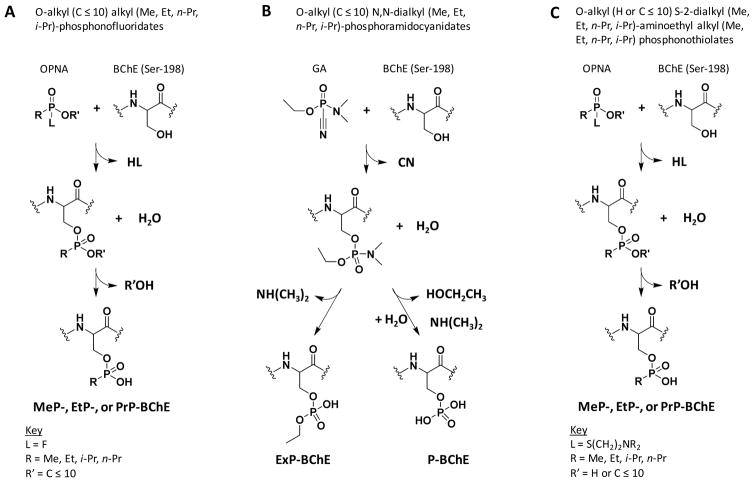
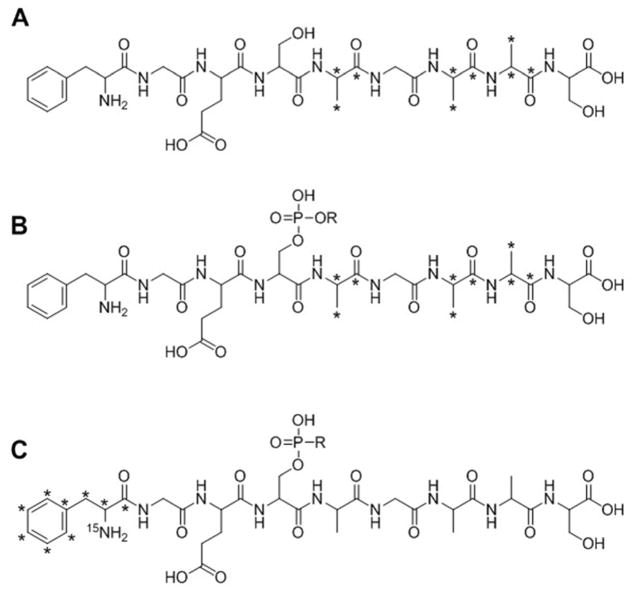
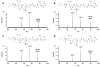
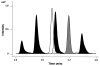
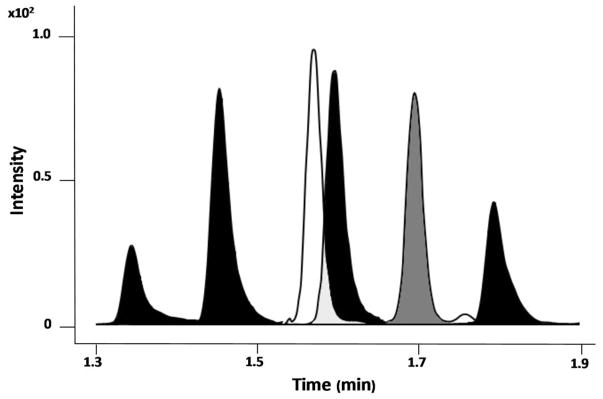
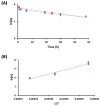
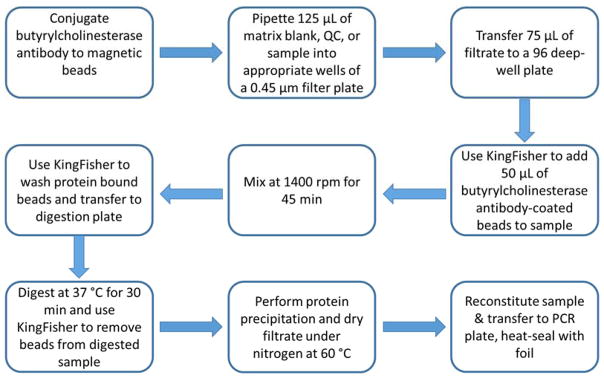
Description:Organophosphorus nerve agents (OPNAs) are toxic compounds that are classified as prohibited Schedule 1 chemical weapons. In the body, OPNAs bind to butyrylcholinesterase (BChE) to form nerve agent adducts (OPNA-BChE). OPNA-BChE adducts can provide a reliable, long-term protein biomarker for assessing human exposure. A major challenge facing OPNA-BChE detection is hydrolysis (aging), which can continue to occur after a clinical specimen has been collected. During aging, the o-alkyl phosphoester bond hydrolyzes, and the specific identity of the nerve agent is lost. To better identify OPNA exposure events, a high-throughput method for the detection of five aged OPNA-BChE adducts was developed. This is the first diagnostic panel to allow for the simultaneous quantification of any Chemical Weapons Convention Schedule 1 OPNA by measuring the aged adducts methyl phosphonate, ethyl phosphonate, propyl phosphonate, ethyl phosphoryl, phosphoryl and unadducted BChE. The calibration range for all analytes is 2.00-250. ng/mL, which is consistent with similar methodologies used to detect unaged OPNA-BChE adducts. Each analytical run is 3 min, making the time to first unknown results, including calibration curve and quality controls, less than 1 h. Analysis of commercially purchased individual serum samples demonstrated no potential interferences with detection of aged OPNA-BChE adducts, and quantitative measurements of endogenous levels of BChE were similar to those previously reported in other OPNA-BChE adduct assays.
-
Subjects:
-
Source:Biomed Chromatogr. 31(4).
-
Pubmed ID:27572107
-
Pubmed Central ID:PMC5713885
-
Document Type:
-
Funding:
-
Volume:31
-
Issue:4
-
Download URL:
-
File Type:
 [PDF - 1.16 MB]
 -
Collection(s):
-
Main Document Checksum:urn:sha256:e5705d6d082a36d71b454a5a0ea82d038930d1322d9d4f860094d6747780abf1
Supporting Files


File Language:
English
 Was this page helpful?
 Found an issue?








CDC STACKS serves as an archival repository of CDC-published products including
scientific findings, journal articles, guidelines, recommendations, or other public health information authored or
co-authored by CDC or funded partners.
As a repository, CDC STACKS retains documents in their original published format to ensure public access to scientific information.
As a repository, CDC STACKS retains documents in their original published format to ensure public access to scientific information.
You May Also Like
COLLECTION
CDC Public Access