



Symptom- and Laboratory-Based Ebola Risk Scores to Differentiate Likely Ebola Infections
Supporting Files
Public Domain

-
-
By Show All

File Language:
English
Details
-
Alternative Title:Emerg Infect Dis
-
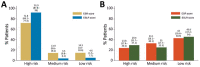
Description:Rapidly identifying likely Ebola patients is difficult because of a broad case definition, overlap of symptoms with common illnesses, and lack of rapid diagnostics. However, rapid identification is critical for care and containment of contagion. We analyzed retrospective data from 252 Ebola-positive and 172 Ebola-negative patients at a Sierra Leone Ebola treatment center to develop easy-to-use risk scores, based on symptoms and laboratory tests (if available), to stratify triaged patients by their likelihood of having Ebola infection. Headache, diarrhea, difficulty breathing, nausea/vomiting, loss of appetite, and conjunctivitis comprised the symptom-based score. The laboratory-based score also included creatinine, creatine kinase, alanine aminotransferase, and total bilirubin. This risk score correctly identified 92% of Ebola-positive patients as high risk for infection; both scores correctly classified >70% of Ebola-negative patients as low or medium risk. Clinicians can use these risk scores to gauge the likelihood of triaged patients having Ebola while awaiting laboratory confirmation.
-
Subjects:
- Adolescent
- Adult
- Clinical Laboratory Techniques
- Cohort Studies
- Female
- Hemorrhagic Fever, Ebola/diagnosis
- Hemorrhagic Fever, Ebola/physiopathology
- Humans
- Male
- Models, Biological
- Point-of-Care Testing
- Predictive Value of Tests
- Retrospective Studies
- Risk Assessment
- Time-to-Treatment
- Triage/methods
- Young Adult
-
Pubmed ID:29047428
-
Pubmed Central ID:PMC5652431
-
Document Type:
-
Place as Subject:
-
Volume:23
-
Issue:11
-
Download URL:
-
File Type:
 [PDF - 1.15 MB]
-
Collection(s):
-
Main Document Checksum:urn:sha256:af217fe0714d612f04355236ee0ef6728b7cbeebc0eb236dd76975ff12da701d
Supporting Files


File Language:
English
 Was this page helpful?
 Found an issue?



CDC STACKS serves as an archival repository of CDC-published products including
scientific findings, journal articles, guidelines, recommendations, or other public health information authored or
co-authored by CDC or funded partners.
As a repository, CDC STACKS retains documents in their original published format to ensure public access to scientific information.
You May Also Like
COLLECTION
Emerging Infectious Diseases