


Mesothelin Promotes Epithelial-to-Mesenchymal Transition and Tumorigenicity of Human Lung Cancer and Mesothelioma Cells
Supporting Files
Public Domain

-
2017/03/14
-
File Language:
English
Details
-
Journal Article:Molecular Cancer
-
Personal Author:
-
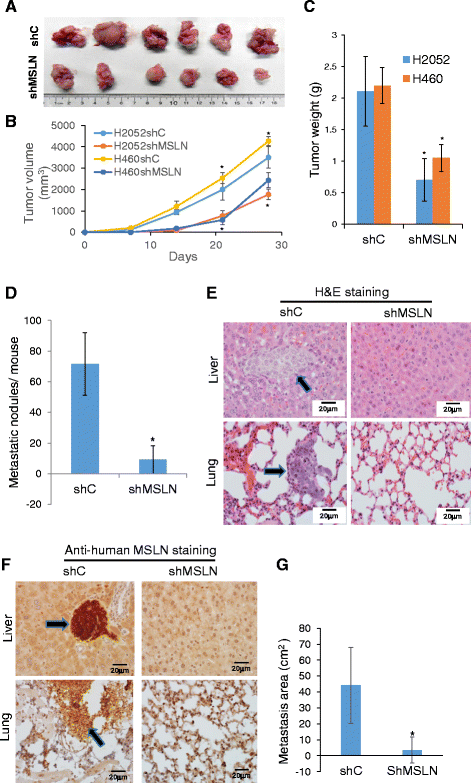
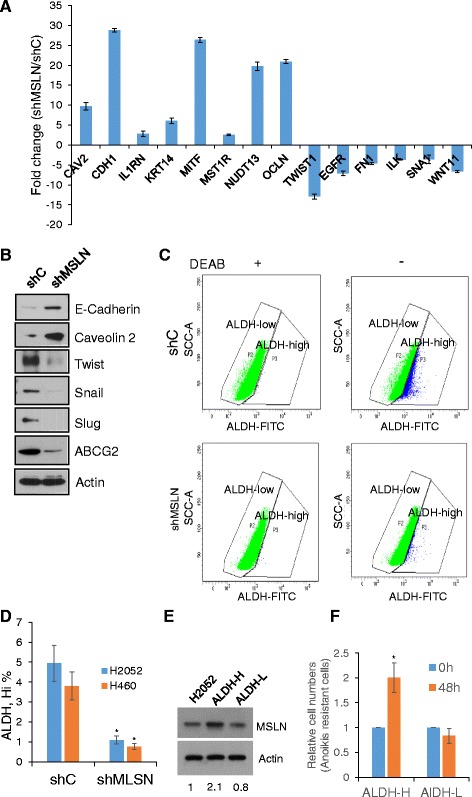
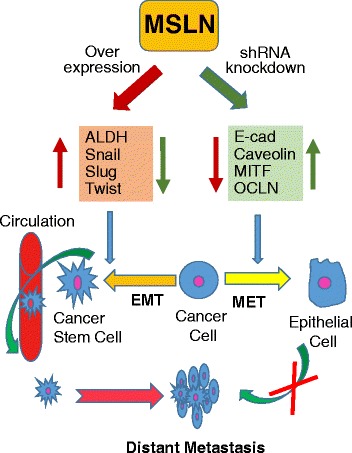
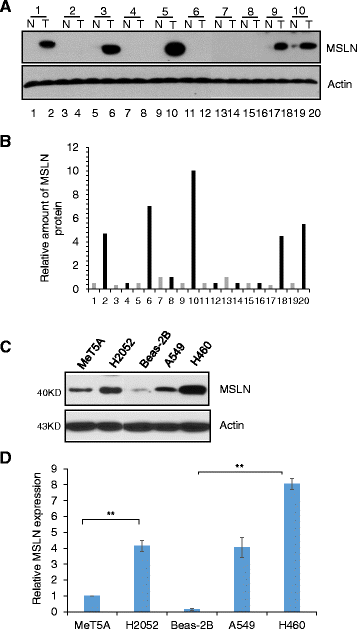
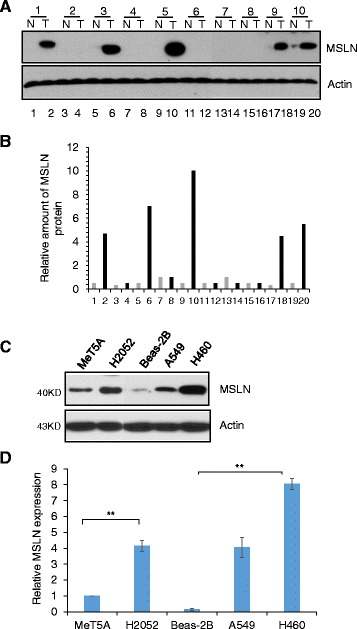
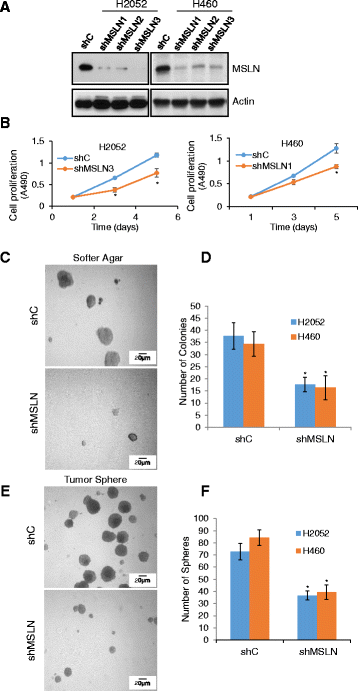
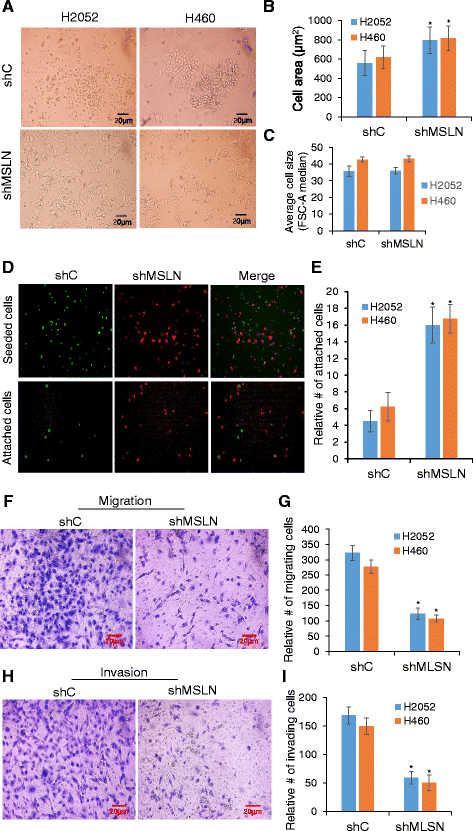
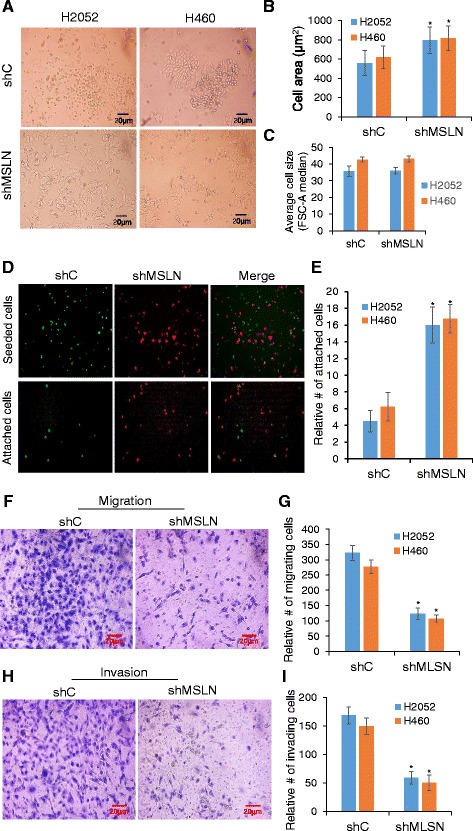
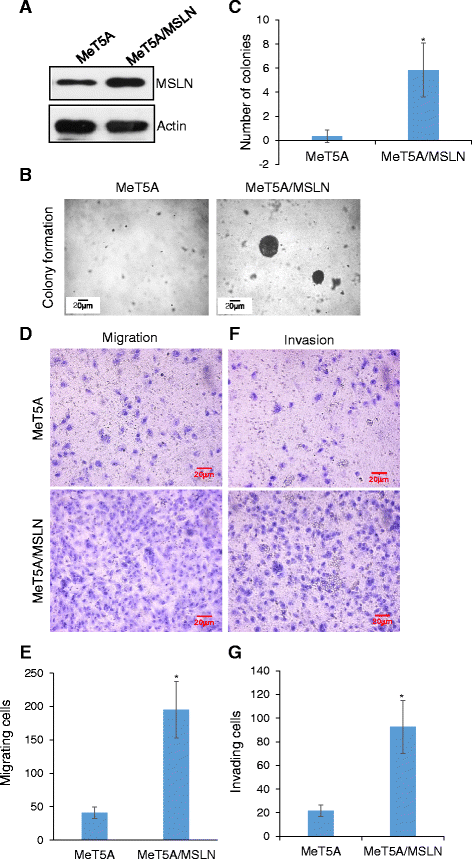
Description:Background: Lung cancer and pleural mesothelioma are two of the most deadly forms of cancer. The prognosis of lung cancer and mesothelioma is extremely poor due to limited treatment modalities and lack of understanding of the disease mechanisms. We have identified mesothelin as a potentially unique therapeutic target that as a specific advantage appears nonessential in most cell types. Mesothelin (MSLN), a plasma membrane differentiation antigen, is expressed at a high level in many human solid tumors, including 70% of lung cancer and nearly all mesotheliomas. However, the role of MSLN in the disease process and underlying mechanisms is largely unknown. Methods: ShRNA knockdown and overexpression of MSLN were performed in human cancer cell lines and corresponding normal cells, respectively. Tumorigenic and metastatic effects of MSLN were examined by tumor sphere formation, migration, and invasion assays in vitro, as well as xenograft tumor assay in vivo. EMT and CSCs were detected by qPCR array, immunoblotting and flow cytometry. Results: MSLN plays a key role in controlling epithelial-to-mesenchymal transition (EMT) and stem properties of human lung cancer and mesothelioma cells that control their tumorigenicity and metastatic potential. Firstly, MSLN was found to be highly upregulated in non-small cell lung cancer (NSCLC) patient tissues and in lung carcinoma and mesothelioma cell lines. Secondly, genetic knockdown of MSLN significantly reduced anchorage-independent cell growth, tumor sphere formation, cell adhesion, migration and invasion in vitro, as well as tumor formation and metastasis in vivo. Thirdly, ectopic overexpression of MSLN induced the malignant phenotype of non-cancerous cells, supporting its role as an oncogene. Finally, mechanistic studies revealed that knockdown of MSLN reversed EMT and attenuated stem cell properties, in addition to inhibiting tumor growth and metastasis. Conclusions: These results indicate an essential role of MSLN in controlling EMT and stem cell properties of human lung cancer and mesothelioma cells. Since EMT is an important process in tumor progression and metastasis, and MSLN is nonessential in most normal tissue, our findings on MSLN may provide new insights into the disease mechanisms and may aid in the development of novel targeted therapy for lung cancer and mesothelioma. [Description provided by NIOSH]
-
Subjects:
-
Keywords:Author Keywords: Mesothelin; Lung Cancer; Mesothelioma; Epithelial To Mesenchymal Transition; Cancer Stem Cells; Circulating Tumor Cells; Metastasis Mesothelial Cells; Mesothelioma; Tumor Inhibition; Therapeutic Agents; Cancer; Lung Cancer; Lung Cells; Pulmonary System Disorders; Respiratory System Disorders; Humans; Cellular Function; Metastasis; Pleural Cavity; Plasma Membrane; In Vitro Study; In Vivo Study; Bioassays; Cytometric Analysis; Immunoassays; Antigens; Cell Cultures; Cell Migration; Stem Cells; Cell Type; Gene Expression; Gene Regulation; Cellular Reactions; Oncogenic Agents;
-
Source:Mol Cancer 2017 Mar; 16(1):63
-
ISSN:1476-4598
-
Pubmed ID:28288645
-
Pubmed Central ID:PMC5348784
-
Document Type:
-
Genre:
-
Place as Subject:
-
CIO:
-
Division:
-
Topic:
-
Location:
-
Pages in Document:13 pdf pages
-
Volume:16
-
Issue:1
-
NIOSHTIC Number:nn:20049535
-
Contact Point Address:Yon Rojanasakul, Department of Pharmaceutical Sciences, West Virginia University, 1 Medical Center Drive, Morgantown, WV 26506, USA
-
Email:yrojan@hsc.wvu.edu
-
Federal Fiscal Year:2017
-
NORA Priority Area:
-
Peer Reviewed:True
-
Collection(s):
-
Main Document Checksum:urn:sha-512:7652553af52acc1b24dcc6603634941cbf2c80c3aa3a2b42b3523f5d12890436bab82be4afce8df64e0810c66a65427c7bc786300fd960cb6f93c2375d2a9bba
-
Download URL:
-
File Type:
 [PDF
- 1.89 MB
]
[PDF
- 1.89 MB
]
Supporting Files


File Language:
English
ON THIS PAGE





CDC STACKS serves as an archival repository of CDC-published products including
scientific findings,
journal articles, guidelines, recommendations, or other public health information authored or
co-authored by CDC or funded partners.
As a repository, CDC STACKS retains documents in their original published format to ensure public access to scientific information.
As a repository, CDC STACKS retains documents in their original published format to ensure public access to scientific information.
You May Also Like