


Perceived quality of life among caregivers of children with a childhood-onset dystrophinopathy: a double ABCX model of caregiver stressors and perceived resources
Supporting Files

-
Feb 10 2017
-
Details
-
Alternative Title:Health Qual Life Outcomes
-
Personal Author:
-
Description:Background
Duchenne and Becker muscular dystrophies, collectively referred to as dystrophinopathies, are recessive X-linked disorders characterized by progressive muscle weakness and ultimately cardiac and respiratory failure. Immediate family members are often primary caregivers of individuals with a dystrophinopathy.
Methods
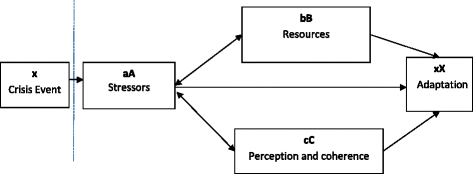
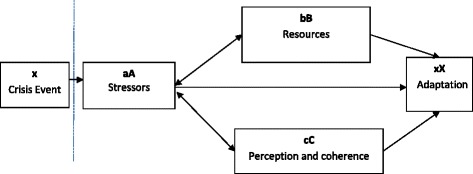
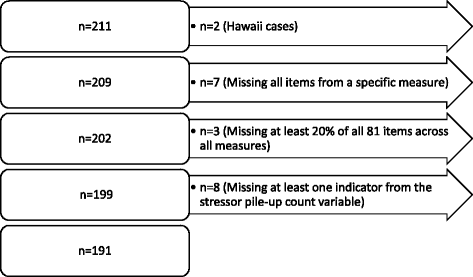
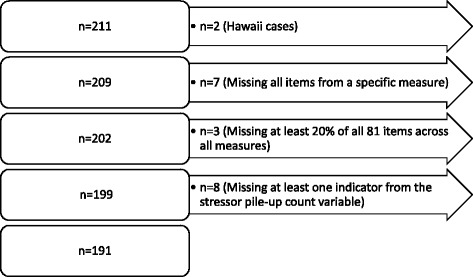
We explored the impact of this role by inviting primary caregivers (n = 209) of males diagnosed with childhood-onset dystrophinopathy who were identified by the Muscular Dystrophy Surveillance, Tracking, and Research Network (MD STARnet) to complete a mailed questionnaire measuring perceived social support and stress, spirituality, and family quality of life (FQoL). Bivariate and multivariate analyses examined associations between study variables using the Double ABCX model as an analytic framework.
Results
Higher stressor pile-up was associated with lower perceived social support (r = -0.29, p < .001), availability of supportive family (r = -0.30, p < .001) or non-family (r = -0.19, p < .01) relationships, and higher perceived stress (r = 0.33, p < .001); but not with spirituality (r = -0.14, p > 0.05). FQoL was positively associated with all support measures (correlations ranged from: 0.25 to 0.58, p-values 0.01–0.001) and negatively associated with perceived stress and control (r = -0.49, p < .001). The association between stressor pile-up and FQoL was completely mediated through global perceived social support, supportive family relationships, and perceived stress and control; supportive non-family relationships did not remain statistically significant after controlling for other mediators.
Conclusions
Findings suggest caregiver adaptation to a dystrophinopathy diagnosis can be optimized by increased perceived control, supporting family resources, and creation of a healthy family identity. Our findings will help identify areas for family intervention and guide clinicians in identifying resources that minimize stress and maximize family adaptation.
-
Subjects:
-
Source:Health Qual Life Outcomes. 15.
-
Pubmed ID:28187773
-
Pubmed Central ID:PMC5303295
-
Document Type:
-
Funding:
-
Volume:15
-
Collection(s):
-
Main Document Checksum:urn:sha256:82bc615e5b2cddca4e55d8fa28015c1fc23d13a54eea4dff901661720ffc42c7
-
Download URL:
-
File Type:
 [PDF
- 869.17 KB
]
[PDF
- 869.17 KB
]
Supporting Files


ON THIS PAGE



CDC STACKS serves as an archival repository of CDC-published products including
scientific findings,
journal articles, guidelines, recommendations, or other public health information authored or
co-authored by CDC or funded partners.
As a repository, CDC STACKS retains documents in their original published format to ensure public access to scientific information.
As a repository, CDC STACKS retains documents in their original published format to ensure public access to scientific information.
You May Also Like
COLLECTION
CDC Public Access