


Single-Use, Electricity-Free Amplification Device for Detection of HIV-1
Supporting Files

-
11 2016
-
File Language:
English
Details
-
Alternative Title:J Virol Methods
-
Personal Author:
-
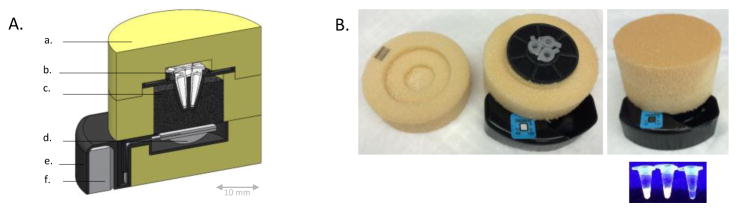
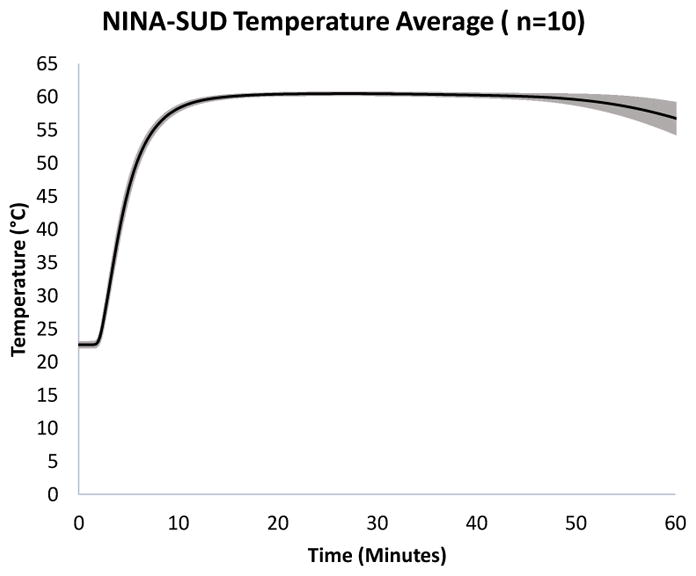
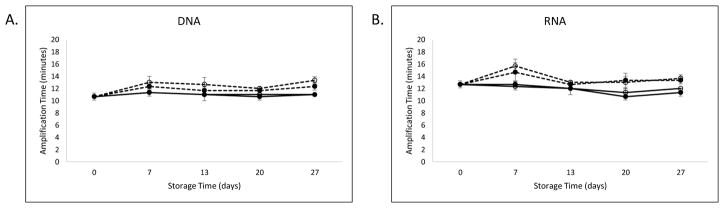
Description:Early and accurate diagnosis of HIV is key for the reduction of transmission and initiation of patient care. The availability of a rapid nucleic acid test (NAT) for use at the point-of-care (POC) will fill a gap in HIV diagnostics, improving the diagnosis of acute infection and HIV in infants born to infected mothers. In this study, we evaluated the performance of non-instrumented nucleic acid amplification, single-use disposable (NINA-SUD) devices for the detection of HIV-1 in whole blood using reverse-transcription, loop-mediated isothermal amplification (RT-LAMP) with lyophilized reagents. The NINA-SUD heating device harnesses the heat from an exothermic chemical reaction initiated by the addition of saline to magnesium iron powder. Reproducibility was demonstrated between NINA-SUD units and comparable, if not superior, performance for detecting clinical specimens was observed as compared to the thermal cycler. The stability of the lyophilized HIV-1 RT-LAMP reagents was also demonstrated following storage at -20, 4, 25, and 30°C for up to one month. The single-use, disposable NAT minimizes hands-on time and has the potential to facilitate HIV-1 testing in resource-limited settings or at the POC.
-
Subjects:
-
Source:J Virol Methods. 237:132-137
-
Pubmed ID:27616198
-
Pubmed Central ID:PMC5056841
-
Document Type:
-
Funding:
-
Volume:237
-
Collection(s):
-
Main Document Checksum:urn:sha256:fddddf65e7bc1f93f961196c24fc185ffa34eb5a0fe07bc66ec8e67c03170be3
-
Download URL:
-
File Type:
 [PDF
- 470.96 KB
]
[PDF
- 470.96 KB
]
Supporting Files


File Language:
English
ON THIS PAGE



CDC STACKS serves as an archival repository of CDC-published products including
scientific findings,
journal articles, guidelines, recommendations, or other public health information authored or
co-authored by CDC or funded partners.
As a repository, CDC STACKS retains documents in their original published format to ensure public access to scientific information.
As a repository, CDC STACKS retains documents in their original published format to ensure public access to scientific information.
You May Also Like
COLLECTION
CDC Public Access