



Binge Drinking Induces Whole-Body Insulin Resistance by Impairing Hypothalamic Insulin Action
Supporting Files

-
Jan 30 2013
-
Available in CDC Stacks on 2013-08-12T00:00:00Z
Details
-
Alternative Title:Sci Transl Med
-
Personal Author:
-
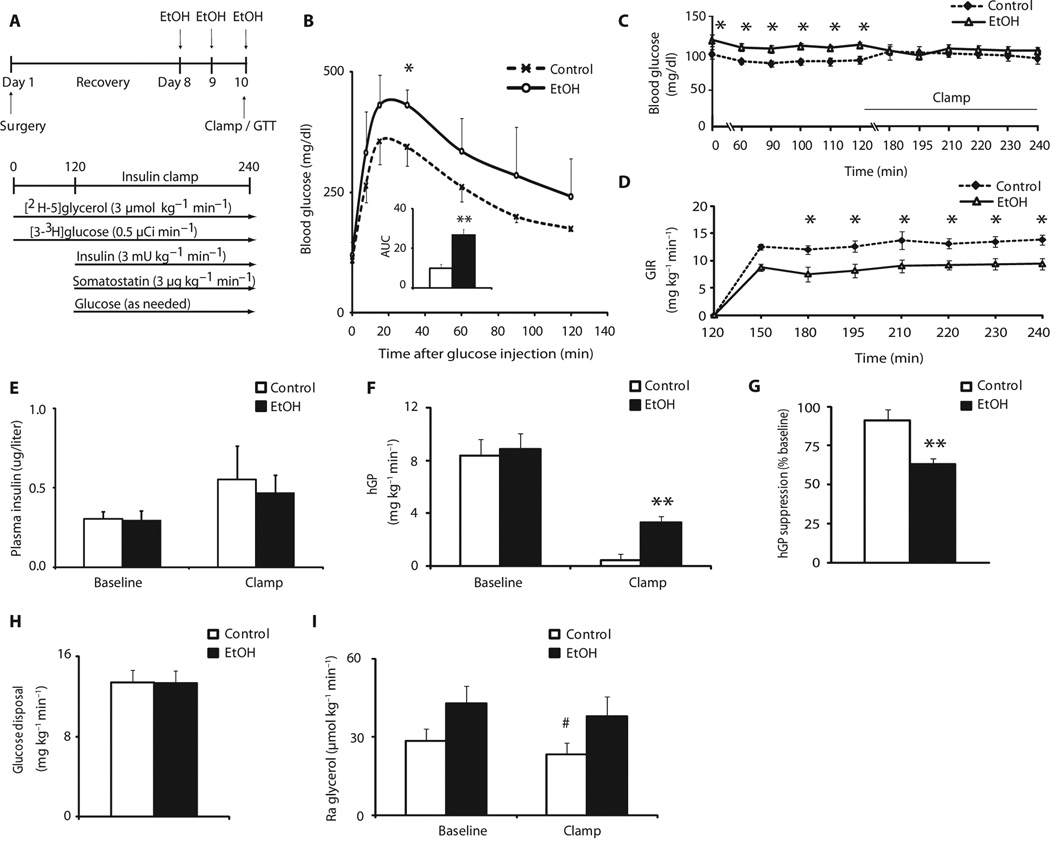
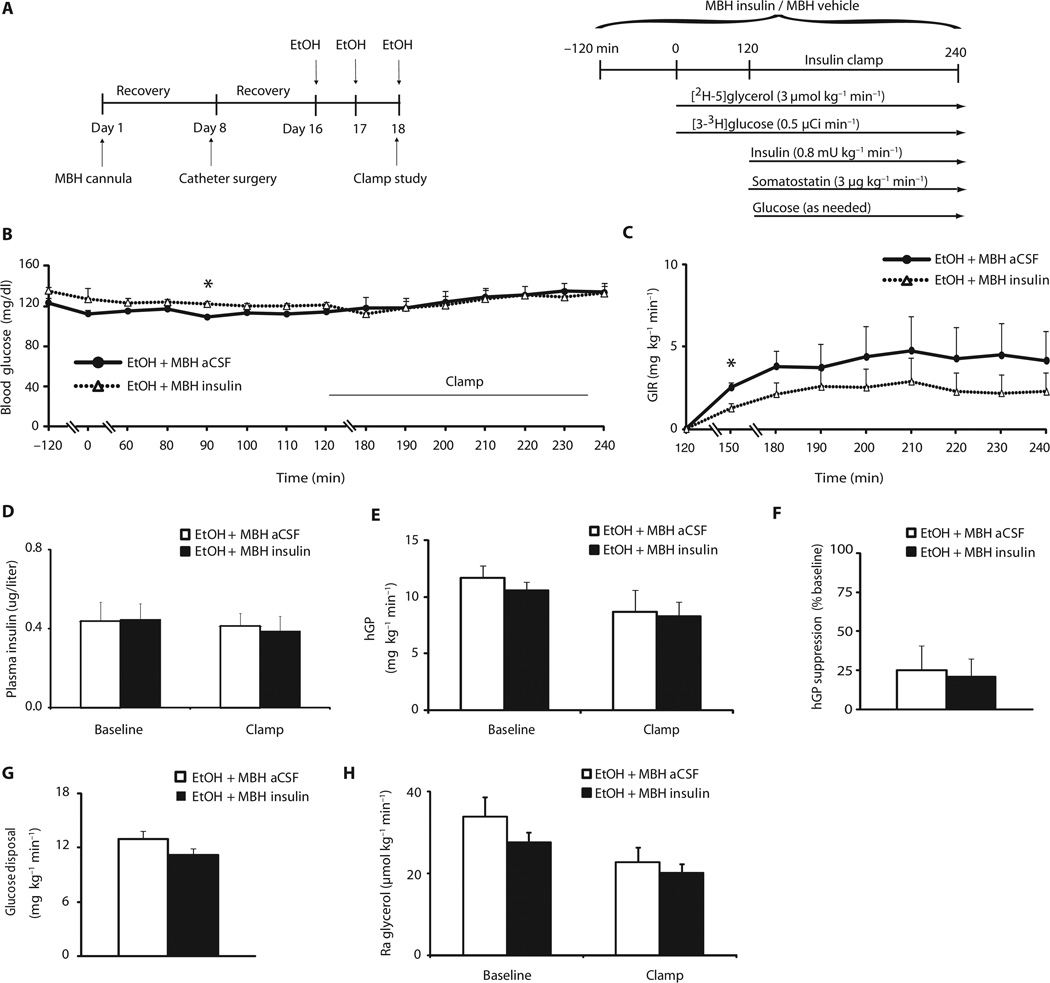
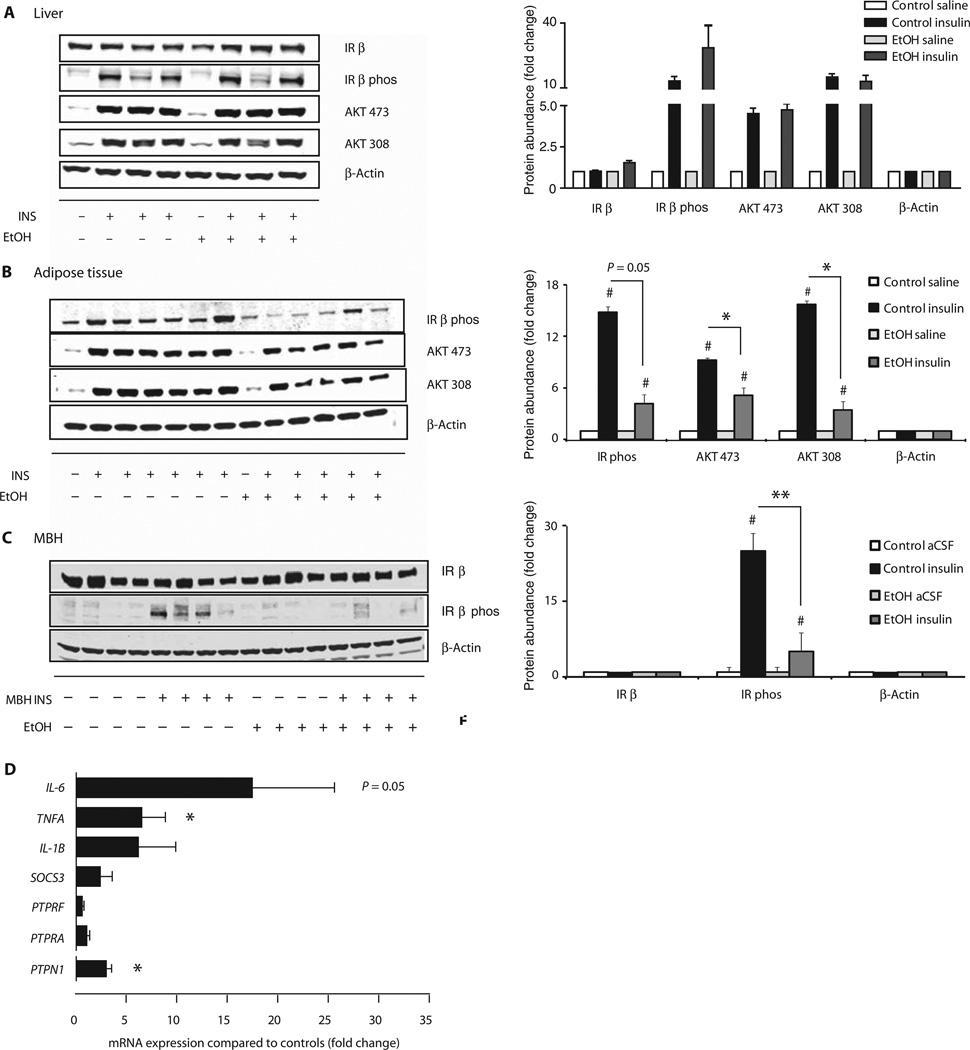
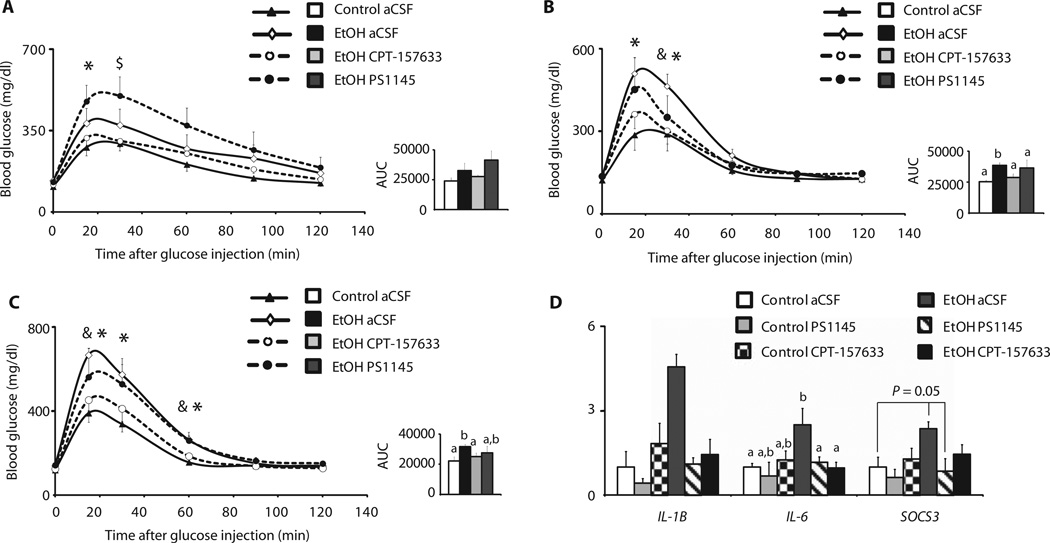
Description:Individuals with a history of binge drinking have an increased risk of developing the metabolic syndrome and type 2 diabetes. Whether binge drinking impairs glucose homeostasis and insulin action is unknown. To test this, we treated Sprague-Dawley rats daily with alcohol (3 g/kg) for three consecutive days to simulate human binge drinking and found that these rats developed and exhibited insulin resistance even after blood alcohol concentrations had become undetectable. The animals were resistant to insulin for up to 54 hours after the last dose of ethanol, chiefly a result of impaired hepatic and adipose tissue insulin action. Because insulin regulates hepatic glucose production and white adipose tissue lipolysis, in part through signaling in the central nervous system, we tested whether binge drinking impaired brain control of nutrient partitioning. Rats that had consumed alcohol exhibited impaired hypothalamic insulin action, defined as the ability of insulin infused into the mediobasal hypothalamus to suppress hepatic glucose production and white adipose tissue lipolysis. Insulin signaling in the hypothalamus, as assessed by insulin receptor and AKT phosphorylation, decreased after binge drinking. Quantitative polymerase chain reaction showed increased hypothalamic inflammation and expression of protein tyrosine phosphatase 1B (PTP1B), a negative regulator of insulin signaling. Intracerebroventricular infusion of CPT-157633, a small-molecule inhibitor of PTP1B, prevented binge drinking-induced glucose intolerance. These results show that, in rats, binge drinking induces systemic insulin resistance by impairing hypothalamic insulin action and that this effect can be prevented by inhibition of brain PTP1B.
-
Subjects:
-
Source:Sci Transl Med. 5(170):170ra14.
-
Pubmed ID:23363978
-
Pubmed Central ID:PMC3740748
-
Document Type:
-
Funding:DK074873/DK/NIDDK NIH HHS/United States ; U24 DK076169/DK/NIDDK NIH HHS/United States ; U24 DK76169/DK/NIDDK NIH HHS/United States ; P41 RR018522/RR/NCRR NIH HHS/United States ; R03 DK082724/DK/NIDDK NIH HHS/United States ; U62 PS001145/PS/NCHHSTP CDC HHS/United States ; DK083568/DK/NIDDK NIH HHS/United States ; P50 AG005138/AG/NIA NIH HHS/United States ; DK082724/DK/NIDDK NIH HHS/United States ; K08 DK074873/DK/NIDDK NIH HHS/United States ; R01 CA053840/CA/NCI NIH HHS/United States ; P60 DK020541/DK/NIDDK NIH HHS/United States ; R01 DK083658/DK/NIDDK NIH HHS/United States
-
Volume:5
-
Issue:170
-
Download URL:
-
File Type:
 [PDF - 3.01 MB]
 -
Collection(s):
-
Main Document Checksum:urn:sha256:f23ca1fa1d4345249f37f0cd52c4d67de7a0cd079d586d1cb311e4372e5cb549
Supporting Files


 Was this page helpful?
 Found an issue?




CDC STACKS serves as an archival repository of CDC-published products including
scientific findings, journal articles, guidelines, recommendations, or other public health information authored or
co-authored by CDC or funded partners.
As a repository, CDC STACKS retains documents in their original published format to ensure public access to scientific information.
As a repository, CDC STACKS retains documents in their original published format to ensure public access to scientific information.
You May Also Like
COLLECTION
CDC Public Access