



Evaluation of the Pulmonary Toxicity of Ambient Particulate Matter from Camp Victory, Iraq
Supporting Files

-
2015 ; 2015
-
Available in CDC Stacks on January 15, 2016, 12:00 AM
File Language:
English
Details
-
Alternative Title:J Toxicol Environ Health A
-
Personal Author:
-
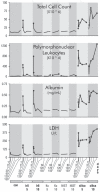
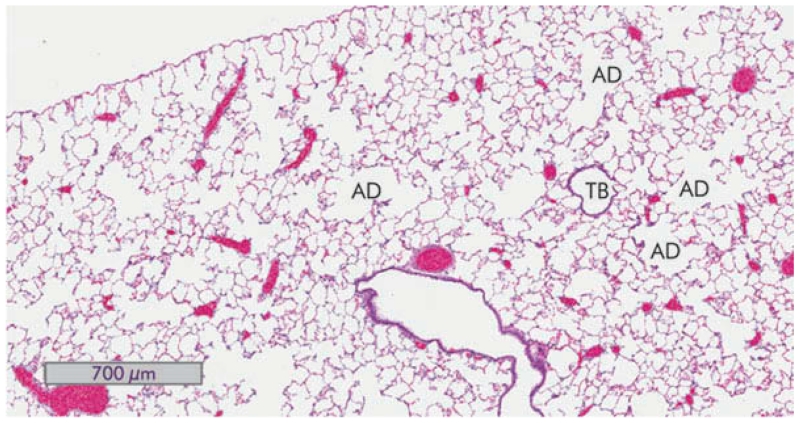
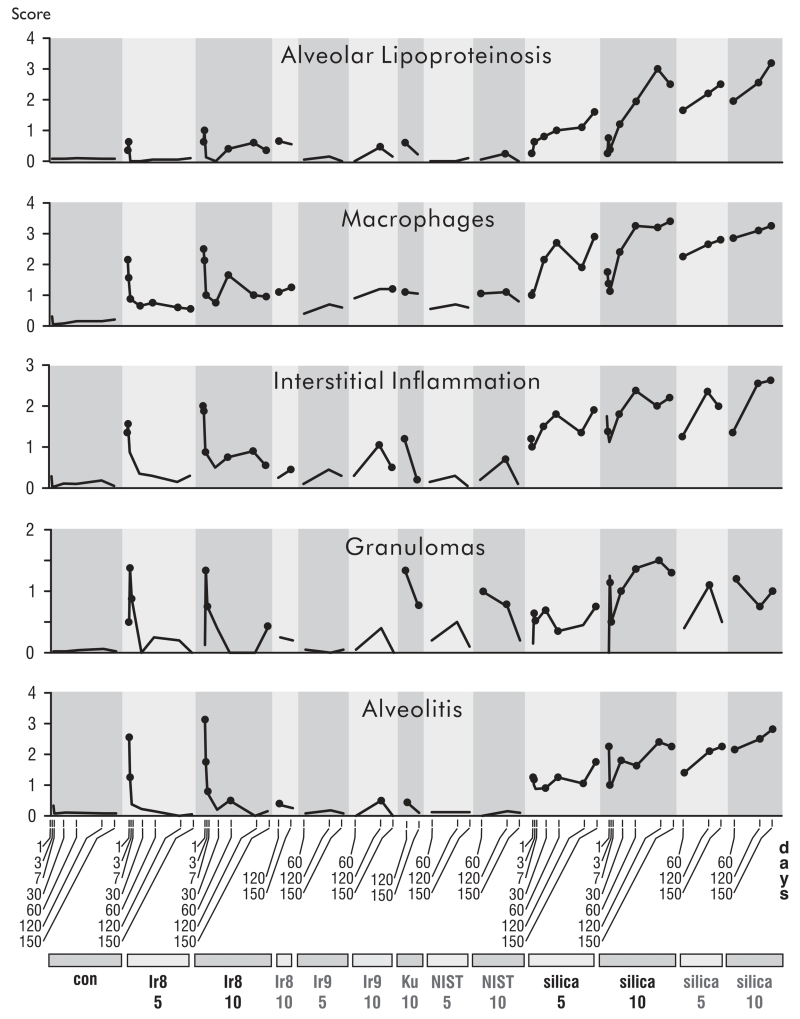
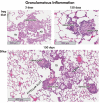
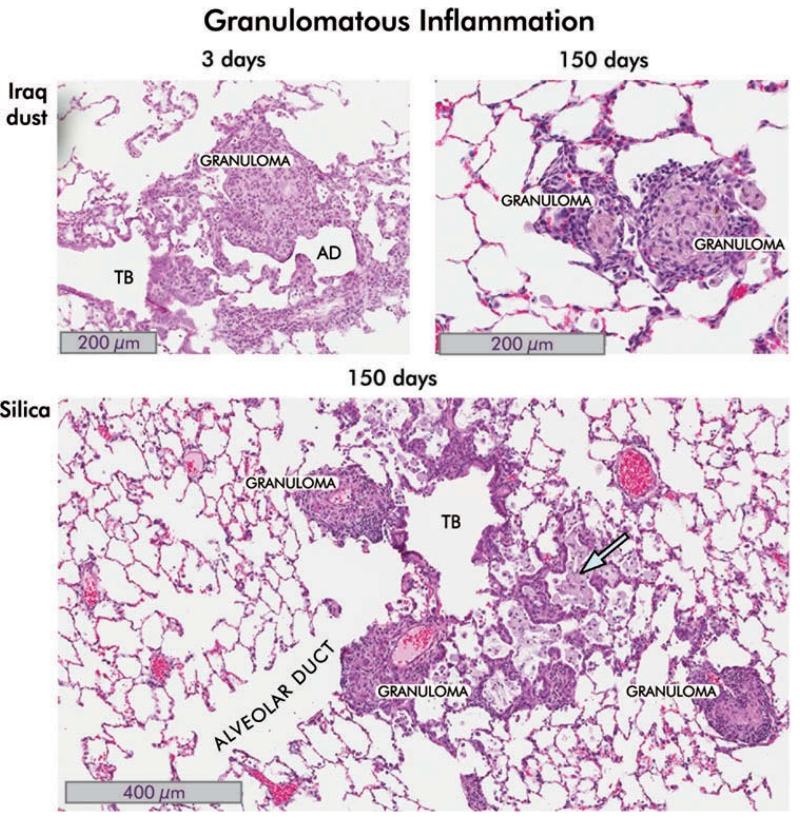
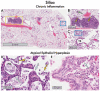
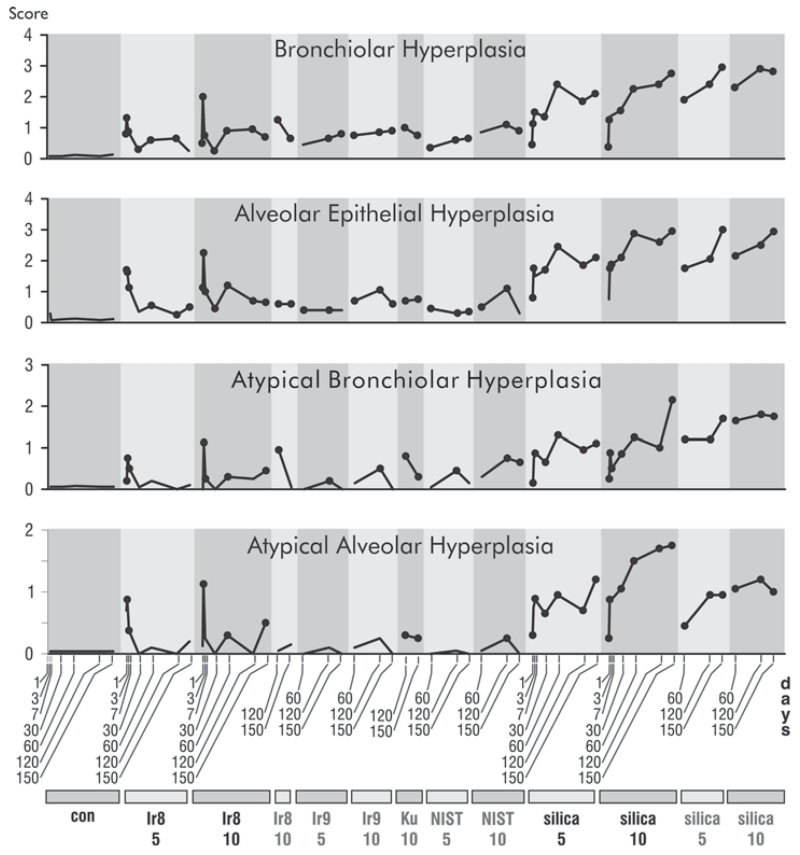
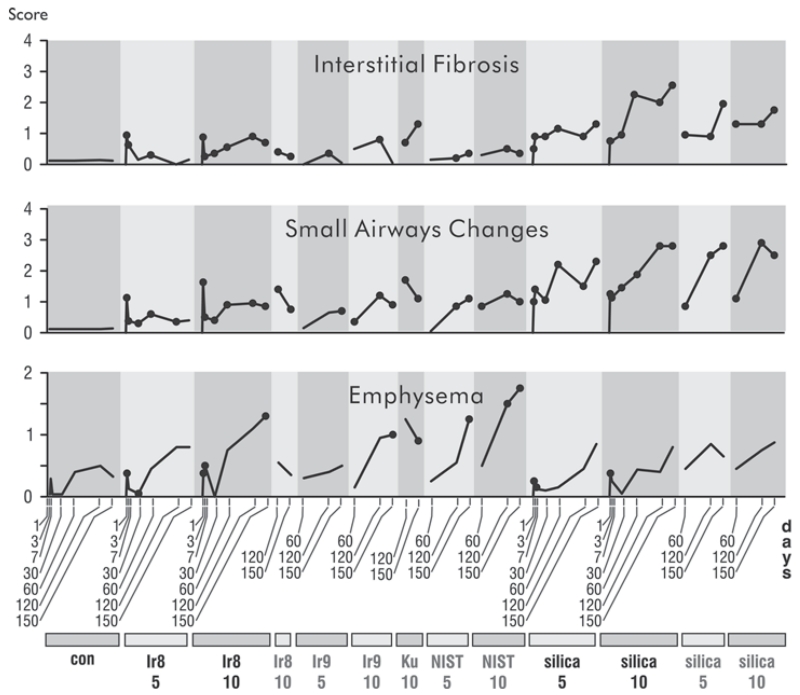
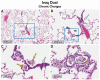
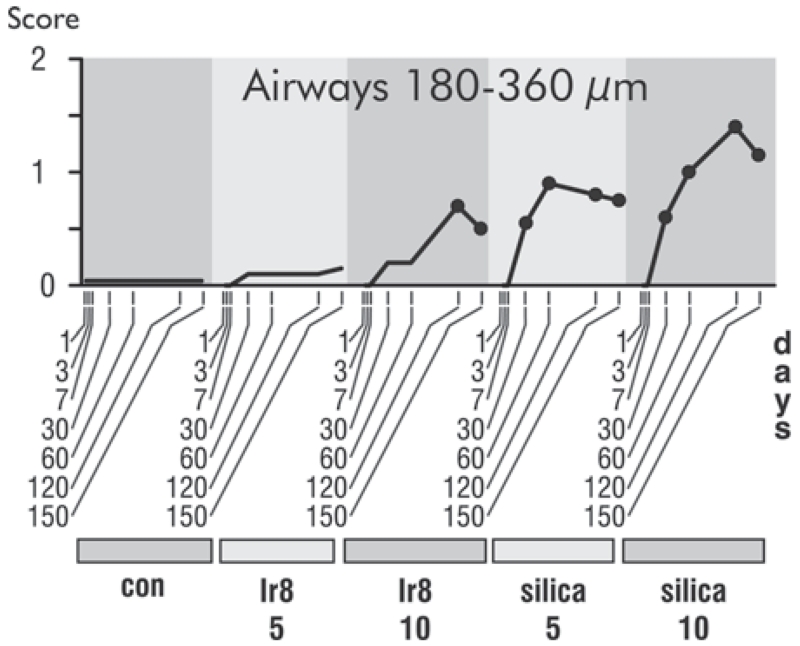
Description:Anecdotal reports in the press and epidemiological studies suggest that deployment to Iraq and Afghanistan may be associated with respiratory diseases and symptoms in U.S. military personnel and veterans. Exposures during military operations were complex, but virtually all service members were exposed to high levels of respirable, geogenic dust. Inhalation of other dusts has been shown to be associated with adverse health effects, but the pulmonary toxicity of ambient dust from Iraq has not been previously studied. The relative toxicity of Camp Victory dust was evaluated by comparing it to particulate matter from northern Kuwait, a standard U.S. urban dust, and crystalline silica using a single intratracheal instillation in rats. Lung histology, protein levels, and cell counts were evaluated in the bronchoalveolar lavage fluid 1-150 d later. The Iraq dust provoked an early significant, acute inflammatory response. However, the level of inflammation in response to the Iraq dust, U.S. urban dust, and Kuwait dust rapidly declined and was nearly at control levels by the end of the study At later times, animals exposed to the Iraq, U.S. urban, or Kuwait dusts showed increased small airway remodeling and emphysema compared to silica-exposed and control animals without evidence of fibrosis or premalignant changes. The severity and persistence of pulmonary toxicity of these three dusts from the Middle East resemble those of a U.S. urban dust and are less than those of silica. Therefore, Iraq dust exposure is not highly toxic, but similar to other poorly soluble low-toxicity dusts.
-
Keywords:
-
Source:J Toxicol Environ Health A. 78(0):1385-1408
-
Pubmed ID:26594896
-
Pubmed Central ID:PMC4714599
-
Document Type:
-
Funding:
-
Volume:78
-
Issue:0
-
Download URL:
-
File Type:
 [PDF - 5.52 MB]
 -
Collection(s):
-
Main Document Checksum:urn:sha-512:0309afa9721028c6e780a059287429adede4cc90bdae7f674db21383a148e39c7213dcfa85716fea767b133f5947da03fe06df3d75543a1afc04d0b699ee2042
Supporting Files


File Language:
English
 Was this page helpful?
 Found an issue?






CDC STACKS serves as an archival repository of CDC-published products including
scientific findings, journal articles, guidelines, recommendations, or other public health information authored or
co-authored by CDC or funded partners.
As a repository, CDC STACKS retains documents in their original published format to ensure public access to scientific information.
As a repository, CDC STACKS retains documents in their original published format to ensure public access to scientific information.
You May Also Like
COLLECTION
CDC Public Access