


Comparative Evaluation of Commercially Available Manual and Automated Nucleic Acid Extraction Methods for Rotavirus RNA Detection in Stool
Supporting Files

-
September 13 2013
-
File Language:
English
Details
-
Alternative Title:J Virol Methods
-
Personal Author:
-
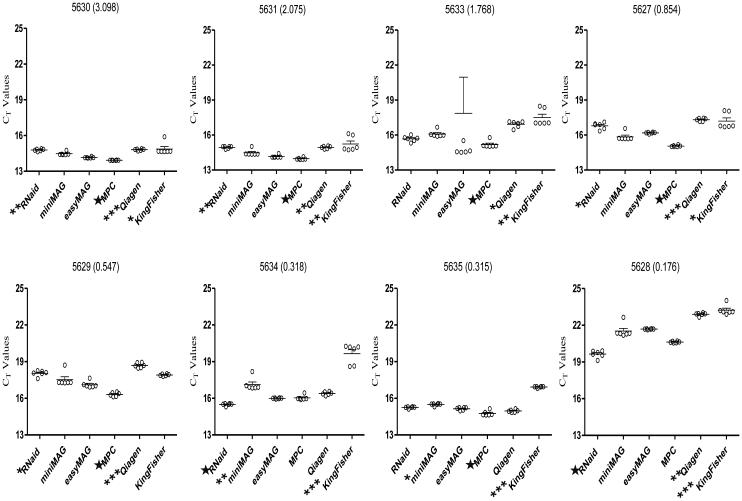
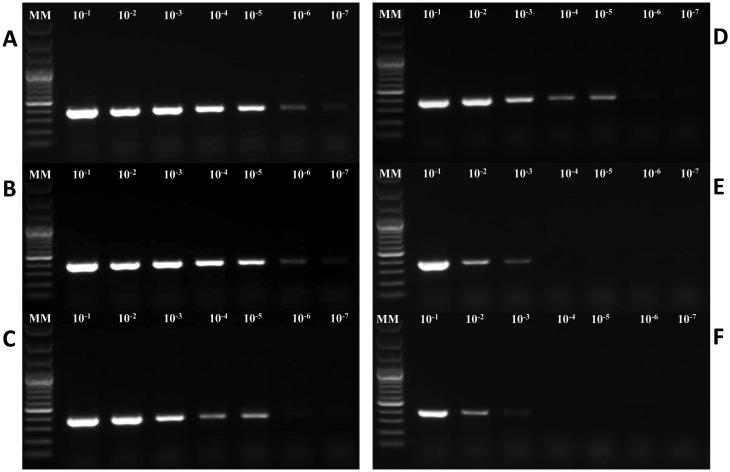
Description:Rotaviruses are a major cause of viral gastroenteritis in children. For accurate and sensitive detection of rotavirus RNA from stool samples by reverse transcription-polymerase chain reaction (RT-PCR), the extraction process must be robust. However, some extraction methods may not remove the strong RT-PCR inhibitors known to be present in stool samples. The objective of this study was to evaluate and compare the performance of six extraction methods used commonly for extraction of rotavirus RNA from stool, which have never been formally evaluated: the MagNA Pure Compact, KingFisher Flex and NucliSENS easyMAG instruments, the NucliSENS miniMAG semi-automated system, and two manual purification kits, the QIAamp Viral RNA kit and a modified RNaid kit. Using each method, total nucleic acid or RNA was extracted from eight rotavirus-positive stool samples with enzyme immunoassay optical density (EIA OD) values ranging from 0.176 to 3.098. Extracts prepared using the MagNA Pure Compact instrument yielded the most consistent results by qRT-PCR and conventional RT-PCR. When extracts prepared from a dilution series were extracted by the 6 methods and tested, rotavirus RNA was detected in all samples by qRT-PCR but by conventional RT-PCR testing, only the MagNA Pure Compact and KingFisher Flex extracts were positive in all cases. RT-PCR inhibitors were detected in extracts produced with the QIAamp Viral RNA Mini kit. The findings of this study should prove useful for selection of extraction methods to be incorporated into future rotavirus detection and genotyping protocols.
-
Subjects:
-
Source:J Virol Methods. 194(0):242-249
-
Pubmed ID:24036075
-
Pubmed Central ID:PMC4603280
-
Document Type:
-
Funding:
-
Volume:194
-
Collection(s):
-
Main Document Checksum:urn:sha256:6e9bfcf0d51f251e41a033fbd533d88ab4e9fe5b919284b2f2660bcd1182ce92
-
Download URL:
-
File Type:
 [PDF
- 576.59 KB
]
[PDF
- 576.59 KB
]
Supporting Files


File Language:
English
ON THIS PAGE

CDC STACKS serves as an archival repository of CDC-published products including
scientific findings,
journal articles, guidelines, recommendations, or other public health information authored or
co-authored by CDC or funded partners.
As a repository, CDC STACKS retains documents in their original published format to ensure public access to scientific information.
As a repository, CDC STACKS retains documents in their original published format to ensure public access to scientific information.
You May Also Like
COLLECTION
CDC Public Access