


Minor changes in expression of the mismatch repair protein MSH2 exert a major impact on glioblastoma response to temozolomide
Supporting Files

-
May 29 2015
-
Details
-
Alternative Title:Cancer Res
-
Personal Author:McFaline-Figueroa, José L. ; Braun, Christian J. ; Stanciu, Monica ; Nagel, Zachary D. ; Mazzucato, Patrizia ; Sangaraju, Dewakar ; Cerniauskas, Edvinas ; Barford, Kelly ; Vargas, Amanda ; Chen, Yimin ; Tretyakova, Natalia ; Lees, Jacqueline A. ; Hemann, Michael T. ; White, Forest M. ; Samson, Leona D.
-
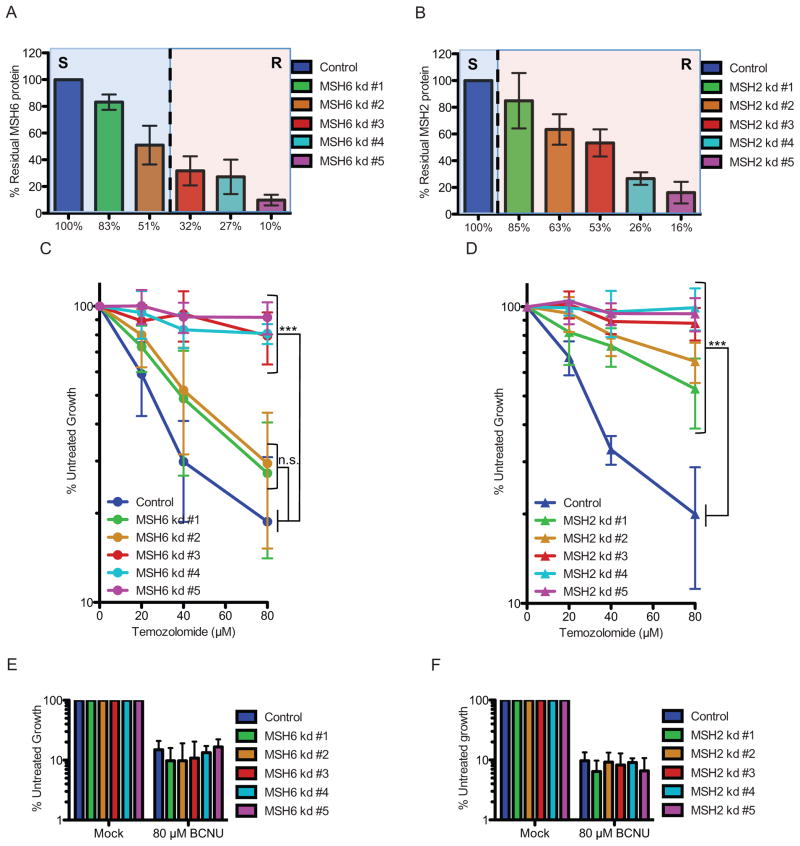
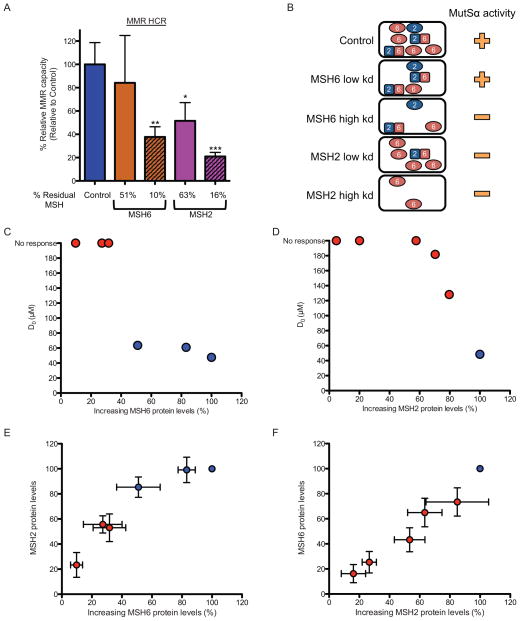
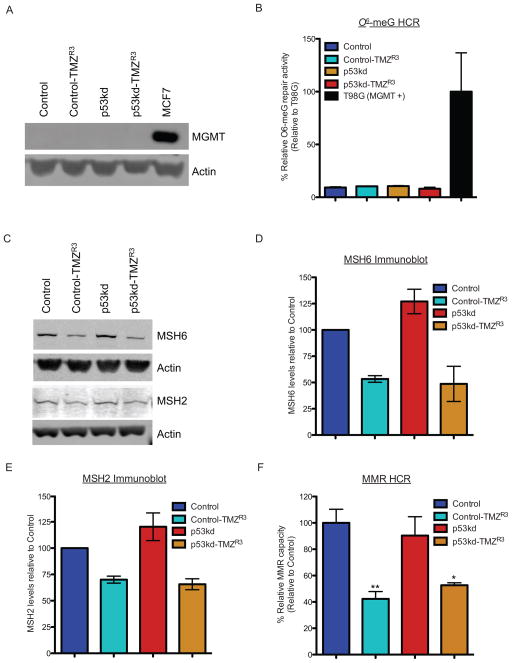
Description:Glioblastoma (GBM) is often treated with the cytotoxic drug temozolomide, but the disease inevitably recurs in a drug-resistant form after initial treatment. Here, we report that in GBM cells, even a modest decrease in the mismatch repair (MMR) components MSH2 and MSH6 have profound effects on temozolomide sensitivity. RNAi-mediated attenuation of MSH2 and MSH6 showed that such modest decreases provided an unexpectedly strong mechanism of temozolomide resistance. In a mouse xenograft model of human GBM, small changes in MSH2 were sufficient to suppress temozolomide-induced tumor regression. Using The Cancer Genome Atlas to analyze mRNA expression patterns in tumors from temozolomide-treated GBM patients, we found that MSH2 transcripts in primary GBM could predict patient responses to initial temozolomide therapy. In recurrent disease, the absence of microsatellite instability (the standard marker for MMR deficiency) suggests a lack of involvement of MMR in the resistant phenotype of recurrent disease. However, more recent studies reveal that decreased MMR protein levels occur often in recurrent GBM. In accordance with our findings, these reported decreases may constitute a mechanism by which GBM evades temozolomide sensitivity while maintaining microsatellite stability. Overall, our results highlight the powerful effects of MSH2 attenuation as a potent mediator of temozolomide resistance and argue that MMR activity offers a predictive marker for initial therapeutic response to temozolomide treatment.
-
Subjects:
-
Source:Cancer Res. 75(15):3127-3138.
-
Pubmed ID:26025730
-
Pubmed Central ID:PMC4526337
-
Document Type:
-
Funding:5F31CA165735/CA/NCI NIH HHS/United States ; DP1 ES022576/ES/NIEHS NIH HHS/United States ; DP1-ES022576/DP/NCCDPHP CDC HHS/United States ; F31 CA165735/CA/NCI NIH HHS/United States ; P30 CA014051/CA/NCI NIH HHS/United States ; P30 ES002109/ES/NIEHS NIH HHS/United States ; P30-CA014051/CA/NCI NIH HHS/United States ; P30-ES002109/ES/NIEHS NIH HHS/United States ; R01 CA184320/CA/NCI NIH HHS/United States ; R01 ES022872/ES/NIEHS NIH HHS/United States ; R01-ES022872/ES/NIEHS NIH HHS/United States ; T32 GM007287/GM/NIGMS NIH HHS/United States ; T32 GM081081/GM/NIGMS NIH HHS/United States ; T32-GM081081/GM/NIGMS NIH HHS/United States ; T32GM007287/GM/NIGMS NIH HHS/United States ; U54 CA112967/CA/NCI NIH HHS/United States ; U54-CA112967/CA/NCI NIH HHS/United States
-
Volume:75
-
Issue:15
-
Collection(s):
-
Main Document Checksum:urn:sha256:71a2e2ec4f98336d55380e3dbe269ee624845941bcc7bb4787623dd1e78ca9e2
-
Download URL:
-
File Type:
 [PDF
- 1.70 MB
]
[PDF
- 1.70 MB
]
Supporting Files


ON THIS PAGE





CDC STACKS serves as an archival repository of CDC-published products including
scientific findings,
journal articles, guidelines, recommendations, or other public health information authored or
co-authored by CDC or funded partners.
As a repository, CDC STACKS retains documents in their original published format to ensure public access to scientific information.
As a repository, CDC STACKS retains documents in their original published format to ensure public access to scientific information.
You May Also Like
COLLECTION
CDC Public Access