


Characteristics of a Dengue Outbreak in a Remote Pacific Island Chain – Republic of the Marshall Islands, 2011–2012
Supporting Files
Public Domain

-
Sep 30 2014
-
File Language:
English
Details
-
Alternative Title:PLoS One
-
Personal Author:Sharp, Tyler M. ; Mackay, Andrew J. ; Santiago, Gilberto A. ; Hunsperger, Elizabeth ; Nilles, Eric J. ; Perez-Padilla, Janice ; Tikomaidraubuta, Kinisalote S. ; Colon, Candimar ; Amador, Manuel ; Chen, Tai-Ho ; Lalita, Paul ; Muñoz-Jordán, Jorge L. ; Barrera, Roberto ; Langidrik, Justina ; Tomashek, Kay M.
-
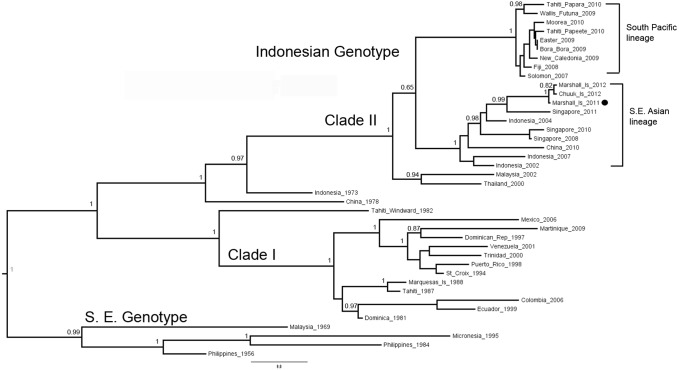
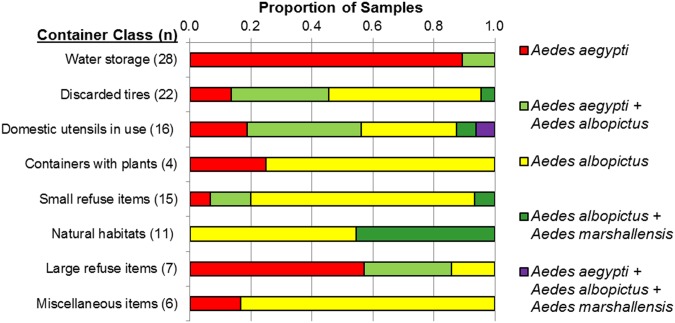
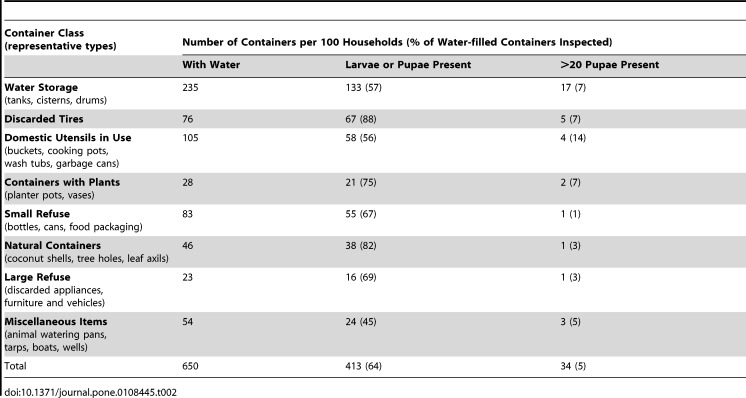
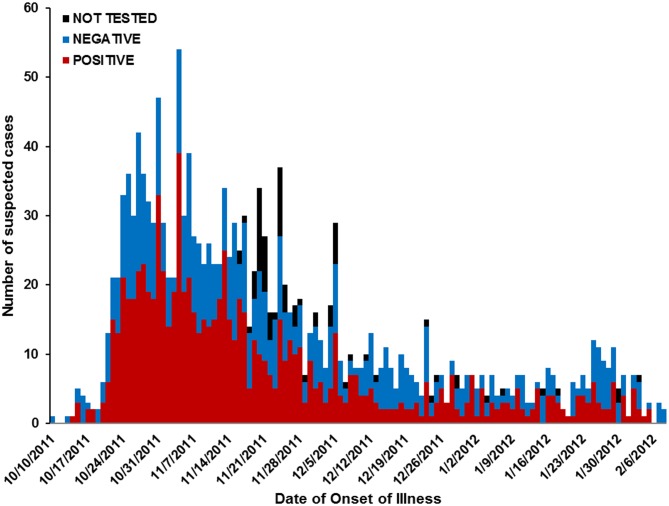
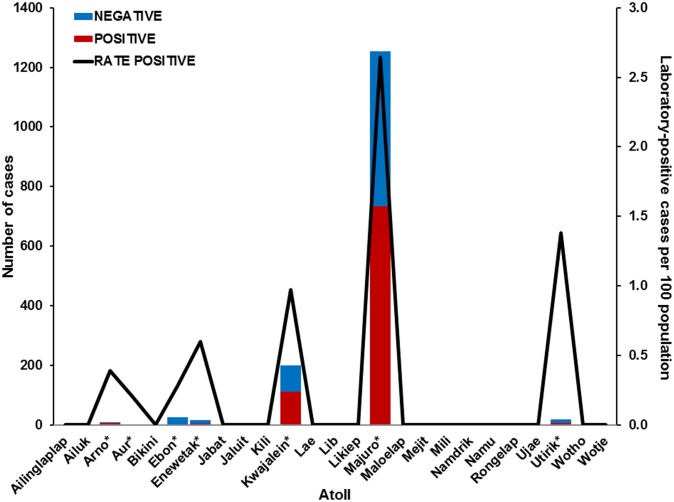
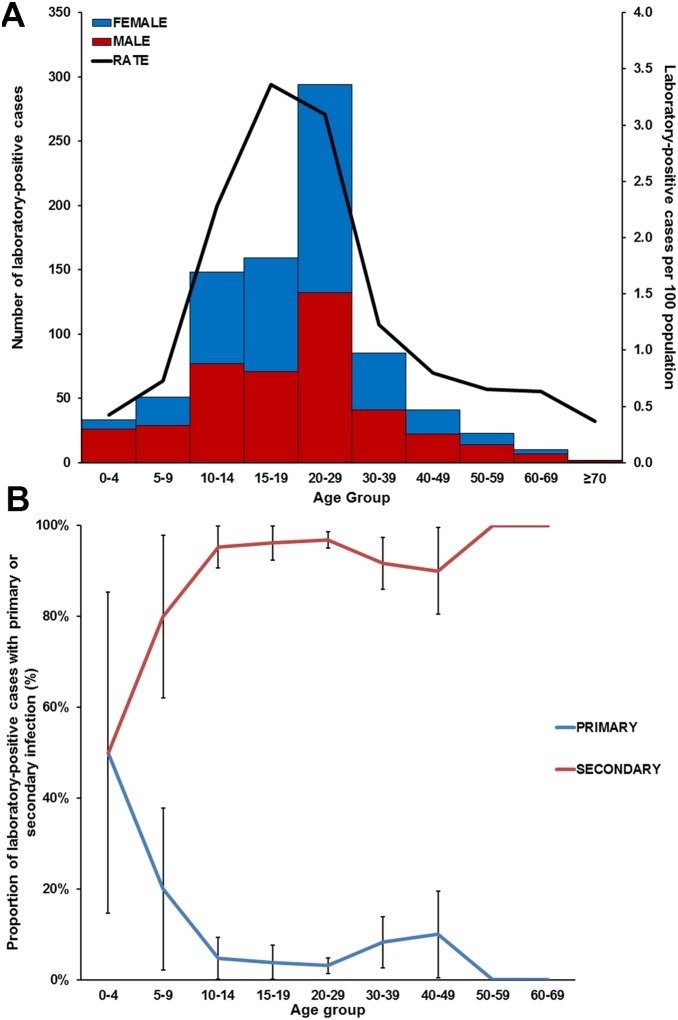
Description:Dengue is a potentially fatal acute febrile illness caused by four mosquito-transmitted dengue viruses (DENV-1-4). Although dengue outbreaks regularly occur in many regions of the Pacific, little is known about dengue in the Republic of the Marshall Islands (RMI). To better understand dengue in RMI, we investigated an explosive outbreak that began in October 2011. Suspected cases were reported to the Ministry of Health, serum specimens were tested with a dengue rapid diagnostic test (RDT), and confirmatory testing was performed using RT-PCR and IgM ELISA. Laboratory-positive cases were defined by detection of DENV nonstructural protein 1 by RDT, DENV nucleic acid by RT-PCR, or anti-DENV IgM antibody by RDT or ELISA. Secondary infection was defined by detection of anti-DENV IgG antibody by ELISA in a laboratory-positive acute specimen. During the four months of the outbreak, 1,603 suspected dengue cases (3% of the RMI population) were reported. Of 867 (54%) laboratory-positive cases, 209 (24%) had dengue with warning signs, six (0.7%) had severe dengue, and none died. Dengue incidence was highest in residents of Majuro and individuals aged 10-29 years, and ∼95% of dengue cases were experiencing secondary infection. Only DENV-4 was detected by RT-PCR, which phylogenetic analysis demonstrated was most closely related to a virus previously identified in Southeast Asia. Cases of vertical DENV transmission, and DENV/Salmonella Typhi and DENV/Mycobacterium leprae co-infection were identified. Entomological surveys implicated water storage containers and discarded tires as the most important development sites for Aedes aegypti and Ae. albopictus, respectively. Although this is the first documented dengue outbreak in RMI, the age groups of cases and high prevalence of secondary infection demonstrate prior DENV circulation. Dengue surveillance should continue to be strengthened in RMI and throughout the Pacific to identify and rapidly respond to future outbreaks.
-
Subjects:
-
Source:PLoS One. 2014; 9(9).
-
Document Type:
-
Place as Subject:
-
Volume:9
-
Issue:9
-
Collection(s):
-
Main Document Checksum:urn:sha-512:ea503ed606962882f116fa2dbc00c18534071ca7e0bb0c5db1310e2c4c72408c1ba0769ae633cb3e4cb6661c8afcf9ae29b1c27f783c261b4ba4c86a2fc625f2
-
Download URL:
-
File Type:
 [PDF
- 1.13 MB
]
[PDF
- 1.13 MB
]
Supporting Files


File Language:
English
ON THIS PAGE



CDC STACKS serves as an archival repository of CDC-published products including
scientific findings,
journal articles, guidelines, recommendations, or other public health information authored or
co-authored by CDC or funded partners.
As a repository, CDC STACKS retains documents in their original published format to ensure public access to scientific information.
As a repository, CDC STACKS retains documents in their original published format to ensure public access to scientific information.
You May Also Like
COLLECTION
CDC Public Access