



Adapting Evidence-Based Strategies to Increase Physical Activity Among African Americans, Hispanics, Hmong, and Native Hawaiians: A Social Marketing Approach
Supporting Files
Public Domain

-
Sep 15 2007
File Language:
English
Details
-
Journal Article:Preventing Chronic Disease (PCD)
-
Personal Author:
-
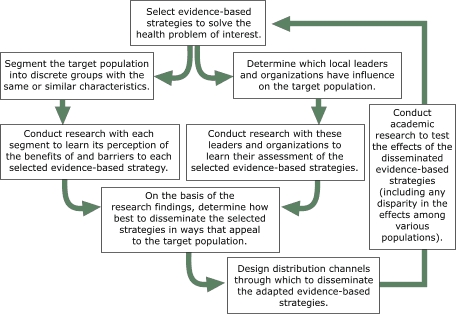
Description:Introduction ; Using a social marketing approach, we studied how best to adapt proven, evidence-based strategies to increase physical activity for use with underserved racial or ethnic groups. ; Methods ; We conducted focus groups with low-income Hispanic women in Texas, Hmong parents and their children in California, low-income African American women and men in the Mississippi Delta, and Native Hawaiian college students in Hawaii. We also interviewed key leaders of these communities. Topics of discussion were participants' perceptions about 1) the benefits of engaging in physical activity, 2) the proposed evidence-based strategies for increasing each community's level of physical activity, and 3) the benefits and barriers to following the proposed interventions for increasing physical activity. A total of 292 individuals participated in the study. ; Results ; All groups considered that being physically active was part of their culture, and participants found culturally relevant suggestions for physical activities appealing. Overwhelmingly, strategies that aimed to create or improve social support and increase access to physical activity venues received the most positive feedback from all groups. Barriers to physical activity were not culturally specific; they are common to all underserved people (lack of time, transportation, access, neighborhood safety, or economic resources). ; Conclusion ; Results indicate that evidence-based strategies to increase physical activity need to be adapted for cultural relevance for each racial or ethnic group. Our research shows that members of four underserved populations are likely to respond to strategies that increase social support for physical activity and improve access to venues where they can be physically active. Further research is needed to test how to implement such strategies in ways that are embraced by community members.
-
Subjects:
- Adolescent
- Adult
- Black or African American
- Aged
- Asian
- Child
- Consumer Participation
- Evidence-Based Medicine
- Exercise
- Female
- Focus Groups
- Gatekeeping
- Health Behavior
- Health Promotion
- Hispanic or Latino
- Humans
- Male
- Middle Aged
- Minority Groups
- Obesity
- Native Hawaiian or Other Pacific Islander
- Social Marketing
-
Source:Prev Chronic Dis. 2007; 4(4).
-
ISSN:1545-1151
-
Document Type:
-
Place as Subject:
-
Location:
-
Volume:4
-
Issue:4
-
Download URL:
-
File Type:
 [PDF - 492.44 KB]
 -
Collection(s):
-
Main Document Checksum:urn:sha-512:58076bae4cbba360ae27ab83ed2816a47c6c1de9febcead2b0bc08733b89c108e500633c262baf2459113fc7c9200ac9903f1423b228a3217b8a1814d59435f3
Supporting Files


File Language:
English
 Was this page helpful?
 Found an issue?

CDC STACKS serves as an archival repository of CDC-published products including
scientific findings, journal articles, guidelines, recommendations, or other public health information authored or
co-authored by CDC or funded partners.
As a repository, CDC STACKS retains documents in their original published format to ensure public access to scientific information.
As a repository, CDC STACKS retains documents in their original published format to ensure public access to scientific information.
You May Also Like
COLLECTION
Preventing Chronic Disease