


Cadmium exposure and risk of breast cancer: A meta-analysis
Supporting Files

-
2 15 2023
-
File Language:
English
Details
-
Alternative Title:Environ Res
-
Personal Author:
-
Description:Background:
Cadmium is a heavy metal with carcinogenic properties, highly prevalent in industrialized areas worldwide. Prior reviews evaluating whether cadmium influences breast cancer have been inconclusive and not reflected several recent studies.
Objective:
To evaluate the association between cadmium exposure and female breast cancer incidence, with an emphasis on separately estimating dietary vs. airborne vs. biomarker measures of cadmium and studies published until October 2022.
Methods:
We evaluated risk of bias using set criteria and excluded one study judged to have high risk based on self-report of breast cancer and insufficient adjustment. We conducted a random effects meta-analysis of epidemiological studies, including subgroups by exposure route and by menopausal status.
Results:
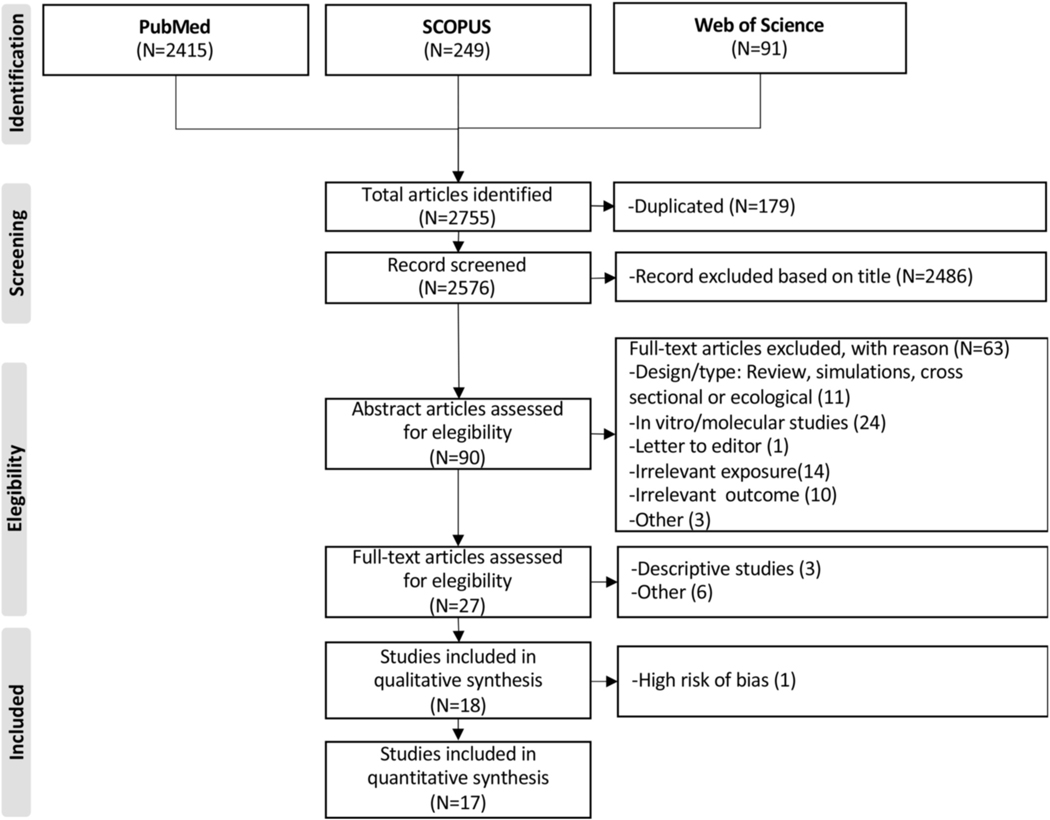
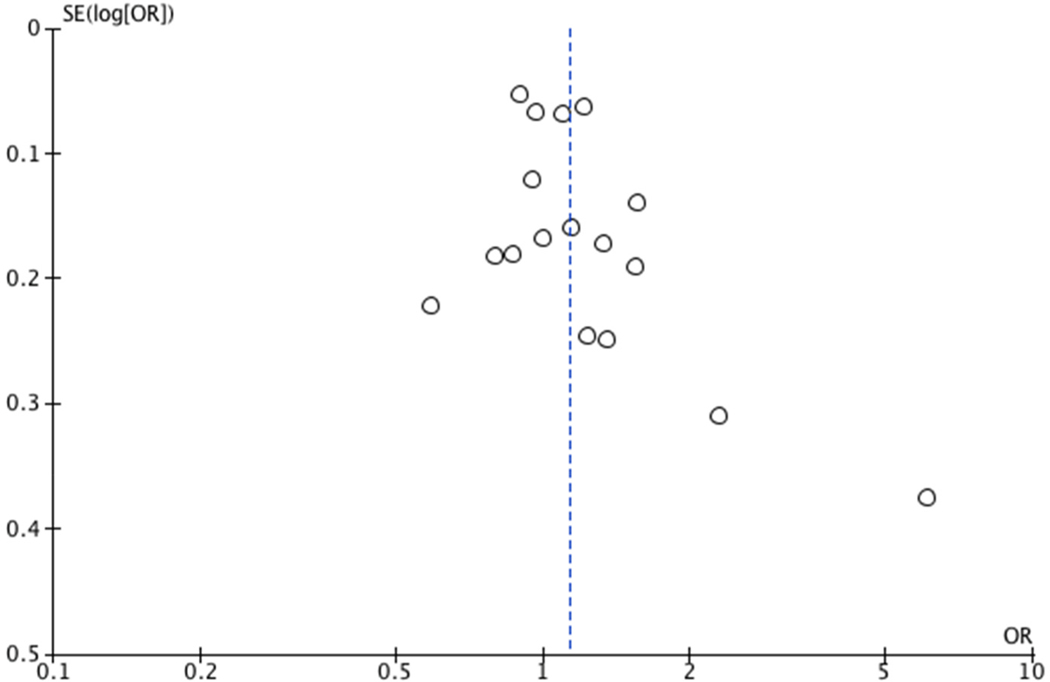
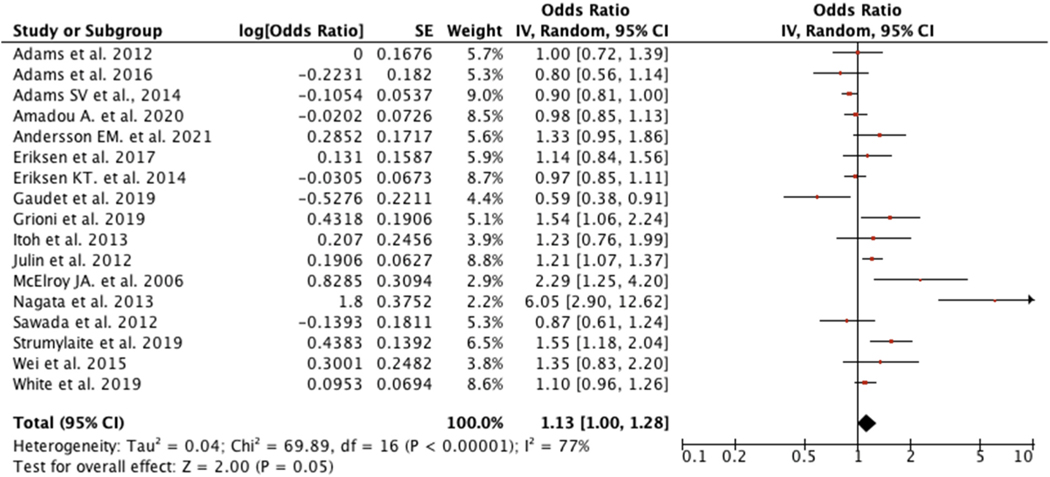
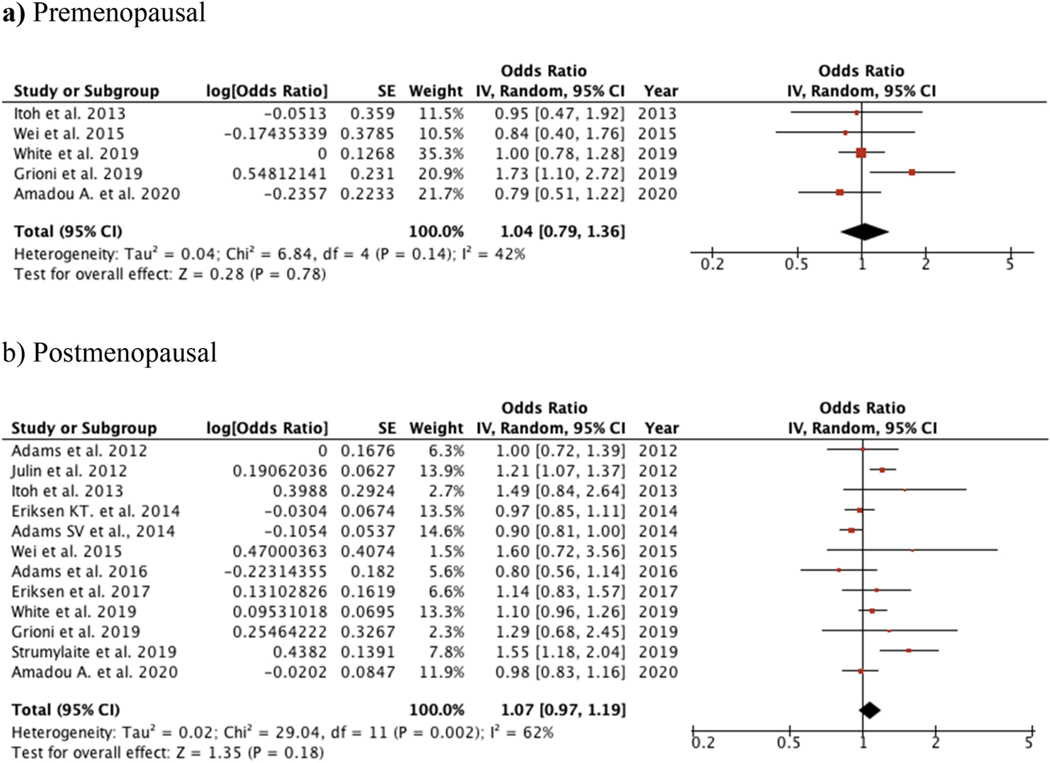
A total of 17 studies were eligible for our meta-analysis. Only 2 studies addressed airborne cadmium directly. Breast cancer risk was elevated in women exposed to higher levels of cadmium across all studies − pooled odds ratio: 1.13 (95% confidence interval: 1.00, 1.28), with notable heterogeneity between studies (I2= 77%). When examining separately by exposure route, dietary cadmium was not linked with an elevated risk – (OR: 1.05; 95%CI: 0.91, 1.21; I2 = 69%), consistent with prior reviews, but biomarker-based studies showed an elevated but non-significant pooled measure (OR: 1.37; 95%CI: 0.96, 1.94; I2 = 84%). We did not observe any clear patterns of different risk by menopausal status.
Conclusion:
Findings from our meta-analysis suggest that exposure to higher cadmium increases the risk of breast cancer in women, but with remaining questions about whether non-dietary exposure may be more risky or whether residual confounding by constituents of tobacco smoke may be at play.
-
Subjects:
-
Keywords:
-
Source:Environ Res. 219:115109
-
Pubmed ID:36563983
-
Pubmed Central ID:PMC9957608
-
Document Type:
-
Funding:
-
Volume:219
-
Collection(s):
-
Main Document Checksum:urn:sha-512:f92881395f3aabc49481b739e71c543628acf3b6e1b4449001833d35cb5d02a834867fe373b0d4dcf0722284591697b152ec8c6b9050e64571f9fc8f8ffe77c9
-
Download URL:
-
File Type:
 [PDF
- 1.44 MB
]
[PDF
- 1.44 MB
]
Supporting Files


File Language:
English
ON THIS PAGE

CDC STACKS serves as an archival repository of CDC-published products including
scientific findings,
journal articles, guidelines, recommendations, or other public health information authored or
co-authored by CDC or funded partners.
As a repository, CDC STACKS retains documents in their original published format to ensure public access to scientific information.
As a repository, CDC STACKS retains documents in their original published format to ensure public access to scientific information.
You May Also Like
COLLECTION
CDC Public Access