



Women and Autoimmune Diseases1
Supporting Files
Public Domain

-
2004/11/01
File Language:
English
Details
-
Alternative Title:Emerg Infect Dis
-
Personal Author:
-
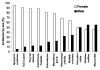
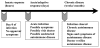
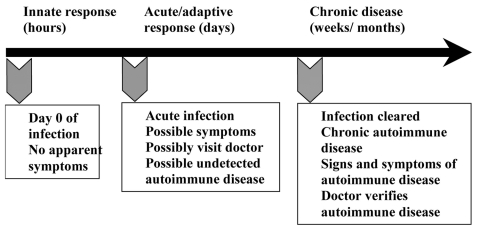
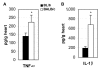
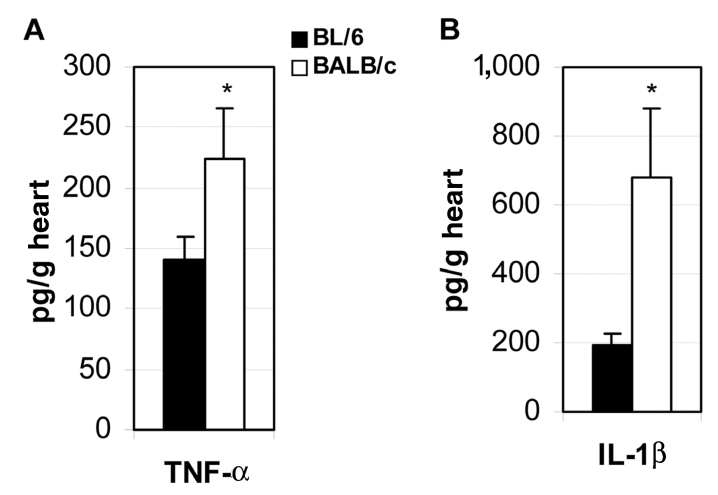
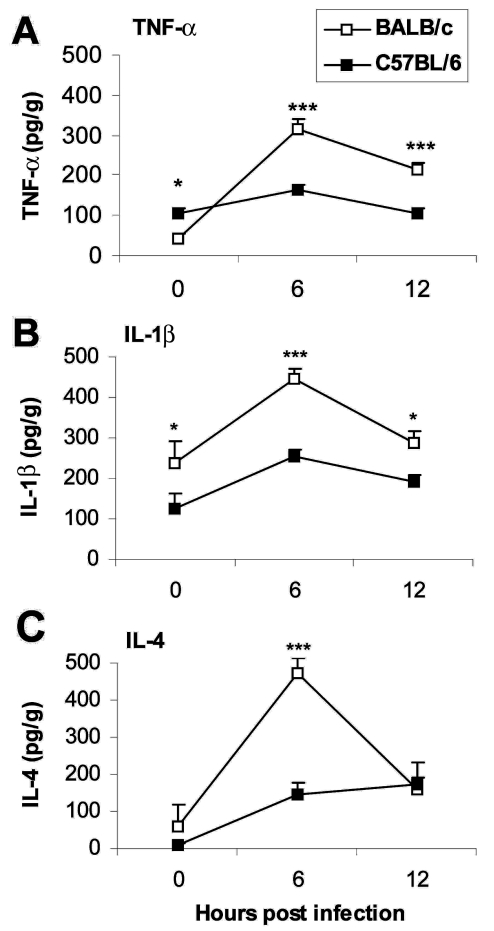
Description:Autoimmune diseases affect approximately 8% of the population, 78% of whom are women. The reasons for the high prevalence in women are unknown, but circumstantial evidence links autoimmune diseases with preceding infections. Animal models of autoimmune diseases have shown that infections can induce autoimmune disease. For example, coxsackievirus B3 (CB3) infection of susceptible mice results in inflammation of the heart (myocarditis) that resembles myocarditis in humans. The same disease can be induced by injecting mice with heart proteins mixed with adjuvant(s), which indicates that an active infection is not necessary for the development of autoimmune disease. We have found that CB3 triggers autoimmune disease in susceptible mice by stimulating elevated levels of proinflammatory cytokines from mast cells during the innate immune response. Sex hormones may further amplify this hyperimmune response to infection in susceptible persons, which leads to an increased prevalence of autoimmune diseases in women.
-
Subjects:
-
Source:Emerg Infect Dis. 10(11):2005-2011.
-
Document Type:
-
Genre:
-
Volume:10
-
Issue:11
-
Download URL:
-
File Type:
 [PDF - 206.18 KB]
 -
Collection(s):
-
Main Document Checksum:urn:sha-512:923498f9dd9caa307f0b1cb9f87237867feeb66de483ef9bdd6eaefa78eb536ae619a75ad6139a7f7439eb5434f823ac8e1234e8b166d1573527f1b2409fa7da
Supporting Files


File Language:
English
 Was this page helpful?
 Found an issue?





CDC STACKS serves as an archival repository of CDC-published products including
scientific findings, journal articles, guidelines, recommendations, or other public health information authored or
co-authored by CDC or funded partners.
As a repository, CDC STACKS retains documents in their original published format to ensure public access to scientific information.
As a repository, CDC STACKS retains documents in their original published format to ensure public access to scientific information.
You May Also Like
COLLECTION
Emerging Infectious Diseases