



Historical Shifts in Brazilian P. falciparum Population Structure and Drug Resistance Alleles
Supporting Files
Public Domain

-
Mar 15 2013
File Language:
English
Details
-
Alternative Title:PLoS One
-
Personal Author:
-
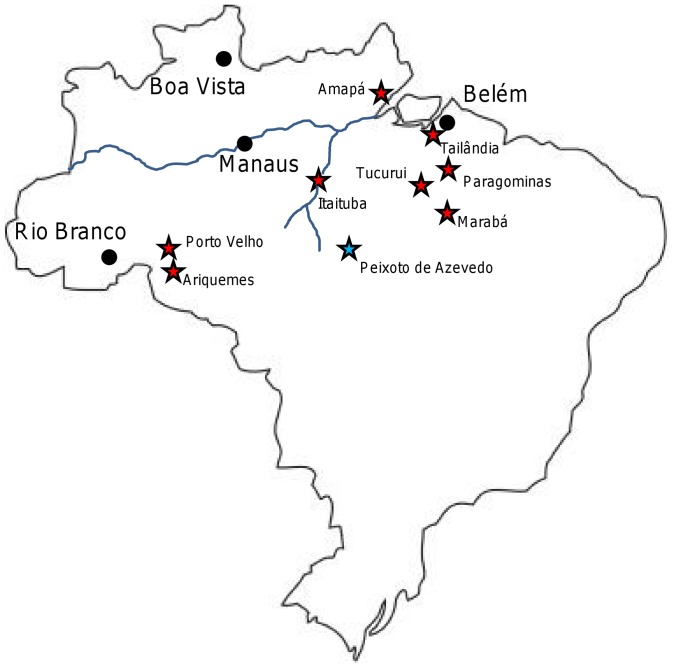
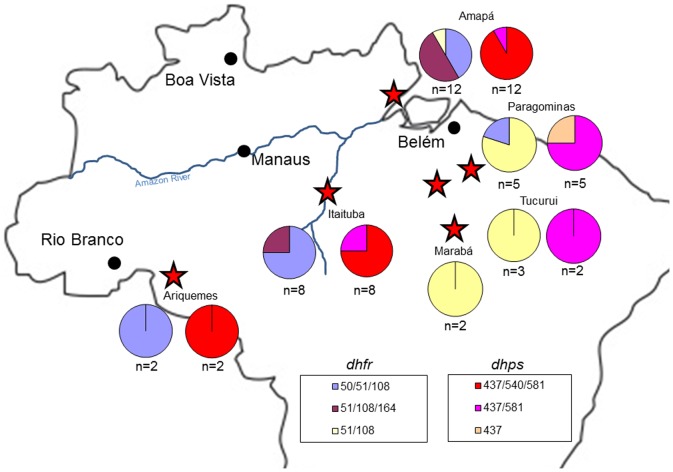
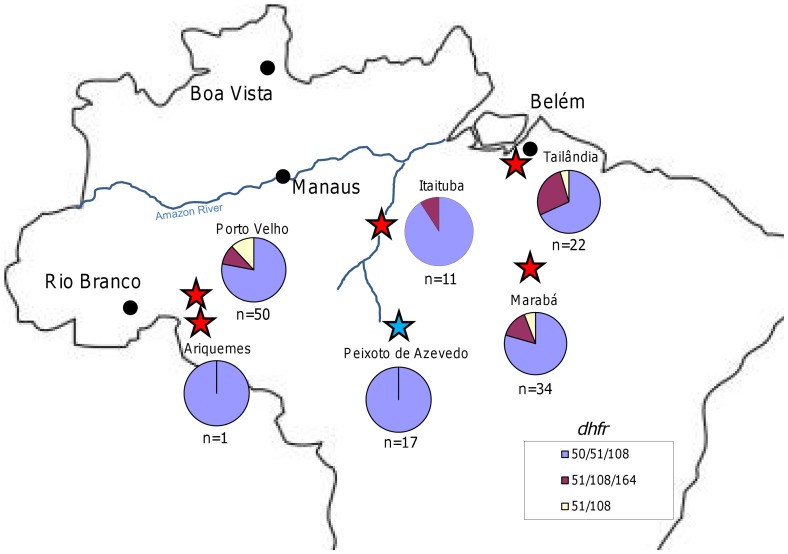
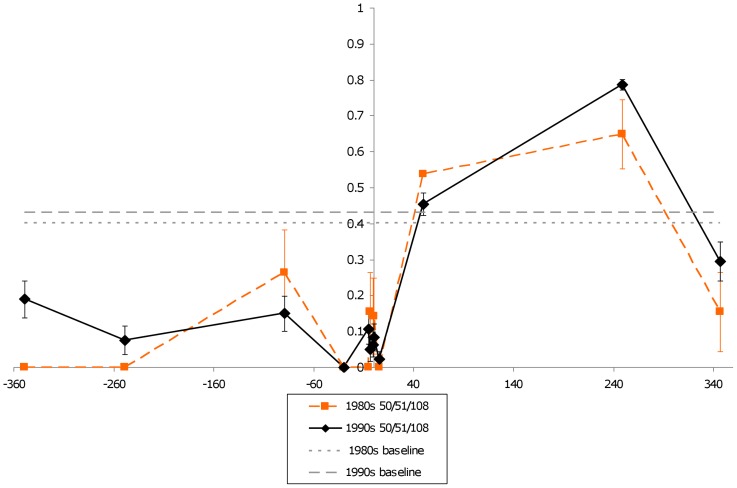
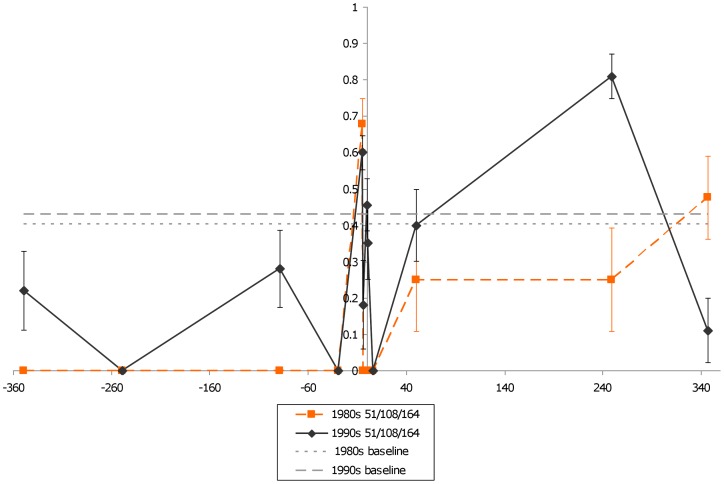
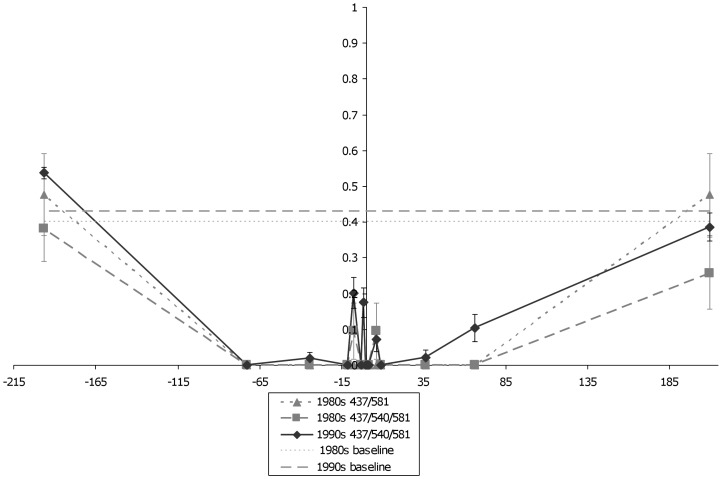
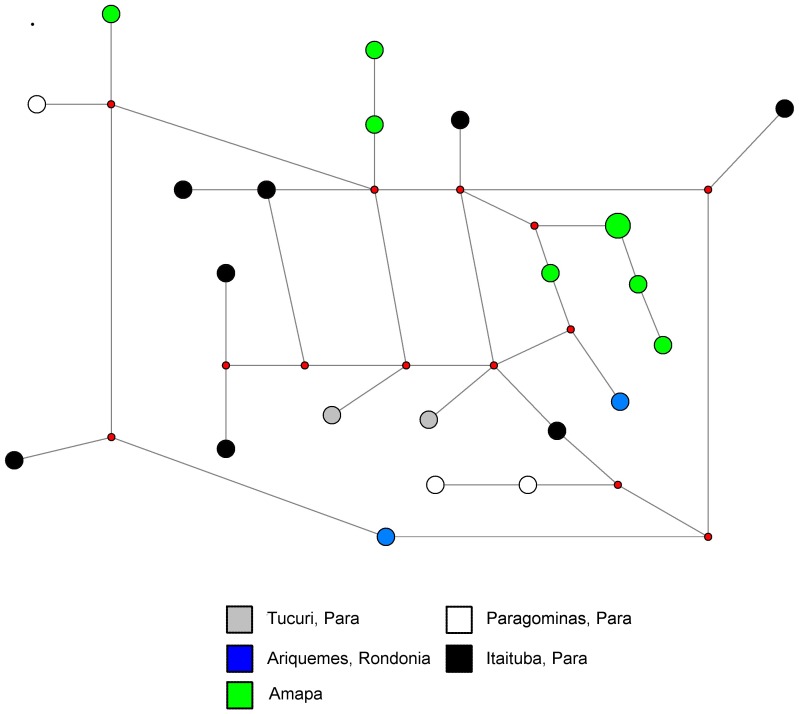
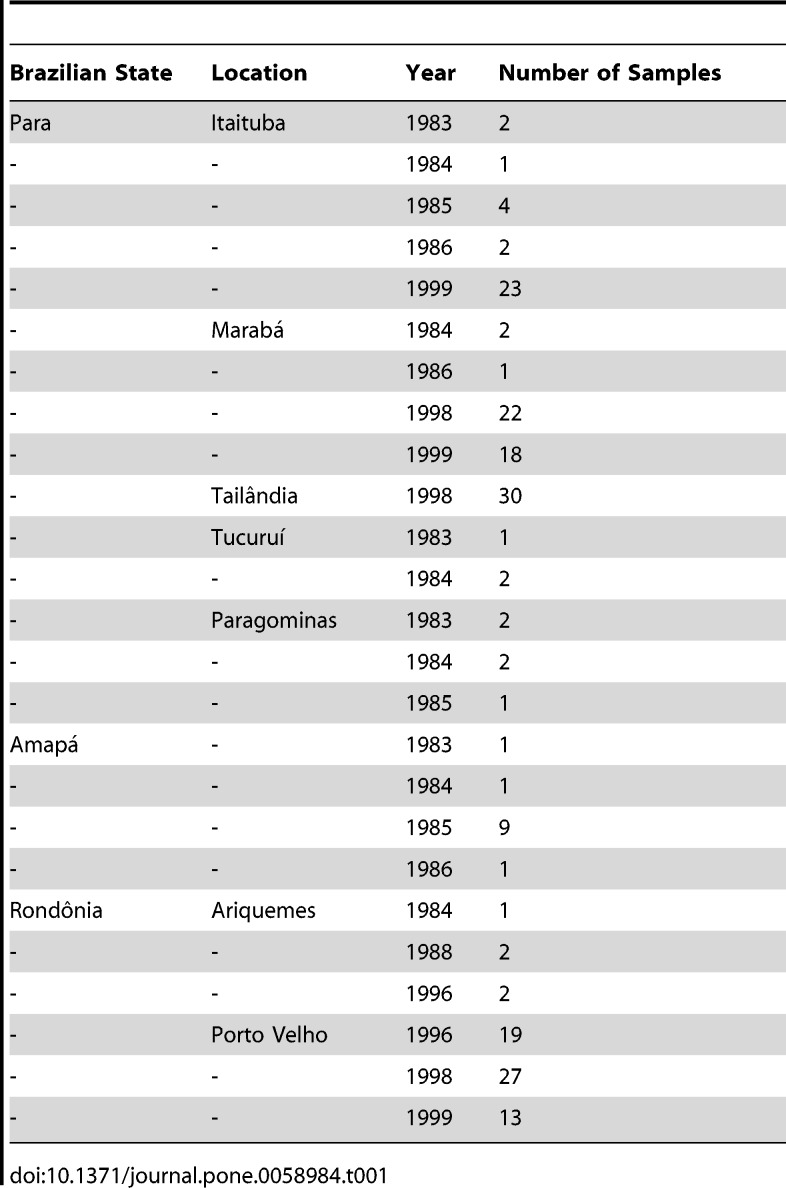
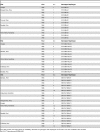
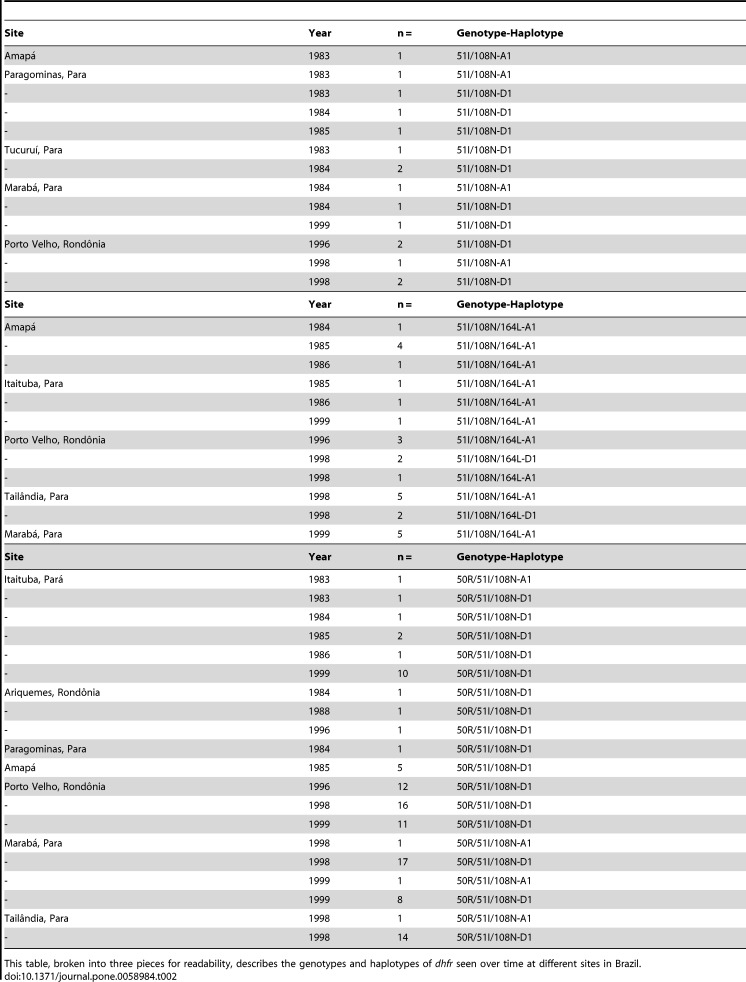
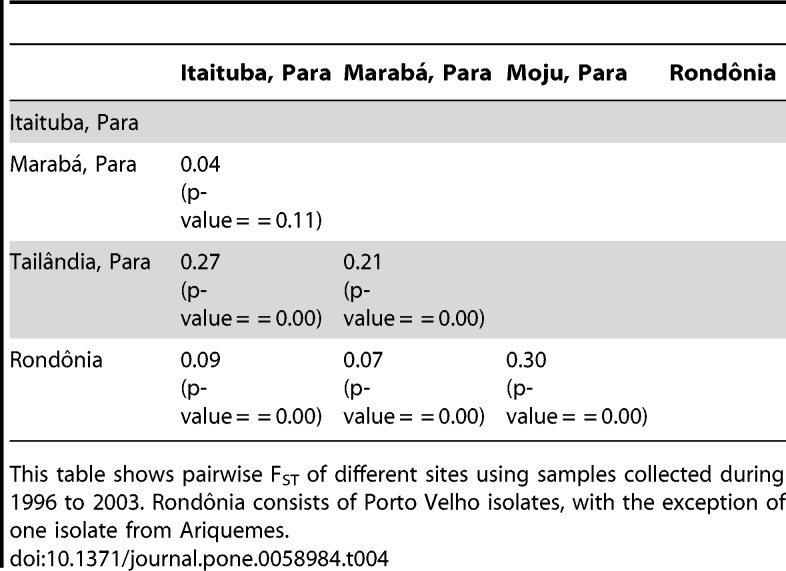
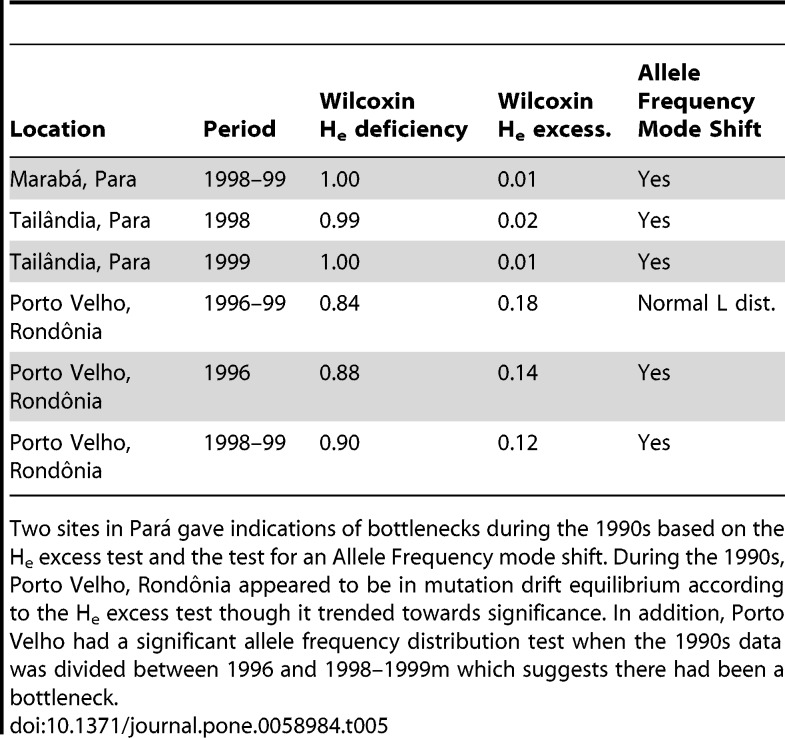
Description:Previous work suggests that Brazilian Plasmodium falciparum has limited genetic diversity and a history of bottlenecks, multiple reintroductions due to human migration, and clonal expansions. We hypothesized that Brazilian P. falciparum would exhibit clonal structure. We examined isolates collected across two decades from Amapá, Rondônia, and Pará state (n = 190). By examining more microsatellites markers on more chromosomes than previous studies, we hoped to define the extent of low diversity, linkage disequilibrium, bottlenecks, population structure, and parasite migration within Brazil. We used retrospective genotyping of samples from the 1980s and 1990s to explore the population genetics of SP resistant dhfr and dhps alleles. We tested an existing hypothesis that the triple mutant dhfr mutations 50R/51I/108N and 51I/108N/164L developed in southern Amazon from a single origin of common or similar parasites. We found that Brazilian P. falciparum had limited genetic diversity and isolation by distance was rejected, which suggests it underwent bottlenecks followed by migration between sites. Unlike Peru, there appeared to be gene flow across the Brazilian Amazon basin. We were unable to divide parasite populations by clonal lineages and pairwise FST were common. Most parasite diversity was found within sites in the Brazilian Amazon, according to AMOVA. Our results challenge the hypothesis that triple mutant alleles arose from a single lineage in the Southern Amazon. SP resistance, at both the double and triple mutant stages, developed twice and potentially in different regions of the Brazilian Amazon. We would have required samples from before the 1980s to describe how SP resistance spread across the basin or describe the complex internal migration of Brazilian parasites after the colonization efforts of past decades. The Brazilian Amazon basin may have sufficient internal migration for drug resistance reported in any particular region to rapidly spread to other parts of basin under similar drug pressure.
-
Subjects:
-
Source:PLoS One. 2013; 8(3).
-
Document Type:
-
Place as Subject:
-
Volume:8
-
Issue:3
-
Download URL:
-
File Type:
 [PDF - 1.16 MB]
 -
Collection(s):
-
Main Document Checksum:urn:sha256:096ec922b8b8ffd7200d030590985a37e47334b02e16bf870679d48eb1413837
Supporting Files


File Language:
English
 Was this page helpful?
 Found an issue?









CDC STACKS serves as an archival repository of CDC-published products including
scientific findings, journal articles, guidelines, recommendations, or other public health information authored or
co-authored by CDC or funded partners.
As a repository, CDC STACKS retains documents in their original published format to ensure public access to scientific information.
As a repository, CDC STACKS retains documents in their original published format to ensure public access to scientific information.
You May Also Like
COLLECTION
CDC Public Access