


A Practical Guide to Adjust Micronutrient Biomarkers for Inflammation Using the BRINDA Method
Supporting Files

-
4 2023
-
File Language:
English
Details
-
Alternative Title:J Nutr
-
Personal Author:
-
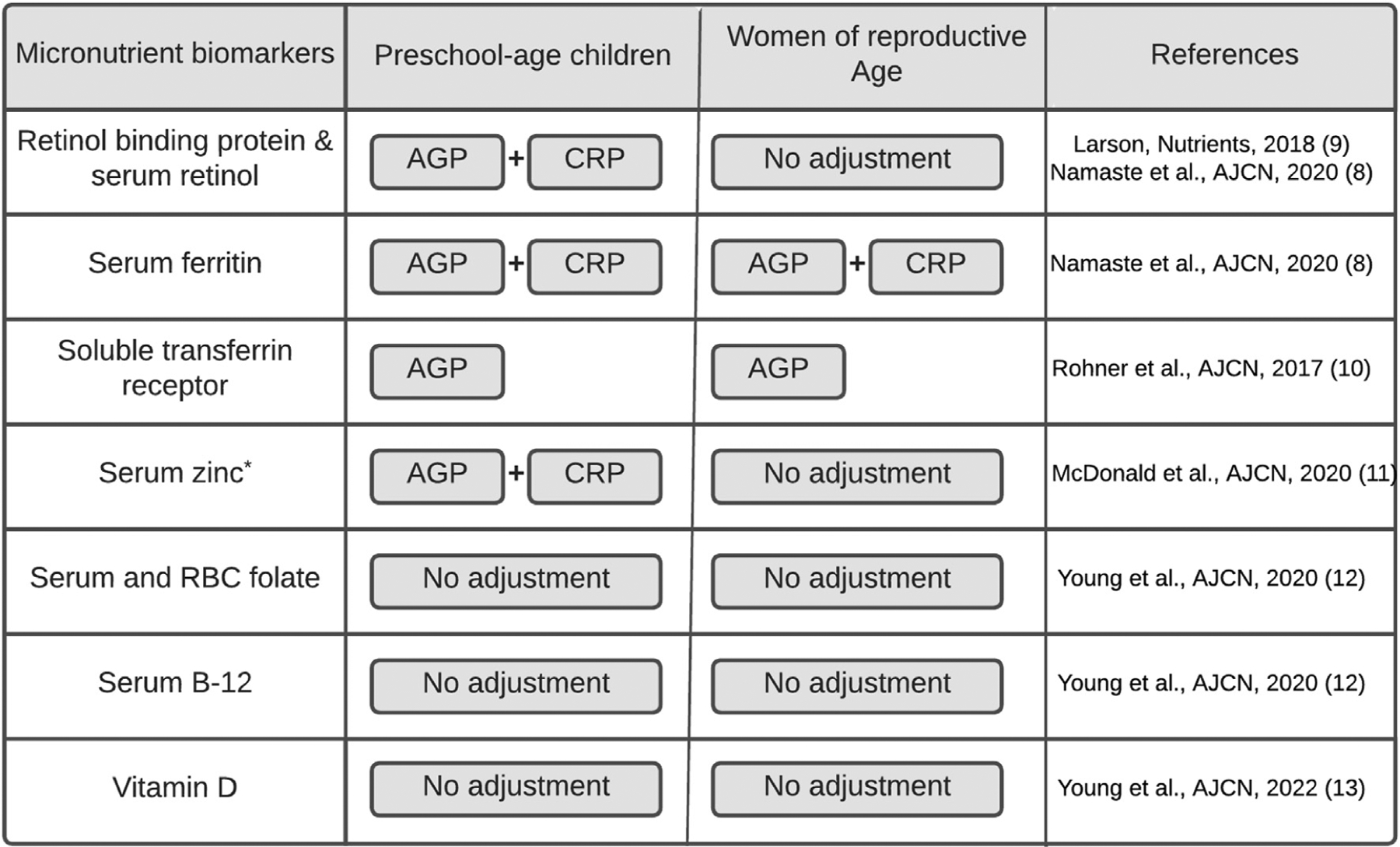
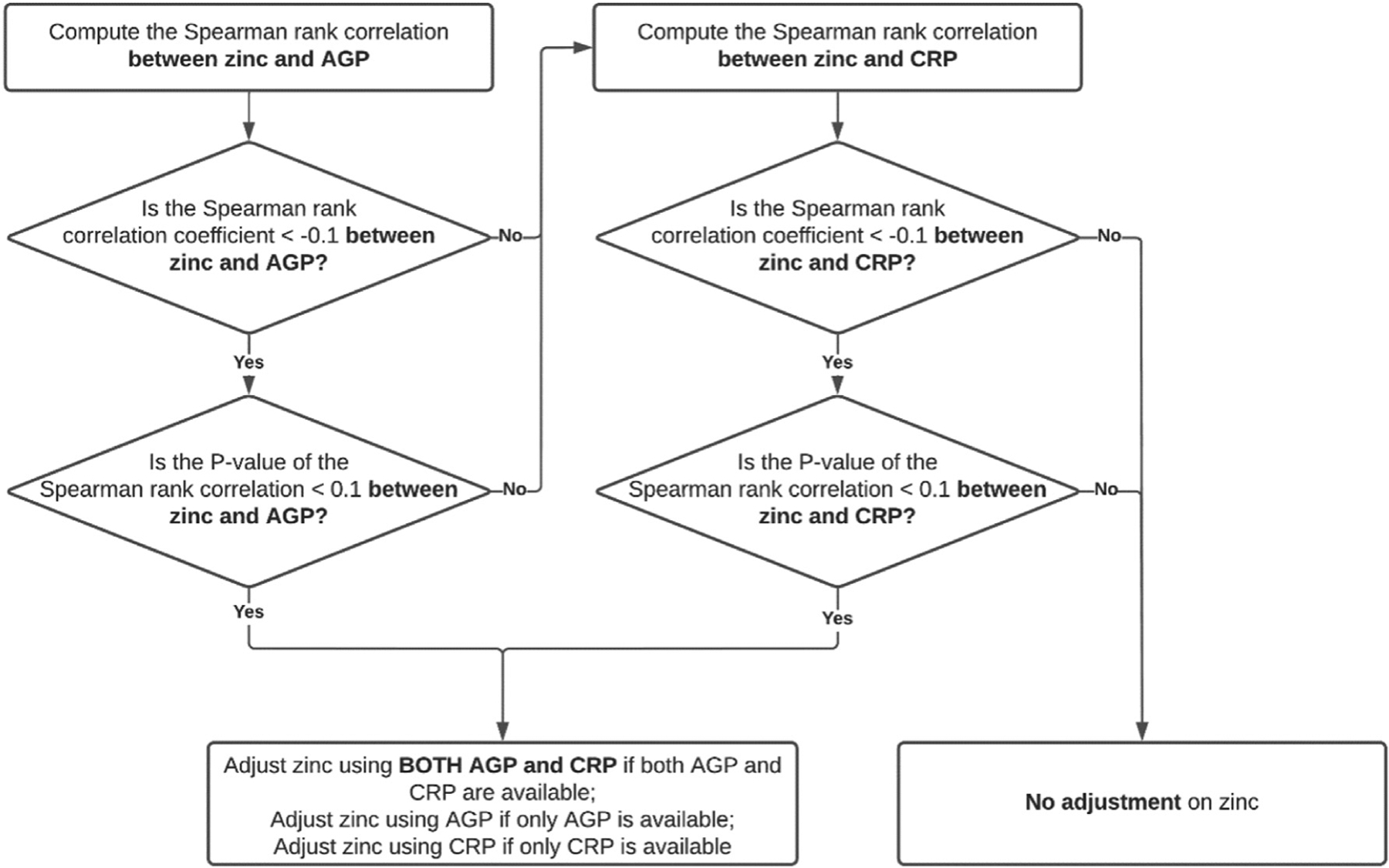
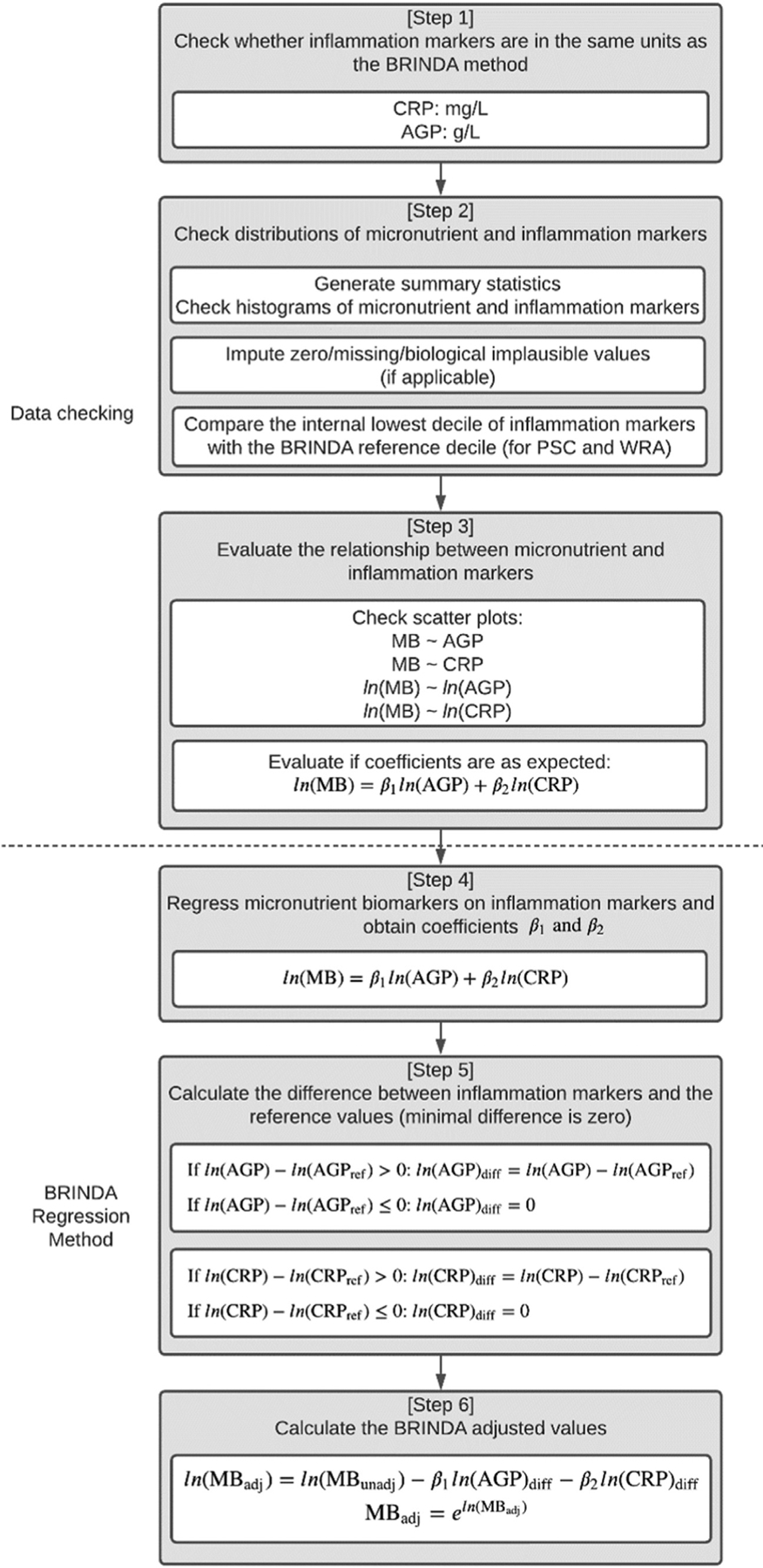
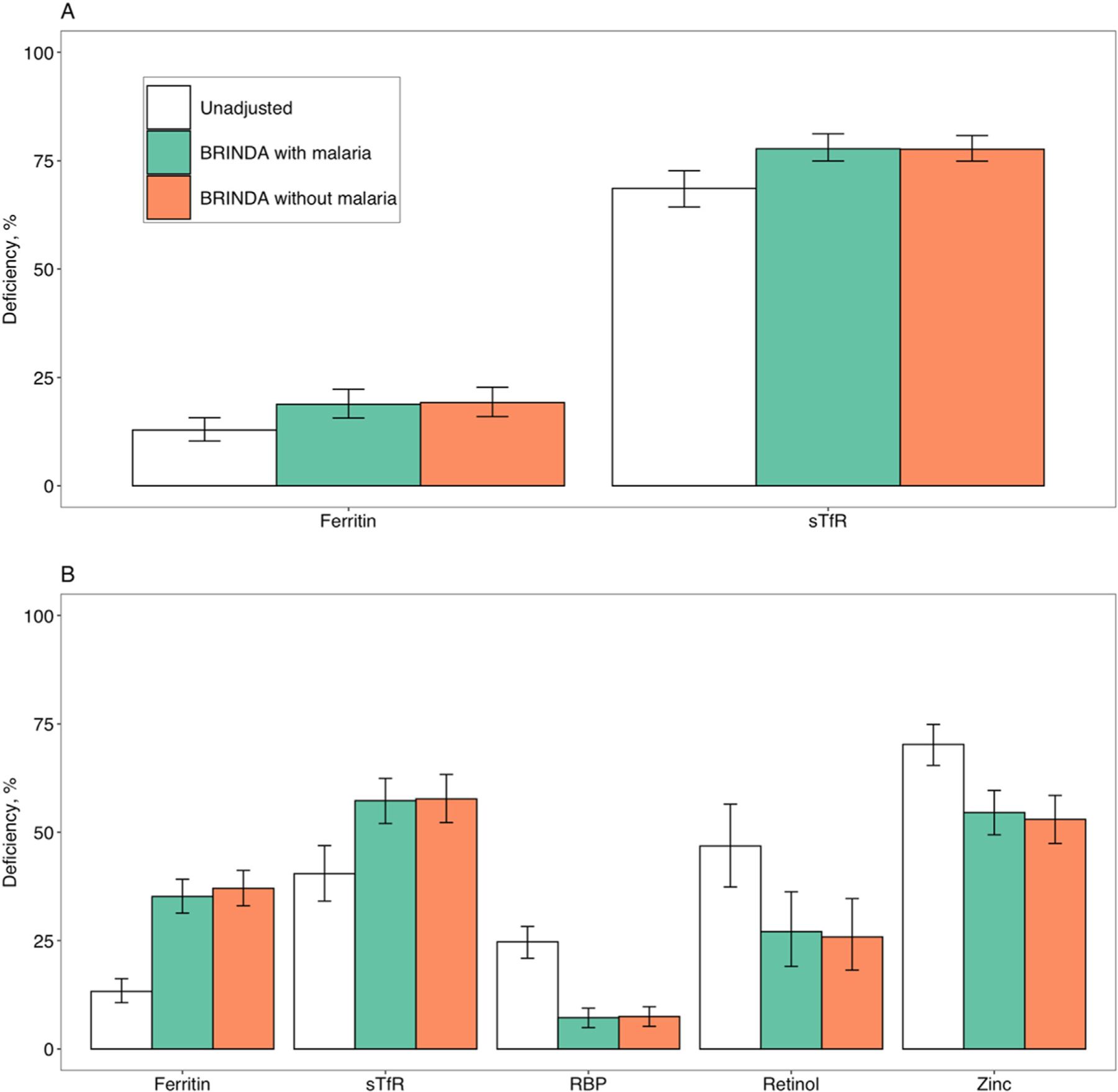
Description:The Biomarkers Reflecting Inflammation and Nutritional Determinants of Anemia (BRINDA) research group was formed over a decade ago to improve the interpretation of micronutrient biomarkers in settings with inflammation. The BRINDA inflammation adjustment method uses regression correction to adjust for the confounding effects of inflammation on select micronutrient biomarkers and has provided important insights to micronutrient research, policy, and programming. However, users may face challenges when applying the BRINDA inflammation adjustment methods to their own data due to varying guidance on the adjustment approach for different biomarkers and the need to develop statistical programming to conduct these analyses. This may result in lost opportunities to have results of micronutrient data readily available during critical decision-making periods. Our research objectives are to 1) provide an all-in-one summary of the BRINDA method in adjusting multiple micronutrient biomarkers for inflammation, 2) evaluate whether malaria as a binary variable should be included in the BRINDA inflammation adjustment method, and 3) present standardized and user-friendly BRINDA adjustment R package and SAS macro. This paper serves as a practical guidebook for the BRINDA inflammation adjustment approach and aids users to use the BRINDA R package and SAS to streamline their analyses.
-
Subjects:
-
Source:J Nutr. 153(4):1265-1272
-
Pubmed ID:36792034
-
Pubmed Central ID:PMC10202121
-
Document Type:
-
Funding:
-
Volume:153
-
Issue:4
-
Collection(s):
-
Main Document Checksum:urn:sha256:bfa767e2d2569679f55bb00d2c8c63a3f66913567cd4737c47c327cc5c04fbe1
-
Download URL:
-
File Type:
 [PDF
- 1.00 MB
]
[PDF
- 1.00 MB
]
Supporting Files


File Language:
English
ON THIS PAGE

CDC STACKS serves as an archival repository of CDC-published products including
scientific findings,
journal articles, guidelines, recommendations, or other public health information authored or
co-authored by CDC or funded partners.
As a repository, CDC STACKS retains documents in their original published format to ensure public access to scientific information.
As a repository, CDC STACKS retains documents in their original published format to ensure public access to scientific information.
You May Also Like
COLLECTION
CDC Public Access