


Impact of high, low, and non-optimum temperatures on chronic kidney disease in a changing climate, 1990–2019: A global analysis
Supporting Files

-
9 2022
-
File Language:
English
Details
-
Alternative Title:Environ Res
-
Personal Author:
-
Description:Background:
Although a few studies have reported the relationship between high and low temperatures and chronic kidney disease (CKD), the global burden of CKD attributable to extreme heat and cold in recent decades remains unknown.
Methods:
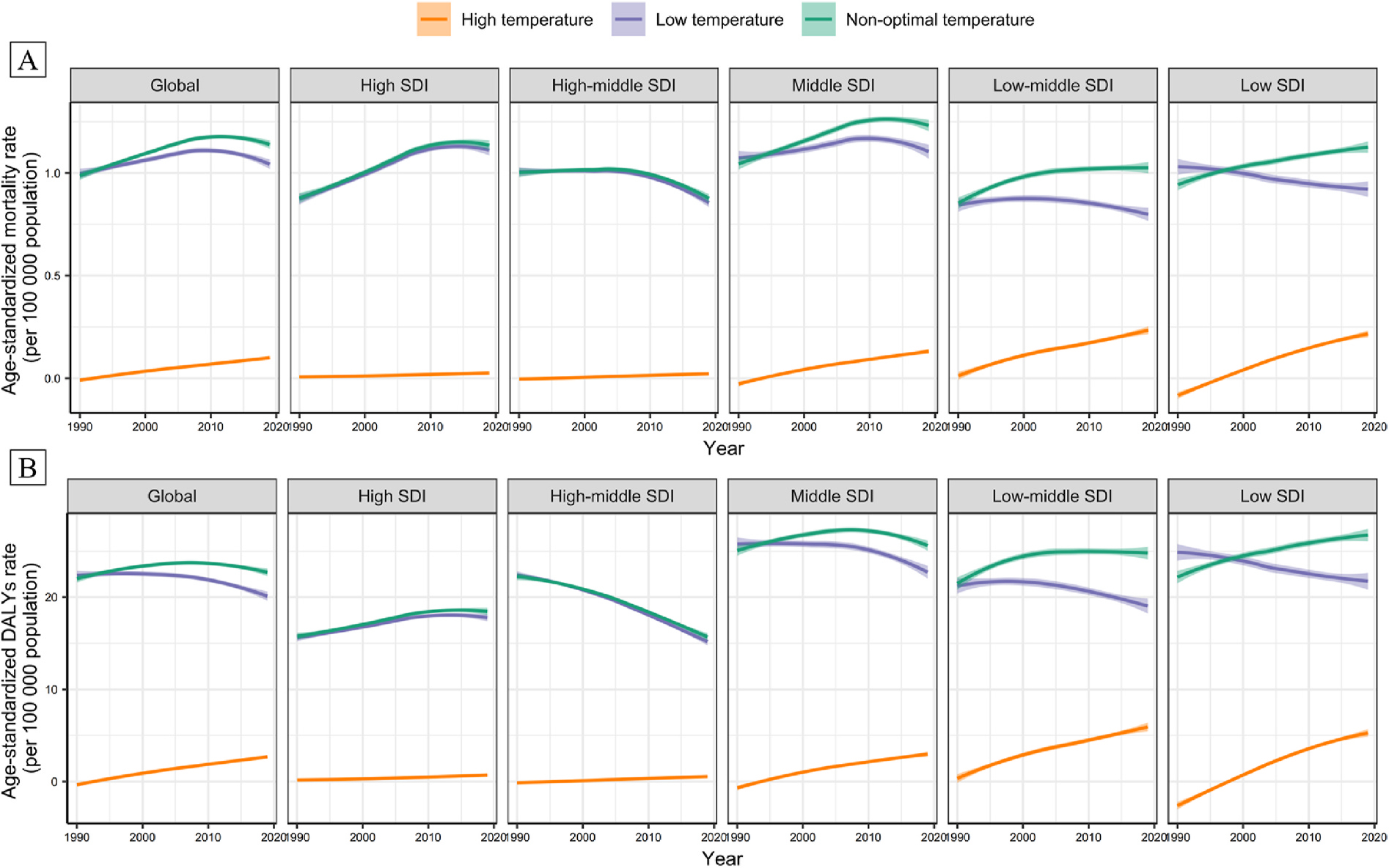
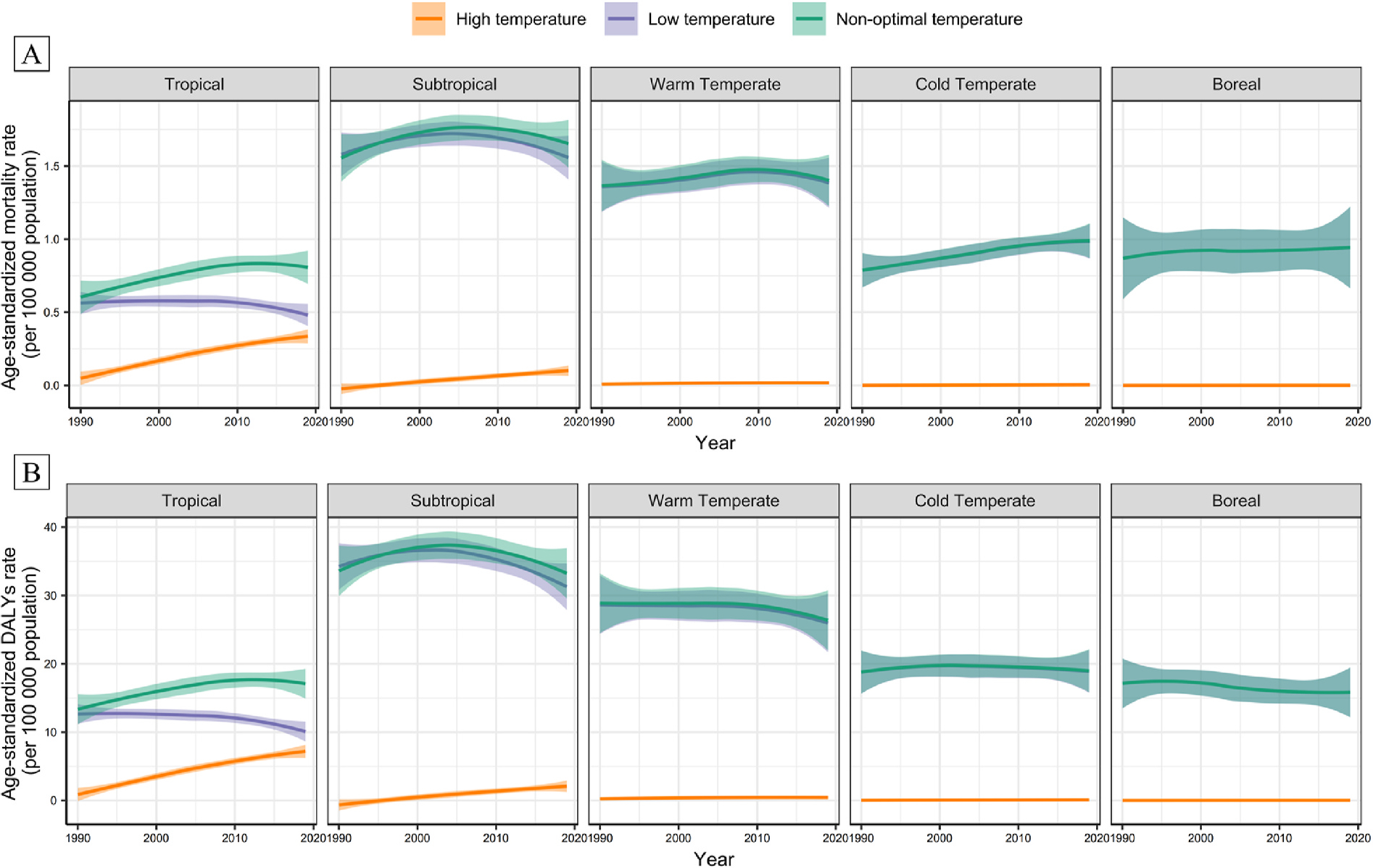
Based on the Global Burden of Disease Study (GBD) 2019, we obtained data on age-standardized mortality rates (ASMR) and age-standardized rates of disability-adjusted life years (ASDR) per 100 000 population of the CKD attributable to non-optimum temperatures from 1990 to 2019. The annual mean temperature of each country was used to divide each country into five climate zones (tropical, subtropical, warm-temperate, cool-temperate, and boreal). The locally weighted regression model was used to estimate the burden for different climate zones and Socio-demographic index (SDI) regions.
Results:
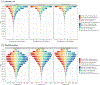
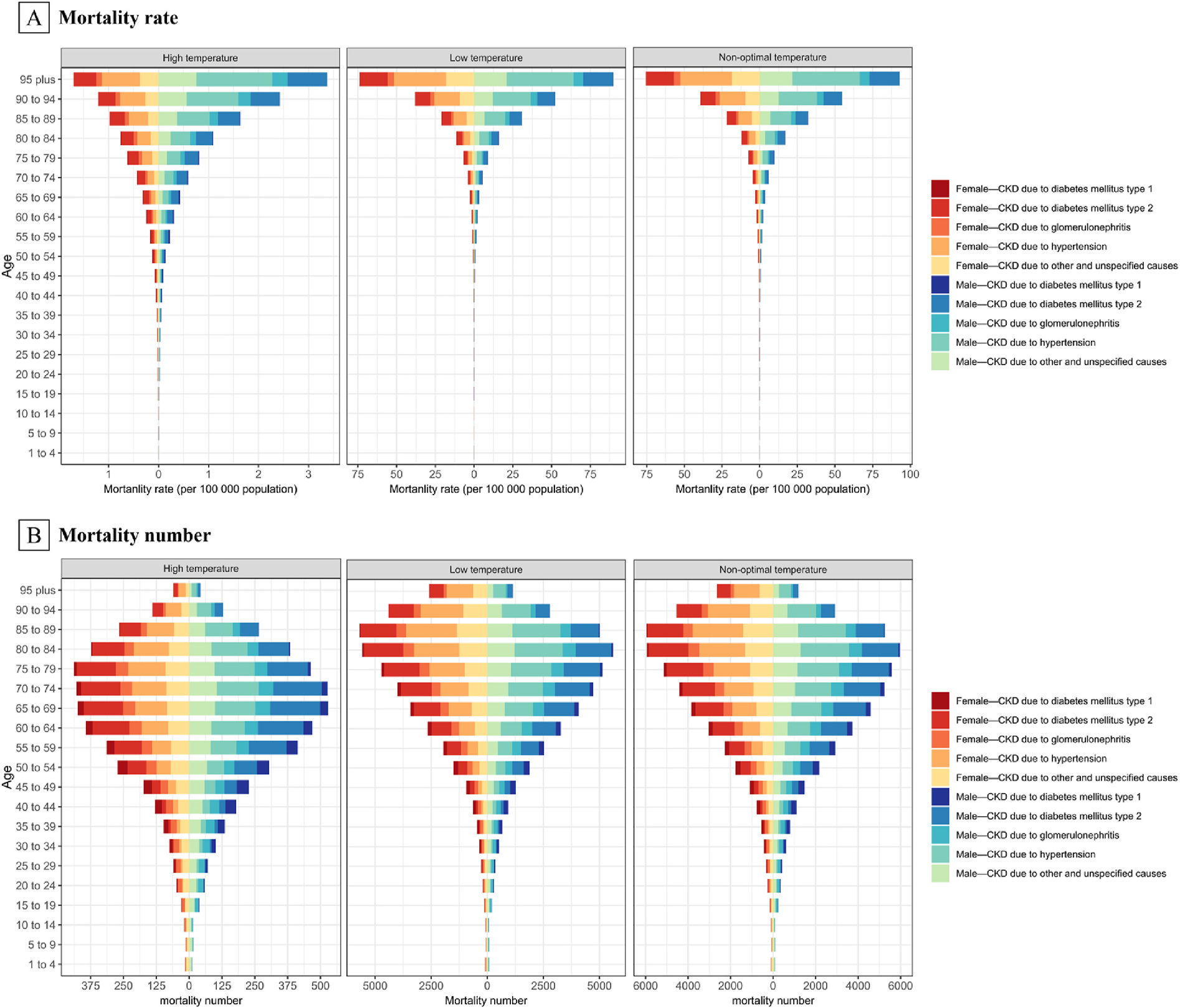
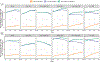
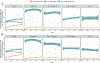
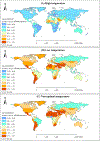
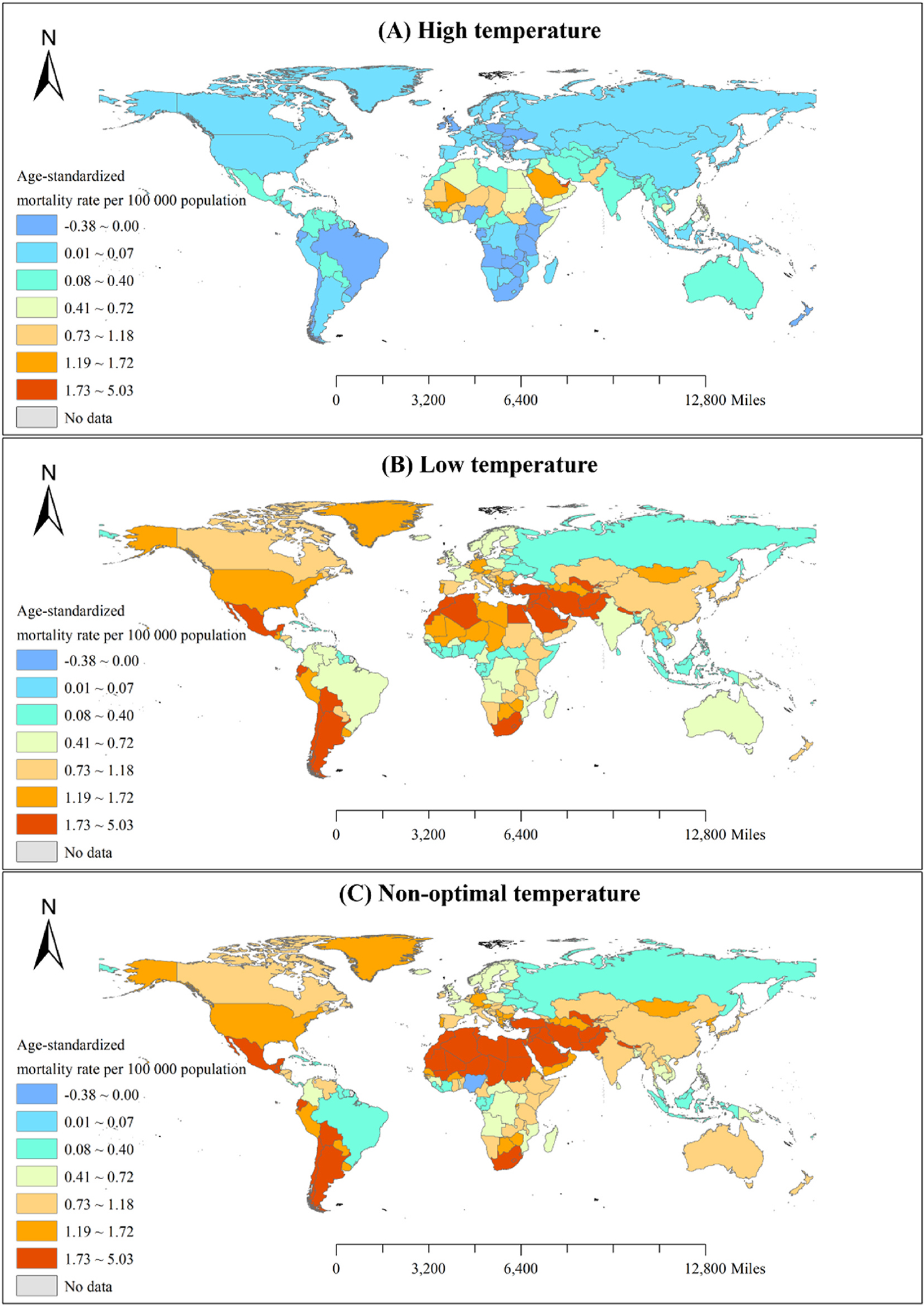
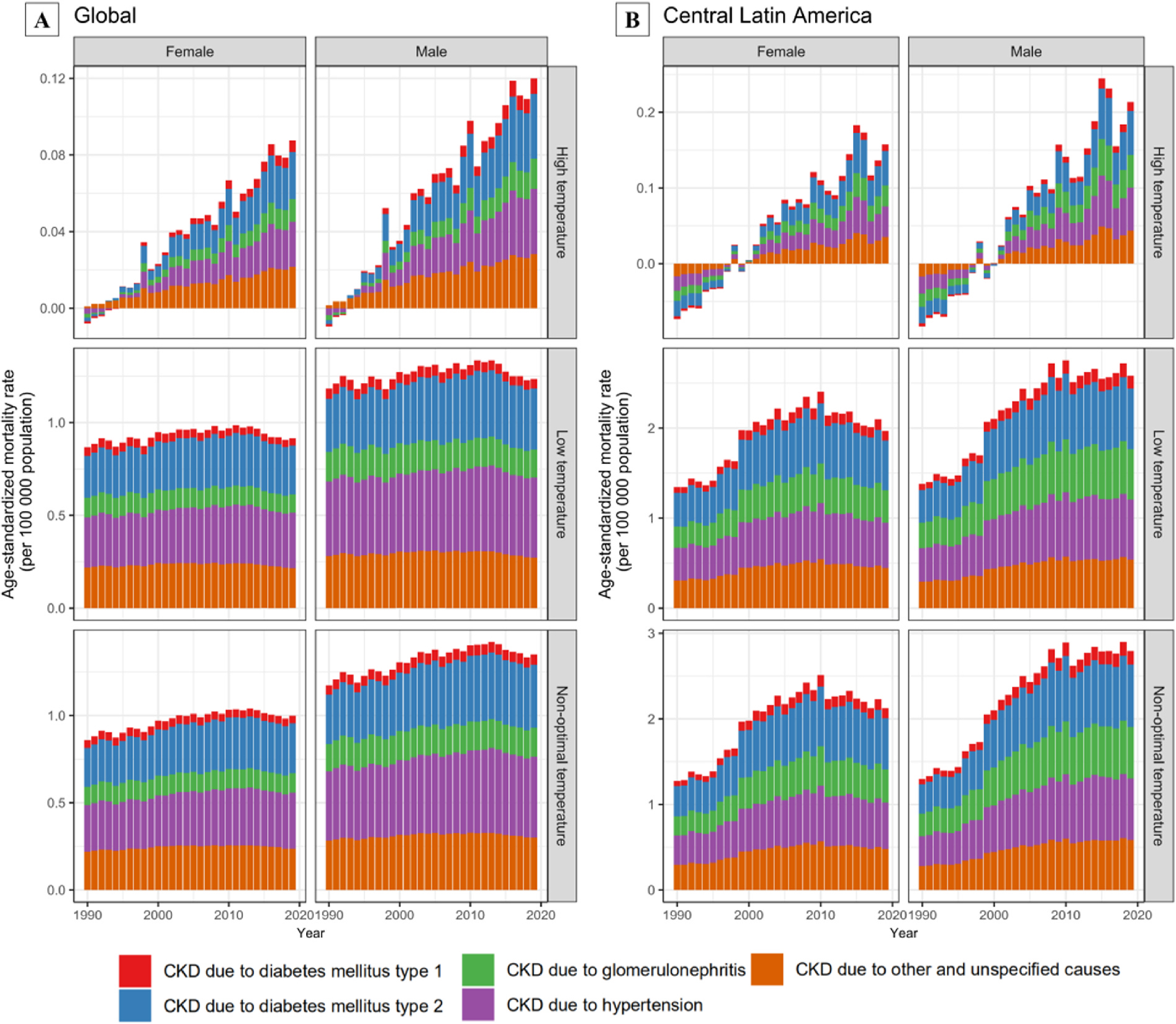
In 1990, the ASMR and ASDR due to high temperature estimated −0.01 (95% UI, −0.74 to 0.44) and −0.32 (−21.66 to 12.66) per 100 000 population, respectively. In 2019, the ASMR and ASDR reached 0.10 (−0.28 to 0.38) and 2.71 (−8.07 to 10.46), respectively. The high-temperature burden increased most rapidly in tropical and low SDI regions. There were 0.99 (0.59 to 1.39) ASMR attributable to low-temperature in 1990, which increased to 1.05 (0.61–1.49) in 2019. While the ASDR due to low temperature declined from 22.03 (12.66 to 30.64) in 1990 to 20.43 (11.30 to 29.26) in 2019. Overall, the burden of CKD attributable to non-optimal temperatures has increased from 1990 to 2019. CKD due to hypertension and diabetes mellitus were the primary causes of CKD death attributable to non-optimum temperatures in 2019 with males and older adults being more susceptible to these temperatures.
Conclusions:
The CKD burden due to high, low, and non-optimum temperatures varies considerably by regions and countries. The burden of CKD attributable to high temperature has been increasing since 1990.
-
Subjects:
-
Keywords:
-
Source:Environ Res. 212(Pt A):113172
-
Pubmed ID:35346653
-
Pubmed Central ID:PMC9907637
-
Document Type:
-
Funding:
-
Volume:212
-
Collection(s):
-
Main Document Checksum:urn:sha256:c0f811be1c6acab0d267f72dd0899d710127430c2c1f4e672feeeda65122367e
-
Download URL:
-
File Type:
 [PDF
- 2.11 MB
]
[PDF
- 2.11 MB
]
Supporting Files


File Language:
English
ON THIS PAGE

CDC STACKS serves as an archival repository of CDC-published products including
scientific findings,
journal articles, guidelines, recommendations, or other public health information authored or
co-authored by CDC or funded partners.
As a repository, CDC STACKS retains documents in their original published format to ensure public access to scientific information.
As a repository, CDC STACKS retains documents in their original published format to ensure public access to scientific information.
You May Also Like
COLLECTION
CDC Public Access