



The impact of COVID-19 pandemic on the 2020 hepatitis C cascade of care in the Republic of Georgia
Supporting Files

-
4 2022
-
Available in CDC Stacks on April 01, 2023, 12:00 AM
File Language:
English
Details
-
Alternative Title:Public Health
-
Personal Author:
-
Description:Objectives:
In 2015, the Republic of Georgia initiated a National Hepatitis C Elimination Program, with a goal of 90% reduction in prevalence of chronic hepatitis C virus (HCV) infections by 2020. In this article, we explore the impact of the COVID-19 pandemic on the 2020 hepatitis C cascade of care in Georgia.
Study design:
Retrospective analytic study.
Methods:
We used a national screening registry that includes hospitals, blood banks, antenatal clinics, harm reduction sites, and other programs and services to collect data on hepatitis C screening. A separate national treatment database was used to collect data on viremia and diagnostic testing, treatment initiation, and outcome including testing for and achieving sustained virologic response (SVR). We used these databases to create hepatitis C care cascades for 2020 and 2019. Bivariate associations for demographic characteristics and screening locations per year and care cascade comparisons were assessed using a chi-squared test.
Results:
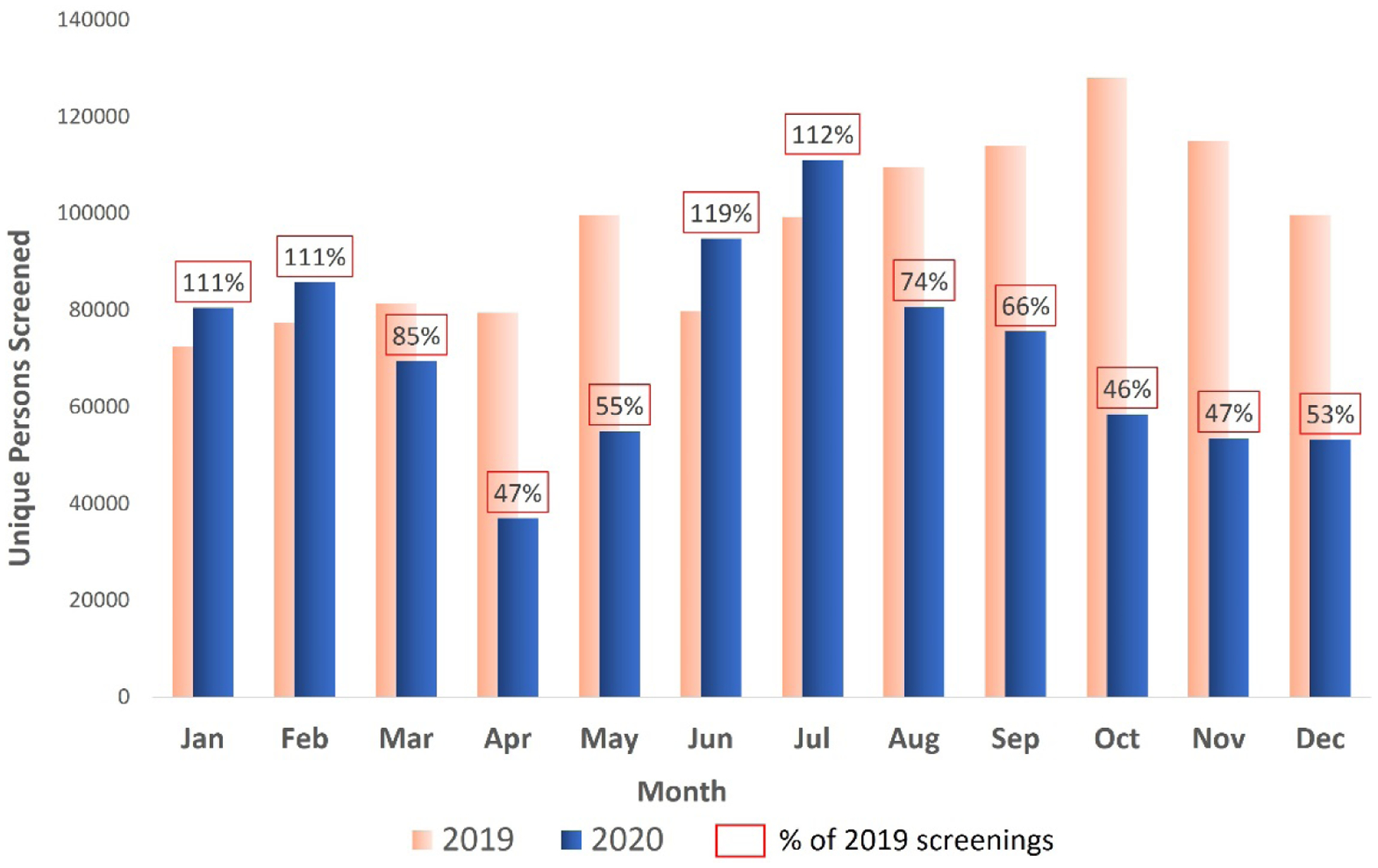
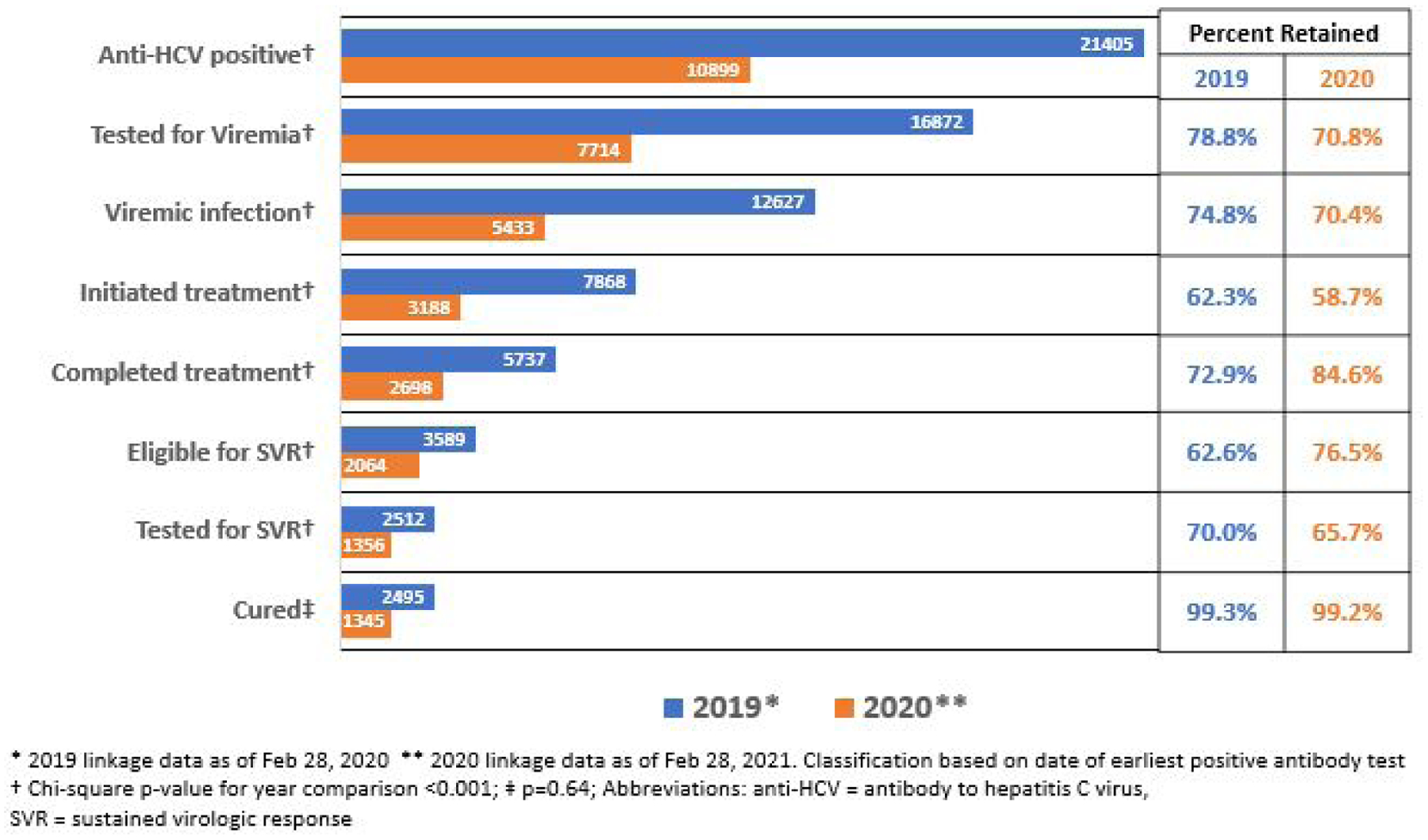
In 2020 compared to 2019, the total number of persons screened for HCV antibodies decreased by 25% (from 975,416 to 726,735), 59% fewer people with viremic infection were treated for HCV infection (3188 vs. 7868), 46% fewer achieved SVR (1345 vs. 2495), a significantly smaller percentage of persons with viremic infection initiated treatment for HCV (59% vs. 62%), while the percentage of persons who achieved SVR (99.2% vs. 99.3%) remained stable.
Conclusions:
The COVID-19 pandemic had a negative impact on the hepatitis C elimination program in Georgia. To ensure Georgia reaches its elimination goals, mitigating unintended consequences of delayed diagnosis and treatment of hepatitis C due to the COVID-19 pandemic are paramount. -
Subjects:
-
Source:Public Health. 205:182-186
-
Pubmed ID:35305459
-
Pubmed Central ID:PMC9004234
-
Document Type:
-
Funding:
-
Place as Subject:
-
Volume:205
-
Download URL:
-
File Type:
 [PDF - 721.78 KB]
 -
Collection(s):
-
Main Document Checksum:urn:sha256:22764ef643d81ef3bd50ba32f5a60bb1d0f3ddce06673bfbf78fe18b2d56a293
Supporting Files


File Language:
English
 Was this page helpful?
 Found an issue?

CDC STACKS serves as an archival repository of CDC-published products including
scientific findings, journal articles, guidelines, recommendations, or other public health information authored or
co-authored by CDC or funded partners.
As a repository, CDC STACKS retains documents in their original published format to ensure public access to scientific information.
As a repository, CDC STACKS retains documents in their original published format to ensure public access to scientific information.
You May Also Like
COLLECTION
CDC Public Access