


Impact of long-term storage of clinical samples collected from 1996 to 2017 on RT-PCR detection of norovirus
Supporting Files

-
5 2019
-
File Language:
English
Details
-
Alternative Title:J Virol Methods
-
Personal Author:
-
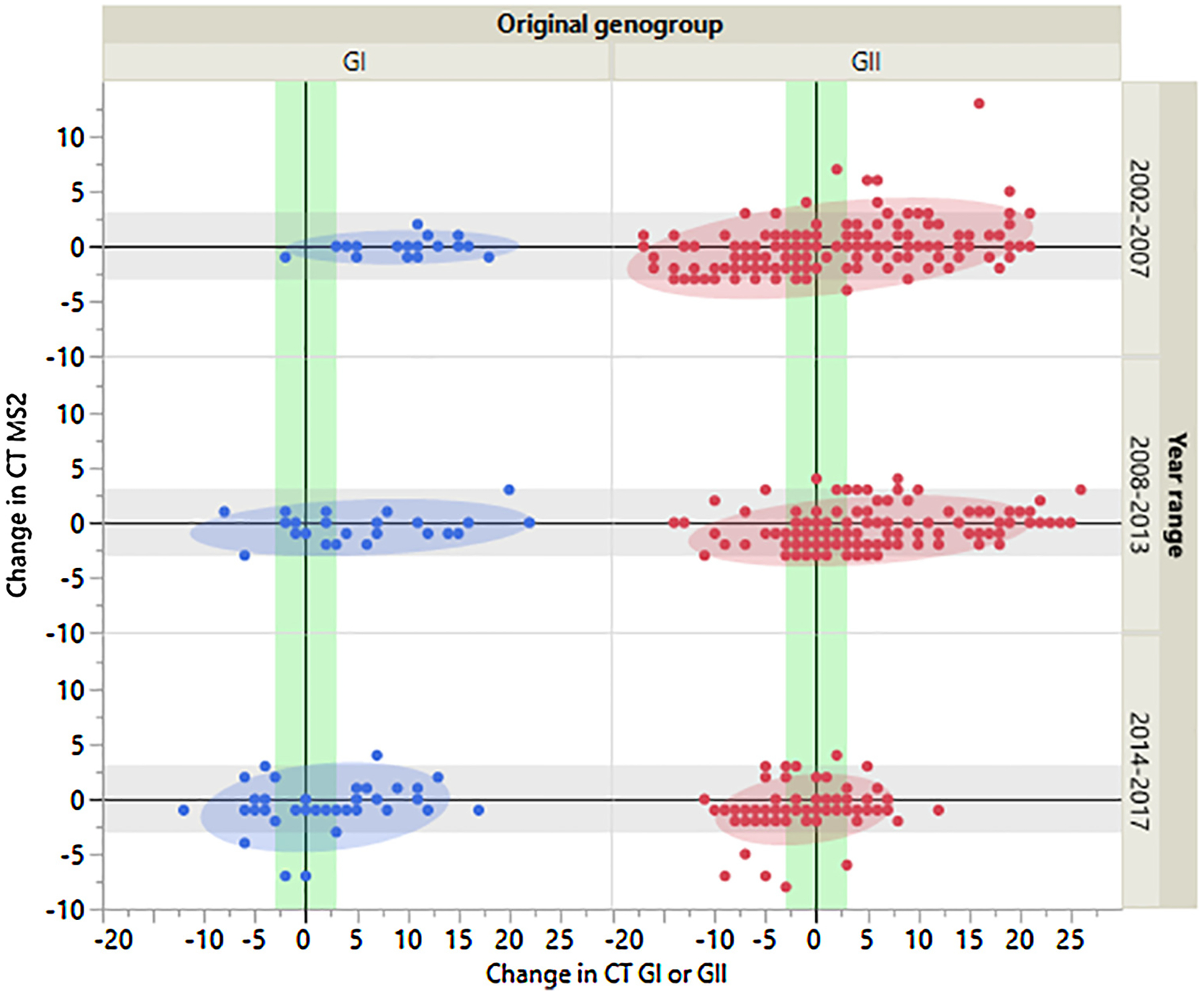
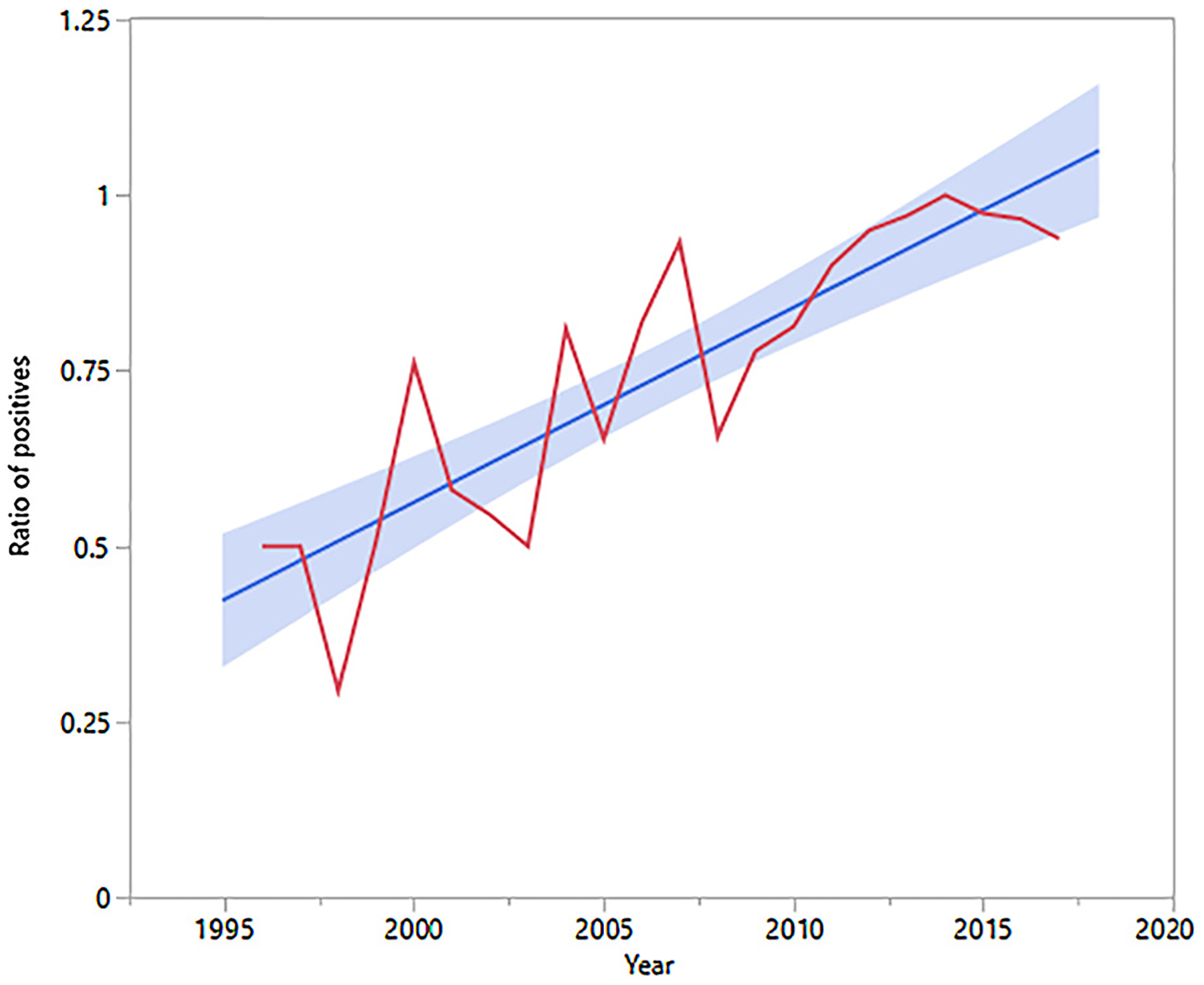
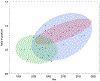
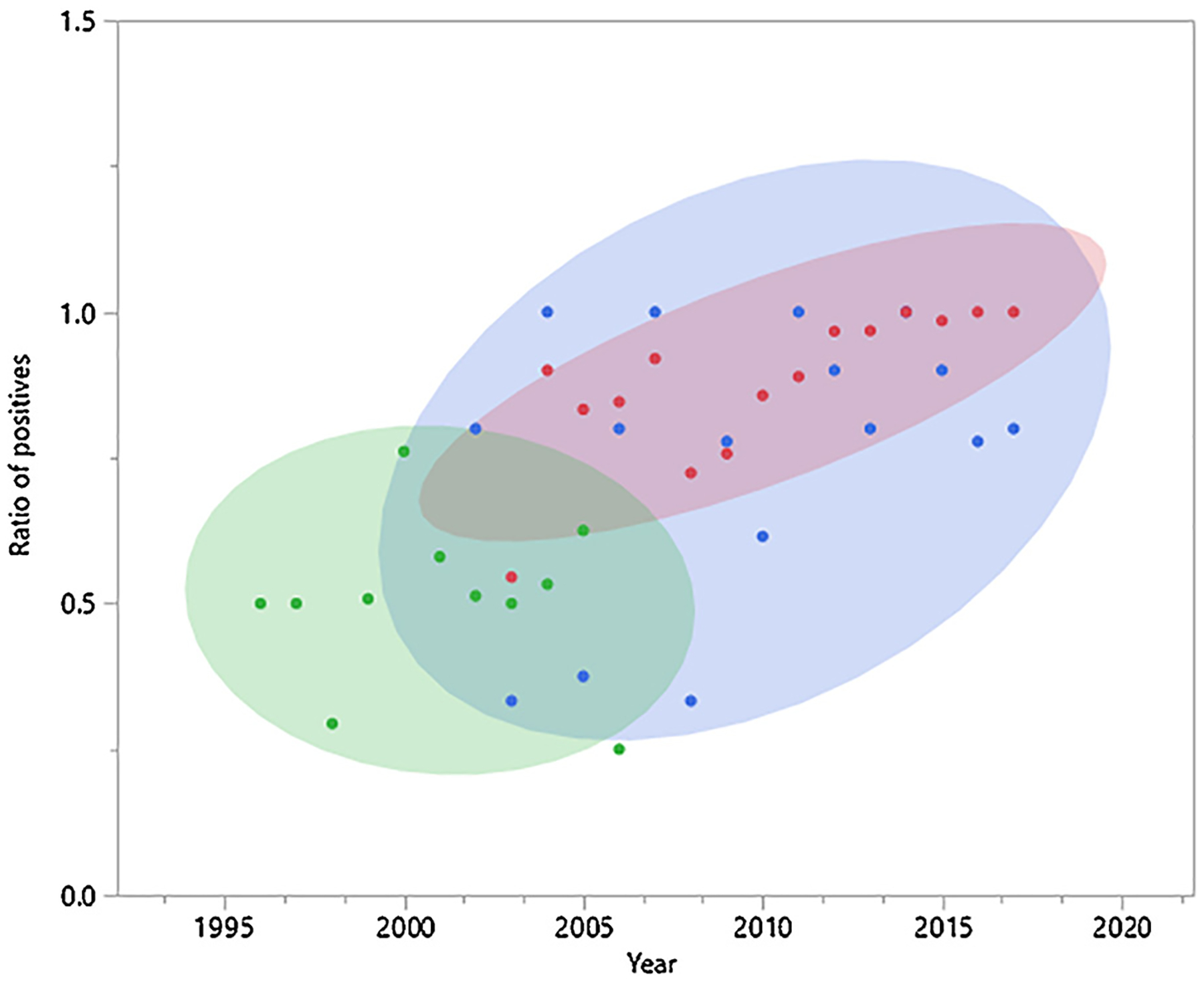
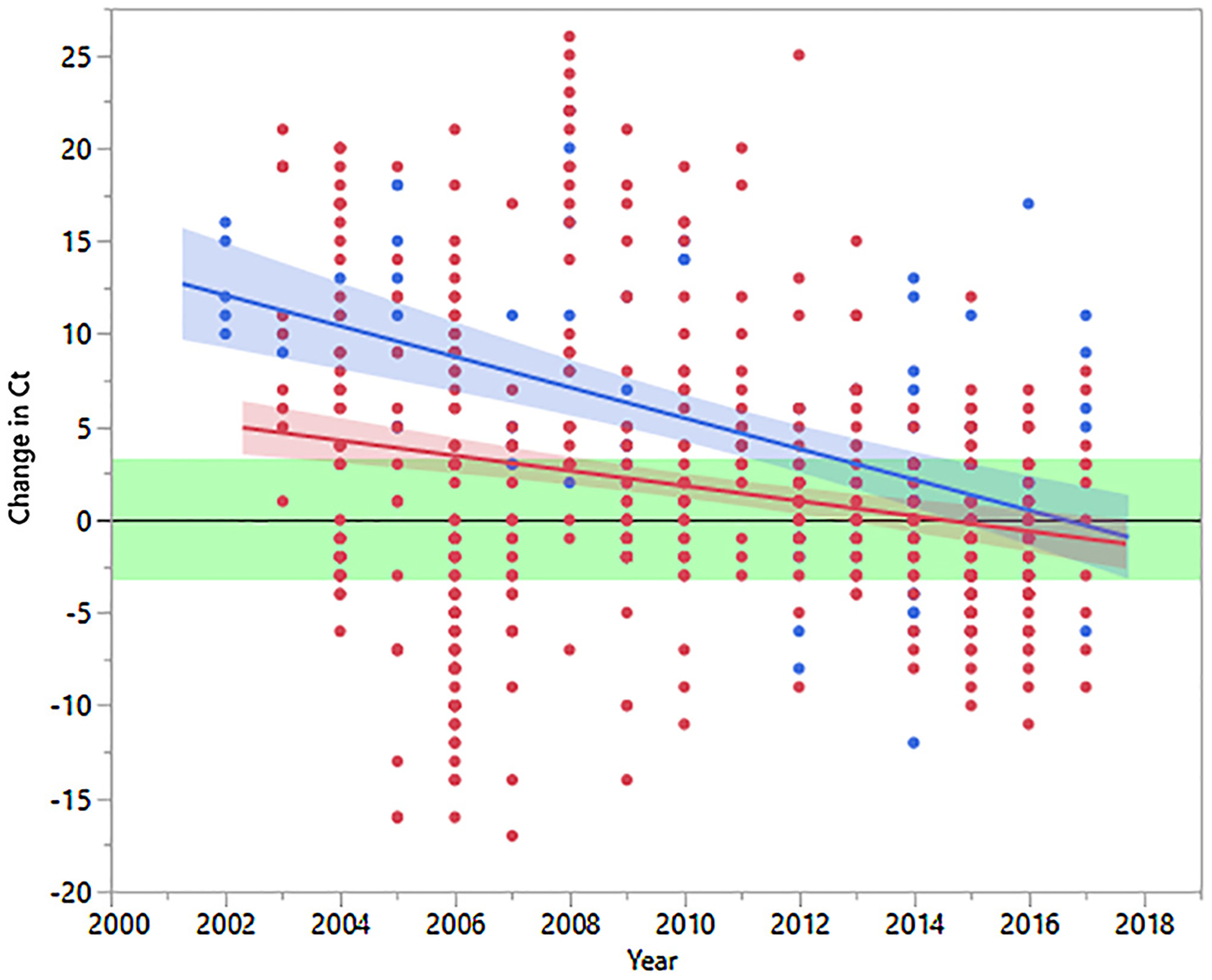
Description:Noroviruses are recognized as the leading cause of acute gastroenteritis globally. With improved molecular diagnostics developed over the last two decades, archived clinical specimens are increasingly used to investigate the historic prevalence and molecular epidemiology of human norovirus. Yet the impact of long-term storage on viral integrity in clinical specimens has not been evaluated. In this study, we retested 994 stool specimens collected between 1996 and 2017 that originally tested norovirus-positive to quantify the loss of norovirus RT-PCR positivity with increasing sample storage time at 4 °C. In all, 79% of samples tested positive after retesting, but there was an approximate 3% decline in the positivity ratio and 4% decline in the percentage of samples that could be genotyped with each additional year of sample storage. For samples that were originally quantified by real-time RT-PCR (collected between 2003 and 2017), there was an estimated 1-log loss of viral titer occurring every 7 years of sample storage. Few samples contained PCR inhibitors, assessed using a MS2 extraction control, indicating that loss of RT-PCR signal was due primarily to loss of viral RNA integrity after long-term storage of stool samples at 4 °C. Our results indicate that norovirus positive stool samples can be stored with minimal loss in RT-PCR positivity when stored less than a decade. Longer periods of storage may impair norovirus detection, potentially impacting historic estimates of norovirus prevalence and molecular epidemiology if derived by testing archival clinical specimens.
-
Subjects:
-
Source:J Virol Methods. 267:35-41
-
Pubmed ID:30735688
-
Pubmed Central ID:PMC8981268
-
Document Type:
-
Funding:
-
Volume:267
-
Collection(s):
-
Main Document Checksum:urn:sha256:5d7c4264fe3f1afdaa691e0e2924d94ffaac619deddabe7eb508b7d10e9df747
-
Download URL:
-
File Type:
 [PDF
- 962.02 KB
]
[PDF
- 962.02 KB
]
Supporting Files


File Language:
English
ON THIS PAGE


CDC STACKS serves as an archival repository of CDC-published products including
scientific findings,
journal articles, guidelines, recommendations, or other public health information authored or
co-authored by CDC or funded partners.
As a repository, CDC STACKS retains documents in their original published format to ensure public access to scientific information.
As a repository, CDC STACKS retains documents in their original published format to ensure public access to scientific information.
You May Also Like
COLLECTION
CDC Public Access