


Chronic circadian shift leads to adipose tissue inflammation and fibrosis
Supporting Files

-
2 05 2021
-
File Language:
English
Details
-
Alternative Title:Mol Cell Endocrinol
-
Personal Author:
-
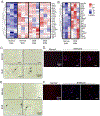
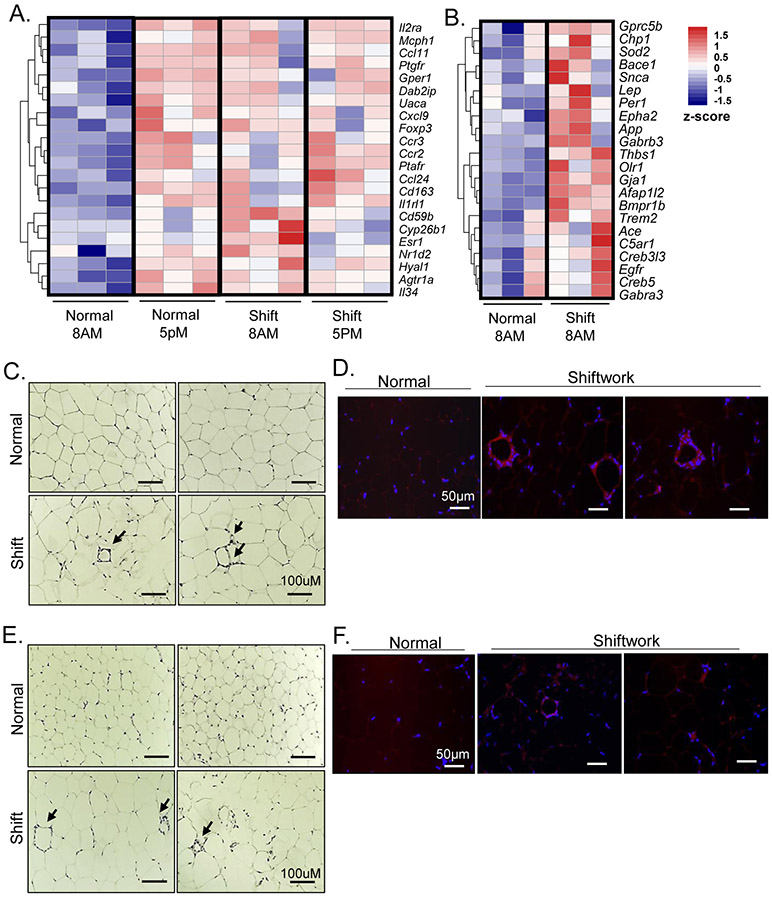
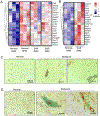
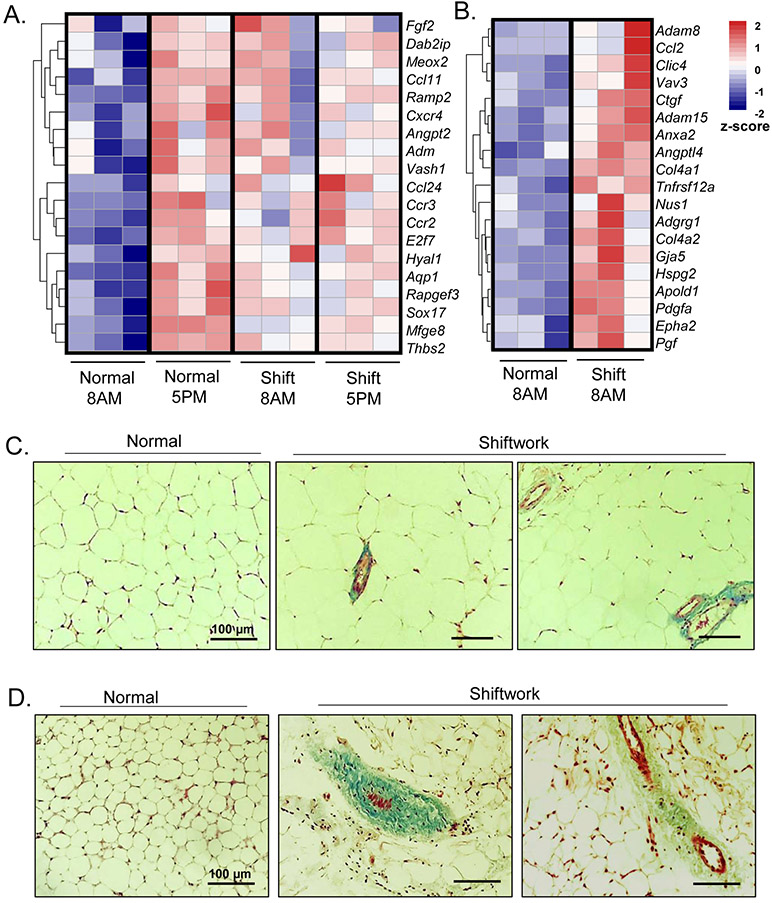
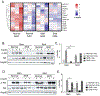
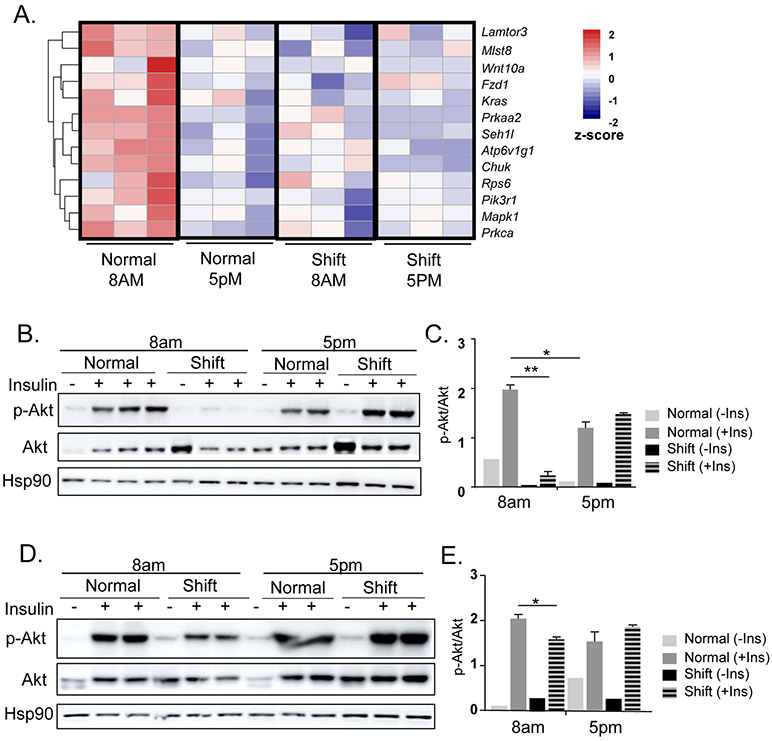
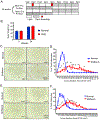
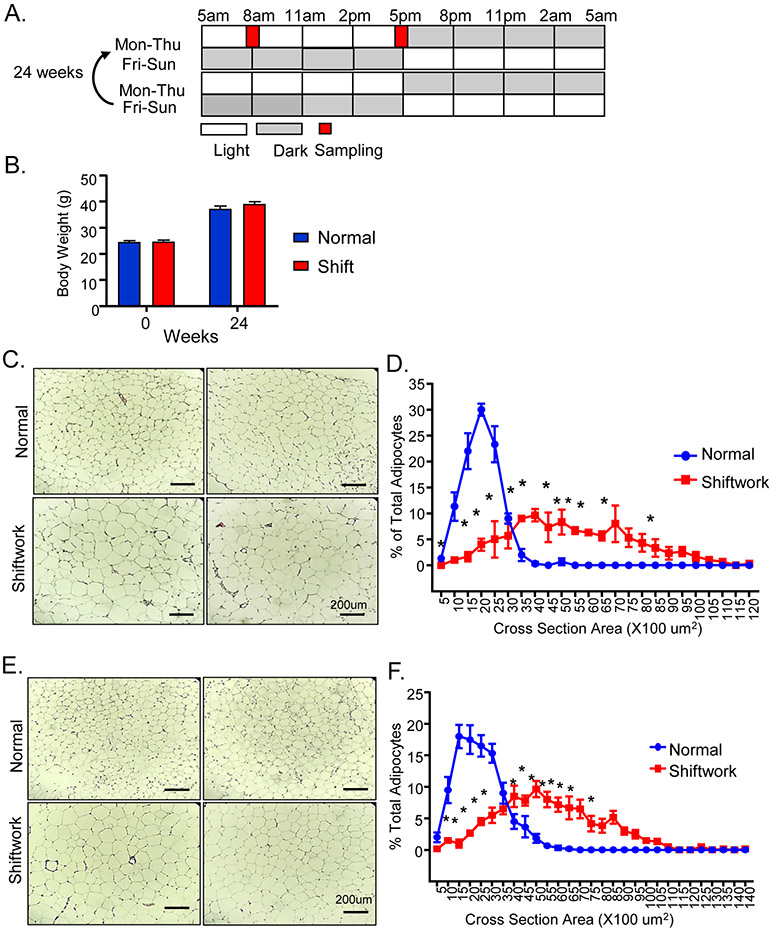
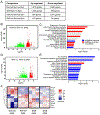
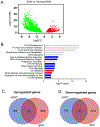
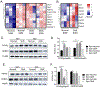
Description:The circadian clock exerts temporal coordination of metabolic pathways. Clock disruption is intimately linked with the development of obesity and insulin resistance, and our previous studies found that the essential clock transcription activator, Brain and Muscle Arnt-like 1 (Bmal1), is a key regulator of adipogenesis. However, the metabolic consequences of chronic shiftwork on adipose tissues have not been clearly defined. Here, using an environmental lighting-induced clock disruption that mimics rotating shiftwork schedule, we show that chronic clock dysregulation for 6 months in mice resulted in striking adipocyte hypertrophy with adipose tissue inflammation and fibrosis. Both visceral and subcutaneous depots display enlarged adipocyte with prominent crown-like structures indicative of macrophage infiltration together with evidence of extracellular matrix remodeling. Global transcriptomic analyses of these fat depots revealed that shiftwork resulted in up-regulations of inflammatory, adipogenic and angiogenic pathways with disruption of normal time-of-the-day-dependent regulation. These changes in adipose tissues are associated with impaired insulin signaling in mice subjected to shiftwork, together with suppression of the mTOR signaling pathway. Taken together, our study identified the significant adipose depot dysfunctions induced by chronic shiftwork regimen that may underlie the link between circadian misalignment and insulin resistance.
-
Subjects:
-
Source:Mol Cell Endocrinol. 521:111110
-
Pubmed ID:33285245
-
Pubmed Central ID:PMC7799174
-
Document Type:
-
Funding:
-
Volume:521
-
Collection(s):
-
Main Document Checksum:urn:sha256:b8c9db1fd30563eaa6407df5c08a6ed2137f9fcdec1e3b5517383bad3392a9c8
-
Download URL:
-
File Type:
 [PDF
- 2.61 MB
]
[PDF
- 2.61 MB
]
Supporting Files


File Language:
English
ON THIS PAGE




CDC STACKS serves as an archival repository of CDC-published products including
scientific findings,
journal articles, guidelines, recommendations, or other public health information authored or
co-authored by CDC or funded partners.
As a repository, CDC STACKS retains documents in their original published format to ensure public access to scientific information.
As a repository, CDC STACKS retains documents in their original published format to ensure public access to scientific information.
You May Also Like
COLLECTION
CDC Public Access