



Inhibition of calcium-calmodulin-dependent phosphodiesterase (PDE1) suppresses inflammatory responses
Supporting Files

-
1 2020
-
Available in CDC Stacks on 2021-01-05T00:00:00Z
File Language:
English
Details
-
Alternative Title:Mol Cell Neurosci
-
Personal Author:
-
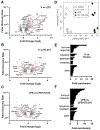
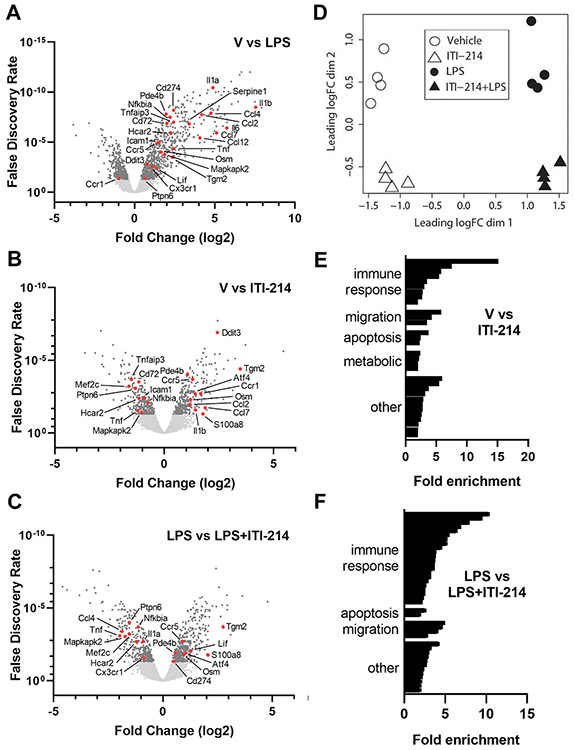
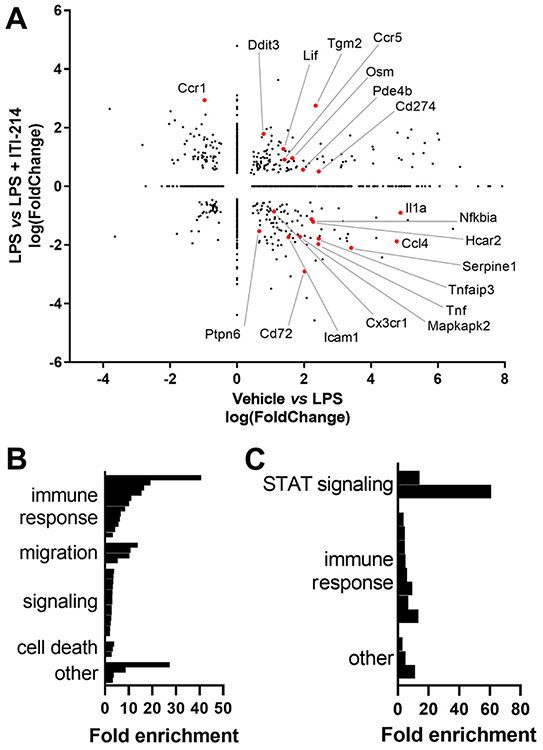
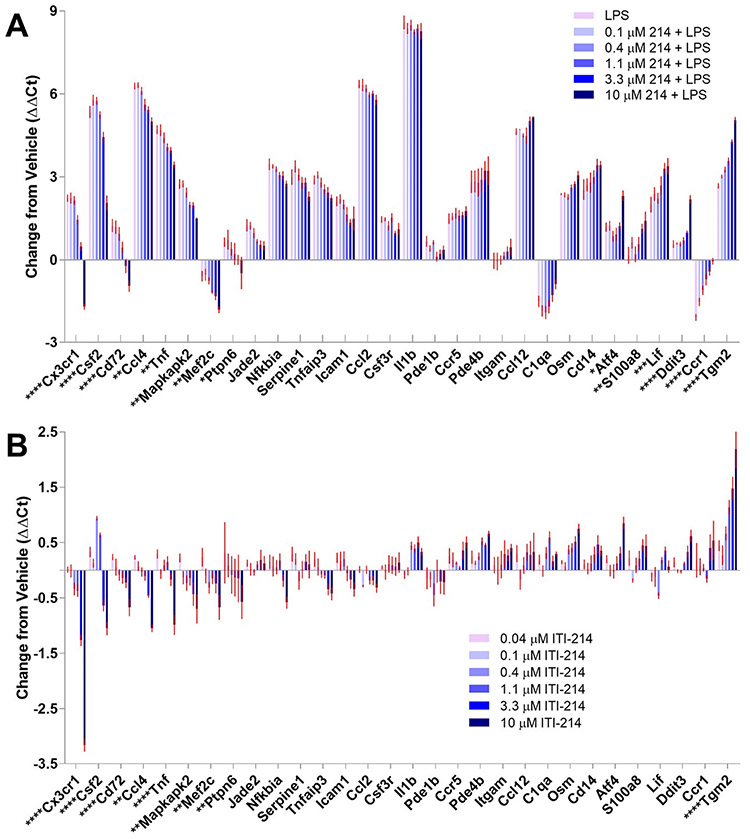
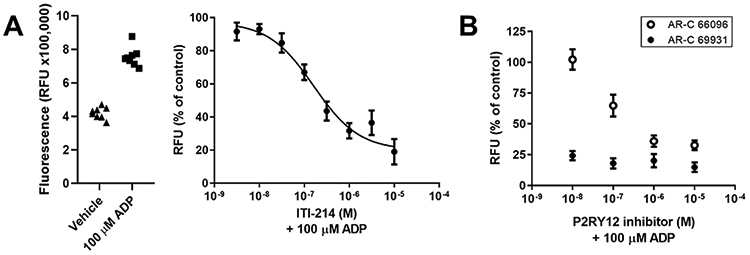
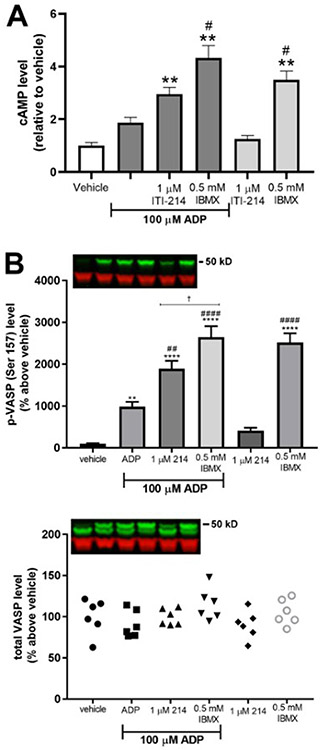
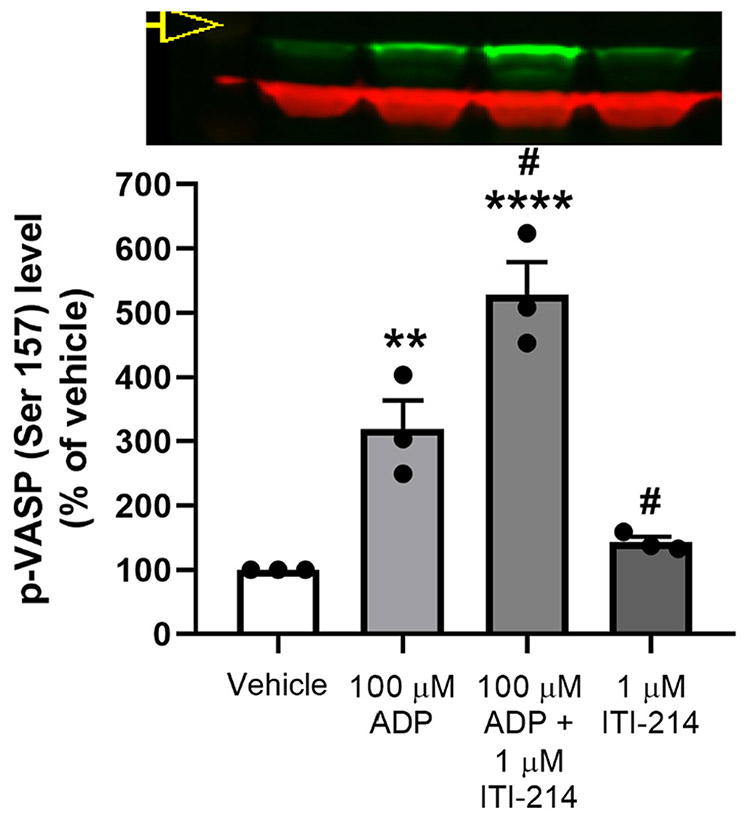
Description:A novel, potent, and highly specific inhibitor of calcium-calmodulin-dependent phosphodiesterases (PDE) of the PDE1 family, ITI-214, was used to investigate the role of PDE1 in inflammatory responses. ITI-214 dose-dependently suppressed lipopolysaccharide (LPS)-induced gene expression of pro-inflammatory cytokines in an immortalized murine microglial cell line, BV2 cells. RNA profiling (RNA-Seq) was used to analyze the impact of ITI-214 on the BV2 cell transcriptome in the absence and the presence of LPS. ITI-214 was found to regulate classes of genes that are involved in inflammation and cell migration responses to LPS exposure. The gene expression changes seen with ITI-214 treatment were distinct from those elicited by inhibitors of other PDEs with anti-inflammatory activity (e.g., a PDE4 inhibitor), indicating a distinct mechanism of action for PDE1. Functionally, ITI-214 inhibited ADP-induced migration of BV2 cells through a P2Y12-receptor-dependent pathway, possibly due to increases in the extent of cAMP and VASP phosphorylation downstream of receptor activation. Importantly, this effect was recapitulated in P2 rat microglial cells in vitro, indicating that these pathways are active in native microglial cells. These studies are the first to demonstrate that inhibition of PDE1 exerts anti-inflammatory effects through effects on microglia signaling pathways. The ability of PDE1 inhibitors to prevent or dampen excessive inflammatory responses of BV2 cells and microglia provides a basis for exploring their therapeutic utility in the treatment of neurodegenerative diseases associated with increased inflammation and microglia proliferation such as Parkinson's disease and Alzheimer's disease.
-
Subjects:
- Article
- Cyclic nucleotide
- Calcium
- Microglia
- Migration
- VASP
- Phosphorylation
- Animals
- Anti-Inflammatory Agents
- Cell Adhesion Molecules
- Cell Line
- Cell Movement
- Cells, Cultured
- Cyclic Nucleotide Phosphodiesterases, Type 1
- Cytokines
- Enzyme Inhibitors
- Heterocyclic Compounds, 4 or More Rings
- Lipopolysaccharides
- Mice
- Microfilament Proteins
- Phosphoproteins
- Rats
- Receptors, Purinergic P2Y12
- Signal Transduction
-
Source:Mol Cell Neurosci. 102:103449
-
Pubmed ID:31770590
-
Pubmed Central ID:PMC7783477
-
Document Type:
-
Funding:
-
Volume:102
-
Download URL:
-
File Type:
 [PDF - 1.25 MB]
 -
Collection(s):
-
Main Document Checksum:urn:sha256:f349cbd7d4a67dd07428635d3dda2996a22cecf32d224fa8623e99041b417708
Supporting Files


File Language:
English
 Was this page helpful?
 Found an issue?





CDC STACKS serves as an archival repository of CDC-published products including
scientific findings, journal articles, guidelines, recommendations, or other public health information authored or
co-authored by CDC or funded partners.
As a repository, CDC STACKS retains documents in their original published format to ensure public access to scientific information.
As a repository, CDC STACKS retains documents in their original published format to ensure public access to scientific information.
You May Also Like
COLLECTION
CDC Public Access