


Evaluation of a portable XRF device for in vivo quantification of lead in bone among a US population
Supporting Files

-
1 20 2021
-
File Language:
English
Details
-
Alternative Title:Sci Total Environ
-
Personal Author:
-
Description:Background:
Lead (Pb) concentration in bone is a reliable biomarker for cumulative Pb exposure and studying associated health outcomes. However, the standard K-shell fluorescence (KXRF) bone Pb measurement technology has limitations in large-scale population studies.
Objective:
We compared measurements from a portable XRF device and a KXRF device.
Methods:
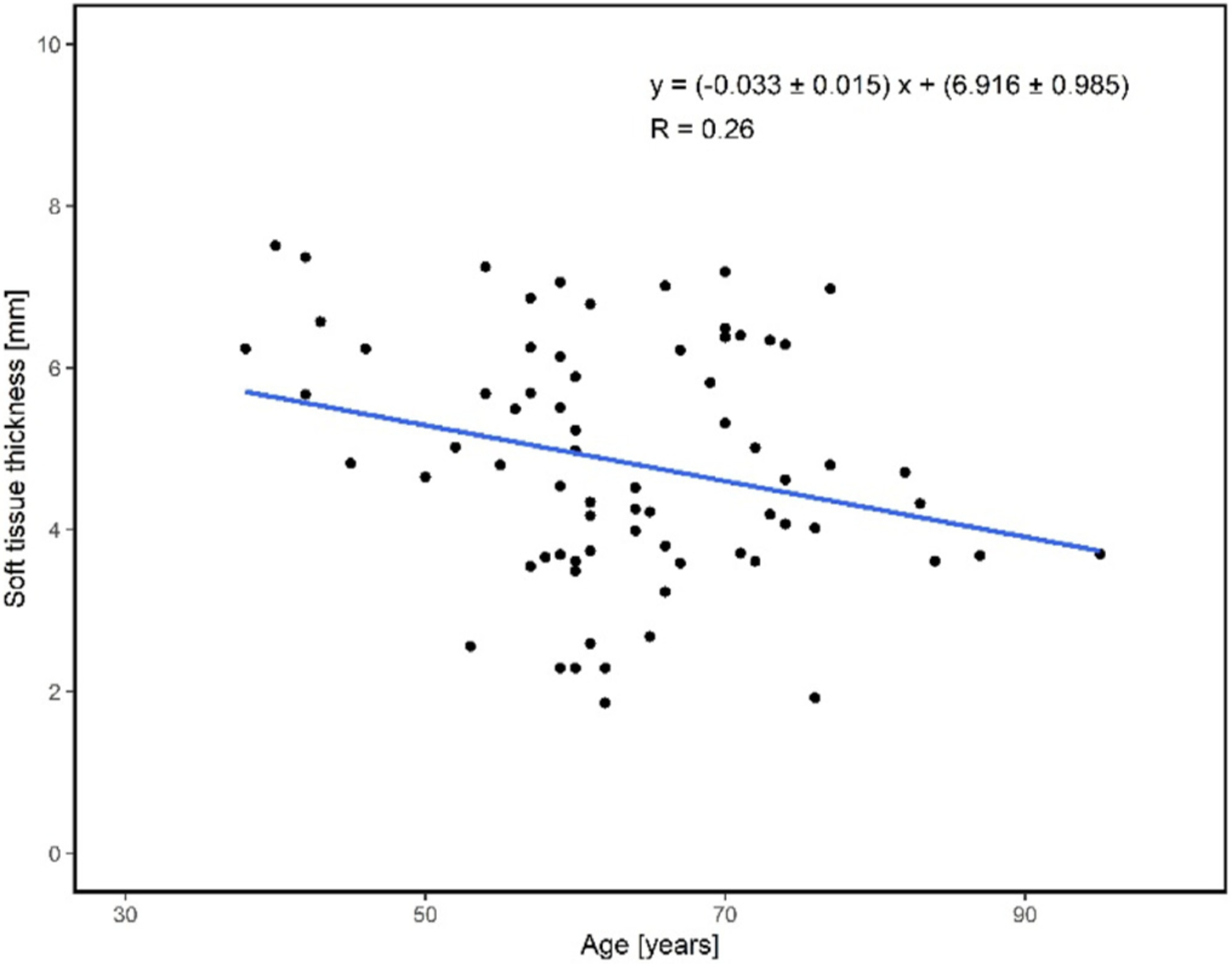
We measured bone Pb concentrations in vivo using portable XRF and KXRF, each measured at the midtibia bone in 71 people, 38–95 years of age (mean ± SD = 63 ± 11 years) living in or near three Indiana communities, US; 10 participants were occupationally exposed. We estimated the correlation between bone Pb concentrations measured by both devices. We also examined the extent to which the detection limit (DL) of the portable XRF was influenced by scan time and overlying soft tissue thickness. Finally, we quantified the associations of estimated bone Pb concentration with age and age with soft tissue thickness.
Results:
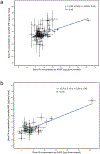
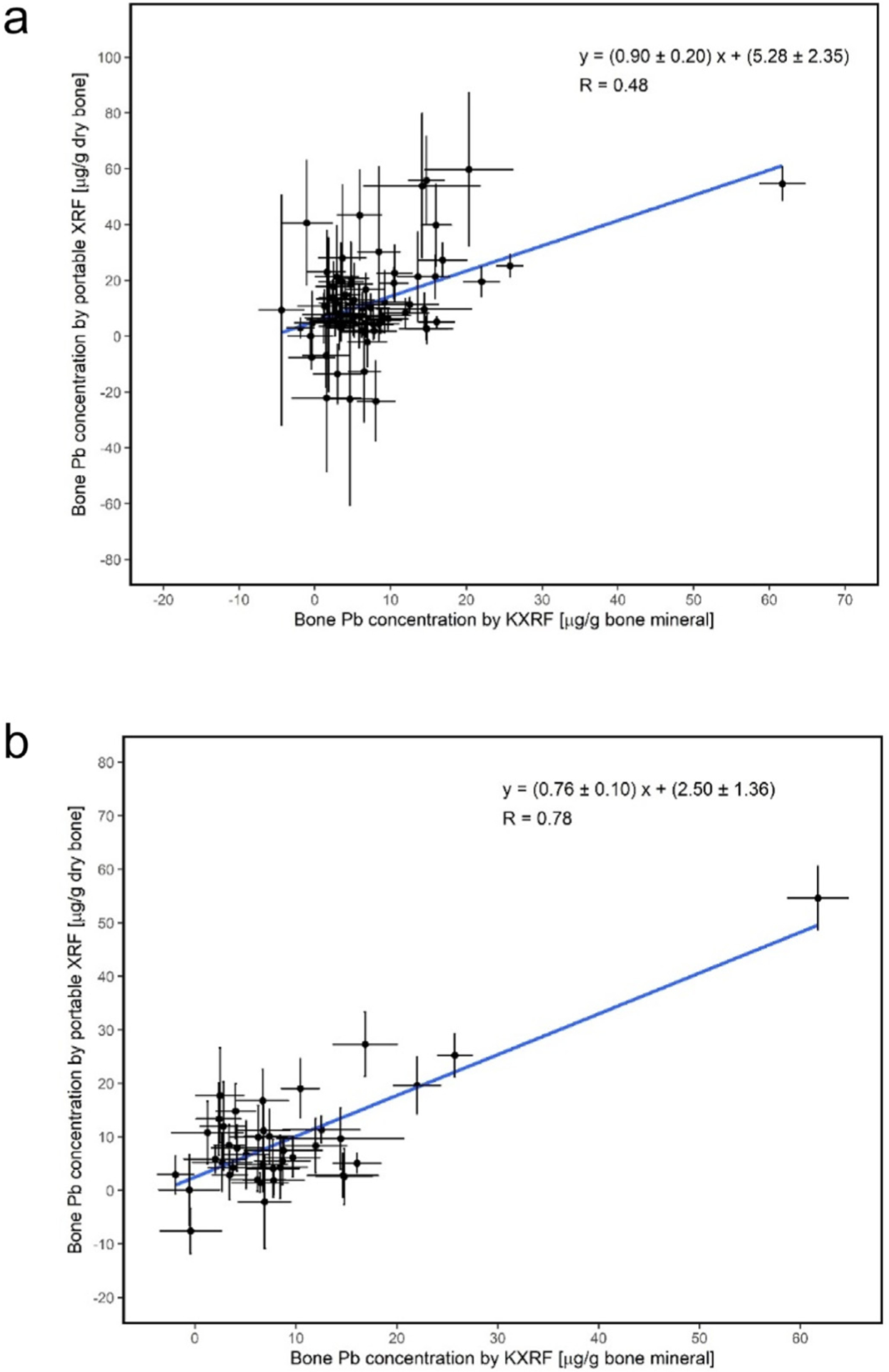
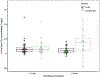
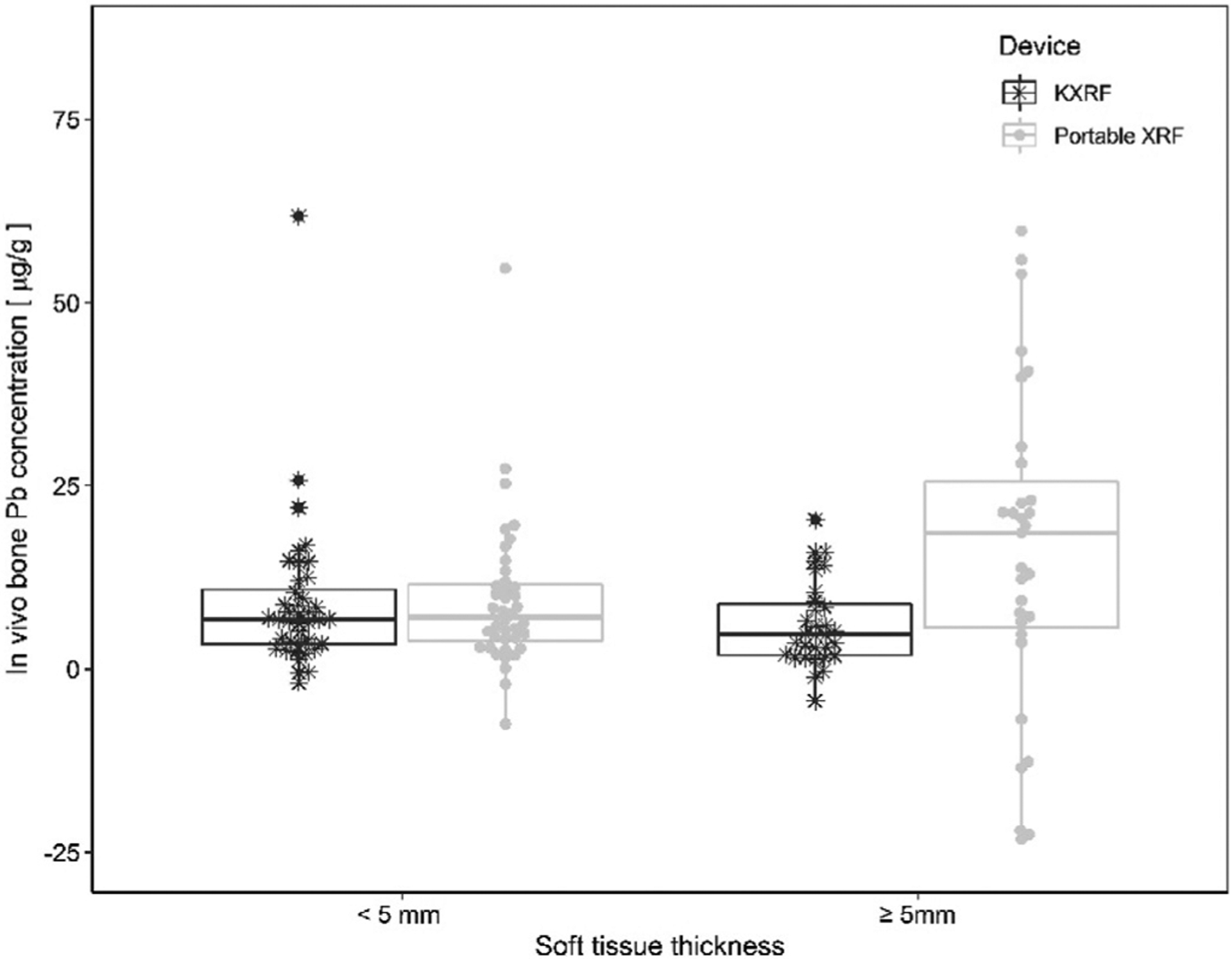
The mean bone Pb concentration measured via portable XRF was 12.3 ± 16.7 mg Pb/kg dry bone. The uncertainty of a 3-minute (N = 60) in vivo portable XRF measurement ranged from 1.8 to 6.3 mg/kg, in the context of soft tissue thickness ranging from 2 to 6 mm. This uncertainty was reduced by a factor of 1.4 with 5-minute measurements (N = 11). Bone Pb measurements via portable XRF and KXRF were significantly correlated: r = 0.48 for all participants, and r = 0.73 among participants with soft tissue thickness < 6 mm (72% of the sample). Bone Pb concentrations were higher among participants who were older or were occupationally exposed to Pb. Soft tissue thickness decreased with age.
Conclusion:
With its ease of use, portability, and comparable sensitivity with conventional KXRF systems, the portable XRF could be a valuable tool for non-invasive quantification of bone Pb in vivo, especially for people with thinner soft tissue.
-
Subjects:
-
Source:Sci Total Environ. 753:142351
-
Pubmed ID:33207470
-
Pubmed Central ID:PMC7677595
-
Document Type:
-
Funding:
-
Place as Subject:
-
Volume:753
-
Collection(s):
-
Main Document Checksum:urn:sha256:b3128487d5c2f36da74d33684f50ec6b5a0bab7b88541180af1cc9153c1d4364
-
Download URL:
-
File Type:
 [PDF
- 786.10 KB
]
[PDF
- 786.10 KB
]
Supporting Files


File Language:
English
ON THIS PAGE


CDC STACKS serves as an archival repository of CDC-published products including
scientific findings,
journal articles, guidelines, recommendations, or other public health information authored or
co-authored by CDC or funded partners.
As a repository, CDC STACKS retains documents in their original published format to ensure public access to scientific information.
As a repository, CDC STACKS retains documents in their original published format to ensure public access to scientific information.
You May Also Like
COLLECTION
CDC Public Access