



High Energy Side and Rear American Football Head Impacts Cause Obvious Performance Decrement on Video
Supporting Files

-
11 2020 ; 11-2020
-
Available in CDC Stacks on November 01, 2021, 12:00 AM
File Language:
English
Details
-
Alternative Title:Ann Biomed Eng
-
Personal Author:Bartsch, Adam J. ; Hedin, Daniel ; Alberts, Jay ; Benzel, Edward C ; Cruickshank, Jason ; Gray, Robert S. ; Cameron, Kenneth ; Houston, Megan N. ; Rooks, Tyler ; McGinty, Gerald ; Kozlowski, Erick ; Rowson, Steven ; Maroon, Joseph C. ; Miele, Vincent J. ; Ashton, J. Chris ; Siegmund, Gunter P. ; Shah, Alok ; McCrea, Michael ; Stemper, Brian
-
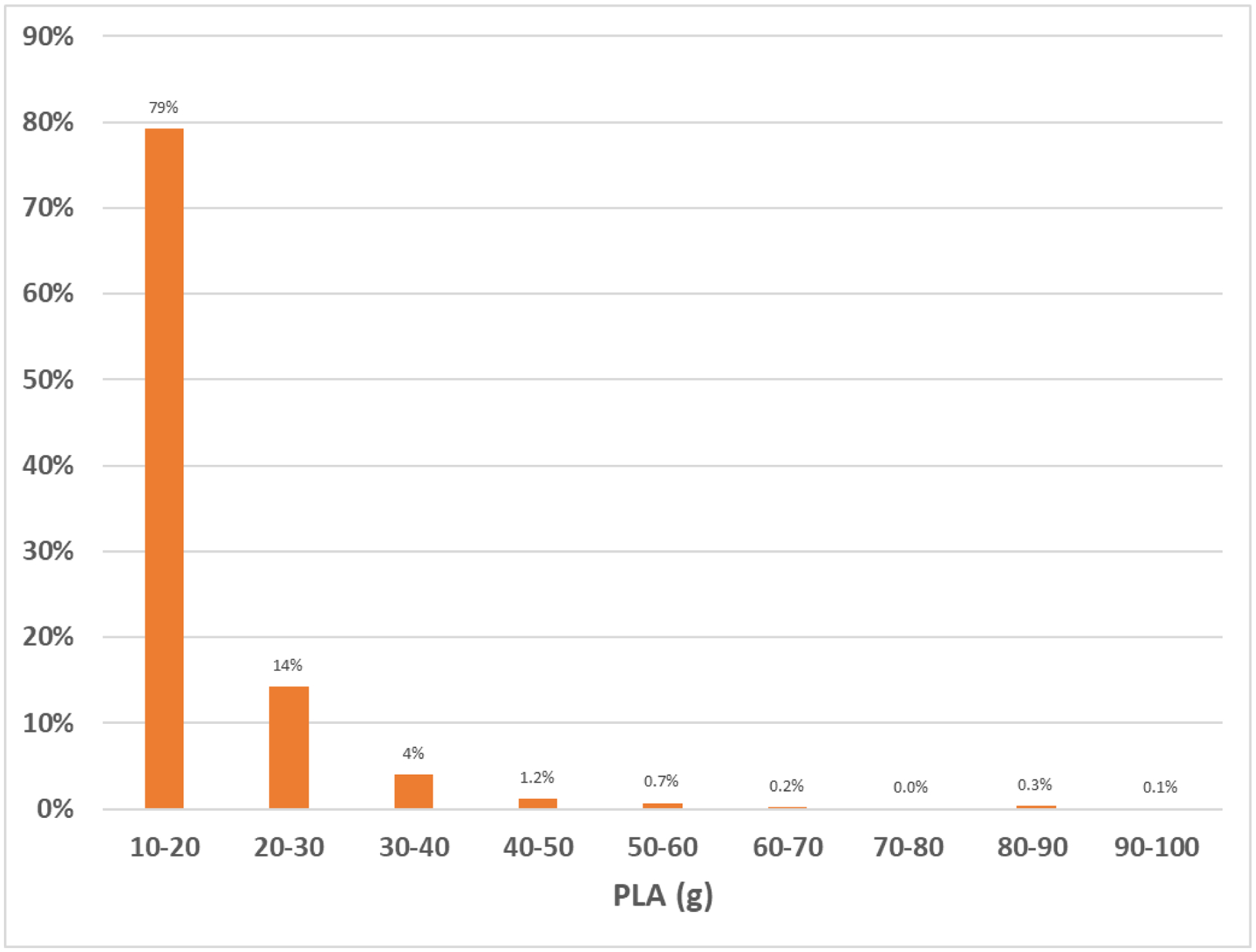
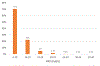
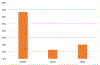
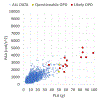
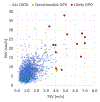
Description:The objective of this study was to compare head impact data acquired with an impact monitoring mouthguard (IMM) to the video-observed behavior of athletes' post-collision relative to their pre-collision behaviors. A total of n = 83 college and high school American football players wore the IMM and were video-recorded over 260 athlete-exposures. Ex-athletes and clinicians reviewed the video in a two-step process and categorized abnormal post-collision behaviors according to previously published Obvious Performance Decrement (OPD) definitions. Engineers qualitatively reviewed datasets to check head impact and non-head impact signal frequency and magnitude. The ex-athlete reviewers identified 2305 head impacts and 16 potential OPD impacts, 13 of which were separately categorized as Likely-OPD impacts by the clinical reviewers. All 13 Likely-OPD impacts were in the top 1% of impacts measured by the IMM (ranges 40-100 g, 3.3-7.0 m/s and 35-118 J) and 12 of the 13 impacts (92%) were to the side or rear of the head. These findings require confirmation in a larger data set before proposing any type of OPD impact magnitude or direction threshold exists. However, OPD cases in this study compare favorably with previously published impact monitoring studies in high school and college American football players that looked for OPD signs, impact magnitude and direction. Our OPD findings also compare well with NFL reconstruction studies for ranges of concussion and sub-concussive impact magnitudes in side/rear collisions, as well as prior theory, analytical models and empirical research that suggest a directional sensitivity to brain injury exists for single high-energy impacts.
-
Subjects:
-
Keywords:
-
Source:Ann Biomed Eng. 48(11):2667-2677
-
Pubmed ID:33111969
-
Pubmed Central ID:PMC7674260
-
Document Type:
-
Funding:W81XWH-17-1-0019/U.S. Department of Defense/ ; R44 HD090763/HD/NICHD NIH HHSUnited States/ ; R01 NS110600/NS/NINDS NIH HHSUnited States/ ; R44HD090763-01A1/Foundation for the National Institutes of Health/ ; R43 NS076102/NS/NINDS NIH HHSUnited States/ ; R43 CE002082/CE/NCIPC CDC HHSUnited States/ ; R41 HD079158/HD/NICHD NIH HHSUnited States/ ; W81XWH-14-2-0151/U.S. Department of Defense/
-
Volume:48
-
Issue:11
-
Download URL:
-
File Type:
 [PDF - 1.44 MB]
 -
Collection(s):
-
Main Document Checksum:urn:sha256:c150e82669d41d8a5c74c578d06aaaf21520d3b8114ddcad5f9d03fd953a76d3
Supporting Files


File Language:
English
 Was this page helpful?
 Found an issue?








CDC STACKS serves as an archival repository of CDC-published products including
scientific findings, journal articles, guidelines, recommendations, or other public health information authored or
co-authored by CDC or funded partners.
As a repository, CDC STACKS retains documents in their original published format to ensure public access to scientific information.
As a repository, CDC STACKS retains documents in their original published format to ensure public access to scientific information.
You May Also Like
COLLECTION
CDC Public Access