



A structural brain network of genetic vulnerability to psychiatric illness
Supporting Files

-
May 06 2020
-
Available in CDC Stacks on November 06, 2021, 12:00 AM
File Language:
English
Details
-
Journal Article:Mol Psychiatry
-
Personal Author:
-
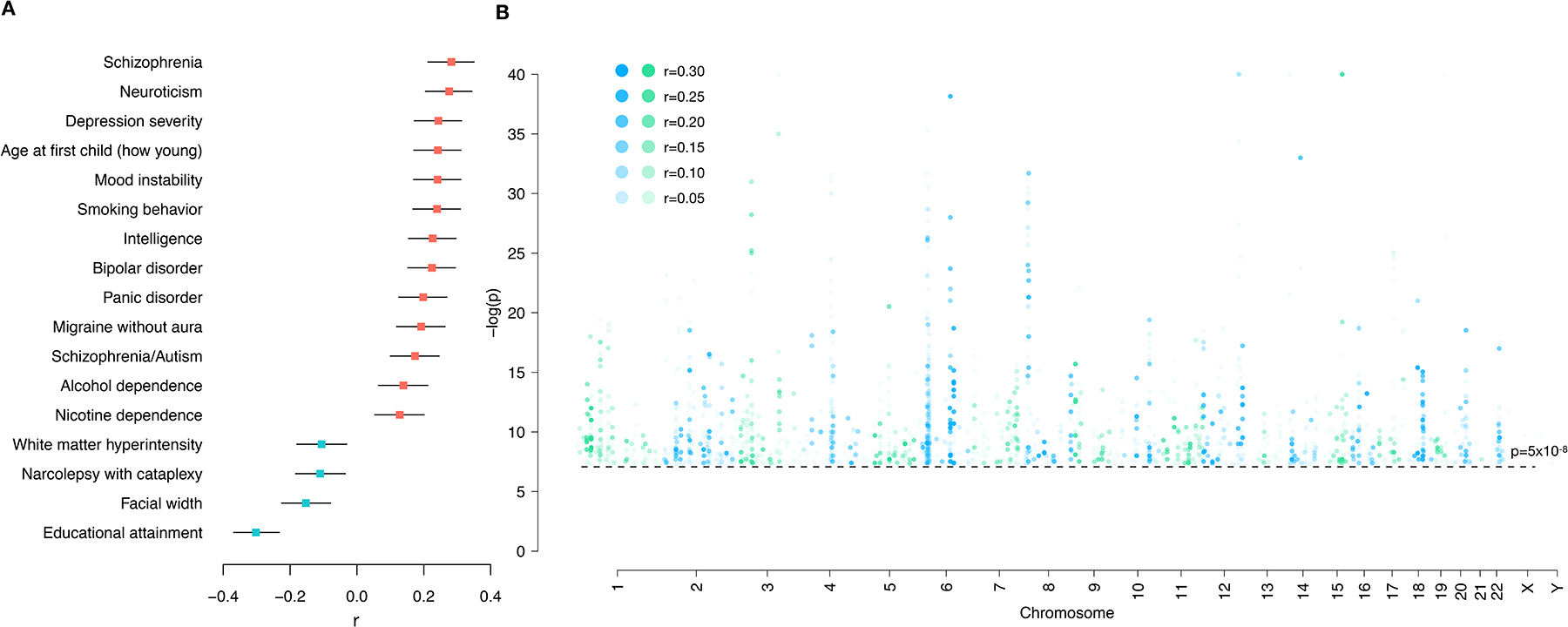
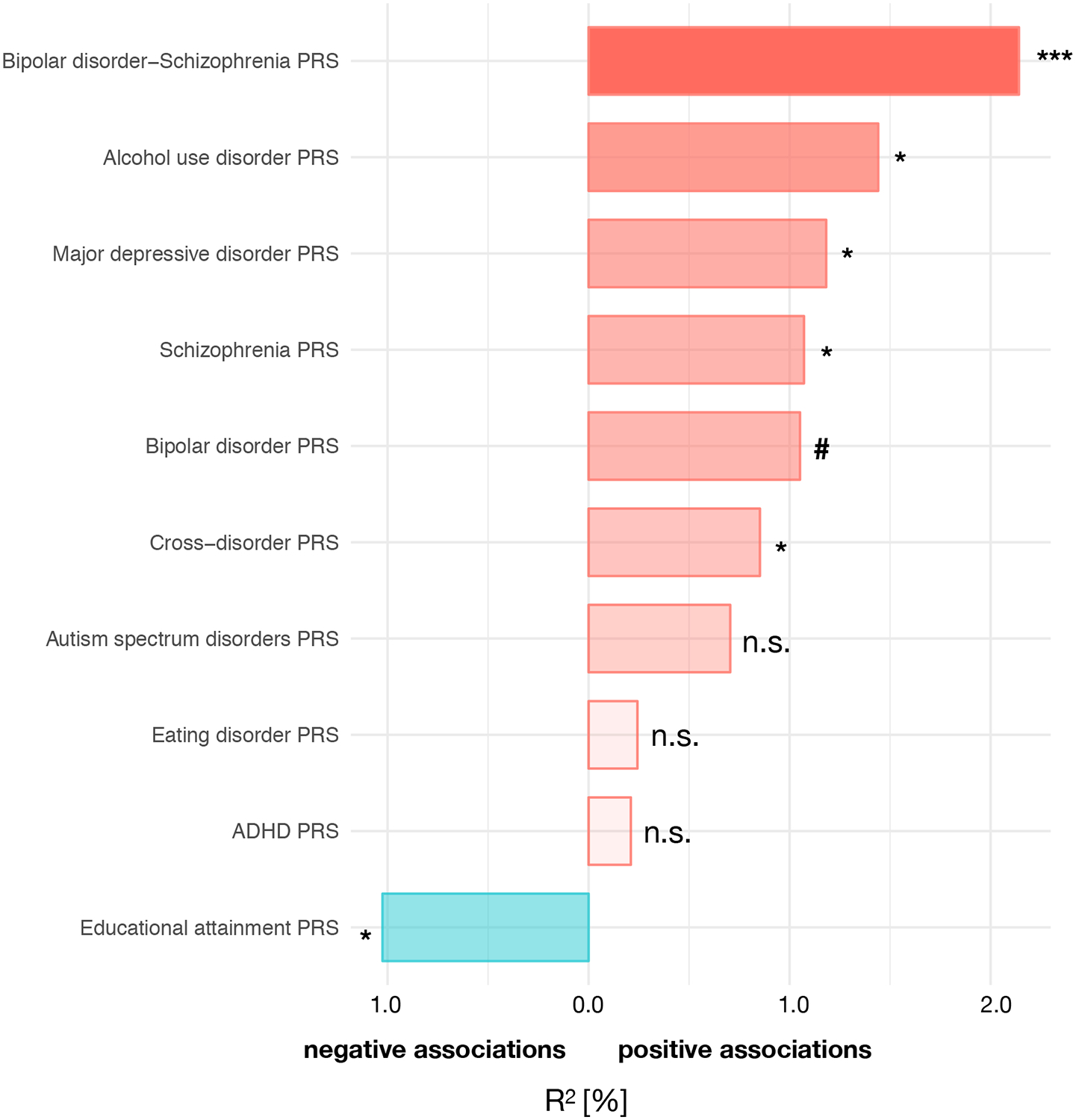
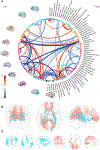
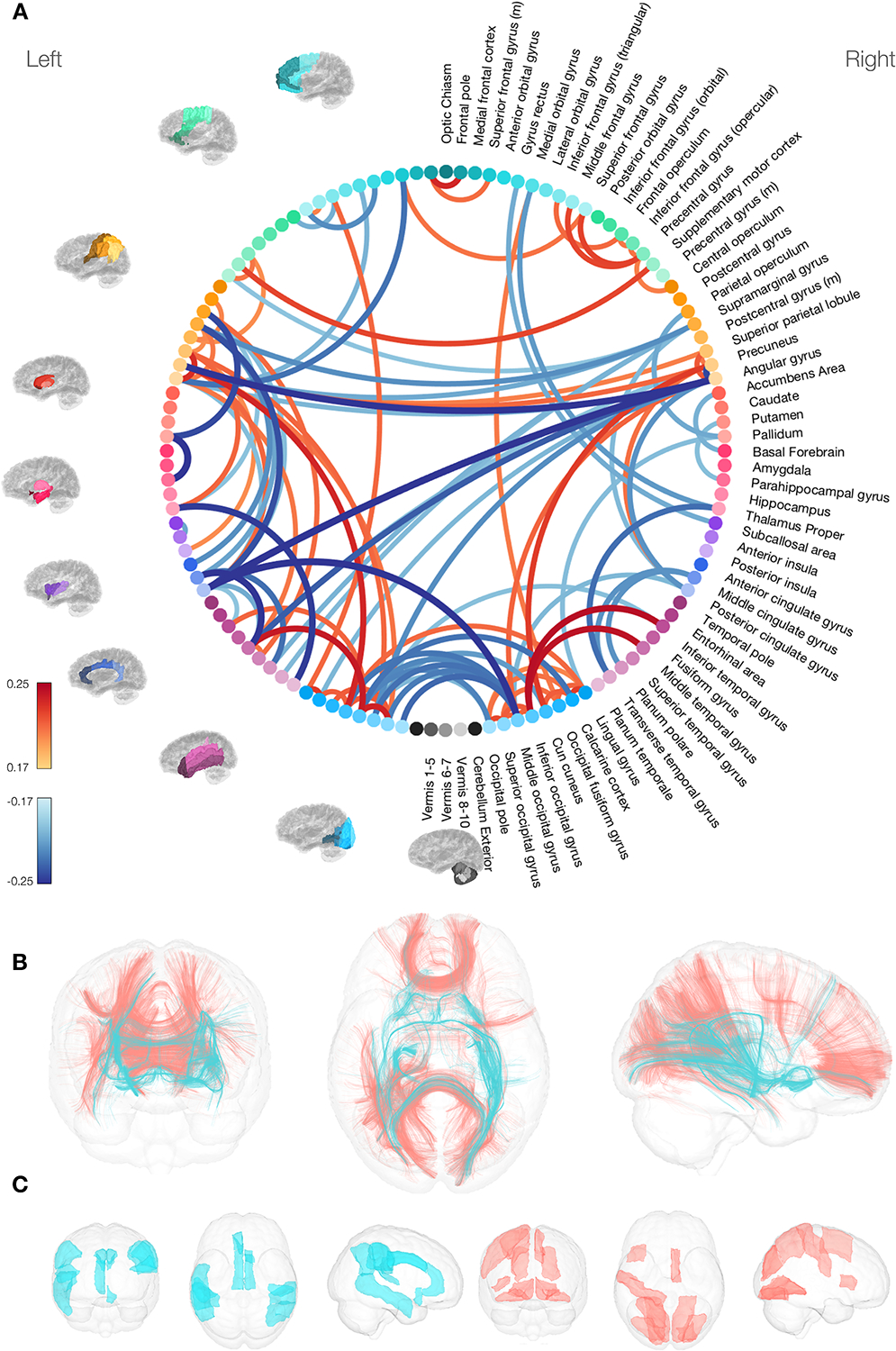
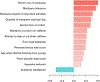
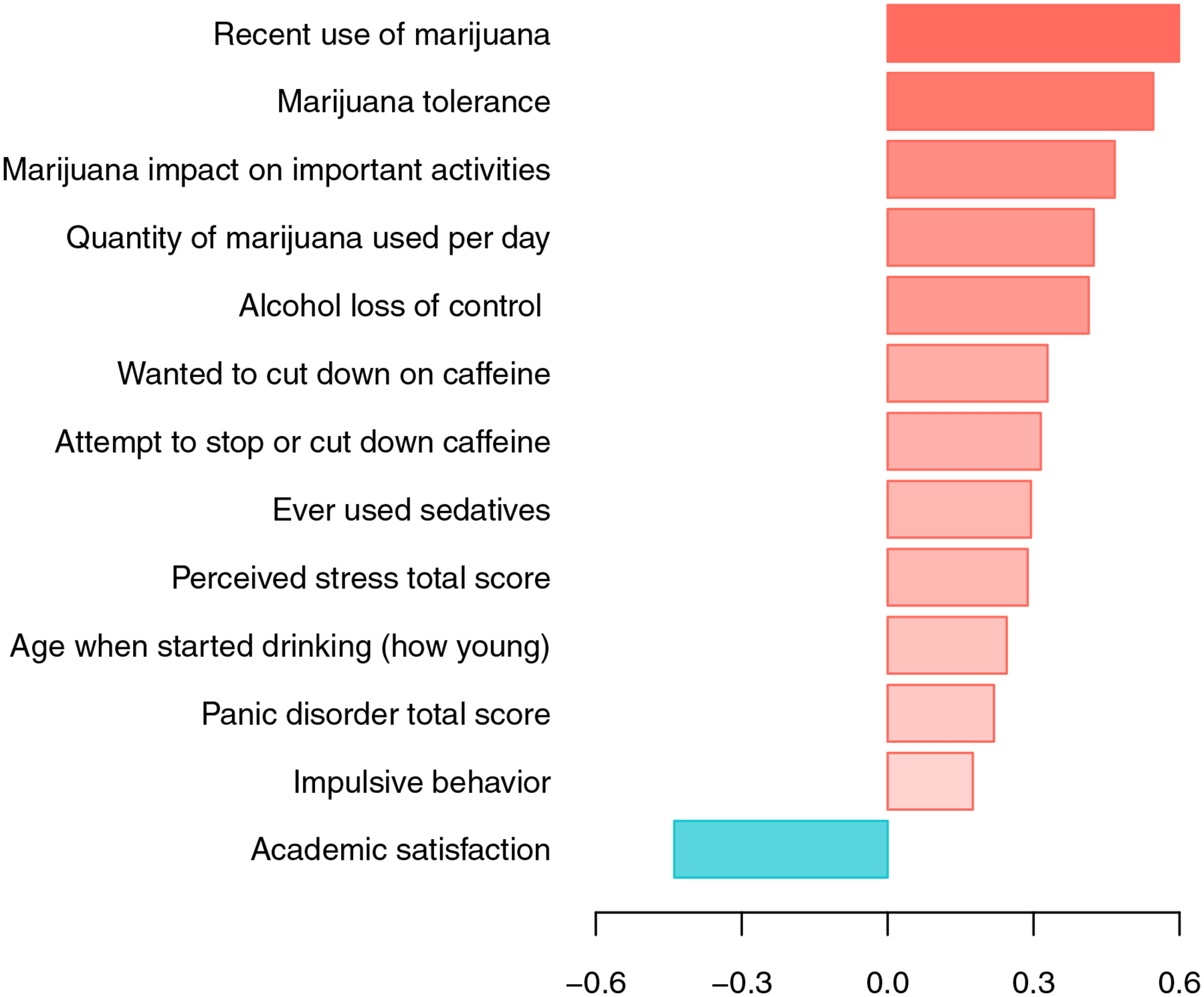
Description:Psychiatry is undergoing a paradigm shift from the acceptance of distinct diagnoses to a representation of psychiatric illness that crosses diagnostic boundaries. How this transition is supported by a shared neurobiology remains largely unknown. In this study, we first identify single nucleotide polymorphisms (SNPs) associated with psychiatric disorders based on 136 genome-wide association studies. We then conduct a joint analysis of these SNPs and brain structural connectomes in 678 healthy children in the PING study. We discovered a strong, robust, and transdiagnostic mode of genome-connectome covariation which is positively and specifically correlated with genetic risk for psychiatric illness at the level of individual SNPs. Similarly, this mode is also significantly positively correlated with polygenic risk scores for schizophrenia, alcohol use disorder, major depressive disorder, a combined bipolar disorder-schizophrenia phenotype, and a broader cross-disorder phenotype, and significantly negatively correlated with a polygenic risk score for educational attainment. The resulting "vulnerability network" is shown to mediate the influence of genetic risks onto behaviors related to psychiatric vulnerability (e.g., marijuana, alcohol, and caffeine misuse, perceived stress, and impulsive behavior). Its anatomy overlaps with the default-mode network, with a network of cognitive control, and with the occipital cortex. These findings suggest that the brain vulnerability network represents an endophenotype funneling genetic risks for various psychiatric illnesses through a common neurobiological root. It may form part of the neural underpinning of the well-recognized but poorly explained overlap and comorbidity between psychiatric disorders.
-
Subjects:
-
Source:Mol Psychiatry.
-
DOI:
-
Pubmed ID:32372008
-
Pubmed Central ID:PMC7644622
-
Document Type:
-
Funding:IDDRC U54 HD090255/U.S. Department of Health & Human Services ; National Institutes of Health (NIH)/ ; S10 OD025111/OD/NIH HHS/United States ; Foundation Fellowship/Royal College of Psychiatrists (RCPsych)/ ; WT_/Wellcome Trust/United Kingdom ; NARSAD Distinguished Investigator award/Brain and Behavior Research Foundation (Brain & Behavior Research Foundation)/ ; R44 MH086984/MH/NIMH NIH HHS/United States ; R01 EB019483/EB/NIBIB NIH HHS/United States ; U54 HD090255/HD/NICHD NIH HHS/United States ; R01 NS079788/NS/NINDS NIH HHS/United States ; Fellowship/Foulkes Foundation/ ; S10 OD025111/CD/ODCDC CDC HHS/United States
-
Genre:
-
Download URL:
-
File Type:
 [PDF - 874.35 KB]
 -
Collection(s):
-
Main Document Checksum:urn:sha-512:0c9a25a5197487f28d4d7d271366db4ec98c6fc39af306a659f3cf5a2d5037c5b66e85981613495af433bf0d46e4d7d39f4d1f52b192ac7127366e941a0580c9
Supporting Files


File Language:
English
 Was this page helpful?
 Found an issue?

CDC STACKS serves as an archival repository of CDC-published products including
scientific findings, journal articles, guidelines, recommendations, or other public health information authored or
co-authored by CDC or funded partners.
As a repository, CDC STACKS retains documents in their original published format to ensure public access to scientific information.
As a repository, CDC STACKS retains documents in their original published format to ensure public access to scientific information.
You May Also Like
COLLECTION
CDC Public Access