



Potential antitumor activity of digitoxin and user-designed analog administered to human lung cancer cells
Supporting Files

-
11 2020
-
Available in CDC Stacks on 2021-11-01T00:00:00Z
File Language:
English
Details
-
Alternative Title:Biochim Biophys Acta Gen Subj
-
Personal Author:
-
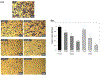
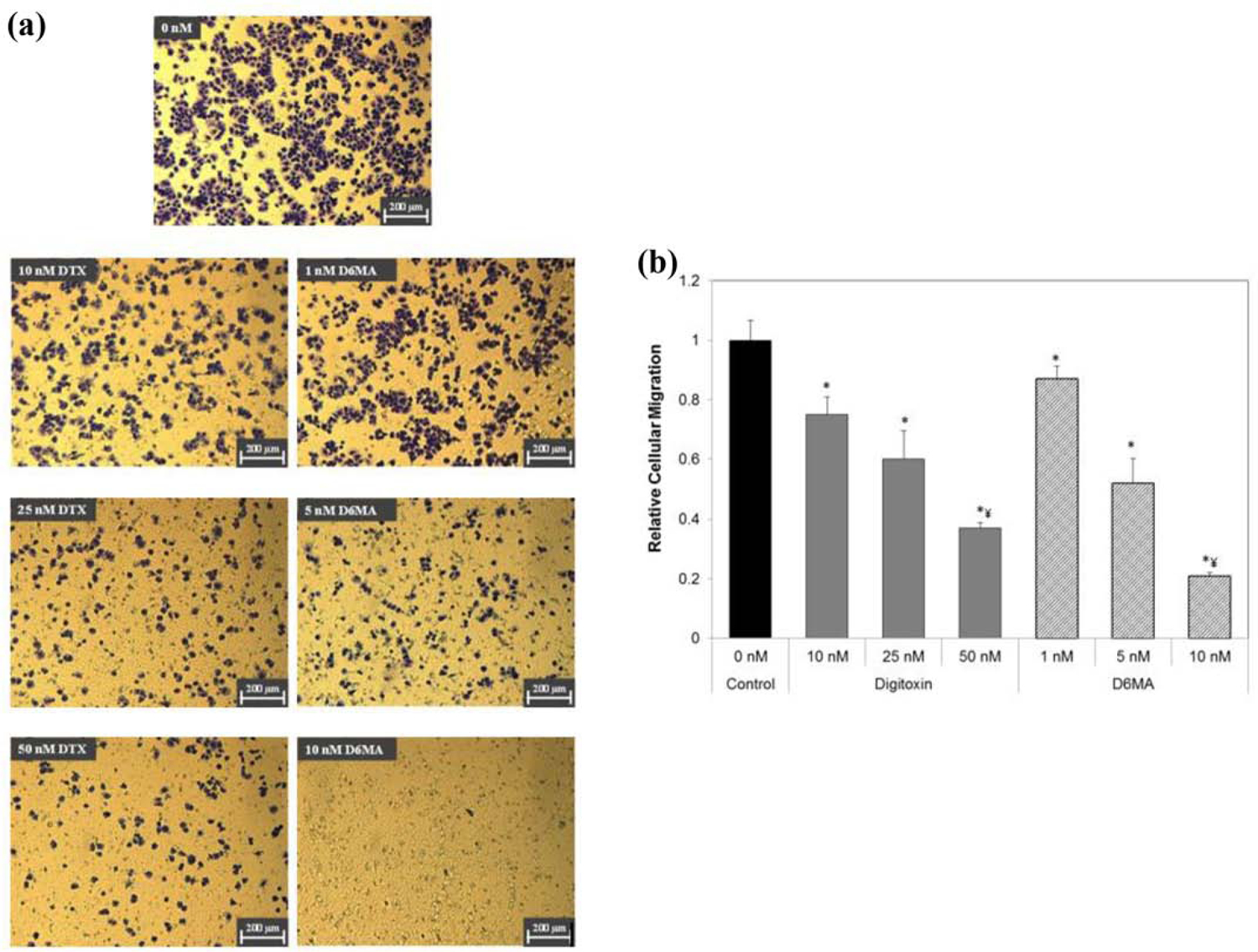
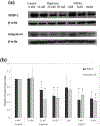
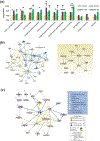
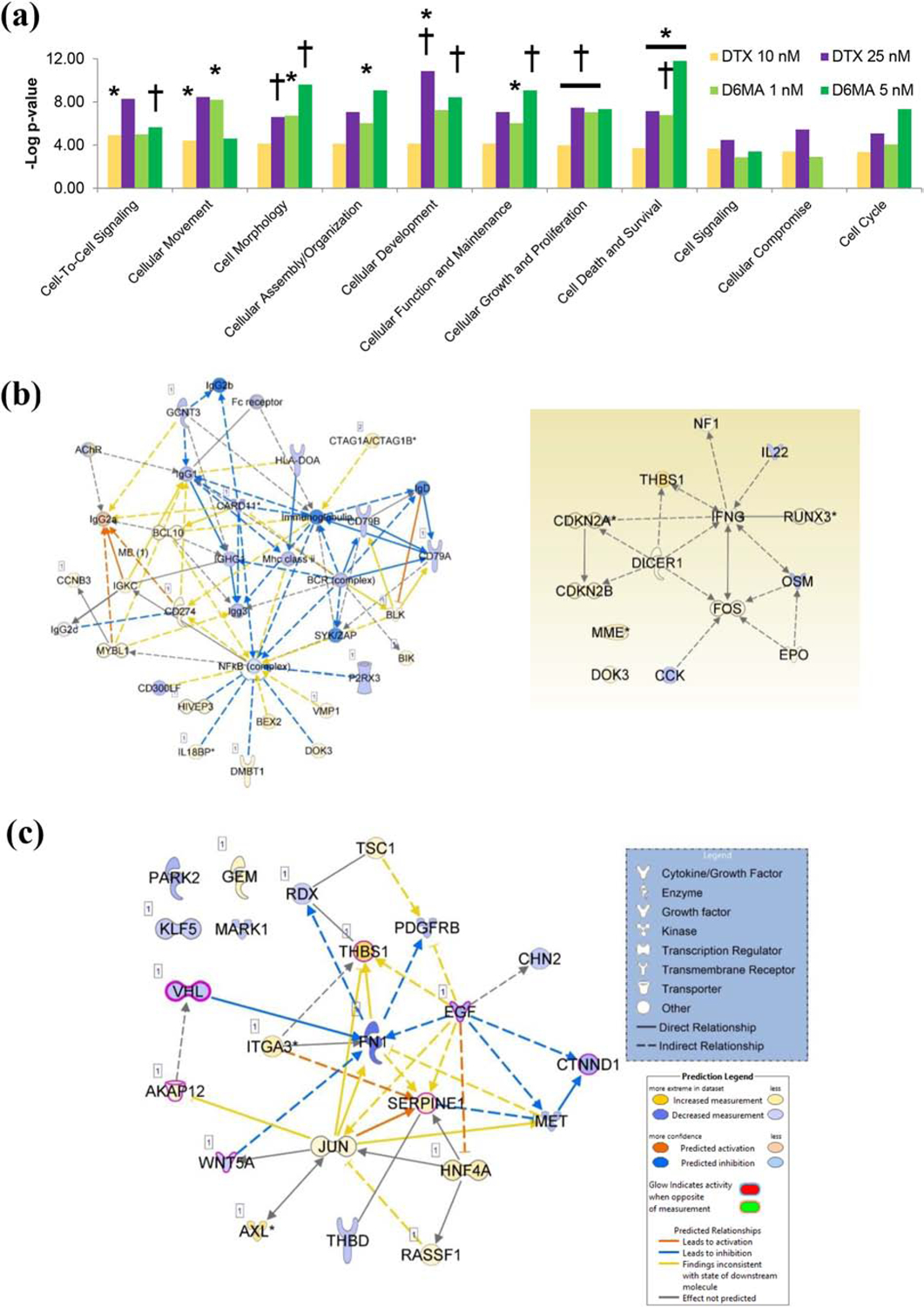
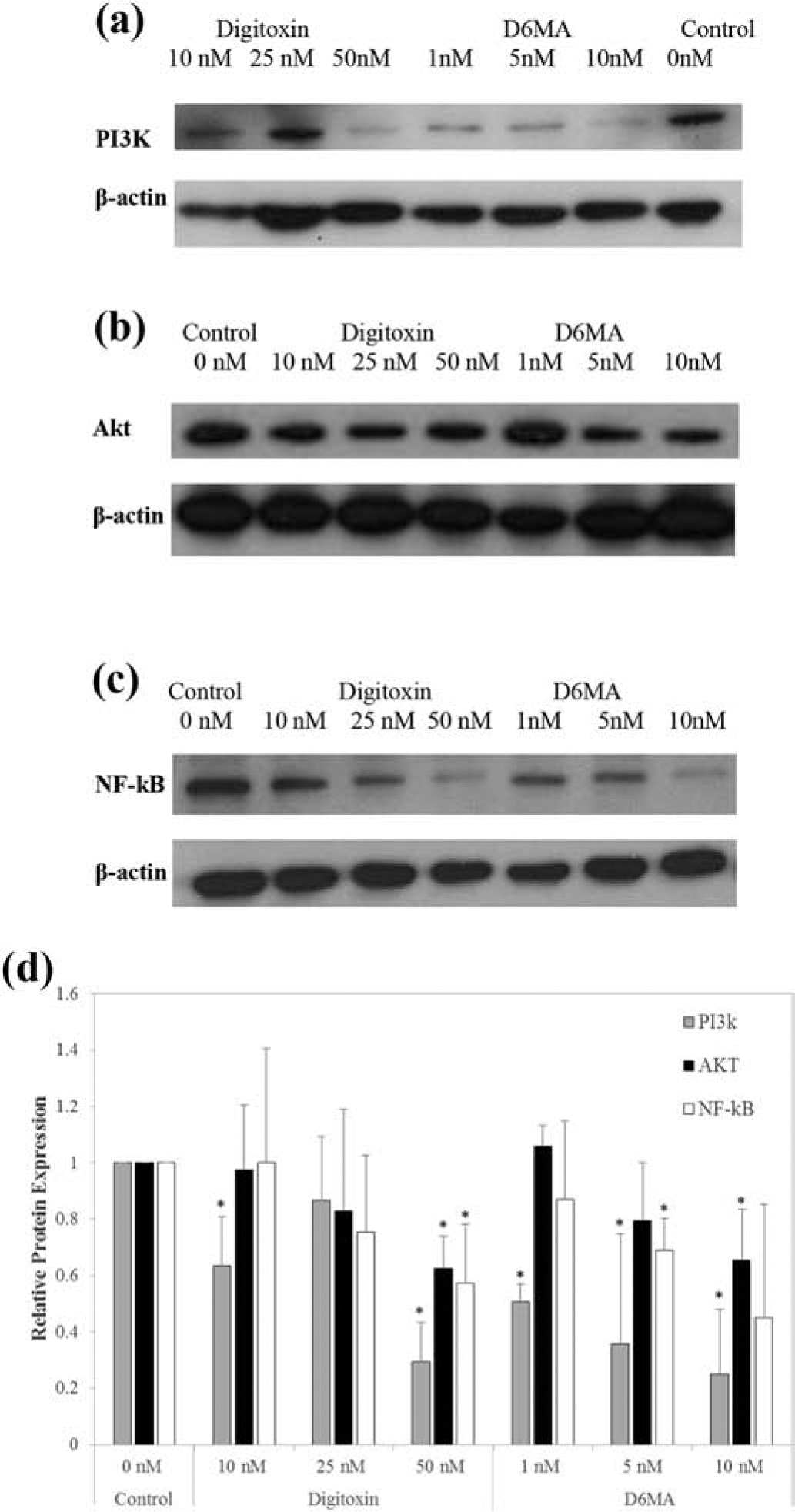
Description:Background: ; Cardiac glycosides (CGs), such as digitoxin, are traditionally used for treatment of congestive heart failure; recently they also gained attention for their anticancer properties. Previous studies showed that digitoxin and a synthetic L-sugar monosaccharide analog treatment decreases cancer cell proliferation, increases apoptosis, and pro-adhesion abilities; however, no reports are available on their potential to alter lung cancer cell cytoskeleton structure and reduce migratory ability. Herein, we investigated the anticancer effects of digitoxin and its analog, digitoxigenin-α-L-rhamnoside (D6MA), to establish whether cytoskeleton reorganization and reduced motility are drug-induced cellular outcomes. ; Methods: ; We treated non-small cell lung carcinoma cells (NSCLCs) with sub-therapeutic, therapeutic, and toxic concentrations of digitoxin and D6MA respectively, followed by both single point and real-time assays to evaluate changes in cellular gene and protein expression, adhesion, elasticity, and migration. ; Results: ; Digitoxin and D6MA induced a decrease in matrix metalloproteinases expression via altered focal adhesion signaling and a suppression of the phosphoinositide 3-kinases / protein kinase B pathway which lead to enhanced adhesion, altered elasticity, and reduced motility of NSCLCs. Global gene expression analysis identified dose-dependent changes to nuclear factor kappa-light-chain-enhancer, epithelial tumor, and microtubule dynamics signaling. ; Conclusions: ; Our study demonstrates that digitoxin and D6MA can target antitumor signaling pathways to alter NSCLC cytoskeleton and migratory ability to thus potentially reduce their tumorigenicity. ; General Significance: ; Discovering signaling pathways that control cancer’s cell phenotype and how such pathways are affected by CG treatment will potentially allow for active usage of synthetic CG analogs as therapeutic agents in advanced lung conditions.
-
Subjects:
-
Keywords:
-
Source:Biochim Biophys Acta Gen Subj. 1864(11):129683
-
Pubmed ID:32679249
-
Pubmed Central ID:PMC7484221
-
Document Type:
-
Funding:
-
Volume:1864
-
Issue:11
-
Download URL:
-
File Type:
 [PDF - 1.40 MB]
 -
Collection(s):
-
Main Document Checksum:urn:sha-512:2c69cbdb4552524eef9813e37a9d9a0cd3ce9239ed44355e96f154f266de7ba5dee1fef750d58c9557951fc0b594d8a2e9fd93974d160f4155d5fe7b26012a3d
Supporting Files


File Language:
English
 Was this page helpful?
 Found an issue?





CDC STACKS serves as an archival repository of CDC-published products including
scientific findings, journal articles, guidelines, recommendations, or other public health information authored or
co-authored by CDC or funded partners.
As a repository, CDC STACKS retains documents in their original published format to ensure public access to scientific information.
As a repository, CDC STACKS retains documents in their original published format to ensure public access to scientific information.
You May Also Like
COLLECTION
CDC Public Access