



HIV Testing Trends at Visits to Physician Offices, Community Health Centers, and Emergency Departments — United States, 2009–2017
Supporting Files
Public Domain

-
June 26 2020
File Language:
English
Details
-
Journal Article:Morbidity and Mortality Weekly Report (MMWR)
-
Personal Author:
-
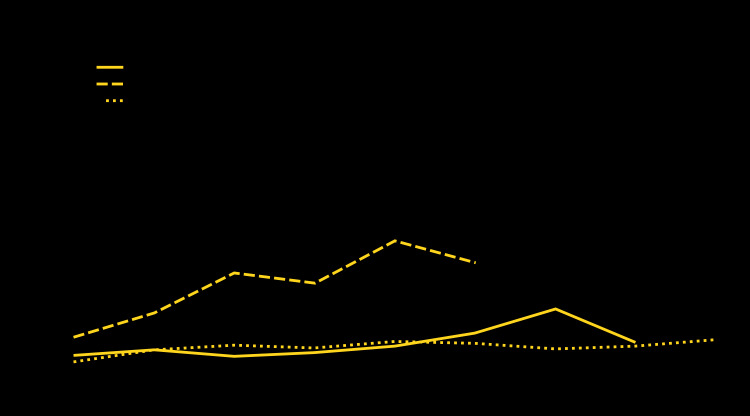
Description:In 2019, the U.S. Department of Health and Human Services launched the Ending the HIV Epidemic: A Plan for America (EHE) initiative to end the U.S. human immunodeficiency Virus (HIV) epidemic by 2030. A critical component of the EHE initiative involves early Diagnosis of HIV infection, along with Prevention of new Transmissions, treatment of infections, and response to HIV outbreaks (1). HIV tTesting is the first step in identifying persons with HIV infection who need to be engaged in treatment and care as well as persons with a negative HIV test result and who are at high risk for infection and can benefit from HIV preexposure prophylaxis (PrEP) and other Prevention services. These opportunities are often missed for persons receiving clinical services in ambulatory care settings (2). Data from the 2009-2016 National Ambulatory Medical Care Survey (NAMCS) and 2009-2017 National Hospital Ambulatory Medical Care Survey (NHAMCS) were analyzed to estimate Trends in HIV tTesting at visits by males and nonpregnant females to physician offices, community health centers (CHCs), and emergency departments (EDs) in the United States HIV tests were performed at 0.63% of 516 million visits to physician offices, 2.65% of 37 million visits to CHCs, and 0.55% of 87 million visits to EDs. The percentage of visits with an HIV test did not increase at visits to physician offices during 2009-2016, increased at visits to CHC physicians during 2009-2014, and increased slightly at visits to EDs during 2009-2017. All adolescents and adults should have at least one HIV test in their lifetime (3). Strategies that reduce clinical barriers to HIV tTesting (e.g., clinical decision supports that use information in electronic health records EHRs to order an HIV test for persons who require one or standing orders for routine opt-out tTesting) are needed to increase HIV tTesting at ambulatory care visits.
-
Subjects:
-
Source:MMWR Morbidity Mortal Weekly Rep. 69(25):776-780
-
Series:
-
ISSN:0149-2195 (print) ; 1545-861X (digital)
-
Pubmed ID:32584800
-
Pubmed Central ID:PMC7316314
-
Document Type:
-
Place as Subject:
-
Pages in Document:5 pdf pages
-
Volume:69
-
Issue:25
-
Download URL:
-
File Type:
 [PDF - 225.08 KB]
 -
Collection(s):
-
Main Document Checksum:urn:sha-512:816497beea6fd8284e9da6631b2851e72c8d7d3ea636215361779f1df197d884f7197d0cf1064a62298090384354807bdbf055e21558b386d18d10a3df660bd4
Supporting Files


File Language:
English
 Was this page helpful?
 Found an issue?



CDC STACKS serves as an archival repository of CDC-published products including
scientific findings, journal articles, guidelines, recommendations, or other public health information authored or
co-authored by CDC or funded partners.
As a repository, CDC STACKS retains documents in their original published format to ensure public access to scientific information.
As a repository, CDC STACKS retains documents in their original published format to ensure public access to scientific information.
You May Also Like
COLLECTION
Morbidity and Mortality Weekly Report (MMWR)