


Identification of novel respiratory syncytial virus CD4+ and CD8+ T cell epitopes in C57BL/6 mice
Supporting Files

-
January 14 2019
File Language:
English
Details
-
Alternative Title:Immunohorizons
-
Personal Author:
-
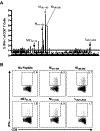
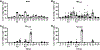
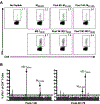
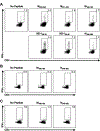
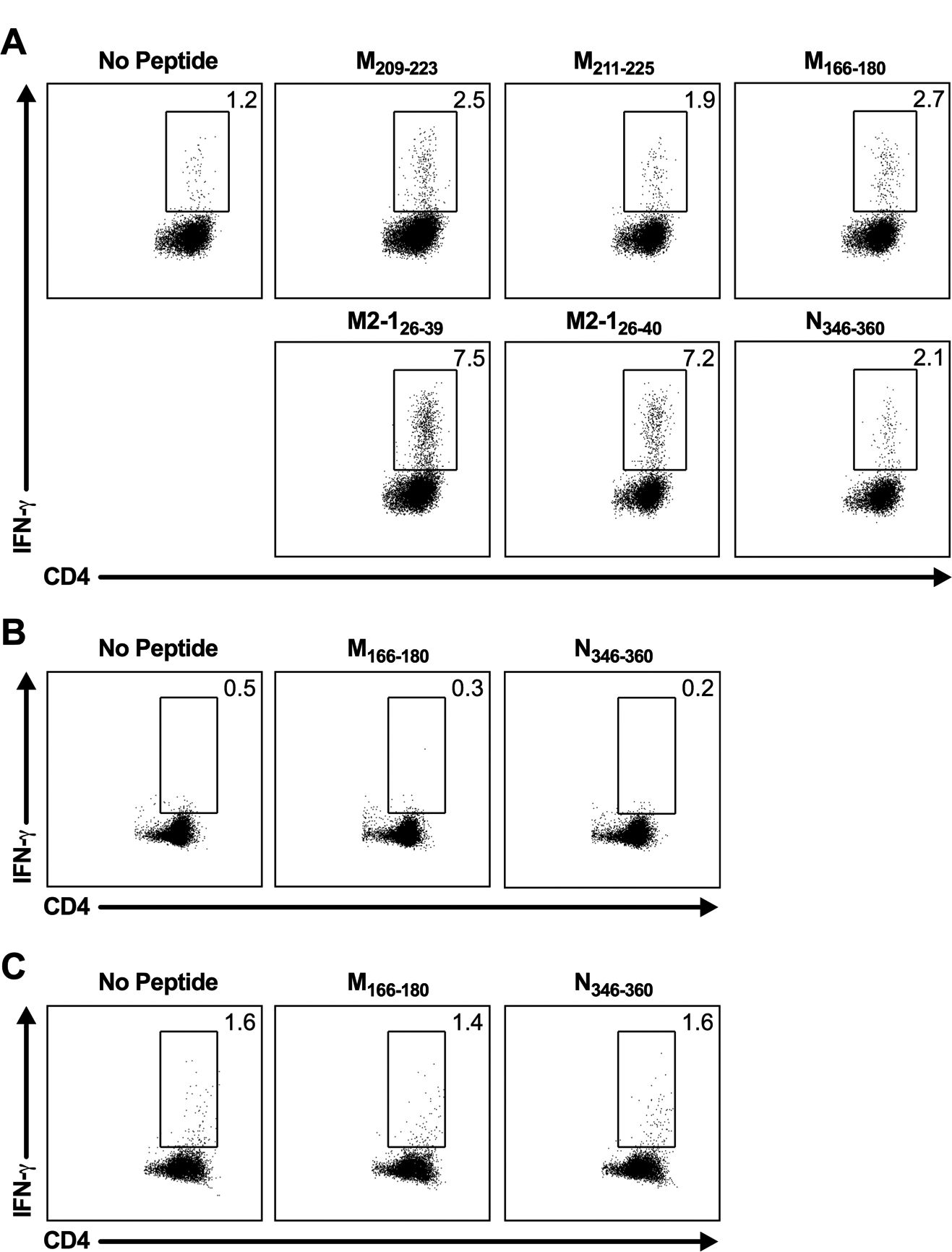
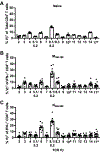
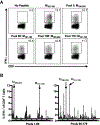
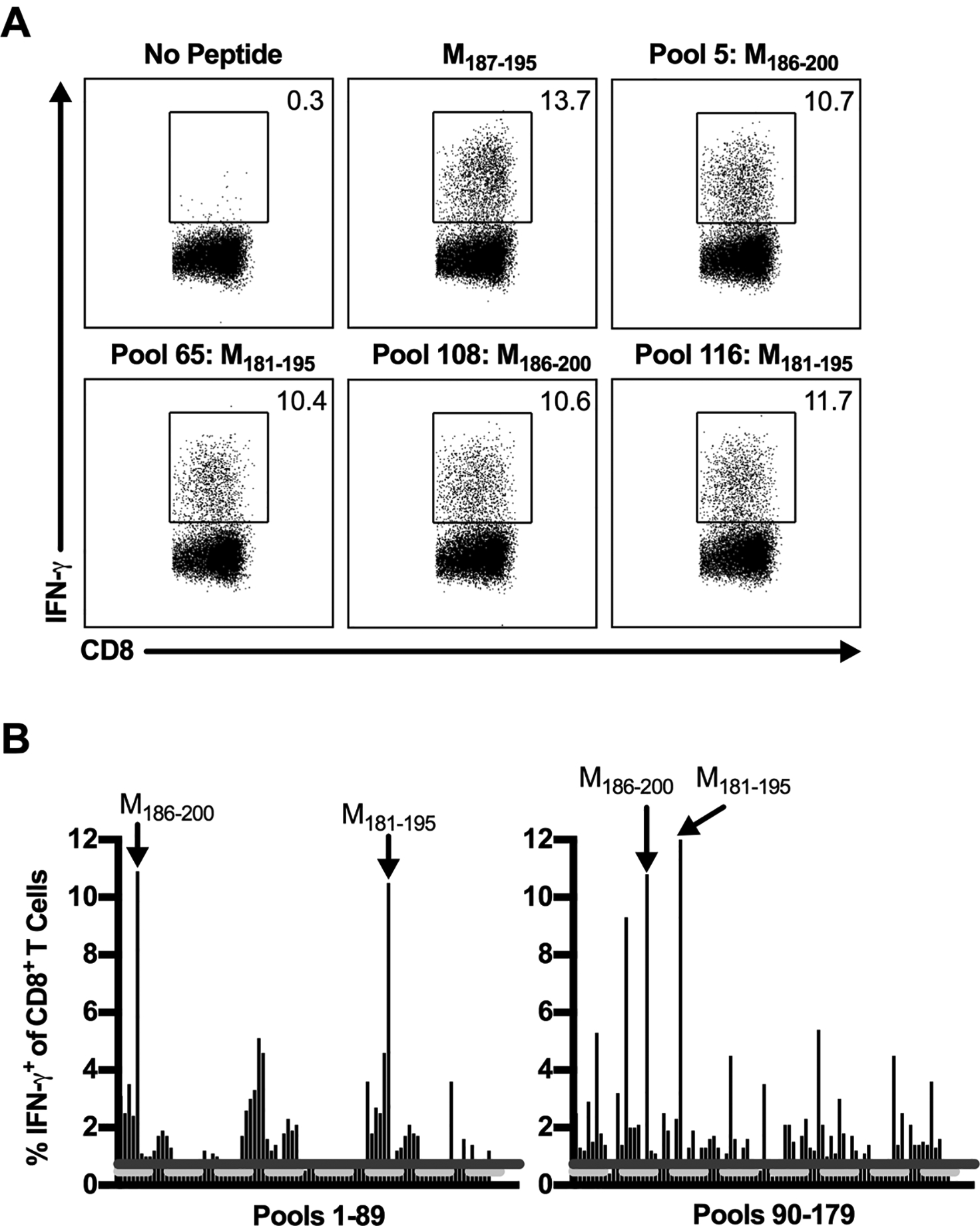
Description:Respiratory syncytial virus (RSV) is the most common cause of lower respiratory tract infection and hospitalization in infants. It is well established that both CD4| and CD8| T cells are critical for mediating viral clearance but also contribute to the induction of immunopathology following RSV infection. C57BL/6 mice are often used to study T cell responses following RSV infection given the wide variety of genetically modified animals available. To date, few RSV-derived CD4| and CD8| T cell epitopes have been identified in C57BL/6 mice. Using an overlapping peptide library spanning the entire RSV proteome, intracellular cytokine staining for IFN-γ was performed to identify novel CD4| and CD8| T cell epitopes in C57BL/6 mice. We identified two novel CD4| T cell epitopes and three novel CD8| T cell epitopes located within multiple RSV proteins. Additionally, we characterized the newly described T cell epitopes by determining their TCR Vβ expression profiles and MHC restriction. Overall, the novel RSV-derived CD4| and CD8| T cell epitopes identified in C57BL/6 mice will aid in future studies of RSV-specific T cell responses.
-
Subjects:
-
Source:Immunohorizons. 3(1):1-12
-
Pubmed ID:31356172
-
Pubmed Central ID:PMC7316092
-
Document Type:
-
Funding:
-
Volume:3
-
Issue:1
-
Collection(s):
-
Main Document Checksum:urn:sha256:c8d65cdf212c610466c071ec58ea45a5fd5ff71772b865ada21b902d4601282a
-
Download URL:
-
File Type:
 [PDF
- 1.29 MB
]
[PDF
- 1.29 MB
]
Supporting Files


File Language:
English
ON THIS PAGE







CDC STACKS serves as an archival repository of CDC-published products including
scientific findings,
journal articles, guidelines, recommendations, or other public health information authored or
co-authored by CDC or funded partners.
As a repository, CDC STACKS retains documents in their original published format to ensure public access to scientific information.
As a repository, CDC STACKS retains documents in their original published format to ensure public access to scientific information.
You May Also Like
COLLECTION
CDC Public Access