



Global prevalence and disease burden of vitamin D deficiency: a roadmap for action in low- and middle-income countries
Supporting Files

-
2018/10/01
-
Available in CDC Stacks on June 23, 2020, 12:00 AM
File Language:
English
Details
-
Journal Article:Ann N Y Acad Sci
-
Personal Author:Roth, Daniel E. ; Abrams, Steven A. ; Aloia, John ; Bergeron, Gilles ; Bourassa, Megan W. ; Brown, Kenneth H. ; Calvo, Mona S. ; Cashman, Kevin D. ; Combs, Gerald ; De-Regil, Luz María ; Jefferds, Maria Elena ; Jones, Kerry S. ; Kapner, Hallie ; Martineau, Adrian R. ; Neufeld, Lynnette M. ; Schleicher, Rosemary L. ; Thacher, Tom D. ; Whiting, Susan J.
-
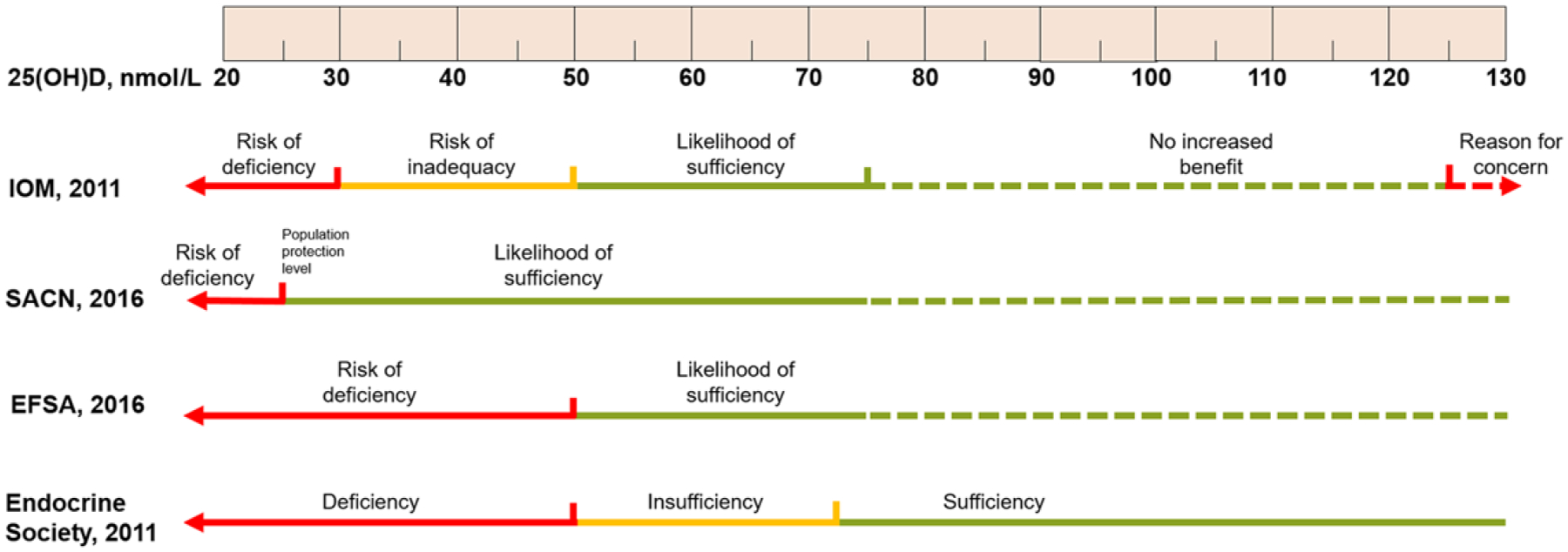
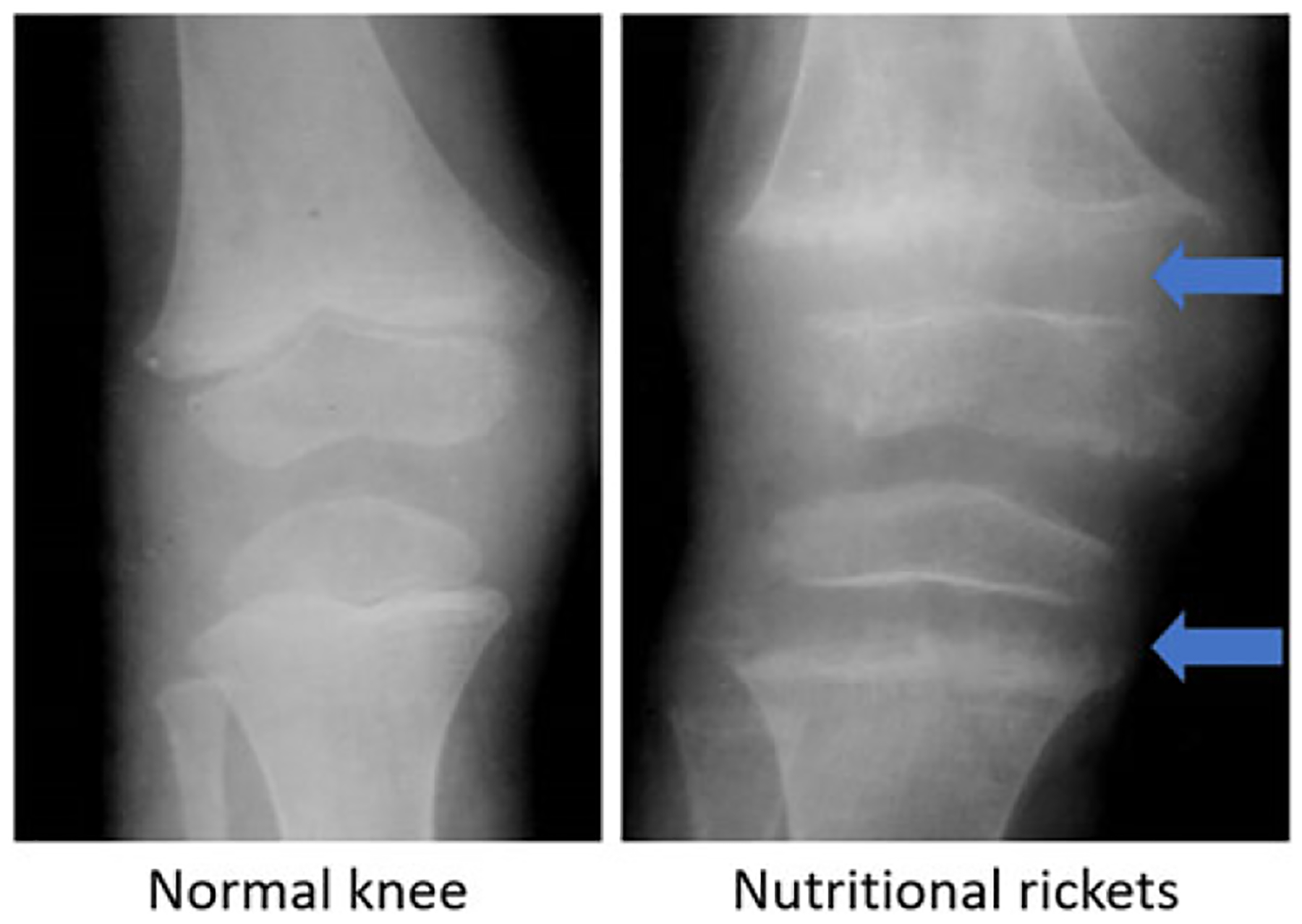
Description:Vitamin D is an essential nutrient for bone health and may influence the risks of respiratory illness, adverse pregnancy outcomes, and chronic diseases of adulthood. Because many countries have a relatively low supply of foods rich in vitamin D and inadequate exposure to natural ultraviolet B (UVB) radiation from sunlight, an important proportion of the global population is at risk of vitamin D deficiency. There is general agreement that the minimum serum/plasma 25-hydroxyvitamin D concentration (25(OH)D) that protects against vitamin D deficiency-related bone disease is approximately 30 nmol/L; therefore, this threshold is suitable to define vitamin D deficiency in population surveys. However, efforts to assess the vitamin D status of populations in low- and middle-income countries have been hampered by limited availability of population-representative 25(OH)D data, particularly among population subgroups most vulnerable to the skeletal and potential extraskeletal consequences of low vitamin D status, namely exclusively breastfed infants, children, adolescents, pregnant and lactating women, and the elderly. In the absence of 25(OH)D data, identification of communities that would benefit from public health interventions to improve vitamin D status may require proxy indicators of the population risk of vitamin D deficiency, such as the prevalence of rickets or metrics of usual UVB exposure. If a high prevalence of vitamin D deficiency is identified (>20% prevalence of 25(OH)D < 30 nmol/L) or the risk for vitamin D deficiency is determined to be high based on proxy indicators (e.g., prevalence of rickets >1%), food fortification and/or targeted vitamin D supplementation policies can be implemented to reduce the burden of vitamin D deficiency-related conditions in vulnerable populations.
-
Subjects:
-
Keywords:
-
Source:Ann N Y Acad Sci. 1430(1):44-79
-
DOI:
-
Pubmed ID:30225965
-
Pubmed Central ID:PMC7309365
-
Document Type:
-
Funding:MC_U105960371/MRC_/Medical Research CouncilUnited Kingdom/ ; HTA/13/03/25/DH_/Department of HealthUnited Kingdom/ ; MR/M026639/1/MRC_/Medical Research CouncilUnited Kingdom/ ; CC999999/ImCDC/Intramural CDC HHSUnited States/ ; MR/R023050/1/MRC_/Medical Research CouncilUnited Kingdom/ ; RP-PG-0407-10398/DH_/Department of HealthUnited Kingdom/
-
Genre:
-
Volume:1430
-
Issue:1
-
Download URL:
-
File Type:
 [PDF - 974.29 KB]
 -
Collection(s):
-
Main Document Checksum:urn:sha-512:4a8d260629de12d677c75a290d1f184f6a81c8d34a39e44e48be950c6c691adc7f8235cfc72bef1e2ec588087ce3530246bf0ed45b1fad6082ef16b757a213cc
Supporting Files


File Language:
English
 Was this page helpful?
 Found an issue?






CDC STACKS serves as an archival repository of CDC-published products including
scientific findings, journal articles, guidelines, recommendations, or other public health information authored or
co-authored by CDC or funded partners.
As a repository, CDC STACKS retains documents in their original published format to ensure public access to scientific information.
As a repository, CDC STACKS retains documents in their original published format to ensure public access to scientific information.
You May Also Like
COLLECTION
CDC Public Access