



Hemagglutinin and Neuraminidase Antibodies Are Induced in an Age- and Subtype-Dependent Manner after Influenza Virus Infection
Supporting Files
Public Domain

-
March 17 2020
-
Available in CDC Stacks on March 17, 2020, 12:00 AM
File Language:
English
Details
-
Alternative Title:J Virol
-
Personal Author:
-
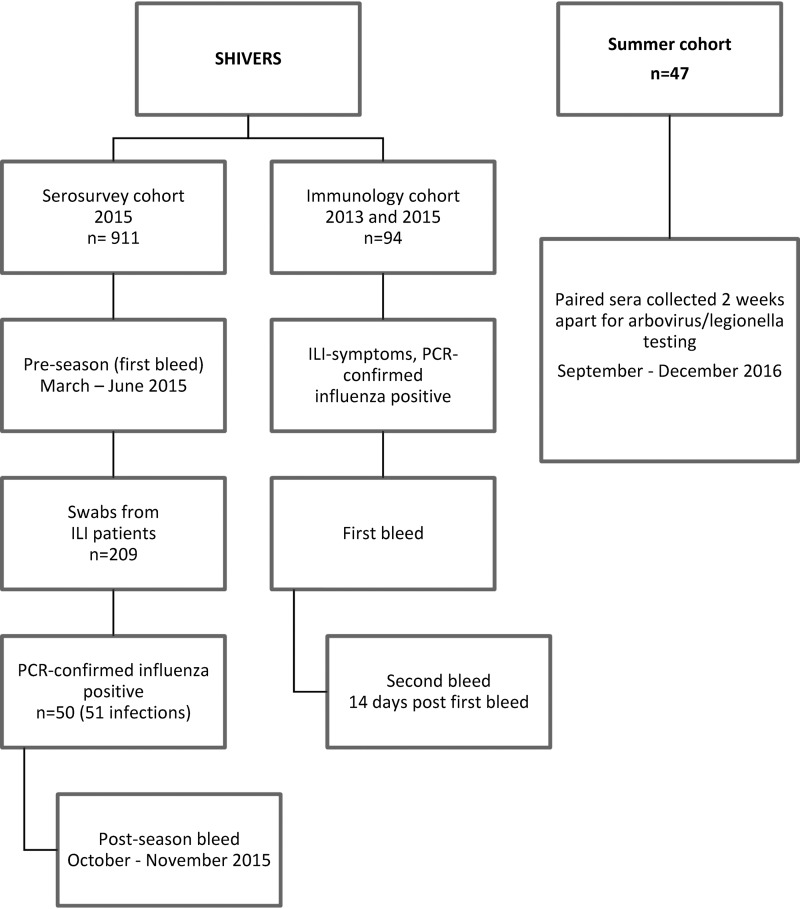
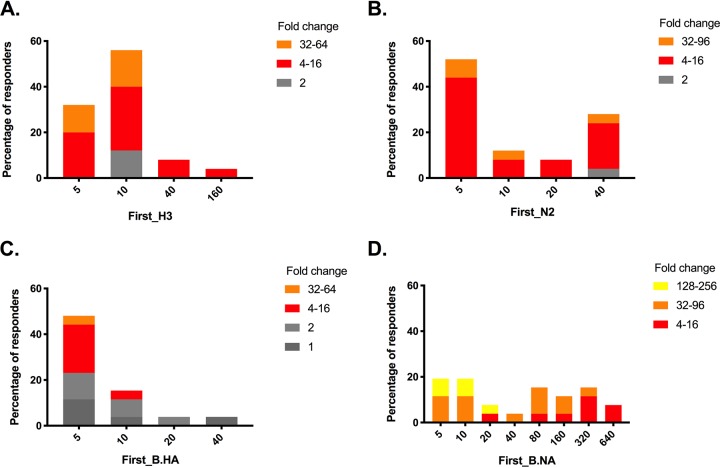
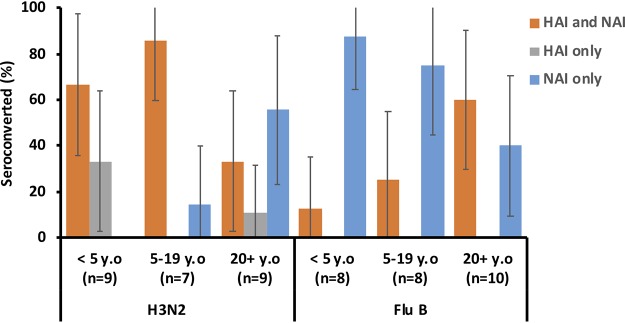
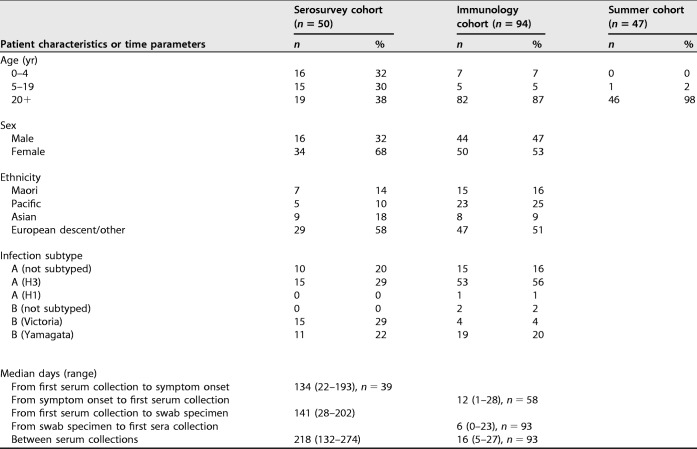
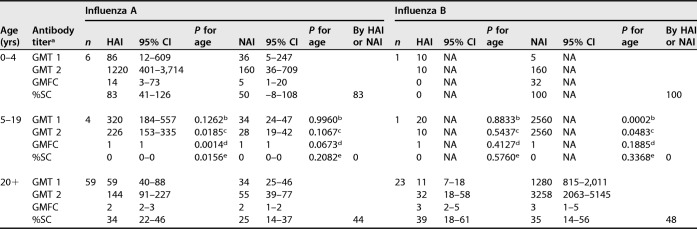
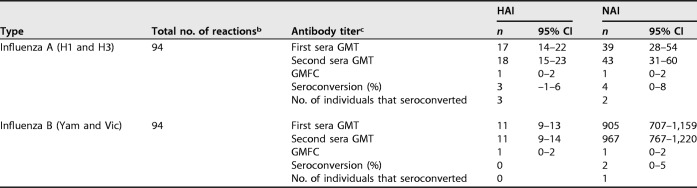
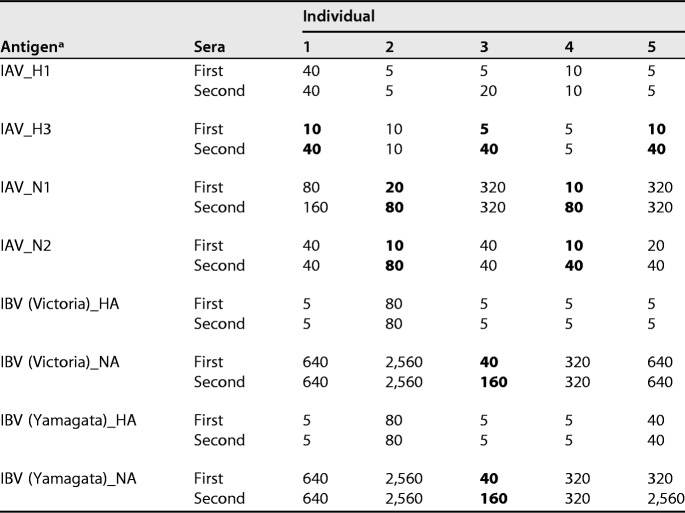
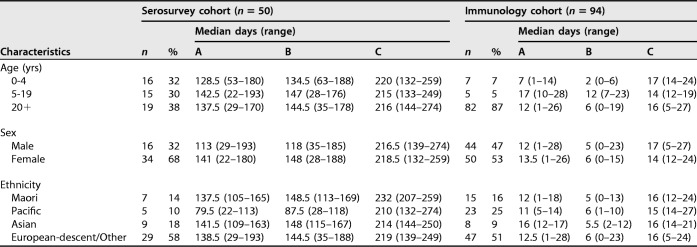
Description:Despite evidence that antibodies targeting the influenza virus neuraminidase (NA) protein can be protective and are broadly cross-reactive, the immune response to NA during infection is poorly understood compared to the response to hemagglutinin (HA) protein. As such, we compared the antibody profile to HA and NA in two naturally infected human cohorts in Auckland, New Zealand: (i) a serosurvey cohort, consisting of pre- and post-influenza season sera from PCR-confirmed influenza cases (| = 50), and (ii) an immunology cohort, consisting of paired sera collected after PCR-confirmation of infection (| = 94). The induction of both HA and NA antibodies in these cohorts was influenced by age and subtype. Seroconversion to HA was more frequent in those <20 years old (yo) for influenza A (serosurvey, | = 0.01; immunology, | = 0.02) but not influenza B virus infection. Seroconversion to NA was not influenced by age or virus type. Adults ≥20 yo infected with influenza A viruses were more likely to show NA-only seroconversion compared to children (56% versus 14% 5 to 19 yo and 0% 0 to 4 yo, respectively). Conversely, children infected with influenza B viruses were more likely than adults to show NA-only seroconversion (88% 0 to 4 yo and 75% 5 to 19 yo versus 40% ≥20 yo). These data indicate a potential role for immunological memory in the dynamics of HA and NA antibody responses. A better mechanistic understanding of this phenomenon will be critical for any future vaccines aimed at eliciting NA immunity.| Data on the immunologic responses to neuraminidase (NA) is lacking compared to what is available on hemagglutinin (HA) responses, despite growing evidence that NA immunity can be protective and broadly cross-reactive. Understanding these NA responses during natural infection is key to exploiting these properties for improving influenza vaccines. Using two community-acquired influenza cohorts, we showed that the induction of both HA and NA antibodies after infection is influenced by age and subtypes. Such response dynamics suggest the influence of immunological memory, and understanding how this process is regulated will be critical to any vaccine effort targeting NA immunity.
-
Subjects:
- Adolescent
- Adult
- Age Factors
- Antibodies, Viral
- Child
- Child, Preschool
- Female
- Hemagglutinin Glycoproteins, Influenza Virus
- Humans
- Immunologic Memory
- Infant
- Infant, Newborn
- Influenza A virus
- Influenza B virus
- Influenza, Human
- Male
- Neuraminidase
- Polymerase Chain Reaction
- Seroepidemiologic Studies
- Young Adult
-
Source:J Virol. 2020; 94(7)
-
Pubmed ID:31941786
-
Pubmed Central ID:PMC7081922
-
Document Type:
-
Place as Subject:
-
Volume:94
-
Issue:7
-
Download URL:
-
File Type:
 [PDF - 1.06 MB]
-
Collection(s):
-
Main Document Checksum:urn:sha256:8d166a372f659cbcd940ffcfe6aa7b4a4f01b7d51d8d3c36c7f4e6be7a4536ca
Supporting Files


File Language:
English
 Was this page helpful?
 Found an issue?















CDC STACKS serves as an archival repository of CDC-published products including
scientific findings, journal articles, guidelines, recommendations, or other public health information authored or
co-authored by CDC or funded partners.
As a repository, CDC STACKS retains documents in their original published format to ensure public access to scientific information.
As a repository, CDC STACKS retains documents in their original published format to ensure public access to scientific information.
You May Also Like
COLLECTION
CDC Public Access