



West Nile Virus Outbreak in Phoenix, Arizona—2010: Entomological Observations and Epidemiological Correlations
Supporting Files

-
6 2013
-
Available in CDC Stacks on June 03, 2020, 12:00 AM
File Language:
English
Details
-
Journal Article:J Am Mosq Control Assoc
-
Personal Author:
-
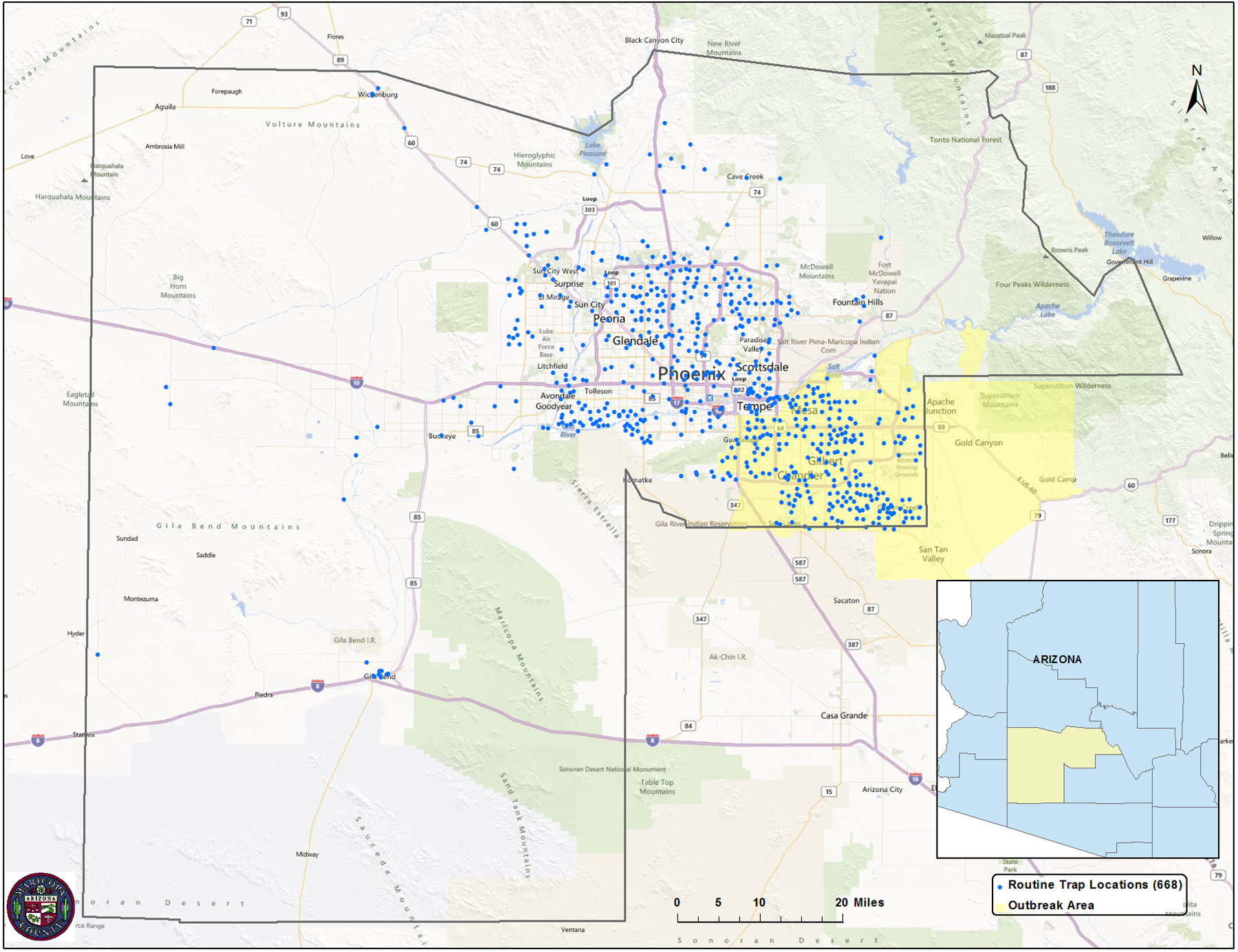
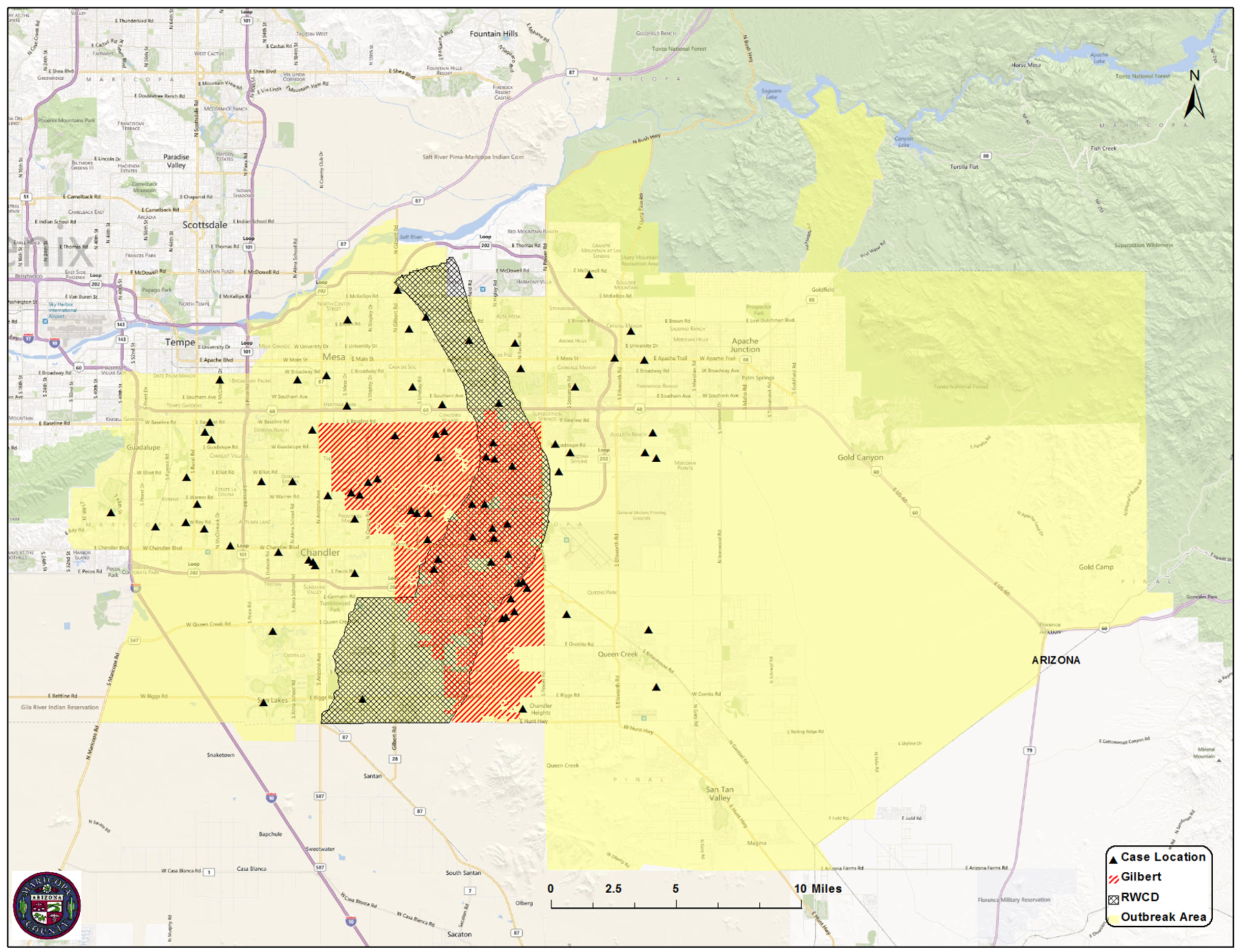
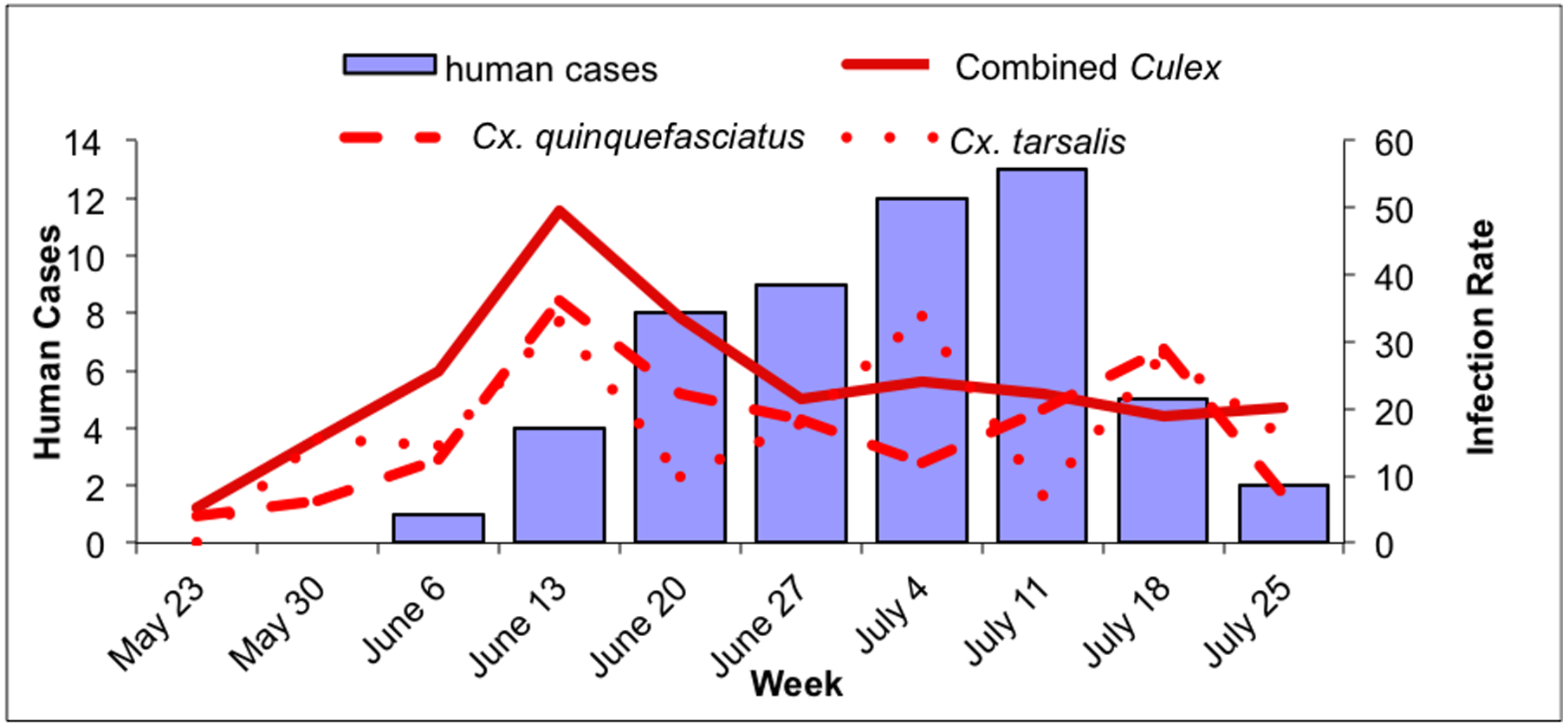
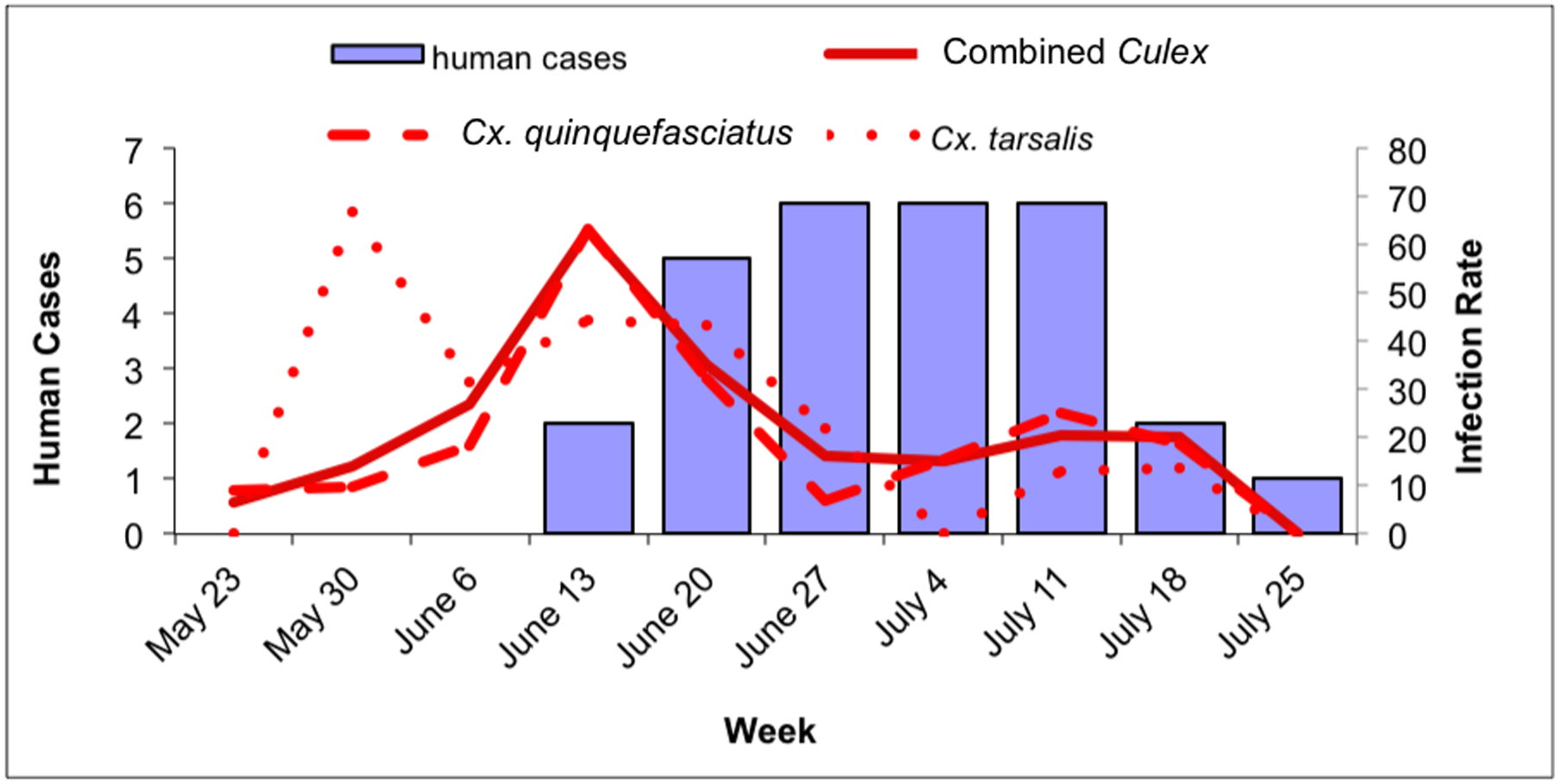
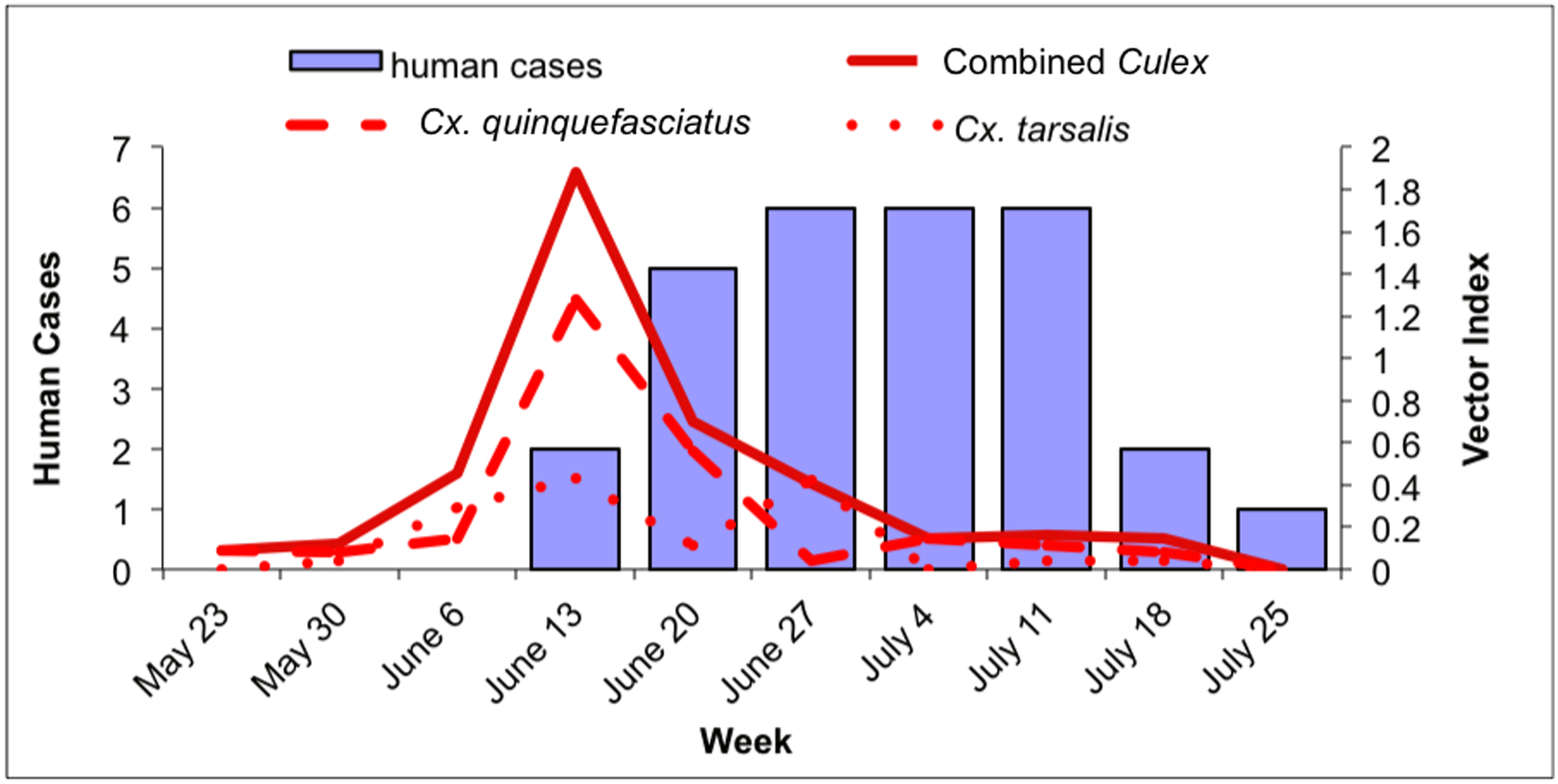
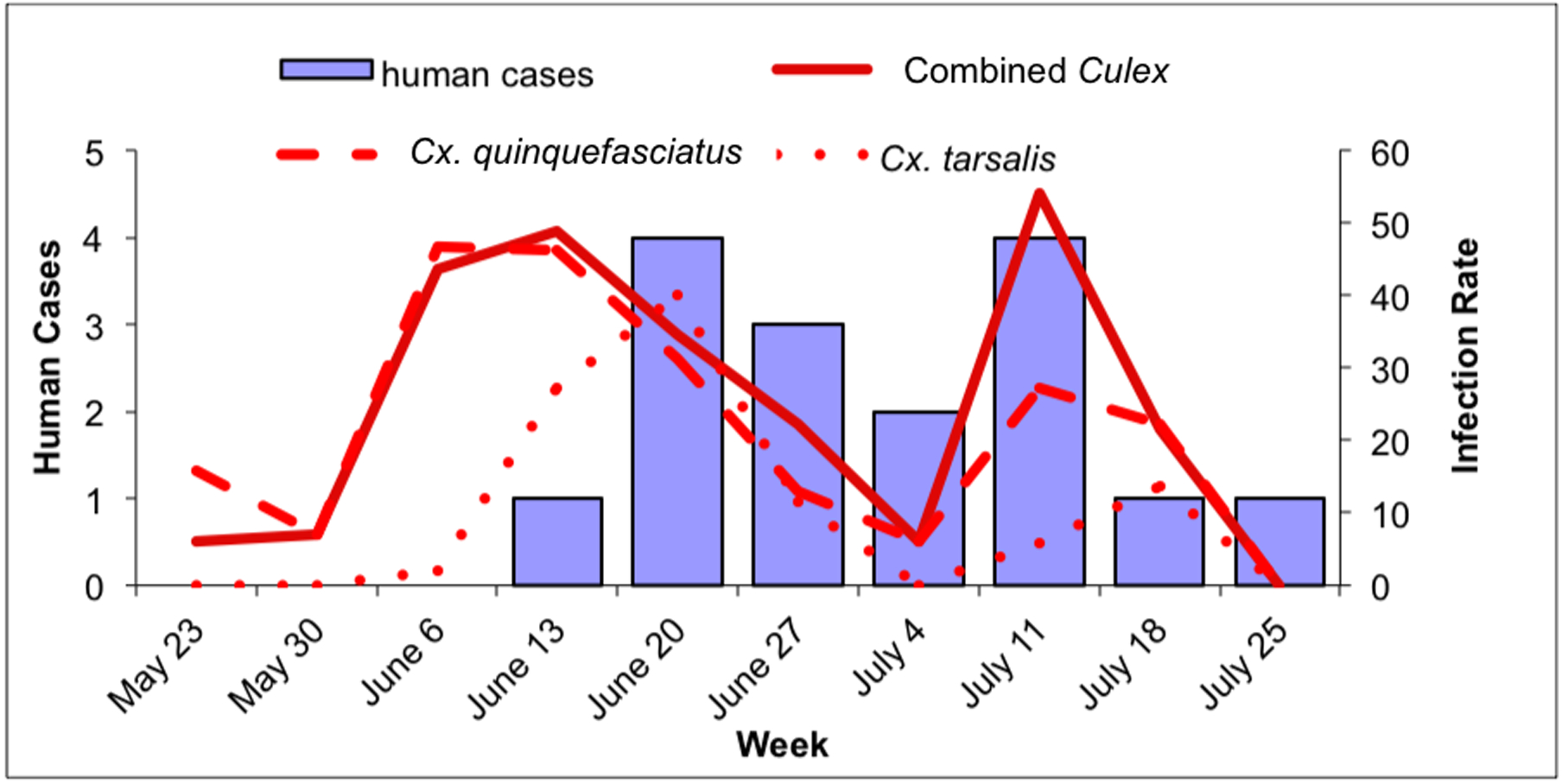
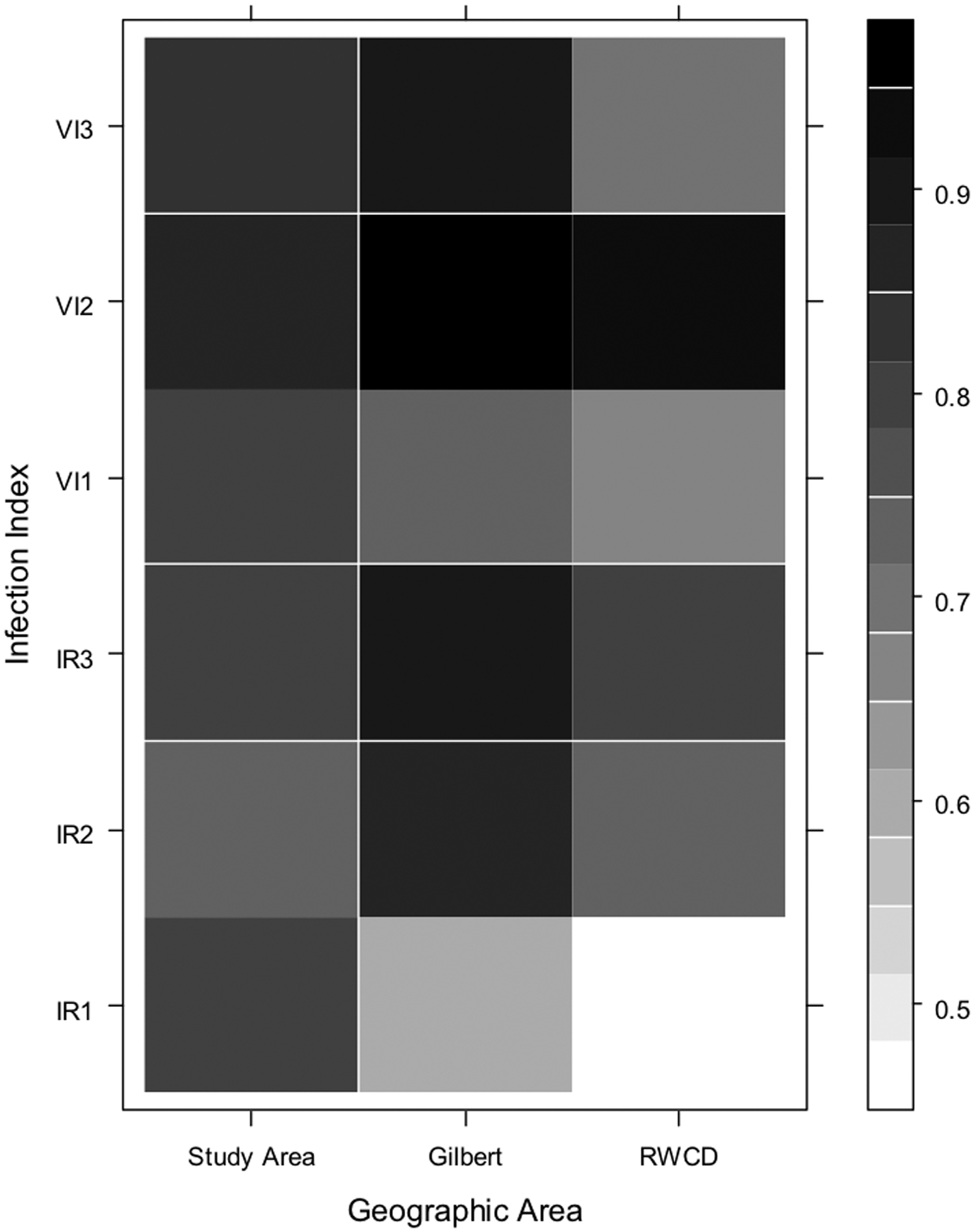
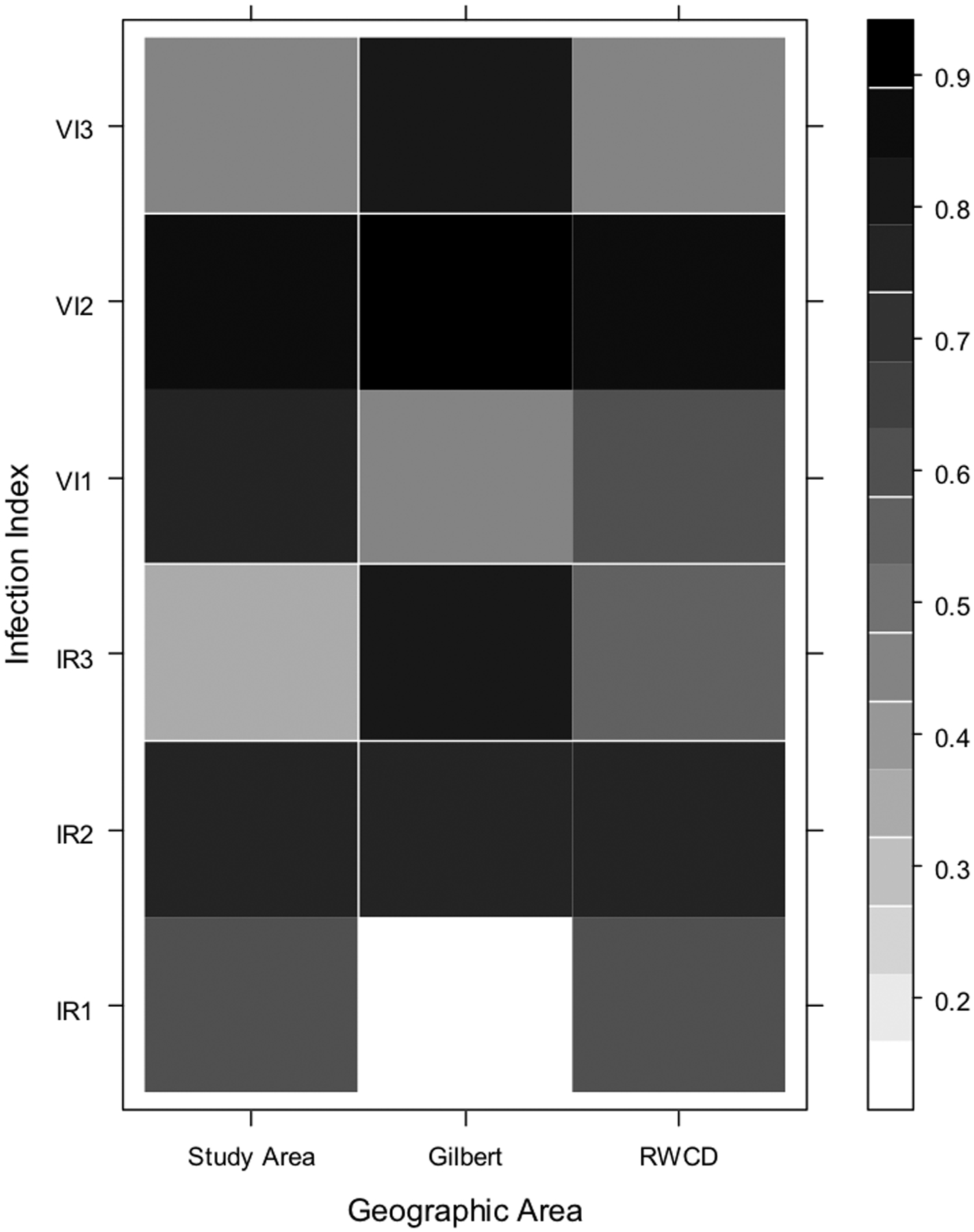
Description:In 2010, Arizona experienced an unusually early and severe outbreak of West Nile virus (WNV) centered in the southeast section of Maricopa County. Entomological data were collected before and during the outbreak, from May 25 through July 31, 2010, using the CO2-baited light trap monitoring system maintained by Maricopa County Vector Control. In the outbreak area, the most abundant species in the Town of Gilbert and in the area covered by the Roosevelt Water Conservation District was Culex quinquefasciatus, constituting 75.1% and 71.8% of the total number of mosquitoes collected, respectively. Vector index (VI) profiles showed that the abundance of infected Cx. quinquefasciatus peaked prior to human cases, suggesting that this species was involved in the initiation of the outbreak. In contrast, the VI profiles for Cx. tarsalis were consistently low, suggesting limited involvement in initiating and sustaining transmission. Taken together, the higher abundance and the VI profiles strongly suggest that Cx. quinquefasciatus was the primary vector for this outbreak. The VI profiles consistently showed that the abundance of infected mosquitoes peaked 1 to 2 wk before the peaks of human cases, suggesting that VI could have successfully been utilized to predict the WNV outbreak in Maricopa County, AZ, in 2010.
-
Subjects:
-
Keywords:
-
Source:J Am Mosq Control Assoc. 29(2):123-132
-
DOI:
-
Pubmed ID:23923326
-
Pubmed Central ID:PMC7269164
-
Document Type:
-
Funding:
-
Genre:
-
Volume:29
-
Issue:2
-
Download URL:
-
File Type:
 [PDF - 2.09 MB]
 -
Collection(s):
-
Main Document Checksum:urn:sha-512:2b01936c312ade7f6dd057a978b27f50fddcb44399d9d6667c2b6007e401bcad0883798fb8a38b859b2237af834116d83494662da9dcc5be4d1c8190be5d86b1
Supporting Files


File Language:
English
 Was this page helpful?
 Found an issue?






CDC STACKS serves as an archival repository of CDC-published products including
scientific findings, journal articles, guidelines, recommendations, or other public health information authored or
co-authored by CDC or funded partners.
As a repository, CDC STACKS retains documents in their original published format to ensure public access to scientific information.
As a repository, CDC STACKS retains documents in their original published format to ensure public access to scientific information.
You May Also Like
COLLECTION
CDC Public Access