



Syphilis in Maria Salviati (1499–1543), Wife of Giovanni de’ Medici of the Black Bands
Supporting Files
Public Domain

-
2020/06/01
Details
-
Alternative Title:Emerg Infect Dis
-
Personal Author:
-
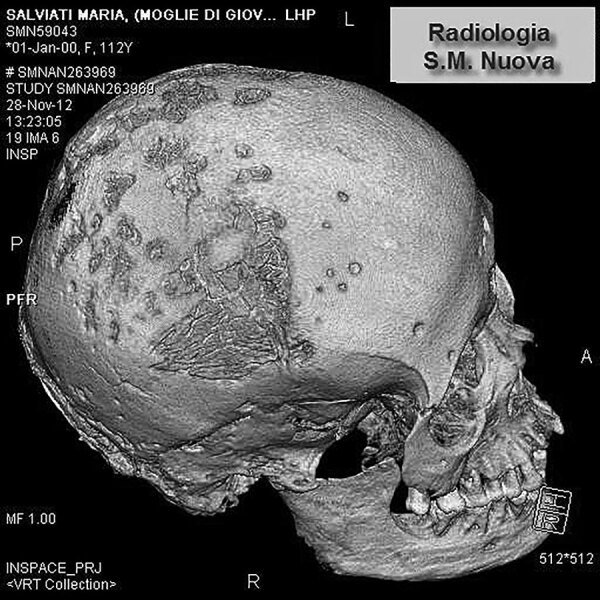
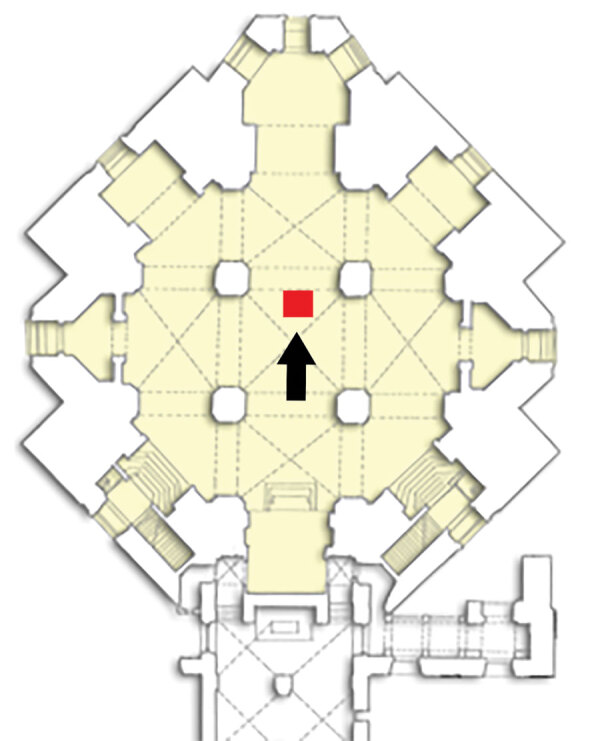
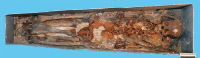
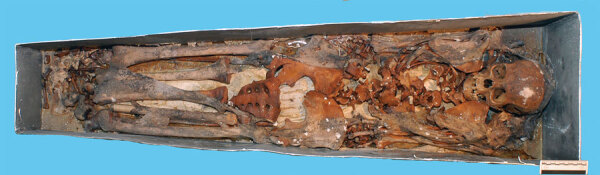
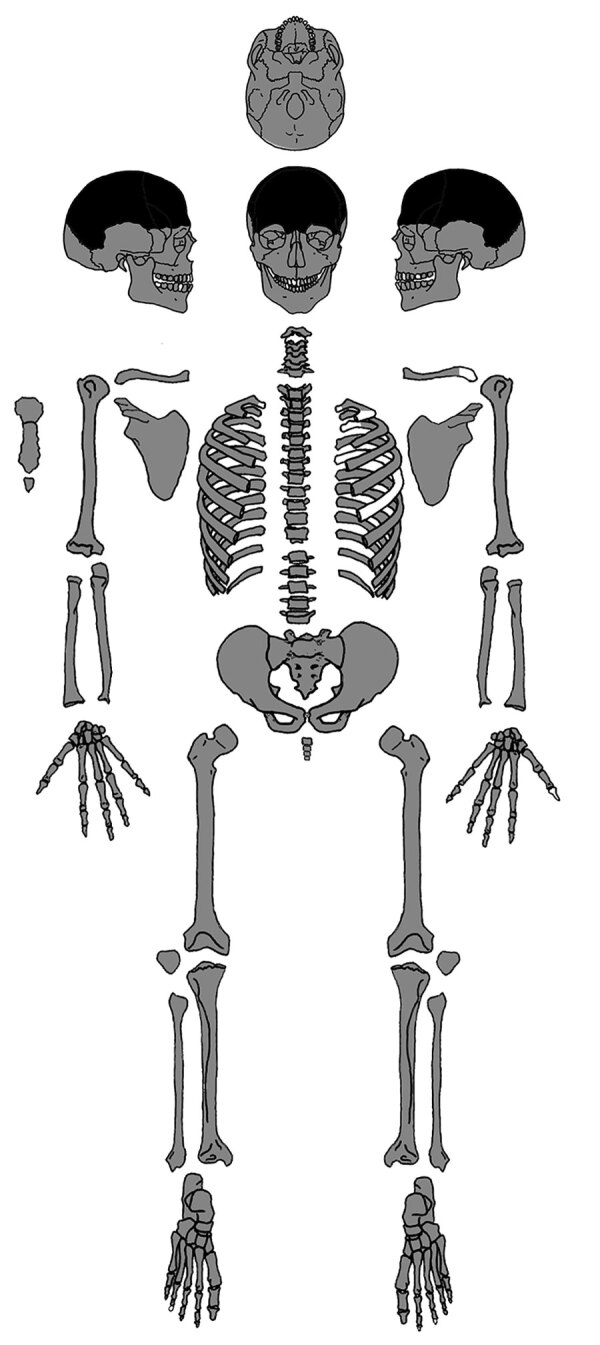
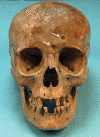
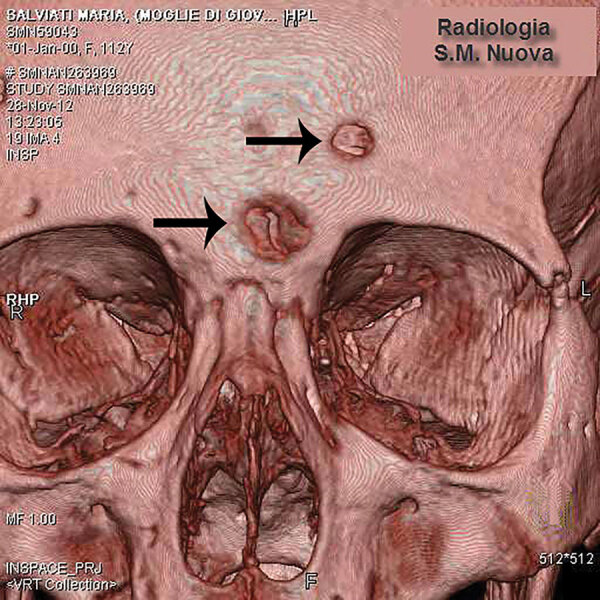
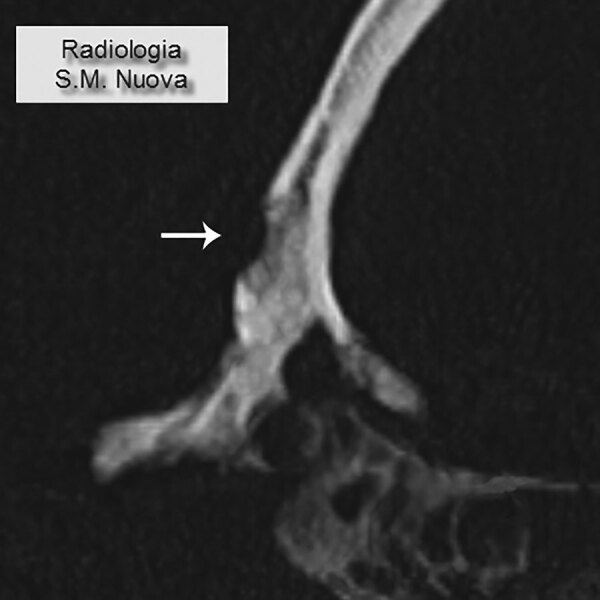
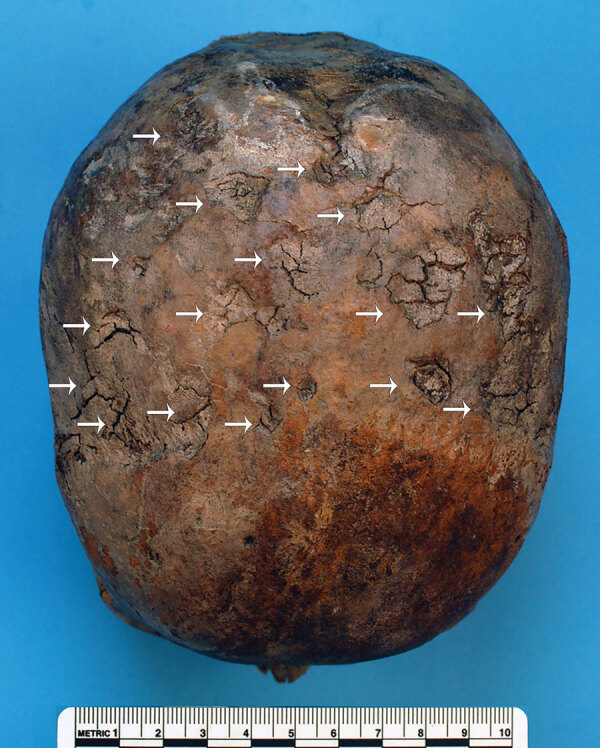
Description:Researchers from the Division of Paleopathology of Pisa University (Pisa, Italy) exhumed the well-preserved skeleton of Maria Salviati (1499–1543), wife of Giovanni de’ Medici, named “Giovanni of the Black Bands,” in Florence in 2012. Many lytic lesions had affected the skull of Maria on the frontal bone and on the parietal bones. These lesions are pathognomonic for syphilis. An ancient diagnosis of syphilis for Maria Salviati does not emerge from the historical sources, although the symptoms manifested in her last years of life are compatible with a colorectal localization, including severe hemorrhages, caused by syphilitic infection. The case of Maria Salviati can be compared with those of other famous Italian noblewomen of the Renaissance, such as Isabella of Aragon (1470–1524) and Maria of Aragon (1503–1568). Paleopathology made it possible to directly observe a “secret illness” to which noblewomen were susceptible as a result of the sexual conduct of their husbands.
-
Subjects:
-
Source:Emerg Infect Dis. 26(6):1274-1282
-
Pubmed Central ID:PMC7258490
-
Document Type:
-
Genre:
-
Volume:26
-
Issue:6
-
Download URL:
-
File Type:
 [PDF - 4.82 MB]
 -
Collection(s):
-
Main Document Checksum:urn:sha-512:f7e3ce5a8fefafc3282987f0cc33fefb463d343192c785421e1316319a0d5f400d3f1dd05da4ef79852d1b7d28a169f9d63c88af0e547bd56ac5d0e2f51c55b6
Supporting Files


 Was this page helpful?
 Found an issue?










CDC STACKS serves as an archival repository of CDC-published products including
scientific findings, journal articles, guidelines, recommendations, or other public health information authored or
co-authored by CDC or funded partners.
As a repository, CDC STACKS retains documents in their original published format to ensure public access to scientific information.
As a repository, CDC STACKS retains documents in their original published format to ensure public access to scientific information.
You May Also Like
COLLECTION
Emerging Infectious Diseases